

LOS ANGELES — James Ransone, the character actor who earned critical acclaim for his portrayal of the troubled dock worker Ziggy Sobotka in HBO’s “The Wire” and later appeared in horror films including “It: Chapter Two,” has died at age 46, the Los Angeles County Medical Examiner confirmed.
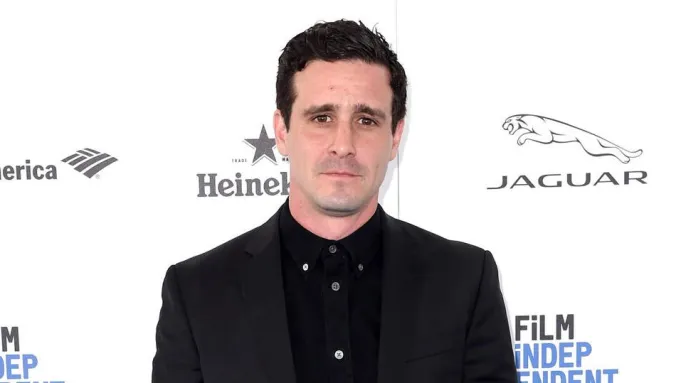
Ransone died Friday, December 19, according to the medical examiner’s office, as cited by People.com. TMZ independently verified the death and reported that the medical examiner’s website lists the manner of death as suicide by hanging. The Los Angeles Police Department responded to a residence call, where officers completed a death investigation report with no foul play suspected.
Born June 2, 1979, in Baltimore, Maryland, to Joyce Peterson and James Ransone II, the actor found his breakthrough role in 2003 when he joined the second season of David Simon’s acclaimed crime drama “The Wire.”
Ransone’s portrayal of Ziggy Sobotka—the impulsive, self-destructive son of a union leader navigating Baltimore’s declining dock industry—showcased his ability to inhabit deeply flawed, emotionally complex characters. His performance across all 12 episodes of the show’s second season drew widespread critical praise, with many viewers citing Ziggy as among their favorite characters despite the role’s tragic trajectory. The character’s descent from misguided hustler to tragic figure demonstrated Ransone’s range and willingness to embrace uncomfortable, morally ambiguous material.
The role established Ransone as a distinctive presence in independent and genre cinema, leading to collaborations with innovative filmmakers who valued his authenticity and commitment to character work.
He portrayed the adult version of Eddie Kaspbrak in “It: Chapter Two,” the 2019 sequel to the Stephen King adaptation, taking over the role that Jack Dylan Grazer played as a child. Ransone brought nervous energy and vulnerability to the hypochondriac character reuniting with childhood friends to confront an ancient evil.
His other film work included significant roles in Sean Baker’s groundbreaking 2015 film “Tangerine,” shot entirely on iPhone cameras and celebrated for its authentic portrayal of Los Angeles transgender sex workers. Ransone also appeared in “The Black Phone” in 2021 and its sequel “Black Phone 2,” released earlier this year, as well as the “Sinister” horror franchise.
Ransone’s television career extended beyond “The Wire” to include appearances in “Law & Order,” “CSI: Crime Scene Investigation,” “Hawaii Five-0,” “Burn Notice” and, most recently, Natasha Lyonne’s mystery series “Poker Face.”
His early career included his first major role in the controversial 2002 film “Ken Park,” in which he starred as Tate, gaining initial industry recognition before his career-defining work in “The Wire.”
Following news of Ransone’s death Sunday, HBO shared a tribute on X featuring a photograph of the actor in “The Wire” alongside the message: “In loving memory of James Ransone.”
Production company Blumhouse, which worked with Ransone on “The Black Phone” and “Sinister” films, posted their own remembrance on X: “We are saddened by the passing of James Ransone. We are grateful to have worked with him on The Black Phone and Sinister movies. Our thoughts are with his loved ones.”
Ransone’s death highlights the ongoing mental health crisis affecting the entertainment industry, where performers often face unique pressures including career instability, public scrutiny and the emotional demands of inhabiting troubled characters. Industry observers have increasingly called for improved mental health resources and support systems for actors, particularly those working in independent and genre productions where budgets may not accommodate comprehensive wellness programs.
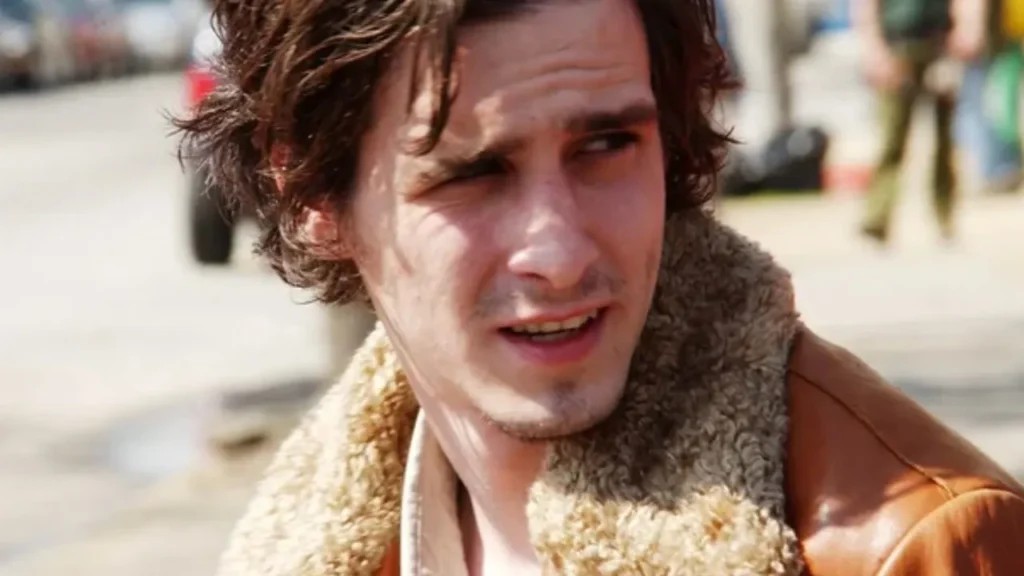
The actor’s body of work demonstrated a consistent attraction to complex, often marginalized characters existing on society’s fringes. From Ziggy’s desperate attempts to prove himself on Baltimore’s docks to his various roles in horror and independent cinema, Ransone gravitated toward material that examined human vulnerability, desperation and resilience. This thematic consistency suggests an artist deeply engaged with exploring the psychological dimensions of characters others might dismiss or overlook.
His Baltimore roots informed much of his work, particularly his authentic performance in “The Wire,” which drew heavily on the city’s working-class culture and economic struggles. Growing up in the same environment he later portrayed gave Ransone an innate understanding of the character’s context and motivations, contributing to the role’s emotional resonance.
The loss represents another tragedy in an industry that has faced numerous high-profile deaths in recent years, prompting renewed conversations about mental health awareness, suicide prevention and the resources available to performers navigating the psychological challenges of their profession.
If you or someone you know is struggling with suicidal thoughts, please contact the National Suicide Prevention Lifeline at 988 or visit 988lifeline.org for immediate support and resources.
Ransone is survived by his family, whose privacy should be respected during this difficult time. Details regarding memorial services have not been publicly announced.
His performances will continue to reach audiences through his extensive body of work, preserving his contributions to contemporary film and television. “The Wire” in particular has found new generations of viewers through streaming platforms, ensuring that Ransone’s most celebrated role will introduce his talent to audiences for years to come.
The entertainment community’s swift tributes reflect the respect Ransone earned among colleagues and collaborators throughout his career, recognized as a dedicated professional who brought depth and humanity to every role he inhabited.
TMZ/People/AP




