

TOKYO (BN24) — A minor political party in Japan announced plans to appoint an artificial intelligence system as its new leader after failing to win seats in the country’s most recent elections and following the resignation of its founder, Shinji Ishimaru.
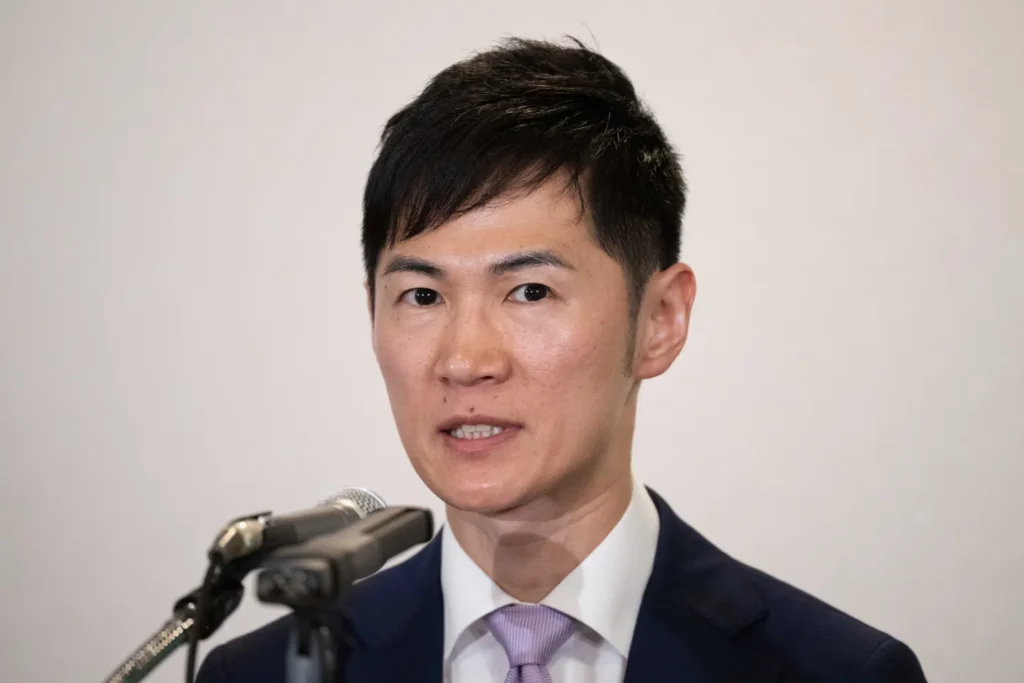
The Path to Rebirth Party, launched in January 2024 by Ishimaru, a former mayor of a small city in western Japan, rose to national attention when he placed second in the 2024 Tokyo gubernatorial race. The campaign, mainly powered by online engagement, positioned Ishimaru as a rising figure in Japanese politics.
But the party has struggled since. After failing to secure any seats in the July 2025 upper house elections, Ishimaru stepped down from leadership, triggering a bold and unconventional shift in party strategy.
“The new leader will be AI,” said Koki Okumura, a 25-year-old AI researcher and doctoral student at Kyoto University, who was selected through an internal contest to succeed Ishimaru. Okumura will act as the AI’s human assistant and serve as the public-facing representative of the party.
Details about the artificial intelligence system—such as its development, launch timeline, and operational structure have not been finalized. However, Okumura stated that the AI will not dictate policy stances for party members. Instead, it will help manage internal party affairs, including decision-making on resource allocation and organizational logistics.
The Path to Rebirth Party is known for its decentralised model, where members are encouraged to establish their own platforms without adhering to a unified party policy. Despite the media buzz surrounding its AI experiment, the party has seen little success at the ballot box.
In the June 2025 Tokyo assembly elections, none of its 42 candidates were elected. A similar result followed in the July upper house elections, where all 10 candidates failed to win seats.
While some see the move to AI leadership as a publicity stunt, party officials insist it reflects their broader belief in technology, transparency, and decentralised governance ideas they hope will eventually resonate with voters disillusioned by traditional political institutions.





