

Kenyan prosecutors have filed new criminal charges against self-proclaimed preacher Paul Mackenzie and seven associates in connection with 52 additional deaths linked to an alleged doomsday cult that shocked the nation and drew global condemnation.
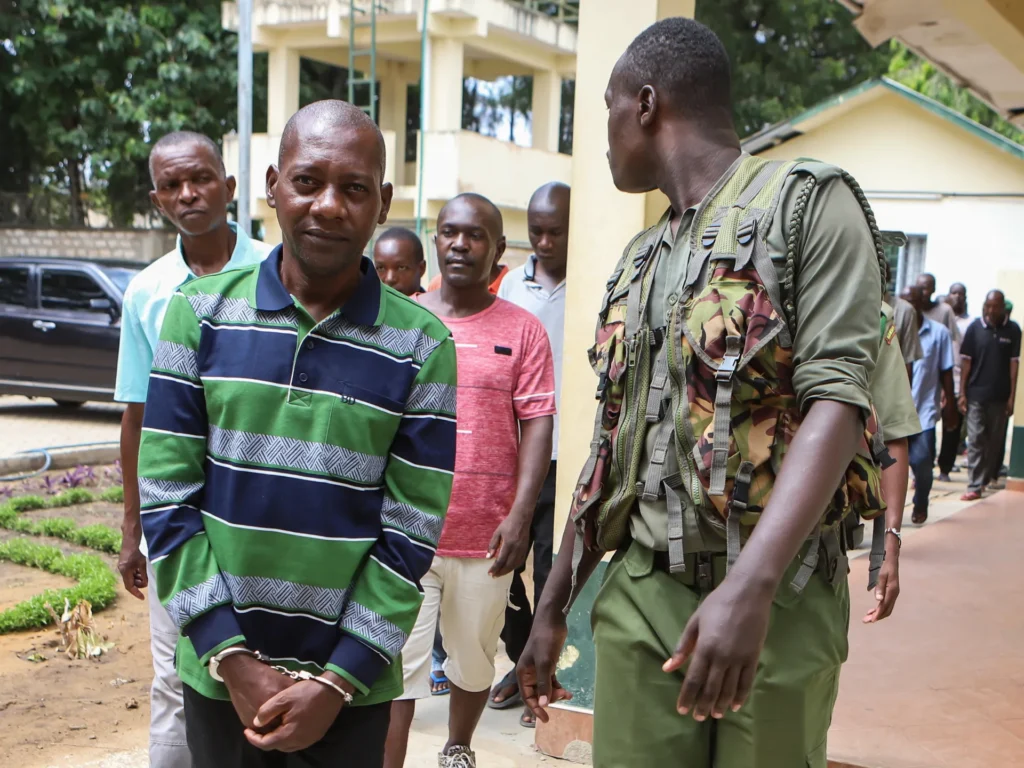
The Office of the Director of Public Prosecutions announced Wednesday in a post on X that Mackenzie and the co-defendants face counts of organized criminal activity, two charges of radicalization, and two counts of facilitating the commission of a terrorist act. The charges relate to deaths that authorities say occurred in the Kwa Binzaro area of Chakama, in Kilifi County along Kenya’s southeastern coast.
The accused entered not guilty pleas during their court appearance, and the matter has been scheduled for further hearing on March 4.
In its statement, the prosecution office asserted that the defendants “promoted an extreme belief system by preaching against the authority of the government, adopted an extreme belief system against authority, and facilitated the commission of a terrorist act.” Authorities allege that the group’s teachings fostered hostility toward state institutions and enabled deadly outcomes.
Mackenzie was already facing multiple charges, including murder and terrorism-related offenses, stemming from the discovery of hundreds of bodies in Shakahola Forest in 2023. That case, often referred to as the “Shakahola Forest Massacre,” ranks among the deadliest cult-related tragedies in modern history.
Al Jazeera reported that prosecutors have accused Mackenzie and his Good News International Church of orchestrating a cult in which followers were instructed to starve themselves and their children to death in anticipation of the end of the world. Mackenzie has consistently denied those accusations.
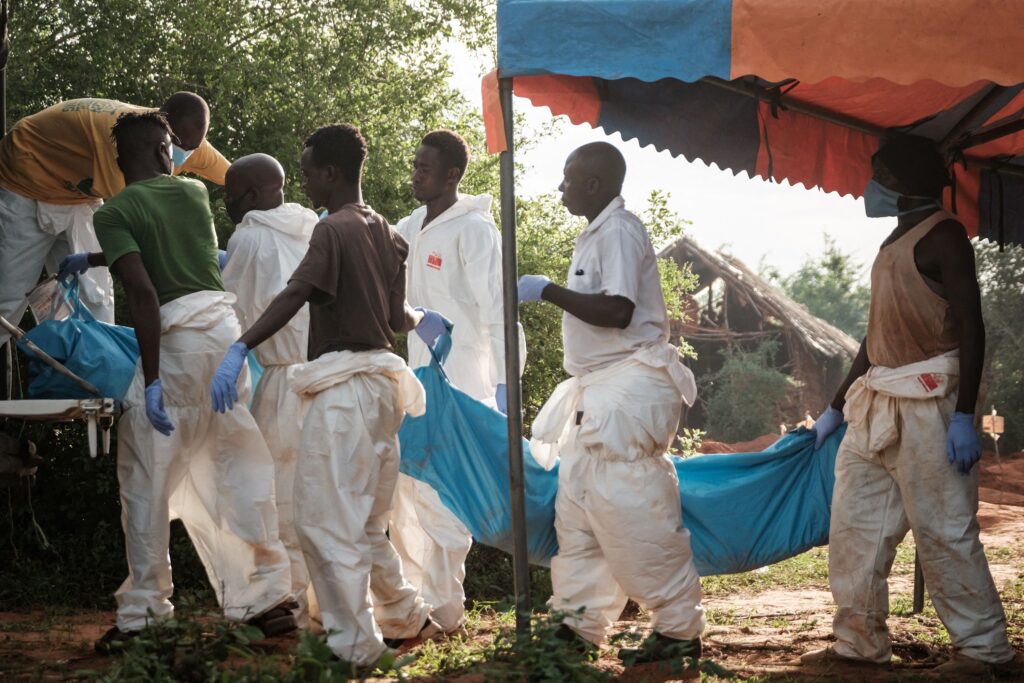
By 2025, two years after investigations began, authorities had recovered more than 400 bodies from shallow graves in Shakahola Forest, located in Kilifi County near the Indian Ocean coastline. Postmortem examinations determined that most victims died from starvation, while others, including children, showed signs of strangulation, blunt-force trauma or suffocation.
Mackenzie previously pleaded not guilty to multiple manslaughter charges at his initial trial in Mombasa and has remained in custody since his arrest in 2023.
The latest charges stem from the discovery last year of additional bodies in the remote village of Kwa Binzaro, roughly 30 kilometers (20 miles) from Shakahola. Prosecutors contend that Mackenzie continued to orchestrate activities connected to the cult even after his detention, allegedly using radical religious teachings to attract followers to the isolated site.
AfricaNews, citing AFP, reported that the new charges expand the legal proceedings against Mackenzie in a case that first drew international attention when hundreds of bodies were uncovered near the Kenyan resort town of Malindi in 2023.
Authorities argue that the pattern of deaths at Kwa Binzaro indicates the same extremist network remained active beyond Mackenzie’s arrest. The prosecution’s position is that the accused coordinated and oversaw operations through intermediaries, maintaining ideological influence over adherents.
The unfolding case has intensified scrutiny of fringe religious movements in Kenya, a majority-Christian country where constitutional protections guarantee freedom of worship and separation of church and state. Government efforts to impose stricter oversight on religious organizations have historically encountered resistance from faith leaders who view regulation as a threat to religious liberty.
Separate findings from Kenya’s Senate and a state-funded human rights watchdog concluded that earlier intervention by authorities might have prevented some of the deaths. Those assessments have fueled debate over whether law enforcement agencies failed to act on warning signs before the scale of the tragedy became evident.
The Shakahola revelations triggered widespread public outrage and prompted calls for reforms to monitor self-styled pastors operating outside established denominations. Critics argue that regulatory gaps allowed extreme teachings to flourish unchecked, particularly in remote communities where poverty and limited access to education may leave residents vulnerable to manipulation.
Legal analysts note that the addition of terrorism-related charges signals the government’s intent to frame the alleged conduct not merely as criminal negligence but as a broader threat to public order and national security. The inclusion of radicalization counts underscores prosecutors’ emphasis on ideology as a central component of the case.
At the same time, rights advocates caution that efforts to regulate religion must balance security concerns with constitutional safeguards. Kenya’s courts are expected to play a pivotal role in defining the boundaries between legitimate religious expression and criminal conduct.
The case continues to reverberate across East Africa, raising broader questions about the intersection of faith, authority and accountability. Experts say the tragedy reflects how charismatic leaders can exploit social and economic vulnerabilities, particularly in regions where distrust of government institutions runs deep.
As proceedings move forward, families of victims await answers and accountability in a case that has left lasting scars on communities in Kilifi County and beyond. The March 4 hearing is expected to address procedural matters as prosecutors prepare to present evidence related to the newly filed charges.
For now, Mackenzie and his co-defendants remain in custody as one of Kenya’s most consequential criminal cases unfolds, reshaping national conversations about faith, oversight and the protection of vulnerable citizens.
Citizenship/Aljazeera




