

CLAY COUNTY, Mississippi — A 24-year-old Mississippi man has been arrested and charged with first-degree murder in the Friday night deaths of six people, including a 7-year-old child and a local pastor, across three separate locations in Clay County in what law enforcement officials characterized as one of the most horrific crime sprees in the rural county’s history.
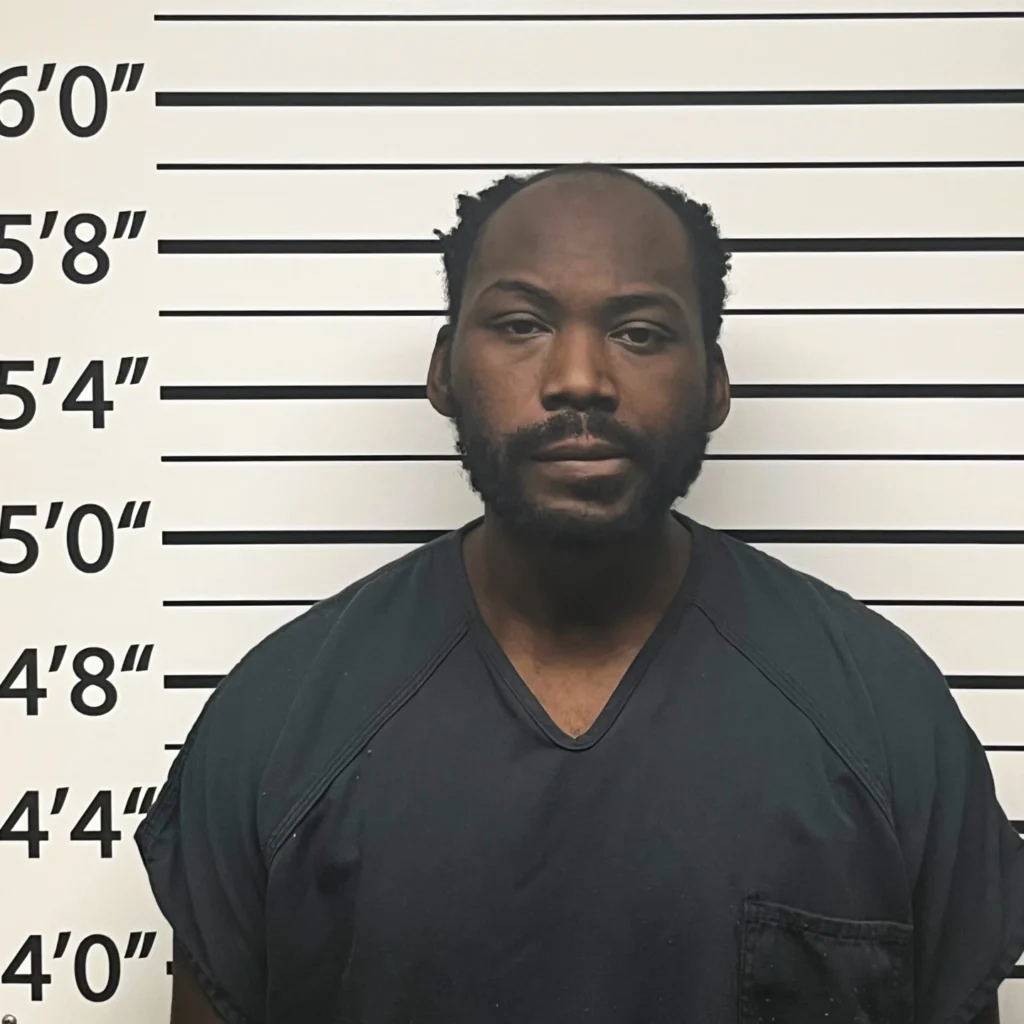
Daricka Moore, a Clay County resident, is accused of killing several family members and a pastor before being apprehended just before midnight Friday, Clay County Sheriff Eddie Scott announced Saturday during a press conference. The charge against Moore is expected to be upgraded to capital murder, with the death penalty a distinct possibility if he is found mentally competent to stand trial, officials confirmed.
“This is horrific. It’s about as bad as it gets,” stated Scott Colom, the district attorney for Mississippi’s Sixteenth Circuit Court, whose jurisdiction includes Clay County. Colom indicated his office would pursue the death penalty given the extreme nature of the crimes, departing from his typical practice of consulting with victims’ families before making such decisions.
According to Sheriff Scott, Moore is accused of fatally shooting his father, brother, and uncle in the head Friday evening at the first location just before 7 p.m. Evidence and witness statements led investigators to believe Moore was the sole shooter in the rampage that unfolded across multiple sites over several hours, with each location presenting increasingly disturbing crime scenes.
Moore then allegedly stole his brother’s truck and drove to a second location where authorities say he attempted to sexually assault a 7-year-old girl who was related to him. In front of witnesses, Moore is accused of shooting and killing the child in the head after the attempted sexual battery, according to Reuters and NPR reports citing Sheriff Scott’s statements.
Scott revealed that two other children were present in the home at the second location, in addition to the children’s mother who witnessed the horrific violence. Based on witness accounts, a second, younger child was threatened with a gun at this location as well, though it remained unclear whether the weapon misfired or whether Moore chose not to pull the trigger.
“According to the statements, after the 7-year-old was violently murdered, a weapon was stuck to the head of a small child in the house,” the sheriff stated during the press conference, his voice reflecting the emotional toll of investigating such brutality. “That’s how violent he was, to shoot one and stick a gun to another one.”
The presence of witnesses including the children’s mother and other minors who observed the 7-year-old’s murder and the weapon being pointed at another child adds layers of psychological trauma extending beyond the immediate victims to include survivors who will carry memories of the violence for the rest of their lives.
A 911 call then directed law enforcement to a third location, where two additional men were found fatally shot in the head. The victims at the third scene were brothers, with Sheriff Scott confirming that one was a pastor at a local church.
The relationship between Moore and these final two victims remained under investigation as of Saturday, though authorities indicated they were working to establish connections between the suspect and all victims.
The victims ranged in age from the 7-year-old girl to a 67-year-old man, according to NPR’s confirmation of Sheriff Scott’s statements to reporters. No other injuries beyond the six fatalities were reported, though the psychological impact on witnesses and surviving family members will likely prove devastating and long-lasting.
Moore was apprehended at a location near the third crime scene just before midnight Friday, bringing to an end a multi-hour rampage that terrorized the small northeastern Mississippi county. The relatively brief time between the first shooting around 7 p.m. and Moore’s capture before midnight meant that law enforcement had limited opportunity to warn residents or establish protective perimeters before additional killings occurred.
“This has really shaken our community,” Sheriff Scott told the assembled media at Saturday’s press conference. “Personally, I don’t know what kind of motive you could have to kill a 7-year-old.” The sheriff, who has served in law enforcement for nearly 30 years, characterized the case as “one of the toughest ones we’ve had to work,” reflecting the emotional challenge of investigating crimes against children and the sheer number of victims across multiple scenes.
“This has really, really shaken our community, and for me, almost 30 years in, this is one of the toughest ones we’ve had to work,” Scott stated, his comments underscoring how even experienced law enforcement officials struggle to comprehend violence directed at young children and the methodical nature of attacks spanning multiple locations and victim groups.
The motives for the killings remained unknown as of Saturday, with Sheriff Scott emphasizing that investigators had not yet determined what prompted Moore to allegedly embark on the deadly spree.
The progression from family members to the attempted sexual assault of a child to the killing of two men including a pastor suggested either escalating loss of control or execution of some planned sequence whose logic remained incomprehensible to investigators.
District Attorney Colom announced that his office would be pursuing the death penalty against Moore if the defendant is found eligible under Mississippi law, which requires consideration of the defendant’s mental competency and the presence of aggravating factors that warrant capital punishment. “Typically, I would consult with the victims and wait down the line, but there’s some cases that they’ve got to get the worst punishment,” Colom explained.
“Six people, one night, several different scenes. You’ve heard the allegations, they’re about as bad as it gets,” the district attorney continued, laying out the prosecutorial reasoning that the crime’s severity justified immediate death penalty consideration rather than the more deliberative process typically employed in capital cases where prosecutors consult extensively with victims’ families before making charging decisions.
The Mississippi Crime Lab, a state office that handles forensic analysis for major crimes, will conduct autopsies on all six victims, Sheriff Scott confirmed. The autopsies will establish official causes of death, document any additional injuries beyond the fatal head shots, and potentially provide forensic evidence linking Moore to the crime scenes through ballistics analysis, gunshot residue, or other physical evidence.
Moore is scheduled to appear in court Monday for initial proceedings where formal charges will be read and bail will be addressed, though given the severity of the allegations and the number of victims, legal experts suggest bail is highly unlikely to be granted.
The defendant will likely be appointed public defenders given the capital nature of the charges, with Mississippi providing experienced capital defense attorneys for defendants facing potential death sentences.
Located in northeastern Mississippi near the Alabama border, Clay County has a population of nearly 20,000 residents spread across rural communities where violent crime—particularly mass casualty events—occurs rarely.
The county seat of West Point and surrounding unincorporated areas maintain the close-knit character common to rural Southern communities, making the Friday night rampage particularly shocking for residents accustomed to knowing their neighbors and rarely confronting violence of this magnitude.
The case joins a disturbing pattern of family annihilation cases where perpetrators kill multiple relatives across different locations, often involving combinations of domestic violence, sexual assault, and seemingly random targeting that investigators struggle to explain through conventional criminal motives.
The inclusion of a pastor among victims adds elements suggesting either personal grievance, religious delusion, or opportunistic targeting that may become clearer as the investigation progresses.
For Clay County’s faith communities, the pastor’s killing creates particular trauma as congregations process the loss of a spiritual leader while grappling with theological questions about why such violence occurs and how communities should respond.
The pastor’s identity had not been publicly released as of Saturday pending family notification, though Sheriff Scott’s disclosure that the victim served a local church suggests he was known within the county’s religious community.
The attempted sexual assault of the 7-year-old before her murder elevates the depravity of the crimes beyond even the multiple homicides, with prosecutors likely to argue that the sexual battery attempt combined with the child’s killing represents the kind of aggravated circumstances that Mississippi capital punishment statutes specifically address.
The public nature of the assault and killing—occurring in front of witnesses including the child’s mother and siblings—compounds the horror and will likely feature prominently in any capital trial.
The threatened shooting of a second child whose life was spared either through weapon malfunction or the suspect’s decision not to fire raises agonizing questions about what spared that child when others died. Survivors, particularly young children, may struggle with guilt about surviving when siblings or relatives died, requiring extensive psychological support to process trauma that extends well beyond the immediate violence to encompass existential questions about randomness and fairness.
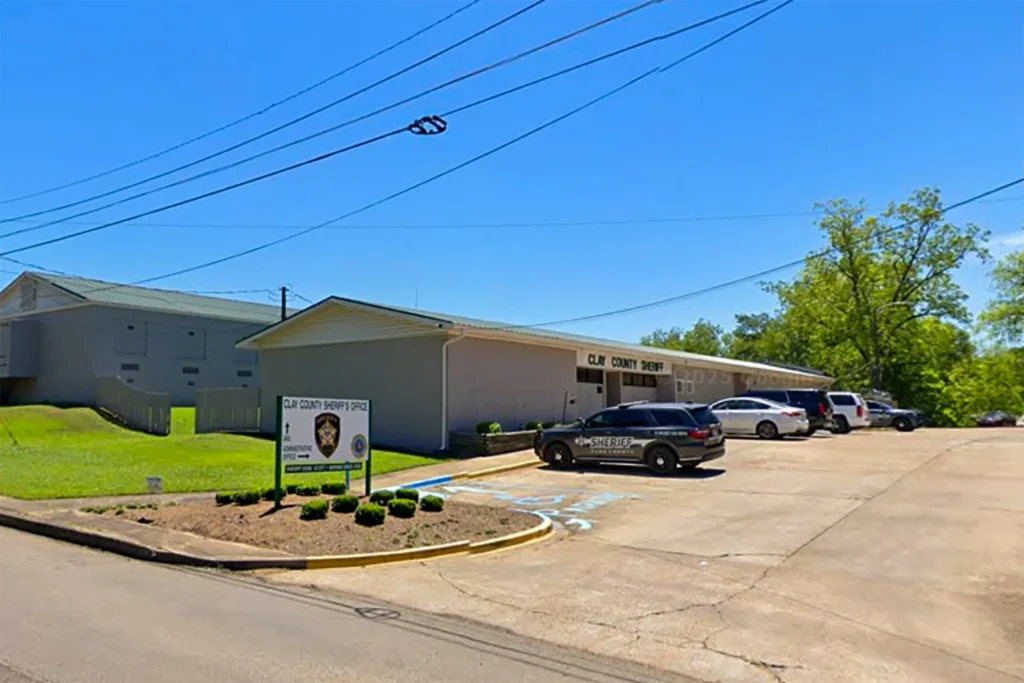
Clay County will face substantial challenges supporting victims’ families, witnesses, first responders, and community members traumatized by the crimes. Rural counties often lack the mental health infrastructure and victim services resources that urban areas can mobilize after mass casualty events, potentially leaving survivors without adequate support as they navigate grief, trauma, and the lengthy legal proceedings that capital cases inevitably require.
The death penalty pursuit, while supported by the district attorney given the crime’s severity, will trigger years of appeals and legal proceedings before any execution could occur, assuming Moore is convicted and sentenced to death.
Mississippi maintains capital punishment and has executed prisoners in recent years, though the state’s death row population has declined as juries increasingly choose life sentences even in eligible cases.
Moore’s mental competency will become a central issue in proceedings, with defense attorneys likely to request comprehensive psychiatric evaluations before trial. If Moore is found incompetent to stand trial, proceedings would be suspended while he receives treatment to restore competency, potentially delaying justice for victims’ families while creating legal complexities about whether someone can be forcibly medicated to make them competent for trial on capital charges.
The multi-location nature of the crimes will require extensive crime scene processing, witness interviews, and forensic analysis to establish timelines, document Moore’s movements between locations, and build the comprehensive case necessary for capital prosecution. The presence of witnesses to the second-location crimes provides crucial testimony but also means that children and adults who observed unimaginable violence will need to relive those experiences through multiple interviews, depositions, and potentially trial testimony.
For the small Clay County Sheriff’s Office and local prosecutors, handling a capital case of this magnitude will strain resources and require assistance from state and potentially federal law enforcement agencies with expertise in complex homicide investigations.
The Mississippi Bureau of Investigation and FBI may provide technical assistance, criminal profiling, and other resources that exceed local capabilities while ensuring that the investigation meets the heightened scrutiny capital cases demand.
As the community begins the difficult process of mourning six lives lost in one horrific night, questions about how to prevent such tragedies remain unanswered.
The family connections between Moore and most victims suggest domestic violence dynamics, though the killing of the pastor and the attempted sexual assault of a child indicate elements beyond typical family annihilation cases where perpetrators kill relatives before committing suicide.
The case will likely prompt renewed discussions about mental health screening, domestic violence intervention, and whether warning signs existed that might have prevented the rampage if identified and addressed.
However, Sheriff Scott’s statement that motives remain unknown suggests that even thorough investigation may fail to provide satisfying explanations for why a 24-year-old man allegedly chose to murder six people including a young child in a single night of incomprehensible violence.
NPR/Reuters




