

ABUJA, Nigeria (BN24) — The Nigerian presidency has reinforced diplomatic engagement with Washington amid warnings by U.S. President Donald Trump that military intervention could be on the table over alleged killings of Christians in Nigeria.
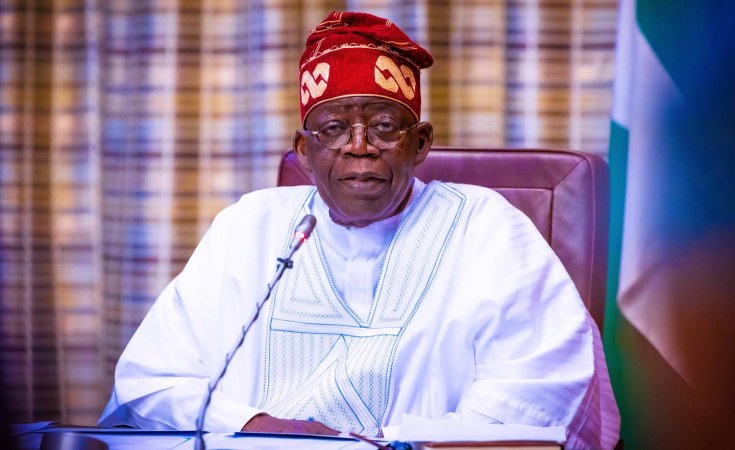
On November 1, 2025, President Trump declared he had instructed the Pentagon to begin planning potential action in Nigeria and warned that U.S. aid would be cut immediately if the Nigerian government did not act decisively
In response, officials in Abuja said the administration of President Bola Tinubu is proactively managing the diplomatic fallout, liaising with U.S. counterparts, and emphasising Nigeria’s commitment to protecting all citizens regardless of faith. Government sources confirmed meetings between senior Nigerian officials and U.S. aides as attempts continue to avert a broader diplomatic crisis.
Governor Chukwuma Soludo of Anambra State, speaking during a live broadcast on national television, challenged the U.S. framing of the issue as a Christian-Muslim dichotomy. He insisted the situation is far more complex: “People are killing themselves, Christians killing Christians … it has nothing to do with religion,” he said, adding that any U.S. involvement must be by invitation and grounded in international law.
A government statement noted that President Tinubu had already made significant changes to Nigeria’s military leadership and issued firm directives to the service chiefs to address insecurity across the country. The statement argued these steps demonstrated that Nigeria was not caught unawares by the U.S. pressure.
Analysts say that the U.S. designation of Nigeria as a “Country of Particular Concern” (CPC) for alleged religious-freedom violations and the accompanying threat of intervention represent a major test of bilateral relations. Nigerian spokesmen rejected the notion that the country is systematically failing Christians, pointing out that violence in Nigeria affects both Christians and Muslims, and that the causes of insecurity are rooted in complex regional, ethnic, and resource-related dynamics.
The Nigerian government has welcomed U.S. assistance in counter-terrorism efforts but reiterated that any cooperation must respect Nigeria’s territorial integrity. “We welcome U.S. help as long as it recognises our territorial integrity,” said a presidential adviser.
Civil society groups and opposition figures joined the chorus of concern. A coalition of NGOs condemned the threat of invasion as a violation of Nigerian sovereignty, while former Kano governor Rabiu Kwankwaso called for constructive engagement that emphasises technology, intelligence sharing and diplomatic representation rather than military coercion.
The escalation comes at a moment when Nigeria’s security challenges span insurgency in the northeast, banditry in the northwest, and communal conflicts in the middle belt. Observers say the U.S. posture may reflect frustration with slow progress in these areas, but it also raises concerns about external states intervening in Nigeria’s internal affairs.
For now, both governments appear keen to avoid an explosive breakdown in relations. Nigeria is moving to clarify Trump’s demands, reaffirm its constitutional protection of all faiths, and secure assurances that any U.S. military cooperation will respect its sovereignty.





