

CHESTER, England — A Nigerian man who posed as a female nurse and worked at the same NHS hospital in the United Kingdom, where Lucy Letby was employed has avoided jail after admitting fraud.
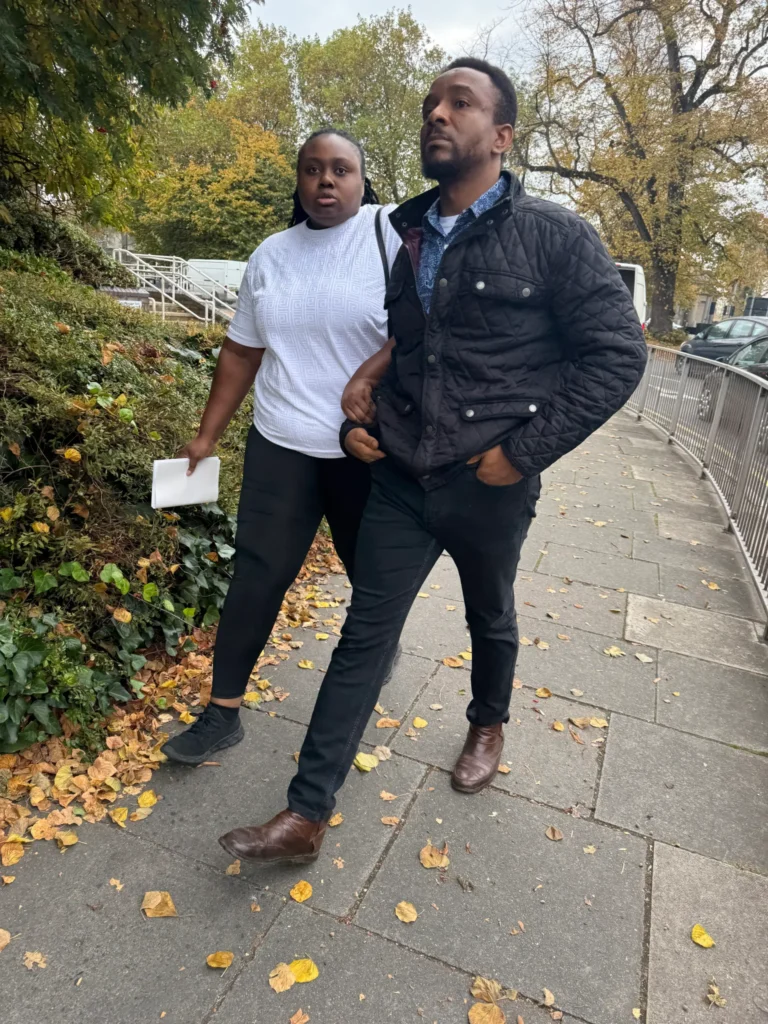
Lucius Njoku, thirty-three, used the name of agency nurse Joyce George to work as a healthcare assistant at the Countess of Chester Hospital. Between February and April he washed and dressed patients and carried out observations on the accident and emergency ward.
It was at the same NHS site where killer nurse Lucy Letby had worked on the neonatal unit that Njoku found fraudulent employment. Three former senior managers at the hospital are being investigated for gross negligence manslaughter following Letby’s imprisonment.
Njoku worked shifts under a woman’s name with her identification badge pinned to his chest. Colleagues failed to spot the deception despite the fact he was wearing an NHS badge complete with a clear photograph, Chester Magistrates Court was told.
Njoku’s deception was only uncovered when a patient confronted him and he blurted out “My name is Joyce but I am a man.”
The court heard how George, a Nigerian national living in Ellesmere Port, obtained a job at the hospital after a successful interview. She would then allow Njoku to use her name and do her shifts at the hospital. It remains unclear where Njoku obtained an NHS uniform to complete his cover.
Police raided George’s home, finding Njoku there, and discovered mobile phones belonging to the pair. Text messages were recovered from the devices showing the two Nigerian nationals discussing shifts at the Chester hospital.
Both Njoku and George refused to comment during police interviews.
Njoku, who lives with his NHS worker wife at a different property in Ellesmere Port, admitted a charge of fraud by false representation. He was sentenced to sixteen weeks in prison suspended for twelve months and instructed to pay two hundred thirty-nine pounds in costs and surcharge. A judge also ordered him to complete eighty hours of unpaid work.
Njoku is a dependent on his wife’s work visa. It remains unclear if he will be deported.
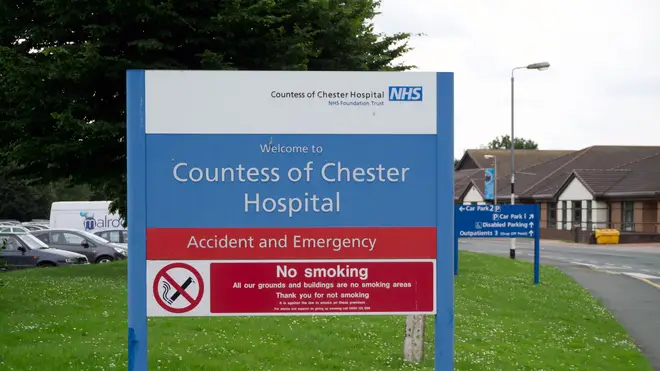
George fled the UK after she was charged with fraud. It is thought that she returned to Nigeria. An arrest warrant has been issued for the former agency nurse.
Lisa McGuire, prosecuting, said: “She permitted Njoku to do her shifts under her name. Fortunately, no harm was done and there were no complaints about Njoku’s work. But it is the access which is the serious concern.”
Njoku came to the UK as a student and had no prior convictions. His solicitor Steven Alis said it was “surprising” that Njoku’s presence had “not been picked up by management.”
Alis said Njoku was a qualified nurse but that “safeguarding checks had not come through” during the period he was working at the hospital. “He accepted the seriousness of the matter,” Alis added. “Since then, he has obtained the appropriate authorization but has chosen not to work in the care industry. Instead, he now has employment at Vauxhall through an agency.”
Njoku’s wife originally came to the UK as a dependent on his visa but he is now a dependent on her visa for work purposes.
Sentencing Thursday, District Judge Jack McGarva told Njoku: “You deceived your way into a job which requires safeguarding checks. That undermines the system. Although you were qualified and you did the work without complaint, that is not the point.”
The case raised serious questions about security protocols and identity verification procedures at NHS hospitals. The incident occurred at a facility already under scrutiny following the Lucy Letby case, in which the nurse murdered seven babies and attempted to murder six others on the neonatal unit.
Hospital officials have not commented publicly on how Njoku was able to work multiple shifts without anyone questioning the discrepancy between his appearance and the photograph on the identification badge he wore.
The fraud highlights vulnerabilities in NHS staffing procedures, particularly regarding agency nurses who may work at multiple facilities. Healthcare security experts have called for enhanced verification systems to prevent similar incidents.
The Countess of Chester Hospital has faced significant criticism over its handling of the Lucy Letby case, with concerns raised about management’s failure to act on warnings from doctors about the unusual deaths on the neonatal unit.
The simultaneous occurrence of two major security and safety failures at the same hospital has intensified calls for comprehensive reviews of NHS safeguarding procedures and management oversight.
thesun.co.uk




