

HARARE, Zimbabwe ( BN24) — A registered nurse from Mutare has been arrested and charged with multiple counts of fraud after allegedly defrauding Zimnat Life Assurance of USD15,000 through a scheme that used the identities of deceased individuals to claim insurance benefits, according to authorities.
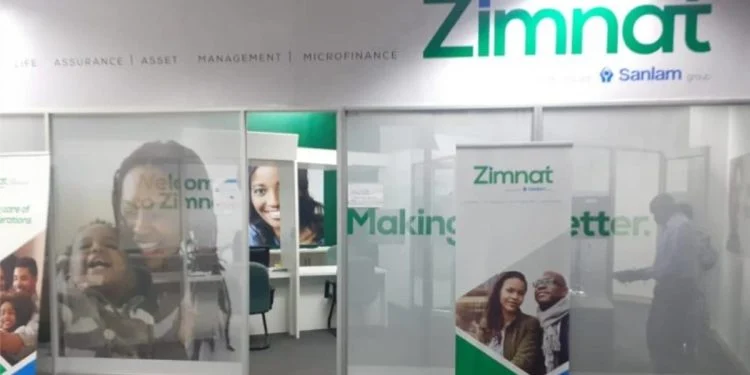
The accused, Shamiso Esinath Nyamundanda (née Musafari), 40, is employed at Bamba Rural Health Clinic in Mutare District. She appeared before the Harare Magistrates’ Court this week, facing three counts of fraud under Zimbabwe’s Criminal Law (Codification and Reform) Act.
Prosecutors from the National Prosecuting Authority of Zimbabwe (NPAZ) told the court that between August 2022 and July 2025, Nyamundanda allegedly initiated three separate life insurance policies in the names of deceased persons without the knowledge of their families. Each policy, investigators say, was valued at USD5,000.
Authorities allege that Nyamundanda forged supporting documents, including affidavits and personal identification details, to present herself as a surviving relative of the deceased policyholders. The forged paperwork, reportedly written in her own handwriting, was used to process and claim benefits after falsely declaring the “deaths” of the purported policyholders.
According to the NPAZ, the fraud was uncovered after a Zimnat Life Assurance manager identified inconsistencies in the claim documentation. The company launched an internal review, which revealed that the bank account receiving the insurance payouts was registered in Nyamundanda’s own name.
Following a formal complaint to the Zimbabwe Republic Police (ZRP), Nyamundanda was arrested and later brought before the court. She was granted USD300 bail and ordered to return to court on December 9, 2025, for routine remand.
Zimnat Life Assurance confirmed that the alleged scam resulted in a total loss of USD15,000, adding that the company has strengthened its internal verification systems to prevent future occurrences of similar fraud.
“Insurance fraud not only results in financial loss but also undermines the trust of honest policyholders,” a Zimnat spokesperson said. “We urge professionals entrusted with handling sensitive information to act ethically and within the law.”
Legal experts note that the case underscores growing concerns about the abuse of access to personal data within Zimbabwe’s public service sector, where some professionals are accused of exploiting confidential information for personal financial gain.
The Insurance and Pensions Commission (IPEC) has also raised alarms over a steady increase in insurance-related fraud cases across Zimbabwe. Officials warn that such schemes damage confidence in the country’s insurance industry and discourage people from investing in life assurance products.
In a similar but unrelated case earlier this year, Sylvester Rusere, 36, of Hopely, Harare, was fined USD400 and handed a three-month suspended sentence after fabricating a fictitious daughter to fraudulently claim EcoSure funeral benefits. Rusere’s conviction in June 2024 followed a police investigation that exposed his attempt to profit from a non-existent death.
Industry analysts say both cases highlight the urgent need for improved digital verification systems, cross-institutional data sharing, and more robust policyholder authentication to combat the rising tide of insurance scams.
Nyamundanda’s case remains under investigation, and prosecutors have indicated that additional charges may be added if further fraudulent transactions are uncovered.
If convicted, she faces a potential prison sentence of up to 10 years, as well as fines and restitution orders to repay the amount defrauded.





