

The Senate on Sunday took its first major step toward ending the federal government shutdown after weeks of political gridlock, advancing compromise legislation that funds federal agencies but leaves unresolved a key Democratic demand to extend Affordable Care Act tax credits.
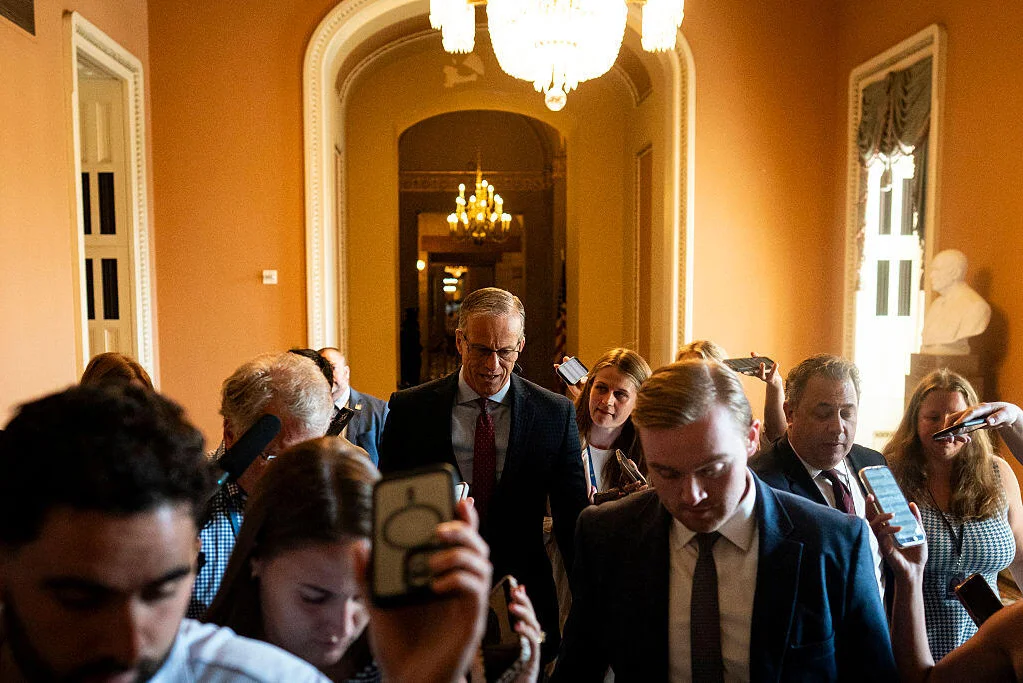
In a 60–40 procedural vote, senators agreed to move forward on a bipartisan plan to reopen the government and ensure federal workers receive back pay. The vote followed a breakthrough deal spearheaded by a group of moderate Democrats and independents who agreed to proceed without a guaranteed extension of health care subsidies. The decision sparked internal party anger, with several Democrats warning the compromise falls short of what Americans were promised.
The measure, which could take several days to finalize, funds much of the government through late January while scheduling a December vote on extending health care tax credits that expire Jan. 1. The package also reverses recent mass firings of federal employees ordered by the Trump administration since the shutdown began on Oct. 1.
Sen. Jeanne Shaheen and Maggie Hassan of New Hampshire, along with Independent Sen. Angus King of Maine, helped broker the deal following a six-week stalemate. They were joined by Sen. Tim Kaine of Virginia, home to thousands of furloughed federal workers, and a handful of others who crossed party lines to deliver the decisive votes.
Senate Majority Leader John Thune praised the compromise, saying it would bring much-needed relief to federal workers and the American public as the shutdown continued to cripple essential services. “The time to act is now,” Thune said before the vote.
Returning from a football game Sunday evening, President Donald Trump told reporters the agreement was a positive sign. “It looks like we’re getting close to the shutdown ending,” he said, though he stopped short of endorsing the deal outright.
Democratic leaders, however, were divided. Senate Democratic Leader Chuck Schumer voted against the motion, arguing that the legislation failed to protect critical health care subsidies. “We will not give up the fight,” he said after a tense two-hour caucus meeting. Sen. Bernie Sanders of Vermont called the decision to proceed without guarantees for the tax credits a “horrific mistake.”
The tentative agreement includes three bipartisan appropriations bills funding veterans’ programs, food assistance, and the legislative branch, with all other federal funding extended until January’s end. It also reimburses states that fronted funds to keep federal programs running and protects federal employees from further layoffs.
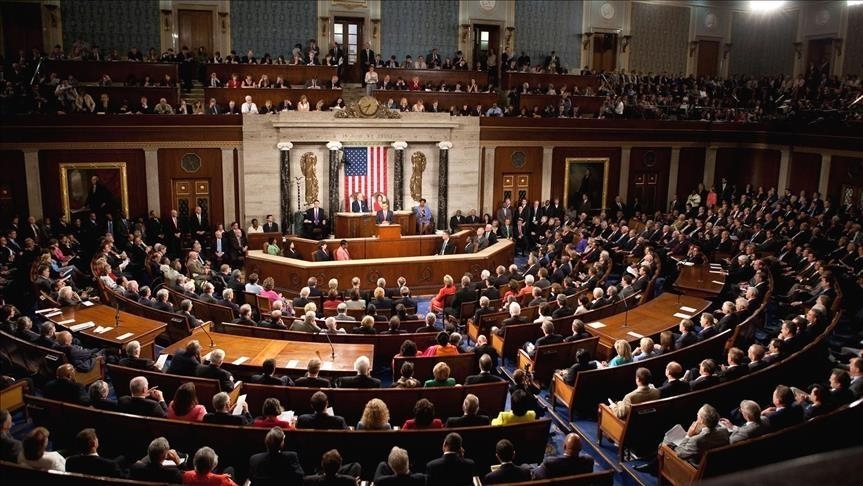
But House Democrats reacted with sharp criticism. Rep. Greg Casar of Texas, chair of the Congressional Progressive Caucus, said accepting the deal amounted to “capitulation.” “Accepting nothing but a pinky promise from Republicans isn’t a compromise — it’s betrayal,” Casar wrote on X. House Democratic Leader Hakeem Jeffries blamed Republicans and President Trump for the continuing shutdown, saying, “The American people know who created this toxic mess.”
The shutdown, now stretching into its fourth week, has left millions of Americans struggling. Airlines canceled more than 2,000 flights Sunday and delayed over 7,000 more, while food assistance programs faced significant disruptions. Treasury Secretary Sean Duffy warned that air travel ahead of Thanksgiving could be “reduced to a trickle” if the government fails to reopen soon.
The standoff has also deepened economic uncertainty for federal workers, many of whom have missed multiple paychecks. The Capital Area Food Bank in Washington, D.C., reported a 20% increase in demand, preparing an additional 8 million meals ahead of the holidays.
While the Senate’s procedural vote marks a turning point, the battle over health care subsidies is far from over. Lawmakers from both parties are expected to revisit the issue in December, testing whether Congress can achieve consensus on a measure that affects millions of Americans.




