

Federal immigration authorities have detained individuals of Somali origin during an enforcement operation in Minneapolis, officials confirmed Thursday, just two days after President Donald Trump delivered harsh verbal attacks against immigrants from the Horn of African nation and publicly declared his desire to remove them from the United States, intensifying concerns among advocates that presidential rhetoric is directly translating into targeted enforcement actions against specific ethnic communities.
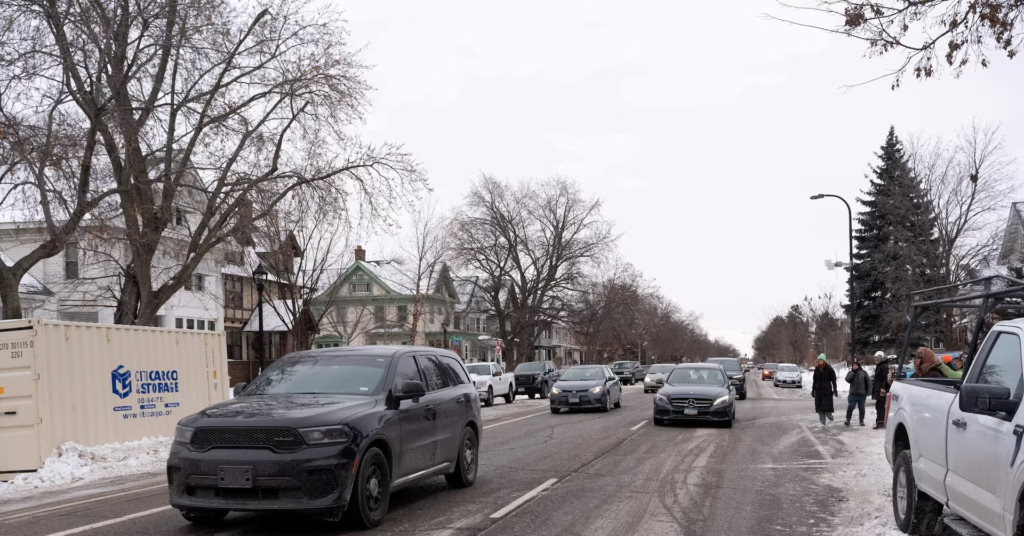
The Minneapolis arrests commenced on Monday, the Department of Homeland Security disclosed in its initial statement regarding the operation. Officials declined to provide a comprehensive arrest total but furnished profiles of 12 individuals apprehended, with five originating from Somalia while the remainder came from Mexico and El Salvador, suggesting a multi-national focus rather than exclusive targeting of Somali populations despite the timing coinciding with Trump’s inflammatory statements.
In the statement, Homeland Security Assistant Secretary Tricia McLaughlin characterized all detained individuals as dangerous criminals possessing convictions spanning fraud and vehicle theft to criminal sexual conduct and driving under the influence. This portrayal frames the enforcement action as public safety priority rather than ethnically motivated operation, though critics question whether the timing and targeting reflect broader political objectives beyond criminal justice concerns.
Minneapolis Mayor Jacob Frey, a Democrat, has strongly criticized Trump’s attacks on the city’s Somali population and on Thursday issued a call for Americans to “love and respect” Minnesota’s Somali immigrant community, which constitutes the largest such population in North America. Frey’s defense of the Somali community positions him in direct conflict with federal immigration enforcement priorities while attempting to reassure vulnerable residents facing uncertainty about their status and safety.
Trump’s racist rhetoric against Somalis, combined with attacks on Minnesota politicians who defend them, has been applauded by his allies within conservative political circles. On Tuesday, during a televised cabinet meeting, he responded to reports of government fraud among segments of Minnesota’s substantial Somali population by calling immigrants there “garbage” and declaring he wanted them sent “back to where they came from,” employing language that critics characterize as dehumanizing and potentially dangerous for diaspora communities.
Anti-immigration rhetoric functioned as a major component of Trump’s campaign messaging. Since assuming office in January, he has overseen aggressive operations conducted by masked federal agents across the country in an effort to drive deportations to record levels unprecedented in recent American history. Throughout this escalation, Trump’s public language when speaking about immigrants has grown progressively harsher, moving from policy-focused discussion to increasingly personal and inflammatory characterizations of specific ethnic populations.
The Minneapolis operation raises critical questions about the relationship between presidential rhetoric and federal enforcement priorities. While Homeland Security officials emphasize criminal histories of those detained, the timing immediately following Trump’s specific condemnation of Somali immigrants creates perception that enforcement actions target communities based on presidential statements rather than purely law enforcement criteria. This dynamic generates fear throughout immigrant communities regardless of individual legal status or criminal history.
Minnesota’s Somali community represents one of the largest refugee resettlement success stories in American history, with tens of thousands arriving since the 1990s fleeing civil war and establishing businesses, achieving political representation, and integrating into civic life. The community’s concentration in Minneapolis-area neighborhoods has created vibrant commercial districts and cultural institutions that contribute to the region’s diversity and economic vitality, contradicting Trump’s characterization of Somalis as non-contributing.
The profiles of the 12 individuals detailed by Homeland Security include criminal convictions that range in severity, raising questions about enforcement priorities and resource allocation. Vehicle theft and driving under the influence represent relatively minor offenses that typically do not trigger deportation proceedings for citizens, yet serve as basis for removal of immigrants who may have established decades-long residence in the United States with families, employment, and community ties.
Also on Thursday, federal officials announced they had arrested dozens of individuals in New Orleans, another Democratic-governed city, suggesting a coordinated national enforcement campaign targeting jurisdictions led by officials who have criticized Trump’s immigration policies. The parallel operations in Minneapolis and New Orleans indicate strategic targeting of cities whose leadership has publicly opposed aggressive deportation tactics.
On day two of the New Orleans operation, protesters disrupted a city council meeting to demand councillors declare city property “ICE Free” zones where federal immigration agents could not stage operations. The grassroots mobilization demonstrates how immigration enforcement actions generate immediate community response and political pressure on local officials to adopt protective measures for vulnerable residents.
Protesters accused federal agents of indiscriminately targeting people of color, including U.S. citizens, with no criminal record—an allegation the Department of Homeland Security denies. These accusations reflect broader concerns that immigration enforcement operations produce collateral impacts on citizens and legal residents who face questioning, detention, or fear due to their ethnicity or appearance regardless of their actual immigration status.
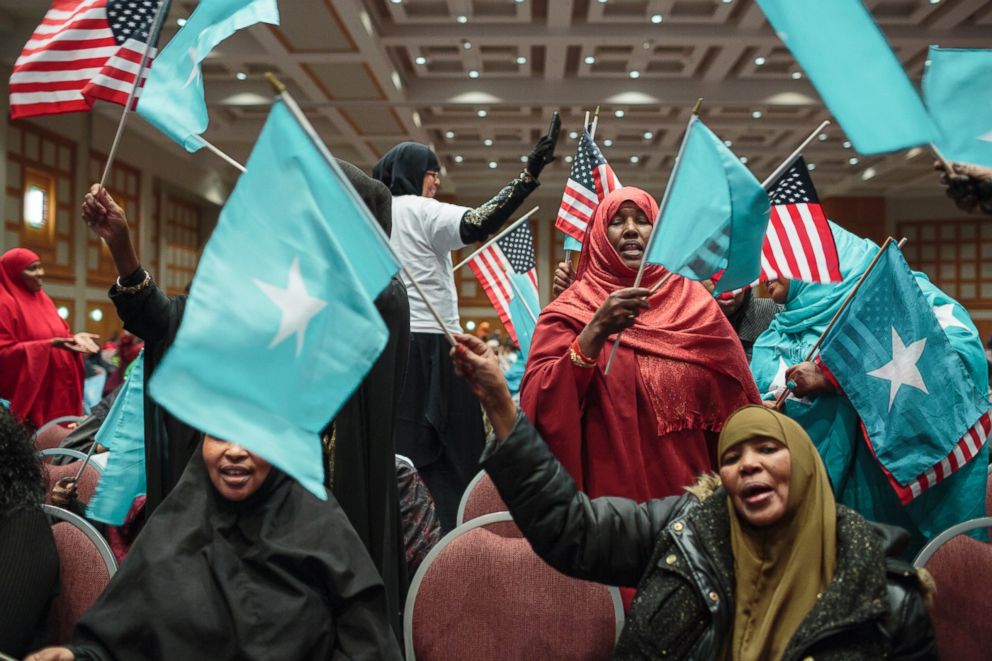
New Orleans Mayor-elect Helena Moreno said in a statement on Wednesday the operation had created a culture of fear among the city’s most vulnerable residents, describing the psychological impact of enforcement actions that extend beyond those actually detained. “We must do what we can to protect New Orleans and ensure due process is followed for all of our residents,” she declared, announcing an online portal for citizens to report abuse from federal immigration officers, establishing accountability mechanisms for enforcement activities within city boundaries.
Louisiana Governor Jeff Landry, a Republican, has supported federal immigration enforcement efforts, creating political division between state and local leadership regarding appropriate responses to federal operations. This jurisdictional tension reflects broader partisan splits on immigration policy and the proper balance between federal authority and local autonomy in managing diverse communities.
The Minneapolis and New Orleans operations represent implementation of Trump’s campaign promises to dramatically increase deportations, yet their execution raises fundamental questions about civil liberties, due process, and equal protection under law. Constitutional scholars note that while the federal government possesses broad authority over immigration enforcement, tactics that appear to target specific ethnic groups or punish cities based on their leaders’ political positions potentially violate constitutional principles.
The emphasis on criminal convictions in Homeland Security’s public messaging attempts to frame enforcement actions as public safety measures rather than ethnic targeting. However, the discretionary nature of deportation priorities means that officials choose which cases to pursue among millions of deportable individuals, making those selection criteria subject to scrutiny regarding potential bias or political motivation.
Minneapolis’s Somali population has contributed significantly to the regional economy through entrepreneurship, with Somali-owned businesses revitalizing commercial corridors that had experienced disinvestment. The community has also achieved notable political representation, including Representative Ilhan Omar’s historic election to Congress, demonstrating integration into American democratic processes. These accomplishments contrast sharply with Trump’s portrayal of Somalis as contributing nothing to American society.
The timing of enforcement actions immediately following inflammatory presidential rhetoric creates chilling effects throughout immigrant communities regardless of individual circumstances. Legal residents, naturalized citizens, and even native-born Americans from targeted ethnic groups report increased anxiety and altered daily behaviors to avoid potential encounters with immigration authorities, representing a form of collective punishment that extends far beyond criminal enforcement.
Immigration advocacy organizations have documented cases where U.S. citizens have been detained during immigration enforcement operations, sometimes for extended periods before their citizenship status is verified. These incidents raise concerns about whether aggressive enforcement tactics prioritize rapid arrests over careful verification of legal status, potentially violating constitutional rights of citizens caught in enforcement nets cast broadly across ethnic communities.
The international implications of targeting specific national origin groups through immigration enforcement potentially affect diplomatic relations and America’s global reputation regarding treatment of refugees and immigrants. Somalia remains a strategic partner for the United States in counterterrorism efforts against al-Shabab, making rhetoric and policies targeting Somali-Americans potentially counterproductive to foreign policy objectives requiring cooperation from diaspora communities.
The contrast between Homeland Security’s emphasis on criminal histories and community leaders’ characterization of indiscriminate targeting reflects fundamentally different perspectives on enforcement operations. Federal officials point to individual criminal records as justification, while local leaders and advocates argue that broader patterns of who gets targeted for enforcement despite millions of deportable individuals suggest discriminatory implementation of ostensibly neutral policies.
Mayor Frey’s call for Americans to “love and respect” the Somali community attempts to counter presidential rhetoric with an inclusive message emphasizing the community’s contributions and humanity. This rhetorical battle between federal and local leadership illustrates how immigration enforcement has become deeply politicized terrain where officials compete to define narratives about immigrant communities’ value and belonging in American society.
The legal framework governing immigration enforcement grants executive branch officials substantial discretion in setting priorities and allocating resources, making presidential statements potentially influential in shaping operational decisions even without formal policy directives. This dynamic raises accountability questions about whether enforcement patterns reflect professional law enforcement judgment or political pressures from executive leadership.
As these operations continue across multiple cities, immigrant communities face intensifying uncertainty while advocacy organizations mobilize legal resources and political pressure to protect vulnerable populations. The tension between federal enforcement authority and local resistance represents a constitutional conflict likely to generate ongoing litigation and political contestation throughout Trump’s term, with immigrant families bearing the immediate human costs of this ideological battle over America’s identity and values.




