

SEOUL, South Korea (BN24) — South Korea announced Sunday it has successfully negotiated a deal with the United States for the release of more than 300 South Korean workers detained in a massive immigration raid at a Hyundai electric vehicle manufacturing plant in Georgia.
Presidential chief of staff Kang Hoon-sik said South Korea and the United States had finalized negotiations on the workers’ release following intensive diplomatic efforts. The South Korean government plans to dispatch a charter plane to bring the detained workers home once remaining administrative procedures are completed, Kang announced.
The diplomatic breakthrough comes after U.S. immigration authorities conducted one of the largest workplace raids of the Trump administration’s mass deportation campaign. Federal agents detained 475 people during Thursday’s operation at Hyundai’s sprawling manufacturing complex in Georgia, where the Korean automaker produces electric vehicles. South Korean Foreign Minister Cho Hyun later confirmed that more than 300 South Koreans were among those detained.
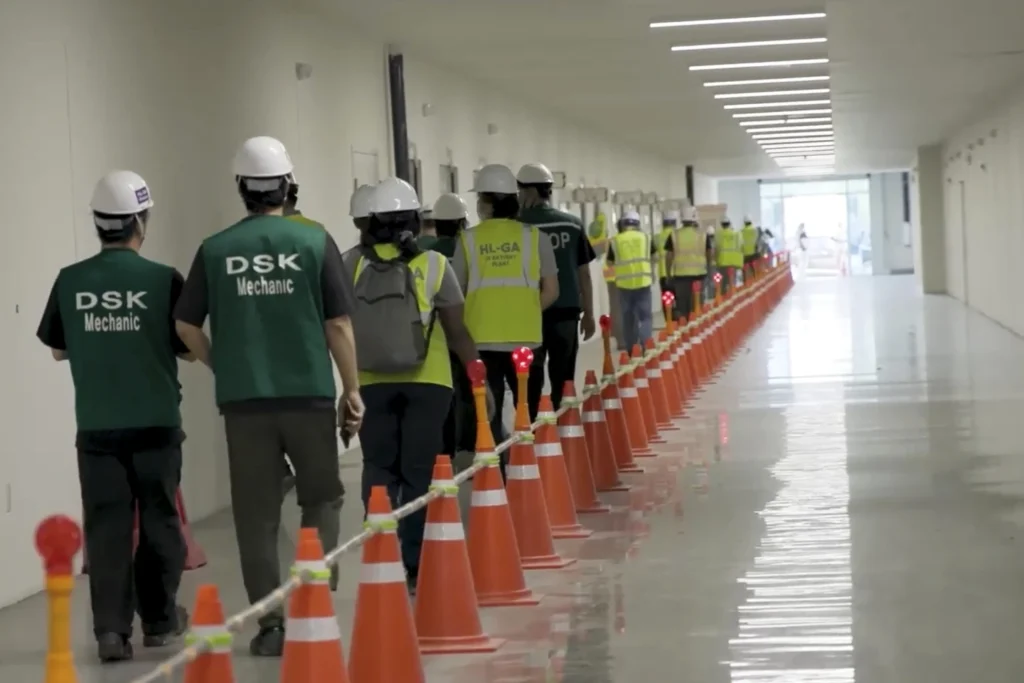
The raid targeted Hyundai’s partnership facility with LG Energy Solution, which produces batteries that power electric vehicles at a plant still under construction. Georgia state officials have long characterized the Hyundai project as the state’s largest economic development initiative, making Thursday’s operation particularly significant beyond its substantial scope.
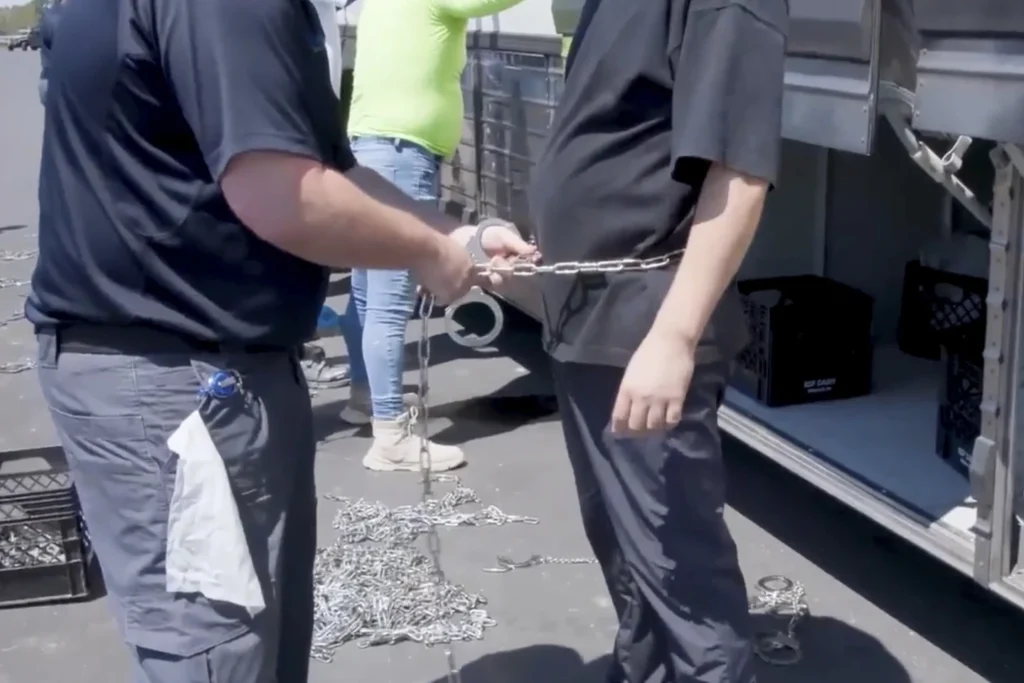
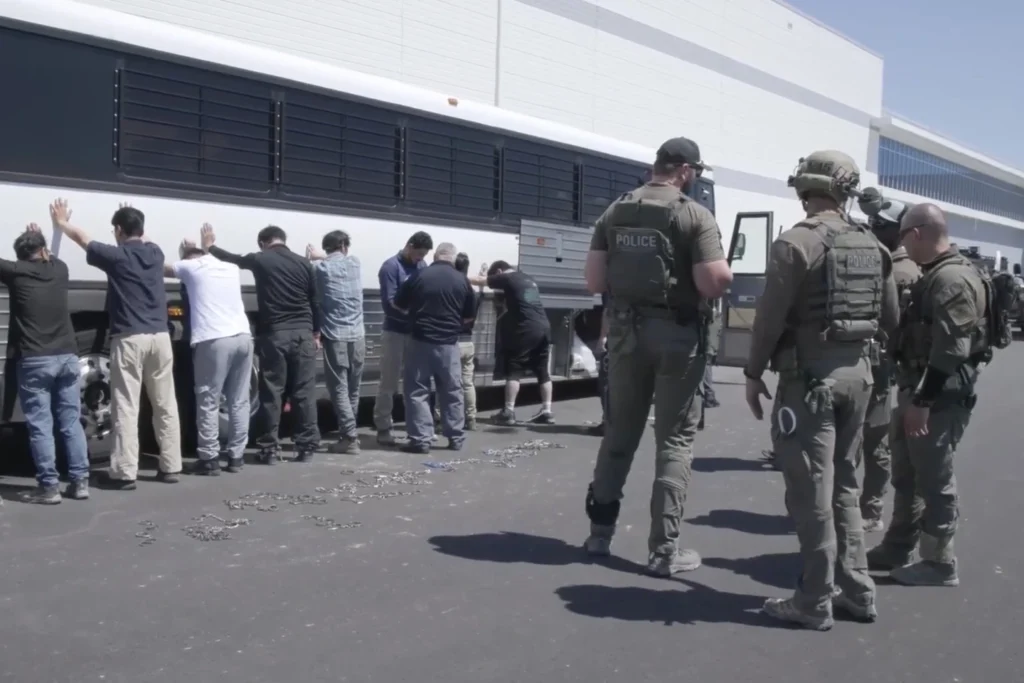
Video footage released Saturday by U.S. Immigration and Customs Enforcement captured the dramatic scene as a caravan of federal vehicles arrived at the manufacturing site. The footage showed agents directing workers to form lines outside the facility, with some detainees ordered to place their hands against buses while being searched and subsequently shackled around their hands, ankles and waist.
The operation represents the latest in an extensive series of workplace raids conducted under the Trump administration’s aggressive immigration enforcement policies. However, Thursday’s action stands apart due to its unprecedented scale and its targeting of a major manufacturing facility central to Georgia’s economic development strategy.
Most of the detained individuals were transported to an immigration detention center in Folkston, Georgia, located near the Florida state border. Steven Schrank, the lead Georgia agent for Homeland Security Investigations, confirmed during a Friday news conference that none of the detainees have been charged with criminal offenses, emphasizing that the investigation remains ongoing.
The South Korean government, maintaining its position as a close U.S. ally, responded swiftly to the detention of its citizens. Officials expressed “concern and regret” over the raid and immediately deployed diplomatic personnel to the Georgia site to assess the situation and advocate for their nationals.
The diplomatic intervention highlights the complex international implications of domestic immigration enforcement when it involves citizens of allied nations. South Korea’s ability to secure the workers’ release demonstrates the significant diplomatic leverage available to key U.S. partners in navigating immigration-related incidents involving their citizens.
The Hyundai facility has been central to Georgia’s efforts to establish itself as a major hub for electric vehicle production and clean energy manufacturing. The plant represents billions of dollars in foreign investment and has been promoted as a cornerstone of the state’s economic diversification strategy.
The raid’s impact extends beyond immediate immigration enforcement, potentially affecting ongoing international business relationships and foreign investment confidence in U.S. manufacturing partnerships. The incident underscores the intersection of immigration policy with economic development and international trade relationships.
Federal immigration authorities have not provided detailed information about the specific violations investigated at the Hyundai facility or the legal status of the detained workers. The absence of criminal charges suggests the focus remains on immigration status violations rather than broader criminal activity.
The successful diplomatic resolution may serve as a model for how allied nations can effectively advocate for their citizens caught in U.S. immigration enforcement operations. The rapid negotiation and agreement to repatriate the workers reflects the priority both governments place on maintaining strong bilateral relationships despite domestic policy implementations.
As the Trump administration continues its expanded immigration enforcement efforts, the Hyundai plant incident illustrates the potential for workplace raids to create significant diplomatic complications when targeting facilities with substantial foreign national workforces, particularly from allied countries.




