

In a landmark decision, The Gambia’s National Assembly has voted to maintain the ban on female genital mutilation (FGM), rejecting efforts to legalize the practice. This vote marks a significant victory for human rights activists and opponents of FGM, both within The Gambia and globally.

On Monday, lawmakers voted 34 to 19 against a bill that would have reversed the 2015 ban on FGM. The decision was met with celebration by activists like 29-year-old Absa Samba, who herself underwent the procedure at age 2. “There was a huge sense of relief,” Samba said, describing the moment the results were announced.
The Gambia’s decision holds particular significance as it could have become the first country to reverse its ban on FGM. With over 230 million women and girls worldwide having undergone FGM, according to UNICEF, The Gambia’s stance sends a strong message to other nations considering similar legislation.
Judy Gitau, regional Africa coordinator for Equity Now, noted, “The eyes of the world, indeed, were on The Gambia.” The vote is expected to influence discussions in nearby countries like Sierra Leone and Liberia, which are considering their own FGM bans.
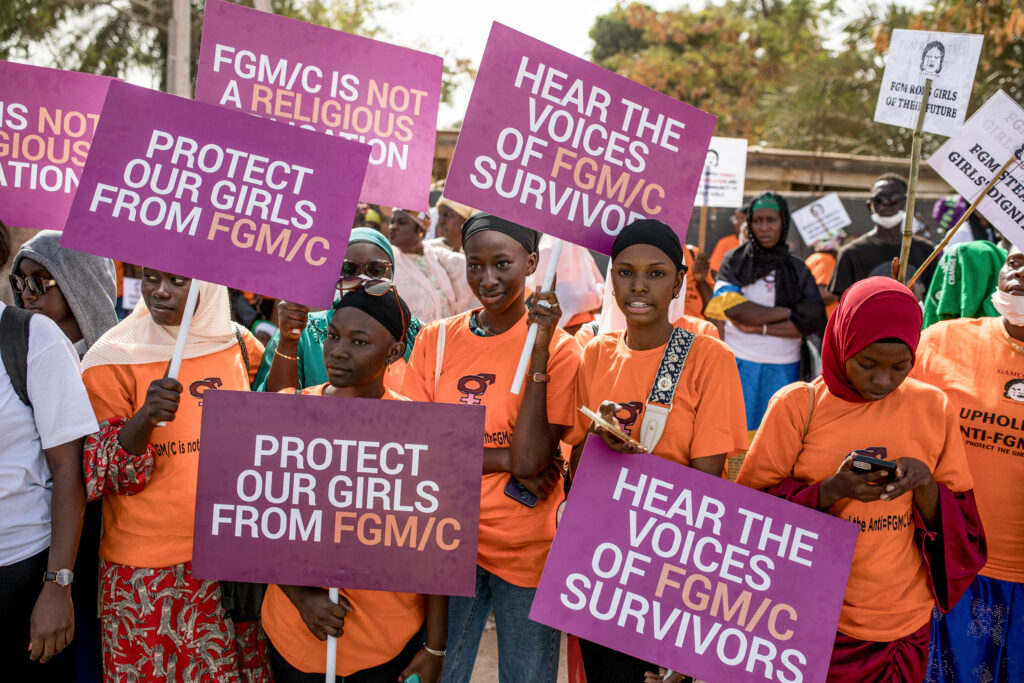
Despite the legislative victory, supporters of FGM, led by religious figures like Imam Abdoulie Fatty, continue to advocate for the practice. Fatty argued that the procedure is part of being Muslim, a claim disputed by many Islamic scholars.
The Gambia’s high FGM prevalence rate – 73% among women aged 19 to 49 – underscores the deep-rooted nature of the practice. Rose Sarr, the country representative for the United Nations Population Fund, acknowledges the challenges ahead: “We are talking about something that has been entrenched in tradition and practices for so long.”
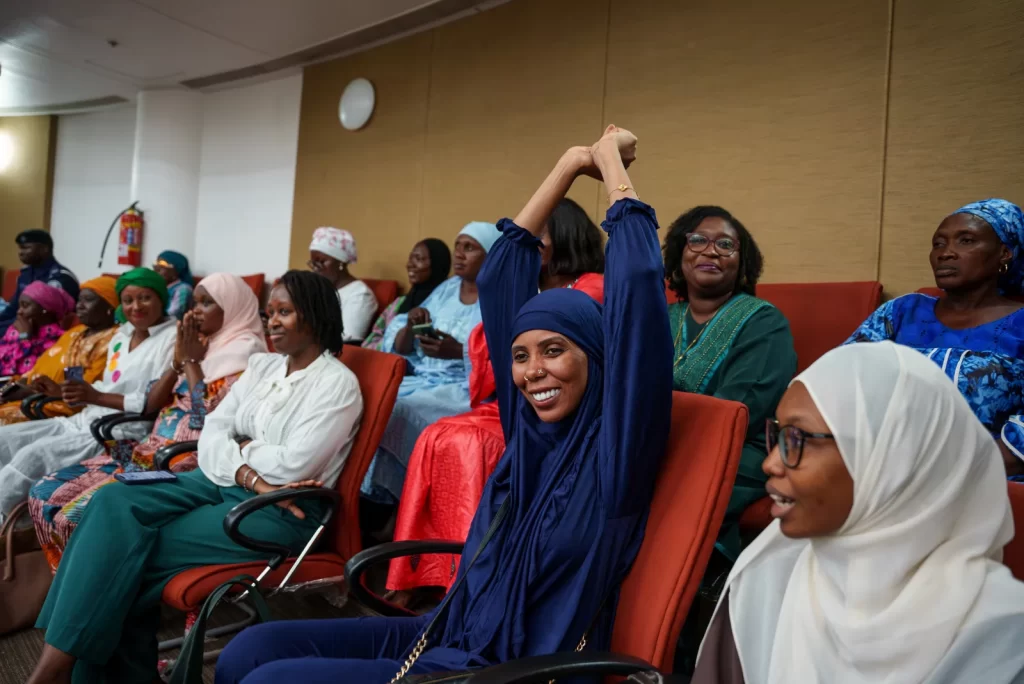
While enforcement of the ban remains a challenge, there are encouraging signs. The latest government survey found that 47% of Gambian women now believe FGM should not continue, a growing sentiment that activists hope will continue to spread.
The recent debate has also brought the topic of FGM into the open. “Before it was really something that would not be debated,” Sarr notes. “Women would suffer in silence.”
As The Gambia moves forward with its ban on FGM intact, the focus now shifts to enforcement and changing social norms. Activists and international organizations emphasize the need for continued education and awareness campaigns to complement legal measures.
This vote represents not just a legal victory, but a pivotal moment in The Gambia’s ongoing efforts to protect women’s rights and health. As the world watches, The Gambia’s stance on FGM could serve as a model for other nations grappling with similar cultural and human rights issues.
Source: npr.org




