

Scripture Focus: “And Abraham built an altar there and called on the name of the Lord.” — Genesis 12:8 (NKJV)
In every generation, God has sought people who would walk with Him, hear His voice, and partner with Him on earth. One consistent pattern we see throughout Scripture is this: wherever God revealed Himself, an altar was built. An altar represents a meeting point between heaven and earth. It is a place of surrender, communion, sacrifice, and divine encounter. Today, though the form has changed, the principle remains. Every believer needs a prayer altar.
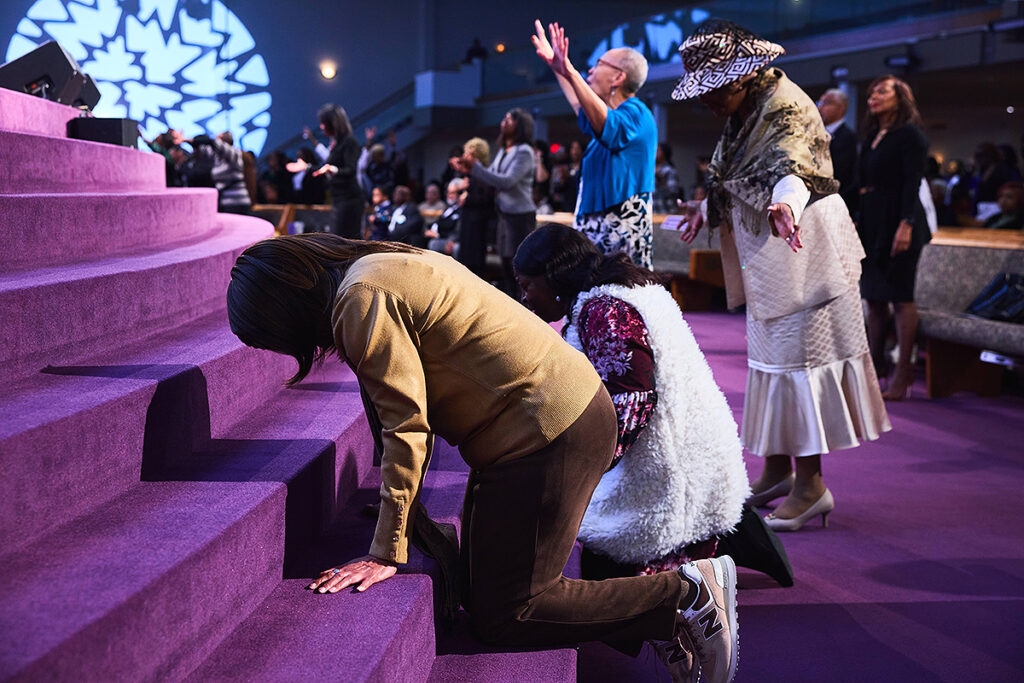
A prayer altar is not merely a physical structure. It is a designated place and commitment to daily communion with God. It is where a believer consistently meets God in prayer, worship, and the Word. In a distracted, noisy, and spiritually hostile world, the prayer altar is no longer optional—it is essential.
The Biblical Foundation of the Altar
From Genesis to Revelation, altars play a central role in humanity’s relationship with God. Noah built an altar after the flood, and God responded with a covenant (Genesis 8:20–22). Abraham built altars wherever God appeared to him, and his life became marked by divine guidance and blessing (Genesis 12:7–8). Elijah repaired the broken altar on Mount Carmel before the fire of God fell (1 Kings 18:30–38).
In the New Testament, though we no longer offer animal sacrifices, our lives have become living sacrifices (Romans 12:1). Prayer becomes our spiritual incense, rising continually before God (Revelation 8:3–4). A prayer altar, therefore, is the place where our lives are continually yielded to God.
Why Every Believer Needs a Prayer Altar
First, a prayer altar establishes spiritual order. When prayer has a fixed place in your life, God takes His rightful position as Lord. Jesus Himself modeled this. Despite His busy ministry, He often withdrew to solitary places to pray (Luke 5:16). If the Son of God needed a prayer altar, how much more do we?
Second, a prayer altar sustains spiritual fire. In Leviticus 6:13, God commanded that the fire on the altar must never go out. Spiritual coldness does not begin suddenly; it begins when prayer becomes irregular. A maintained prayer altar keeps your heart sensitive, your faith strong, and your spirit alert.
Third, a prayer altar becomes a place of divine instruction and clarity. Many believers struggle with confusion because they make decisions without seeking God. At the altar, God gives direction, correction, and confirmation. “Call to Me, and I will answer you, and show you great and mighty things which you do not know” (Jeremiah 33:3).
The Altar as a Place of Power and Victory
Spiritual battles are not won in public—they are won at the altar. Jesus overcame temptation in the wilderness because He was full of the Spirit and anchored in prayer (Matthew 4:1–11). The early church prevailed in persecution because they continued steadfastly in prayer (Acts 2:42).
When the prayer altar is weak, spiritual defenses collapse. Families suffer, destinies stagnate, and believers become vulnerable. But when the altar is strong, grace flows, strength is renewed, and victories are enforced.
Repairing the Broken Altar
Many believers once had vibrant prayer lives but have allowed their altars to fall into disrepair. Like Elijah, the call today is to repair the altar of the Lord. This requires repentance, renewed discipline, and intentionality. Prayer is not sustained by feelings; it is sustained by commitment.
God is not looking for perfection—He is looking for consistency. Even short, sincere prayers offered daily at a dedicated altar will transform your spiritual life over time.
Practical Steps to Build a Prayer Altar
Building a prayer altar begins with choosing a place and a time. It may be a corner of your room, a chair, or a quiet space—what matters is consistency. Set aside daily time for prayer, worship, and Scripture meditation. Guard that time jealously.
Approach the altar with reverence, honesty, and expectation. Come not only to ask but also to listen. The altar is a place of dialogue, not monologue.
In a generation marked by distraction, prayerlessness, and spiritual fatigue, God is calling His people back to the altar. The prayer altar is where intimacy with God is cultivated, power is released, and destinies are shaped.
May you rebuild, protect, and prioritize your prayer altar. For it is there that heaven touches earth, weakness is exchanged for strength, and ordinary lives become vessels of extraordinary grace.
“Draw near to God and He will draw near to you.” — James 4:8




