

Thousands of Kenyans gathered Thursday at Nairobi’s main airport to receive the body of former Prime Minister Raila Odinga, one of Africa’s most prominent political figures, a day after his death in India.
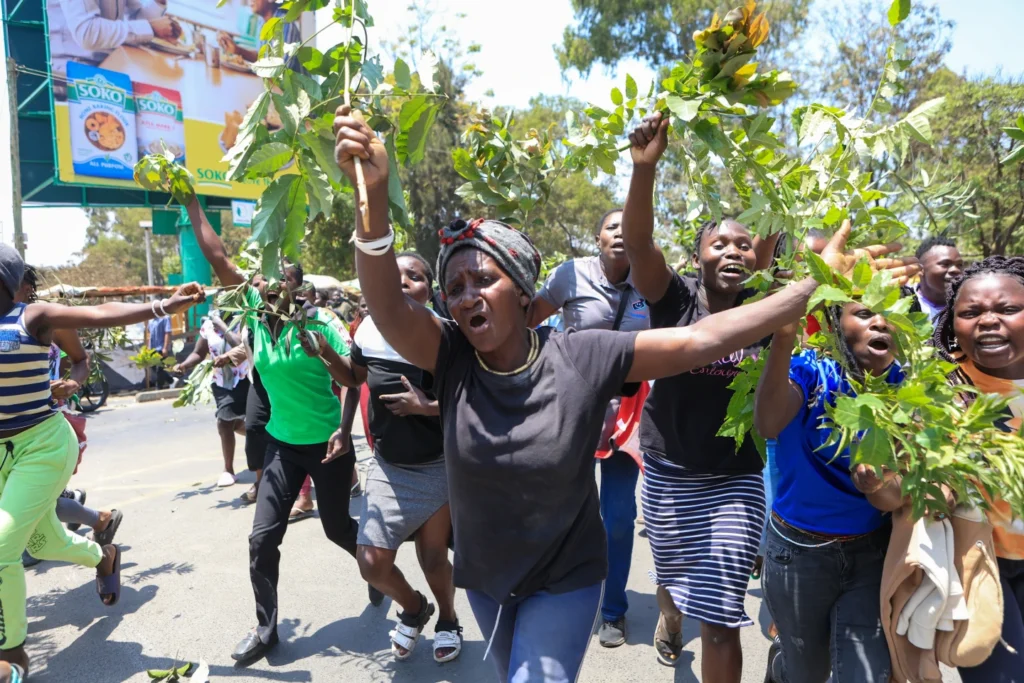
Odinga’s body arrived on a chartered flight and received a ceremonial water salute on the runway. Crowds of mourners lined the airport grounds to pay their respects before the body was transported to the national parliament for a public viewing scheduled in the afternoon.
Odinga, widely revered for his decades-long struggle for democracy and political reform, died Wednesday after collapsing during a morning walk in India’s Kerala State. Efforts to revive him at a local hospital were unsuccessful.
The Kenyan government announced that Odinga will be honored with a state funeral, including final rites on Sunday in his hometown of Bondo, located in the country’s western region. In accordance with his wishes, the burial will take place within 72 hours — an unusual practice for a national leader in Kenya.
Friday has been declared a public holiday to allow Kenyans to attend a state funeral service at a football stadium in Nairobi. A second public viewing is planned for Saturday in Kisumu County, near Odinga’s rural home.
President William Ruto, who defeated Odinga in the 2022 election but later formed a political pact with him that brought opposition figures into the Cabinet, led the nation in mourning. He declared seven days of national mourning, describing Odinga as “a patriot of uncommon courage, a pan-Africanist, a unifier who sought peace and unity above power and self-gain.”
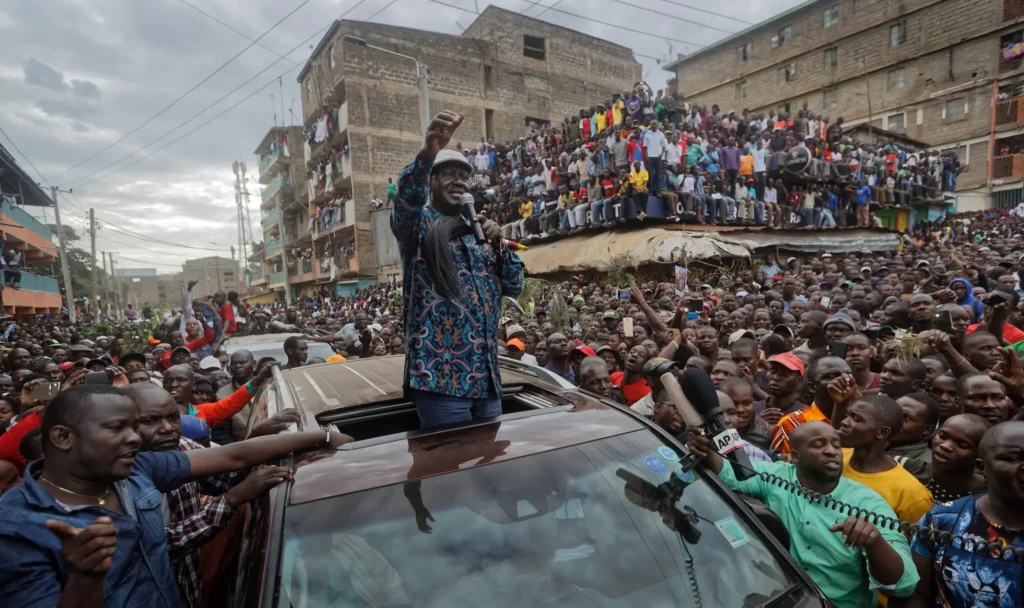
Odinga’s political career spanned more than three decades, during which he ran for president five times. His closest bid came in 2007, when he narrowly lost to incumbent President Mwai Kibaki in a disputed election that triggered widespread ethnic violence.
From 2008 to 2013, Odinga served as Kenya’s prime minister in a unity government brokered by the international community. He remained a central figure in Kenyan politics, challenging electoral outcomes and pushing for reforms. In 2017, Kenya’s Supreme Court nullified a presidential election for the first time in Africa following his petition, though he boycotted the subsequent rerun.
Despite never winning the presidency, Odinga was widely regarded as a statesman whose activism and leadership helped shape Kenya’s transition to a vibrant multiparty democracy. His death marks the end of an era in the nation’s political landscape, drawing tributes from across Africa and beyond.
AP




