

Toronto police have arrested a caregiver on multiple assault charges after he allegedly attacked vulnerable adults during a month-long employment period at an East York group home, authorities said Wednesday.
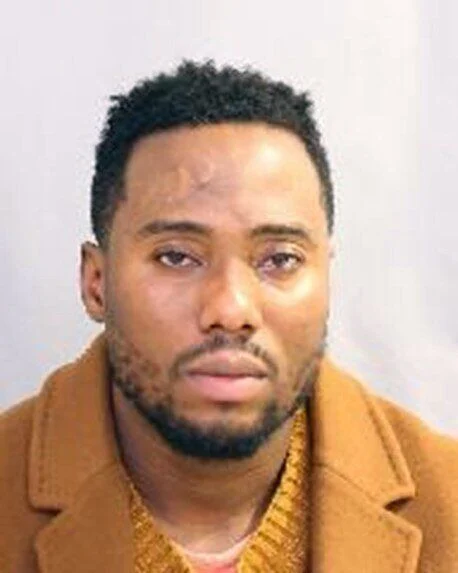
Oghenemaro Dave Ejerua, 38, of Toronto, faces seven counts of assault stemming from incidents that occurred between Nov. 1 and Nov. 30, 2025, at a residential facility in the Sibley Avenue and Dentonia Park Avenue area. The Toronto Police Service took Ejerua into custody following a manhunt that began after officers responded to an assault call at approximately 9 a.m. on Dec. 10.
The Toronto Police Service said in a statement posted to its website that investigators determined Ejerua had been employed as a caregiver at the group home during the period when the alleged assaults took place. The facility houses vulnerable adults who require assistance with daily living activities, making residents particularly defenseless against potential abuse from those entrusted with their care.
“It is alleged that the suspect was employed as a caregiver at a group home for vulnerable adults between November 1 and November 30, 2025,” the police statement said. “During this period, the accused committed a series of assaults on the residents of the home.”
The case highlights ongoing concerns about safeguarding vulnerable populations in residential care settings, where dependence on caregivers creates inherent power imbalances that can enable abuse. Group homes serving adults with disabilities, cognitive impairments or advanced age rely on staff integrity and proper oversight to protect residents who may lack capacity to report mistreatment or defend themselves against attacks.
Authorities declared Ejerua wanted in December 2025 after investigating the initial assault report. The Toronto Star, a local news outlet, published details of the manhunt, describing the suspect as five feet eight inches tall with a medium build, curly black hair and black facial hair. Police released a photograph of Ejerua as they sought public assistance in locating him.
The gap between when the alleged assaults occurred in November and when police responded to the first report in December raises questions about detection mechanisms within group home environments. Whether residents reported abuse that went unaddressed, whether injuries were initially attributed to other causes or whether the full scope of alleged misconduct only became apparent through subsequent investigation remains unclear from available information.
Ejerua appeared before the Ontario Court of Justice at 10 Armoury Street on Wednesday, Jan. 7, 2026, at 10 a.m. in room 106 for his scheduled court date. The judicial process will now determine whether sufficient evidence exists to proceed with prosecution on the seven assault charges.
The Nigerian national’s arrest marks another instance of caregiver misconduct allegations involving members of Toronto’s Nigerian community. PUNCH Metro, a Nigerian news outlet, reported that this case follows the December arrest of Babatunde Afuwape, a 28-year-old Nigerian charged with murder in connection with the death of Shivank Avasthi, a 20-year-old university student killed on Dec. 23, 2025.
These incidents, while involving individuals from the same national origin, should not suggest broader patterns within any immigrant community. Criminal behavior reflects individual choices rather than ethnic or national characteristics, and the vast majority of Nigerian immigrants in Canada contribute positively to their communities through lawful employment and civic participation.
The caregiver profession attracts workers from diverse backgrounds, including many immigrants seeking employment opportunities in Canada’s healthcare and social services sectors. The work involves intimate contact with vulnerable individuals, requiring trustworthiness, patience and genuine concern for clients’ wellbeing. Most caregivers perform these demanding duties with professionalism and compassion, making cases of abuse particularly disturbing betrayals of the trust placed in those roles.
Group homes in Ontario operate under provincial regulations designed to protect residents through staff screening, training requirements and oversight mechanisms. Background checks, reference verification and other hiring safeguards aim to identify individuals unsuitable for positions of trust with vulnerable populations. Despite these protections, some unsuitable candidates inevitably slip through screening processes, or behavioral problems emerge only after employment begins.
The alleged series of assaults over a month-long period suggests either that detection systems failed to identify concerning incidents or that abuse escalated gradually in ways that initially avoided notice. Modern group homes often employ surveillance cameras in common areas, incident reporting protocols and regular resident wellness checks, though privacy considerations and resource limitations can create gaps in monitoring.
Families placing loved ones in group home care face the difficult reality that they must trust strangers with individuals who cannot fully protect themselves. Regular family visits, communication with facility administrators and attention to unexplained injuries or behavioral changes can help identify problems, though many families live at distances that make frequent in-person contact challenging.
The seven assault charges suggest multiple separate incidents or victims, though precise details about the nature and severity of the alleged attacks have not been disclosed publicly. Assault charges in Canada can range from minor physical contact to serious violence causing injury, with penalties varying accordingly. The accumulation of seven distinct charges indicates a pattern of alleged behavior rather than a single incident.
For the residents allegedly victimized, the assaults represent profound violations of safety within what should be a protective environment. Vulnerable adults placed in group homes often have experienced trauma, health challenges or life circumstances that already diminish their sense of security. Abuse by caregivers compounds these vulnerabilities and can create lasting psychological harm alongside any physical injuries sustained.
The facility where the alleged assaults occurred has not been publicly identified, likely to protect resident privacy and prevent stigmatization that might affect individuals currently receiving care there. However, the lack of public identification also prevents families researching group home options from making informed decisions about facility safety records.
Toronto Police asked anyone with information about the case to contact investigators at 416-808-5500 or reach Crime Stoppers anonymously at 416-222-TIPS (8477) or through 222tips.com. The public appeal suggests authorities believe additional information about the incidents may exist beyond what has already been reported.
The investigation’s outcome will carry implications extending beyond this specific case. Successful prosecution might identify systemic failures in hiring, supervision or incident response that permitted the alleged abuse to continue for a month. Conversely, acquittal would raise questions about how assault allegations arose and whether investigative or charging decisions were premature.
Regardless of the individual case’s resolution, the broader challenge of protecting vulnerable adults in care settings remains constant. Regulatory frameworks, facility policies and family vigilance all contribute to resident safety, yet no system proves entirely foolproof against individuals determined to abuse positions of trust.
For Toronto’s Nigerian community, these high-profile criminal cases involving community members create uncomfortable scrutiny and potential stereotype reinforcement. Community leaders often emphasize that criminal behavior by individuals should not reflect on ethnic groups as a whole, while simultaneously working to address any underlying factors that might contribute to such incidents.
The case serves as a reminder that caregiver positions demand not only skills and credentials but fundamental human decency and respect for the vulnerable individuals entrusted to their care. Most who enter these professions do so with genuine desire to help others, making the alleged actions attributed to Ejerua particularly disturbing departures from professional and ethical norms.
Punchng/TorontoStar




