

WASHINGTON (BN24) — In an unprecedented legal maneuver, the Trump administration has filed suit against all 15 federal judges in Maryland, escalating its fight with the judiciary over immigration policy. The lawsuit, lodged Tuesday, seeks to overturn a standing order issued by Chief Judge George L. Russell III that temporarily halts the deportation of migrants who file habeas corpus petitions in federal court.
The order, issued in May, mandates that immigrants who challenge their detention cannot be removed from the United States until 4 p.m. on the second business day after filing. The administration argues that this rule directly contradicts a Supreme Court ruling and undermines President Donald Trump’s constitutional authority to enforce immigration laws.
“It’s an extraordinary step,” said Laurie Levenson, a legal scholar at Loyola Law School. “Suing an entire federal bench is unheard of—and a clear escalation in the Justice Department’s campaign against judicial intervention.”
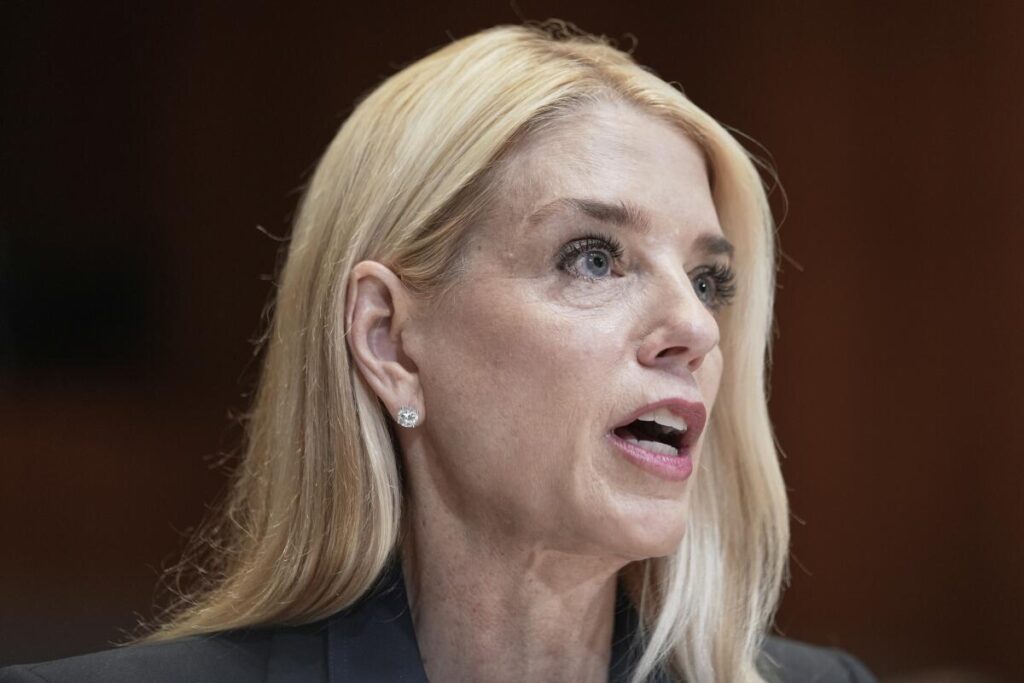
The lawsuit underscores the administration’s growing frustration with what it views as judicial overreach that has repeatedly thwarted its hardline immigration agenda. “President Trump’s authority has been undermined since the first day of his presidency by a torrent of court injunctions,” Attorney General Pamela Bondi said in a statement Wednesday. “This is not just a legal fight—it’s a defense of the democratic will of the American people.”
Chief Judge Russell’s order was aimed at preserving due process for detained migrants, ensuring access to legal counsel, and maintaining the court’s jurisdiction while allowing the government time to formally respond. However, the Justice Department dismissed the order as a sweeping and “lawless” injunction that enjoins executive action without case-by-case analysis.
In its complaint, the Trump administration is asking that all Maryland federal judges recuse themselves from the matter and that a judge from another state be assigned. A spokesperson for the Maryland district court declined to comment.
Legal experts say the suit signals an erosion of long-standing norms. James Sample, a constitutional law professor at Hofstra University, said the Justice Department’s move circumvents typical procedure. “Ordinarily, losing parties appeal injunctions—they don’t sue the court,” he said. Still, he noted, the administration’s repeated transfer of detainees before they could seek relief left the judiciary few alternatives. “The court’s response was cautious and justified,” Sample said.
Among the judges named in the suit is U.S. District Judge Paula Xinis, who earlier this year ruled that the government’s deportation of Kilmar Abrego Garcia to El Salvador violated court orders. The administration admitted the deportation was a mistake, and a Justice Department attorney later fired in connection with the case filed a whistleblower complaint alleging that top officials had discussed ignoring court directives.
Abrego Garcia was returned to the U.S. earlier this month and charged with smuggling. Though prosecutors sought to detain him pretrial, a judge allowed his release pending further proceedings.
The administration’s sweeping lawsuit comes amid a wider confrontation with federal courts. President Trump has previously railed against judicial rulings, once even suggesting the impeachment of a D.C. judge who ordered deported migrants returned to the U.S.—a move sharply rebuked by Chief Justice John Roberts, who said impeachment is not an appropriate remedy for legal disagreement.
Defense of the Maryland order by the court emphasized its intent to maintain legal clarity and procedural fairness amid an influx of emergency filings. The order, later amended, cited repeated instances where the government failed to provide timely information on petitioners’ whereabouts and legal status.
Still, the Justice Department insists the court cannot unilaterally freeze deportations. “This is a textbook case of judicial overreach,” Bondi said, vowing to continue pressing the matter in federal court.




