

Washington (BN24) – President Donald Trump has moved to block $4.9 billion in foreign aid approved by Congress, invoking a rarely used budget maneuver last attempted nearly half a century ago.
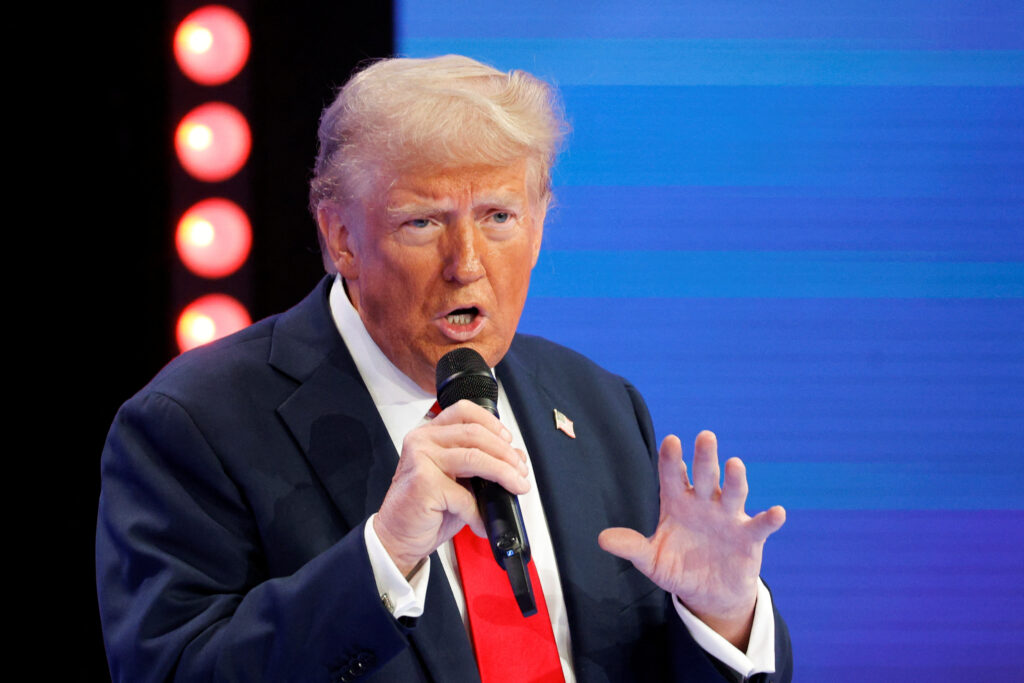
In a letter sent Thursday to House Speaker Mike Johnson, R-La., Trump said he would employ a “pocket rescission,” a tactic that prevents funds from being spent if Congress cannot act within a 45-day window at the close of the fiscal year. The fiscal year ends Sept. 30, leaving no time for lawmakers to respond before the money lapses.
The letter, released Friday by the White House Office of Management and Budget, specified that the cuts would come from the State Department and the U.S. Agency for International Development (USAID), which has long been a target of Trump’s efforts to curtail foreign aid.
If standardized, the maneuver could allow Trump to bypass Congress on federal spending decisions, challenging the balance of power and raising the risk of disruption to the government’s funding process in October. Critics warn it could set a precedent for the White House to exert unilateral authority over congressional appropriations.
The last known use of a pocket rescission came in 1977 under President Jimmy Carter, though Trump officials argue the law permits the practice even with questions about its original intent. Under the 1974 Impoundment Control Act, the president can propose rescinding funds, but Congress must approve within 45 days. By timing the proposal near the fiscal year’s end, the White House contends the funds expire automatically.
The package Trump is targeting includes $3.2 billion in development grants, $520 million for the United Nations, $838 million for international peacekeeping, and $322 million to promote democratic institutions abroad. Earlier this year, the administration also announced plans to shut down most of USAID’s foreign assistance programs, shifting what remains to the State Department. Secretary of State Marco Rubio confirmed Friday that the agency is “in close out mode,” praising White House budget director Russ Vought for leading the transition.
The move sparked immediate backlash from both parties in the Senate. Sen. Susan Collins, R-Maine, said the Constitution clearly grants Congress control of federal spending and warned that bypassing lawmakers would violate the law. Senate Majority Leader Chuck Schumer, D-N.Y., accused Trump of attempting to “circumvent Congress altogether,” warning that the maneuver could derail negotiations to avert a government shutdown at the end of September.
Legal experts also raised alarms. Eloise Pasachoff, a Georgetown University law professor who specializes in federal spending, has written that the Impoundment Control Act requires Congress to act on rescission requests, leaving no authority for the White House to block spending unilaterally.
The Trump administration has made deep cuts to foreign aid a central policy goal, arguing that programs have strayed from U.S. interests. In July, Congress approved $9 billion in rescissions backed by Trump, which slashed funds for public broadcasting and international assistance.
While the foreign aid cuts would provide modest savings compared to the federal deficit, they could damage U.S. credibility abroad by halting support for humanitarian relief and democracy programs. Millions of people worldwide depend on aid that now hangs in limbo as Trump tests the limits of presidential power.




