

The Trump administration has recalled US Ambassador to Nigeria Richard Mills as part of a sweeping diplomatic reorganization removing nearly 30 career diplomats from ambassadorial positions worldwide, marking a significant shift in American foreign policy representation that disproportionately affects Africa.
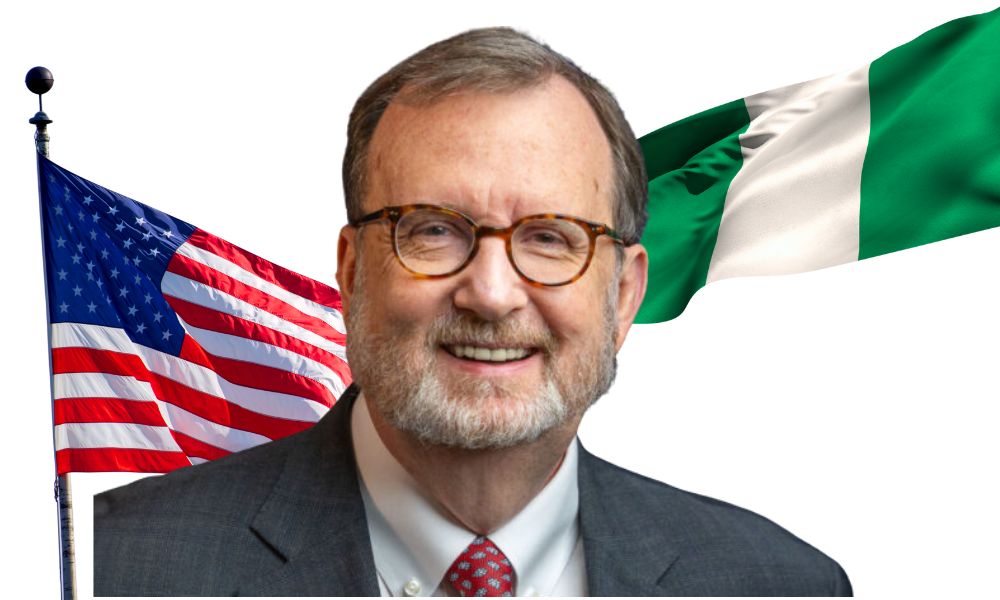
Mills and at least 28 other chiefs of mission were notified last week that their tenures would conclude in January, according to two State Department officials who spoke on condition of anonymity to discuss internal personnel moves. The Associated Press confirmed that all affected ambassadors had assumed their posts during the Biden administration but had survived an initial purge earlier in Trump’s second term that primarily targeted political appointees.
The recall represents a notable disruption in US-Nigeria relations at a critical juncture when the West African nation serves as a key American partner in regional security, economic collaboration and development initiatives. Nigeria, Africa’s most populous country and largest economy, plays a pivotal role in counterterrorism efforts against Boko Haram and Islamic State affiliates, making continuity in diplomatic leadership particularly significant for ongoing security cooperation.
Africa emerged as the continent most affected by the removals, with ambassadors from 13 countries being recalled: Burundi, Cameroon, Cape Verde, Gabon, Ivory Coast, Madagascar, Mauritius, Niger, Nigeria, Rwanda, Senegal, Somalia and Uganda, Politico first reported. The concentration of recalls across African nations raises questions about the administration’s strategic priorities regarding a continent where China and Russia have significantly expanded their diplomatic and economic footprint in recent years.
Asia follows with ambassadorial changes affecting six countries: Fiji, Laos, the Marshall Islands, Papua New Guinea, the Philippines and Vietnam. Four European nations (Armenia, Macedonia, Montenegro and Slovakia) are impacted, along with two each in the Middle East (Algeria and Egypt), South and Central Asia (Nepal and Sri Lanka), and the Western Hemisphere (Guatemala and Suriname).
The State Department defended the wholesale changes Wednesday, characterizing them as “a standard process in any administration.” Officials emphasized that ambassadors serve at the pleasure of the president and exist as personal representatives expected to advance current administration policies.
“An ambassador is a personal representative of the president, and it is the president’s right to ensure that he has individuals in these countries who advance the America First agenda,” the State Department stated, according to Punchng.
The recalled diplomats are not losing their foreign service positions and will return to Washington for alternative assignments should they wish to accept them, officials confirmed. However, the abrupt nature of the notifications and the January termination timeline have sparked concern among lawmakers and the American Foreign Service Association, which represents US diplomats.
Ambassadors typically remain at their posts for three to four years regardless of administration changes, with career diplomats valued for their institutional knowledge, regional expertise and relationships cultivated over years of service. The simultaneous removal of nearly 30 career professionals represents a departure from traditional diplomatic practice and signals the administration’s determination to install personnel fully aligned with its foreign policy vision.
The timing of Mills’ recall carries particular implications for Nigeria, where the United States maintains substantial interests spanning counterterrorism, energy security, trade relations and democracy promotion. Nigeria faces multiple security challenges including insurgencies in the northeast, communal violence in the Middle Belt region, and criminal networks operating across the Niger Delta and northwestern states.
American diplomatic engagement has focused on supporting Nigerian security forces, promoting good governance, combating corruption and facilitating bilateral trade relationships. The departure of an experienced ambassador mid-mission could create gaps in institutional knowledge and relationship continuity at a moment when coordinated responses to regional security threats demand sustained diplomatic attention.
The broader shake-up reflects the Trump administration’s emphasis on loyalty and ideological alignment over traditional foreign service expertise. While presidents possess authority to appoint and remove ambassadors, the scale of simultaneous career diplomat removals is unusual and has generated criticism from foreign policy professionals who warn that political considerations should not override diplomatic competence and regional knowledge.
Critics argue that replacing experienced career diplomats with political appointees potentially lacking relevant expertise or language skills undermines America’s diplomatic effectiveness. Career foreign service officers typically possess deep understanding of host countries’ political dynamics, cultural contexts and key relationships built over extended periods—assets that cannot be quickly replicated by newcomers regardless of their political alignment.
The American Foreign Service Association has expressed concern about the removals, though it declined to comment specifically on individual cases. The union representing US diplomats has historically advocated for the value of career professionals in maintaining diplomatic continuity across administration changes.
For Nigeria, the ambassadorial transition occurs as the country navigates complex domestic challenges including economic reform, security sector restructuring and preparations for its 2027 presidential elections. The United States has invested significantly in supporting Nigerian democratic institutions, judicial reform and civil society organizations—programs requiring sustained diplomatic engagement and relationship management.
The Trump administration has signaled intentions to recalibrate America’s global diplomatic posture, emphasizing bilateral relationships that deliver clear benefits to American interests while questioning multilateral commitments and foreign aid programs. How this approach manifests in US-Africa policy specifically remains to be determined, though the concentration of ambassadorial removals across the continent suggests potential shifts in engagement priorities.
Nigeria’s strategic importance to the United States extends beyond security cooperation to include energy partnerships, as the country historically ranked among America’s top African oil suppliers before domestic shale production reduced import dependence. With global energy markets in flux and African nations increasingly courted by competing powers, maintaining robust diplomatic representation serves American economic and strategic interests.
The State Department has not announced replacements for Mills or other recalled ambassadors, leaving uncertainty about when new chiefs of mission might arrive at their posts. The intervening period will likely see deputy chiefs of mission or chargés d’affaires managing embassy operations—capable professionals but lacking the authority and access that ambassadorial rank provides in engaging host government leadership.
The diplomatic shake-up exemplifies the Trump administration’s broader approach to government: asserting presidential authority, prioritizing loyalty over conventional qualifications and disrupting established institutional practices in pursuit of policy objectives. Whether this approach enhances or diminishes American diplomatic effectiveness will become apparent as new ambassadors assume their posts and embassy operations adapt to leadership transitions.
For career foreign service officers observing these developments, the removals send signals about the administration’s expectations and the relative value placed on professional expertise versus political alignment. The willingness to simultaneously recall nearly 30 career ambassadors suggests that traditional pathways to senior diplomatic positions may face fundamental restructuring under current leadership.
As Mills prepares to depart Nigeria and embassy staff anticipate new leadership, the bilateral relationship enters a period of uncertainty. The strength of institutional ties between the two countries—spanning security cooperation, economic engagement and people-to-people connections—should provide some continuity. However, effective diplomacy depends substantially on personal relationships and deep contextual knowledge that ambassadors cultivate, making leadership transitions inherently disruptive regardless of circumstances.
The coming months will reveal whether the Trump administration’s approach to diplomatic appointments strengthens America’s global position by ensuring ideological coherence, or whether the removal of experienced career professionals undermines diplomatic effectiveness in countries where nuanced understanding and established relationships prove essential to advancing American interests.
AP/Punchng




