

WASHINGTON (BN24) — President Donald Trump’s vow to impose a 50% tariff on a wide range of Brazilian imports could soon make American breakfast costlier, potentially driving up prices of staples like coffee and orange juice if negotiators fail to reach an agreement by Aug. 1.
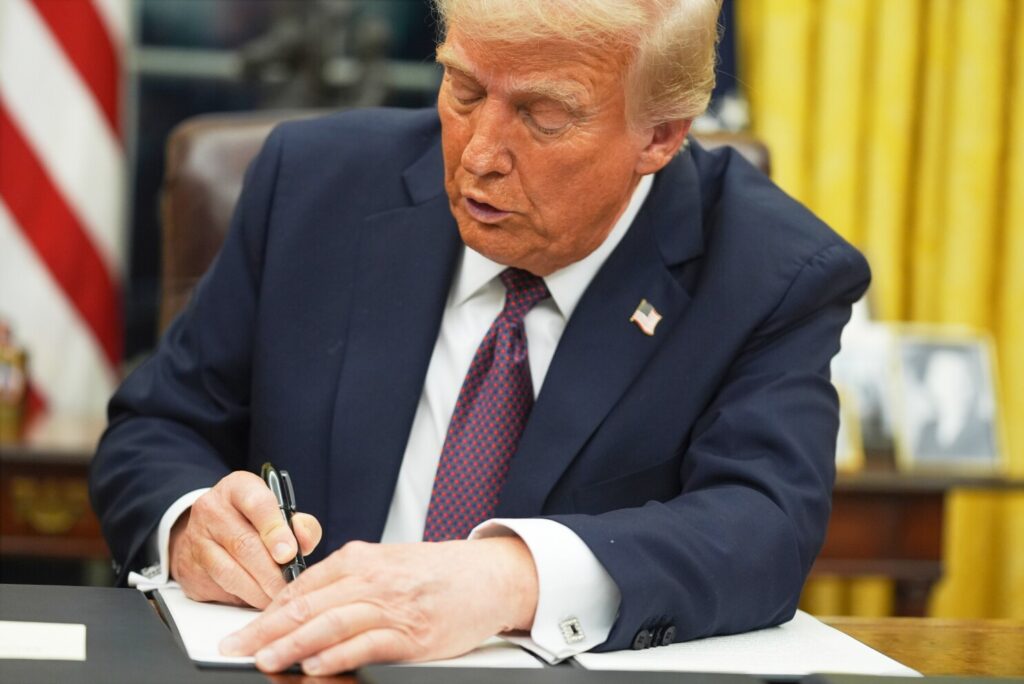
Trump announced the tariff escalation Wednesday, targeting goods including Brazilian beef, citrus juice, and aircraft in a move that Brazilian President Luiz Inácio Lula da Silva quickly condemned and pledged to match.
The tariffs represent a sharp escalation of a trade dispute that began when Trump imposed an initial 10% levy on Brazilian products in April. While that first round spared Brazil the steepest penalties applied to countries like China and Canada, the new 50% duty now positions Brazil among the hardest hit by the administration’s trade measures.
The White House framed the decision as partly political, citing Brazil’s Supreme Court prosecution of former President Jair Bolsonaro—an ally of Trump—and its legal efforts against U.S.-based social media companies accused of flouting local laws.
But the consequences are likely to be felt most immediately in American kitchens. Brazil is the top global producer of coffee, supplying roughly 30% of U.S. imports. Citrus juice is similarly vulnerable, with about 60% of American imports of orange juice coming from Brazil.
“About 40% of Brazil’s orange juice exports go to the U.S., and nearly every American brand depends on that supply,” said Ibiapaba Netto, director of the Brazilian association for citrus juice exporters. “They don’t have anywhere else to find our product. This isn’t going to strengthen Florida juice producers — it will just make everyone’s breakfast more expensive.”
Netto said the disruption could impact roughly 3 billion liters of Brazilian juice shipped to the U.S. each year.
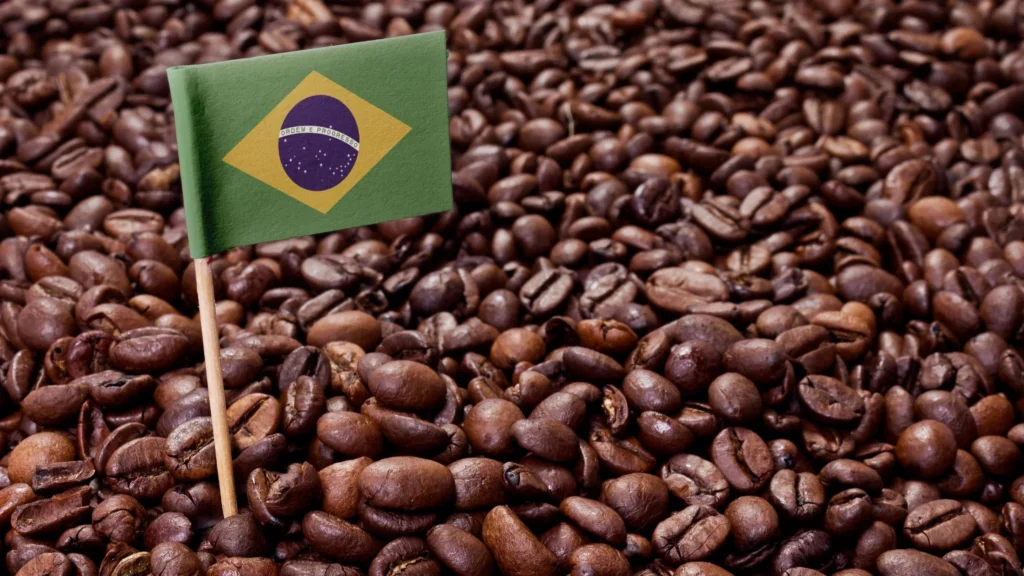
Coffee exporters echoed the alarm. Marcos Matos, executive director of Cecafé, warned that the 50% tariff would hit employment and incomes across Brazil while driving up costs for American roasters and retailers. “It will hurt the American industry and the end consumer, who will end up paying more,” he told the Associated Press.
Matos said Agriculture Minister Carlos Fávaro has pledged to look for ways to cushion exporters as talks with U.S. officials intensify.
Brazilian officials underscored that the two countries have long been mutually dependent, with Lula pointing out that while Brazil runs surpluses in some sectors, the U.S. has booked a trade surplus of more than $400 billion over the past 15 years.
Beyond agriculture, Brazilian airline manufacturer Embraer is bracing for potential fallout. The company, which derives about 60% of its revenue from the U.S., said it is assessing the effects and plans to discuss the issue during its quarterly earnings call on Aug. 5.
Roberto Perosa, president of the Brazilian Association of Meat Exporting Industries, said beef producers were blindsided by the move, noting that Brazilian beef has been critical to stabilizing American supplies during recent livestock shortages.
“We don’t want to be the target of political disputes that harm both countries’ consumers,” Perosa said.
Brazil’s Ministry of Agriculture said it was exploring trade concessions on U.S. ethanol and sugar markets as potential levers in negotiations. Luiz Rua, the ministry’s trade secretary, said, “There are other discussions beyond my portfolio that involve industrial matters. All of this is being put on the table.”
AP




