

A Turkish Air Force F-16 fighter jet crashed shortly after departing a base in western Turkey early Wednesday, killing its pilot, authorities said, prompting both military and judicial investigations into the cause of the accident.
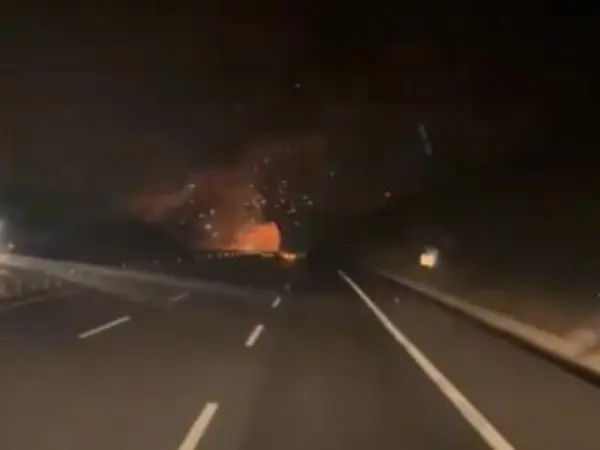
The aircraft took off from the 9th Main Jet Base in Balıkesir province at 12:56 a.m. local time (2156 GMT Tuesday), Turkey’s Defense Ministry said in a statement carried by the state-run Anadolu Agency. Communication and radar contact with the jet were lost soon after takeoff.
Search and rescue teams were dispatched immediately and later located the wreckage near the Istanbul-Izmir Highway, where debris was scattered across the area, local media outlets reported.
“Our pilot was martyred. The cause of the accident will be determined following an investigation by the crash examination team,” the ministry said, extending condolences to the pilot’s family.
National Defense Minister Yasar Guler identified the pilot as Air Force Major Ibrahim Bolat, describing him as a “heroic comrade-in-arms” who died in the line of duty on Feb. 25, 2026.
Justice Minister Akin Gurlek said the Balıkesir chief public prosecutor’s office had initiated a formal inquiry. He indicated that senior prosecutors were deployed to the crash site to oversee the judicial dimension of the investigation.
Vice President Cevdet Yilmaz said authorities would conduct a “meticulous” review of the incident through both administrative and legal channels. The Interior Ministry echoed that assessment, noting that technical specialists would examine flight data and wreckage to establish what led to the crash.
NATO Member’s Fighter Fleet Under Scrutiny
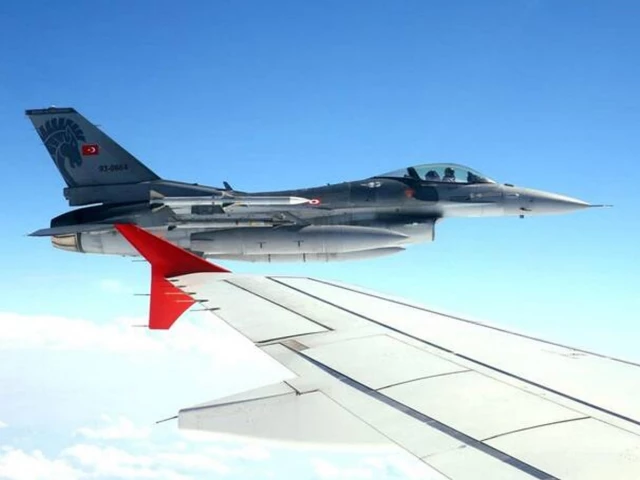
Turkey, a NATO member since 1952, operates a fleet of F-16 jets manufactured by Lockheed Martin. The F-16 has long served as the backbone of Turkey’s air combat capability and is widely used by NATO allies.
The crash in Balıkesir adds to a series of recent F-16 accidents globally. In January, a Taiwanese F-16 plunged into the sea during a routine mission, and its pilot was reported missing after ejecting. In Poland, another F-16 went down during rehearsals for an air show in August, killing its pilot.
Turkey itself has experienced prior aviation incidents. In November, Ankara suspended flights of its C-130 cargo aircraft after one crashed in neighboring Georgia while returning from Azerbaijan, killing all 20 people on board.
Although aviation mishaps are statistically rare given the volume of sorties conducted worldwide, each crash typically triggers intense scrutiny due to the high cost of advanced fighter aircraft and the critical role they play in national defense.
Political Context and Military Exercises
The fatal crash occurred during a week in which President Recep Tayyip Erdogan highlighted Turkey’s participation in NATO military exercises.
In remarks unrelated to the crash, Erdogan said Turkish forces had taken part in the NATO Steadfast Dart 2026 Exercise, praising the performance of the Bayraktar TB3 unmanned combat aerial vehicle and the amphibious assault ship TCG Anadolu. He described the exercise as a demonstration of Turkey’s growing defense capabilities and interoperability within the alliance.
The juxtaposition of those statements with news of the F-16 crash underscores the inherent risks associated with high-tempo military aviation operations. While NATO exercises and readiness drills showcase technological prowess and operational coordination, they also demand rigorous maintenance standards and pilot training protocols.
Investigation Focus
Officials have not indicated whether mechanical failure, human error or environmental conditions may have contributed to the crash. The timing — shortly after takeoff — often narrows investigative focus to engine performance, flight control systems or possible bird strikes, though authorities have not publicly suggested any specific cause.
Crash examination teams typically analyze black box flight data recorders, maintenance logs and air traffic communications. Investigators may also assess whether weather conditions or runway factors played a role.
Turkey’s defense establishment has invested heavily in modernizing its air force amid shifting geopolitical dynamics in the region, including tensions in the Eastern Mediterranean and ongoing security concerns along its southern borders. Ensuring fleet reliability is central to maintaining deterrence and alliance commitments.
Operational Risks and Strategic Implications
While military aviation accidents do not necessarily signal systemic problems, they can raise broader questions about fleet readiness, maintenance cycles and training standards. The F-16 platform, first introduced in the 1970s, remains in active service globally, often upgraded with modern avionics and weapons systems. Aging airframes, however, can require extensive maintenance oversight.
For Turkey, which has sought to expand indigenous defense production while also negotiating upgrades and potential acquisitions within NATO frameworks, each incident can influence procurement debates and public perception of military preparedness.
The loss of an experienced pilot also represents a significant human and institutional cost. Fighter pilots undergo years of specialized training, and their expertise is not easily replaced.
At a time when Ankara is emphasizing its strategic role within NATO and showcasing advanced platforms like the Bayraktar TB3, the Balıkesir crash serves as a sobering reminder of the dangers inherent in military aviation — even outside combat conditions.
Authorities have pledged transparency in determining the cause of the accident. Until investigators release their findings, questions surrounding the jet’s final moments are likely to persist, both within Turkey and among its NATO partners.
Tribune/TheIndependent




