

ABUJA, Nigeria (BN24) — The United States has approved $32.5 million in humanitarian assistance to Nigeria as the country battles a worsening hunger crisis fueled by insecurity and global aid cuts.
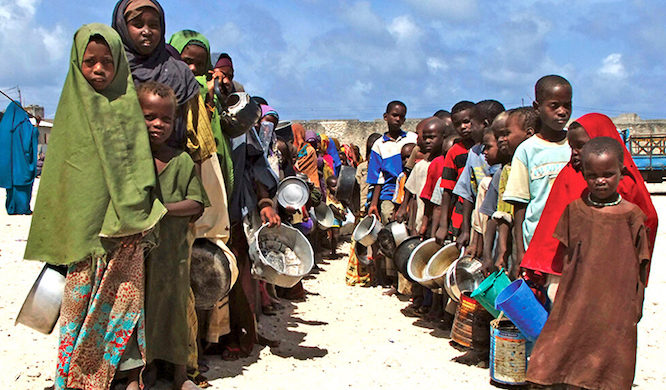
The U.S. mission to Nigeria said Wednesday the funding will provide food assistance and nutritional support to vulnerable communities, including those displaced by conflict in the northeast. The aid marks a notable policy shift after President Donald Trump suspended most foreign assistance through the U.S. Agency for International Development during his first term.
According to the mission, the package will benefit more than 764,000 people across northern Nigeria, including 41,569 pregnant and breastfeeding women and girls and 43,235 children who will receive additional nutritional support through electronic food vouchers.
The World Food Program (WFP) has repeatedly warned that Nigeria is at the epicenter of an “unprecedented hunger crisis.” In July, WFP regional director for West Africa Margot van der Velden said more than 1.3 million people in Borno state alone could be left without food and that 150 nutrition clinics risked closure due to aid shortages. The WFP later suspended food assistance across several West and Central African countries as funding cuts from the U.S. and other donors forced its operations to a halt.
Northern Nigeria has long struggled with overlapping crises. In the northeast, a 14-year insurgency by extremist groups has left around 35,000 civilians dead and displaced more than 2 million, according to United Nations figures. Elsewhere, rising violence in the northwest and north-central regions — often tied to clashes between farmers and herders over scarce land and water — has further deepened food insecurity. In June, at least 150 people were killed in one such attack in north-central Nigeria.
The U.S. mission said the newly approved assistance aims to help stabilize access to food for families facing severe shortages, but international agencies caution that without sustained aid, millions in Nigeria and across the wider region remain at risk of starvation.




