

WASHINGTON (BN24) — The U.S. Senate on Tuesday narrowly passed President Donald Trump’s signature tax and spending legislation, propelling a massive economic package that would permanently enshrine many of his core policy goals while significantly expanding the national debt.
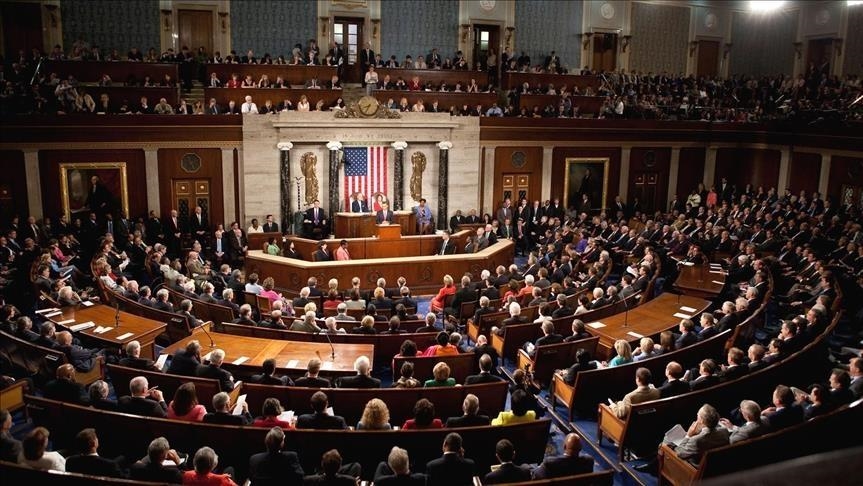
The bill, dubbed the “One Big Beautiful Bill Act,” now heads to the House of Representatives for final passage. Trump has urged lawmakers to place the legislation on his desk before the July 4 holiday, touting it as a transformative win for American families, businesses, and national security.
The 940-page bill passed the Republican-controlled Senate by a razor-thin 51-50 vote, with Vice President JD Vance casting the decisive tie-breaking vote. Only three Republican senators broke ranks to oppose the measure, which includes sweeping tax relief provisions, steep spending increases on border enforcement, and major changes to Medicaid and food assistance programs.
The bill’s passage in the Senate follows months of intraparty wrangling over cost projections, healthcare cuts, and tax policy provisions. While House Republicans are expected to approve the legislation under mounting pressure from the White House, sharp divisions remain within GOP ranks — particularly over the bill’s projected $3.3 trillion impact on the national debt.
“This is not fiscal responsibility. It’s not what we agreed to,” the House Freedom Caucus said in a statement Monday, warning that the Senate’s version of the bill adds $651 billion to the deficit even before interest costs are considered. The group, composed of hardline conservatives, has demanded deeper cuts to government spending.
Moderate House Republicans, meanwhile, have voiced opposition to the steeper Medicaid reductions included in the Senate draft. Representative David Valadao of California warned over the weekend that eliminating key funding streams for hospitals in his district would be unacceptable.
Despite these warnings, Trump’s grip on the party remains strong. Few lawmakers have been willing to challenge the president publicly since his return to office in January. Those who have — including Senator Thom Tillis of North Carolina, one of the three GOP senators to vote no — have faced political isolation and exclusion from White House events.
The bill includes provisions to make permanent Trump’s 2017 tax cuts for individuals and businesses, which are set to expire at the end of this year. It also introduces new deductions for tipped wages, overtime income, and senior citizens — measures Trump promised during his 2024 re-election campaign. Additionally, it repeals key elements of former President Joe Biden’s climate legislation and injects tens of billions of dollars into Trump’s aggressive immigration enforcement plans.
At the heart of the controversy is the bill’s long-term fiscal impact. The Congressional Budget Office estimates it will add $3.3 trillion to the federal debt, which currently stands at $36.2 trillion. Economists warn that such borrowing could slow economic growth, raise interest rates, and crowd out future investments in infrastructure, healthcare, and education. Republican lawmakers have largely dismissed the CBO analysis, criticizing its methodology and arguing that the bill will generate long-term savings by reforming benefit programs and stimulating growth.
The legislation also raises the government’s borrowing cap by $5 trillion, postponing the threat of a debt ceiling crisis until after the 2026 midterms. This provision alone has prompted concern among global bondholders, some of whom have begun to diversify away from U.S. Treasuries amid widening deficits.
Still, supporters of the bill maintain that it reflects a necessary recalibration of national priorities. “This is a bill that helps working families, helps small businesses, and secures our border,” said Senate Majority Leader John Thune. “It’s not perfect, but it’s the bold, decisive action voters demanded when they returned President Trump to office.”
The House is expected to vote on the final version of the bill within days. Trump, who has made the legislation a centerpiece of his second-term agenda, is expected to sign it into law swiftly if it passes.
Reuters




