

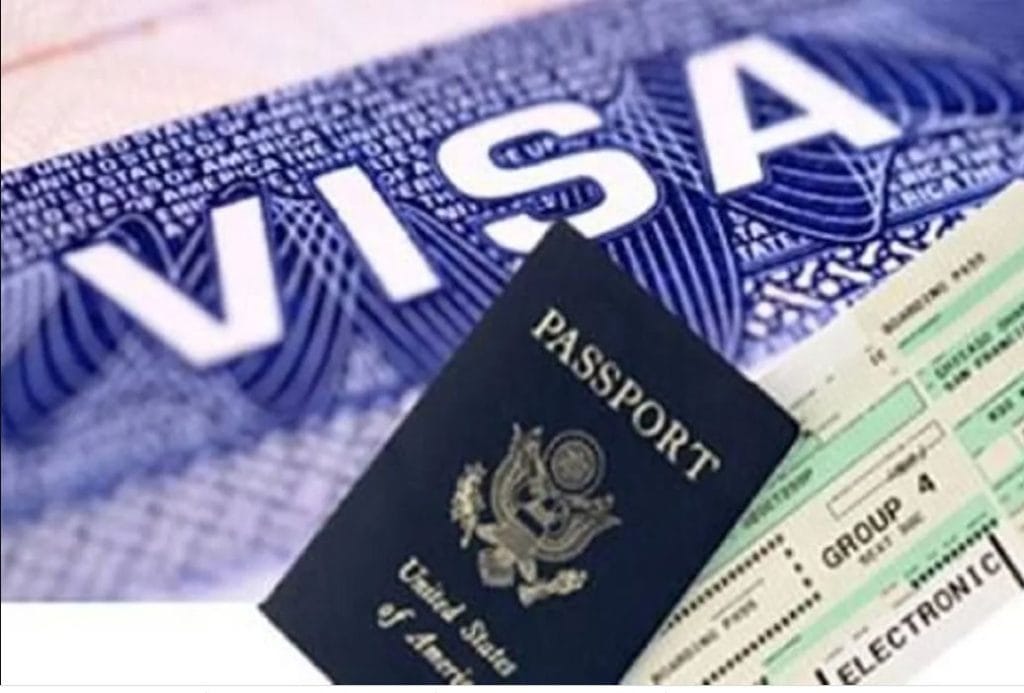
WASHINGTON — The State Department has suspended immigrant visa processing for citizens of 75 countries in an indefinite freeze that officials characterize as necessary to prevent foreign nationals from exploiting American public assistance programs, marking one of the Trump administration’s most sweeping immigration restrictions since returning to power.

The pause takes effect Jan. 21 and will continue without a specified end date while the department conducts what it calls a comprehensive reassessment of screening and vetting procedures for immigrant visa applicants. The affected nations span multiple continents and include major population centers such as Nigeria, Brazil, Russia, Iran, Somalia, Afghanistan, Thailand, Egypt and Iraq, among others.
A State Department memo obtained by Fox News Digital directs consular officers at U.S. embassies worldwide to refuse immigrant visas under existing public charge provisions of immigration law during the review period. The directive represents an extraordinary assertion of executive authority over legal immigration channels that could affect millions of prospective immigrants seeking permanent residency in the United States.
“The State Department will use its long-standing authority to deem ineligible potential immigrants who would become a public charge on the United States and exploit the generosity of the American people,” State Department spokesperson Tommy Piggott said in a statement Wednesday. “Immigration from these 75 countries will be paused while the State Department reassess immigration processing procedures to prevent the entry of foreign nationals who would take welfare and public benefits.”
Bloomberg first reported the suspension Wednesday, citing earlier Fox News coverage of the internal State Department directive. The Associated Press and Reuters subsequently confirmed the policy’s implementation, though the State Department has not publicly released the complete list of affected countries.
The suspension applies exclusively to immigrant visas, which confer permanent residency rights, and does not affect nonimmigrant visa categories used by temporary visitors, tourists or business travelers. This distinction means that while pathways to permanent U.S. residence remain closed for citizens of the 75 designated countries, short-term travel may continue subject to existing restrictions.
The complete roster of affected nations comprises Afghanistan, Albania, Algeria, Antigua and Barbuda, Armenia, Azerbaijan, Bahamas, Bangladesh, Barbados, Belarus, Belize, Bhutan, Bosnia, Brazil, Burma, Cambodia, Cameroon, Cape Verde, Colombia, Cote d’Ivoire, Cuba, Democratic Republic of the Congo, Dominica, Egypt, Eritrea, Ethiopia, Fiji, Gambia, Georgia, Ghana, Grenada, Guatemala, Guinea, Haiti, Iran, Iraq, Jamaica, Jordan, Kazakhstan, Kosovo, Kuwait, Kyrgyzstan, Laos, Lebanon, Liberia, Libya, Macedonia, Moldova, Mongolia, Montenegro, Morocco, Nepal, Nicaragua, Nigeria, Pakistan, Republic of the Congo, Russia, Rwanda, Saint Kitts and Nevis, Saint Lucia, Saint Vincent and the Grenadines, Senegal, Sierra Leone, Somalia, South Sudan, Sudan, Syria, Tanzania, Thailand, Togo, Tunisia, Uganda, Uruguay, Uzbekistan and Yemen.
The geographic and demographic diversity of the list suggests the administration’s selection criteria extend beyond traditional security concerns to encompass economic considerations about which immigrant populations might utilize public assistance programs. The inclusion of countries across Africa, Asia, Latin America, the Middle East and Eastern Europe indicates a broad-based approach to restricting immigration from what officials have characterized as higher-risk sources.
Somalia has attracted particular scrutiny from federal authorities following what prosecutors described as widespread fraud in Minnesota involving taxpayer-funded benefit programs. Many individuals implicated in those cases were Somali nationals or Somali-Americans, creating a political environment where broader restrictions on Somali immigration gained traction within the administration.
The suspension builds on guidance issued in a November 2025 State Department cable that instructed consular officers worldwide to enforce stringent new screening protocols under the public charge provision. That directive established expansive criteria for denying visas to applicants deemed likely to rely on government benefits, weighing factors including health status, age, English language proficiency, financial resources and potential need for long-term medical care.
Under the November guidance, older applicants or those classified as overweight could face visa denials, as could individuals with any history of receiving government cash assistance or institutional care. The breadth of these criteria represents a significant departure from previous interpretations of public charge inadmissibility, which traditionally focused on applicants unable to support themselves without government aid.
“The Trump administration is bringing an end to the abuse of America’s immigration system by those who would extract wealth from the American people,” the State Department said in its Wednesday statement announcing the suspension.
The public charge provision has existed in U.S. immigration law for decades, authorizing consular officers to deny visas to individuals likely to become primarily dependent on government assistance. However, enforcement has varied dramatically across administrations, with officers historically exercising considerable discretion in applying the standard to individual cases.
President Trump first expanded the public charge definition in 2019 during his initial term, broadening the range of public benefits considered in eligibility determinations. That expansion faced immediate legal challenges, with portions ultimately blocked in federal court before the Biden administration rescinded the policy entirely upon taking office in 2021.
The Biden administration’s 2022 public charge rule narrowed the scope of benefits considered in visa decisions, primarily limiting scrutiny to cash assistance programs and long-term institutional care while excluding commonly used benefits such as the Supplemental Nutrition Assistance Program, the Special Supplemental Nutrition Program for Women, Infants and Children (WIC), Medicaid and housing vouchers.
The Trump administration’s revival and expansion of restrictive public charge enforcement reflects a fundamental philosophical difference in immigration policy, prioritizing economic self-sufficiency concerns over family reunification and humanitarian considerations that have traditionally influenced American immigration decisions.
State Department officials indicated that exceptions to the suspension will be “very limited” and granted only after applicants have satisfied heightened public charge scrutiny. The lack of specificity about exception criteria creates uncertainty for applicants with compelling cases such as immediate family members of U.S. citizens or individuals with specialized skills.
The suspension arrives amid a broader pattern of aggressive visa revocation and restriction by the Trump administration. Fox News reported that the State Department revoked more than 100,000 foreign visas in 2025, an all-time record exceeding twice the 40,000 revocations processed in 2024 during the final year of the Biden administration.
The majority of those revocations targeted business and tourist travelers who overstayed their authorized periods. However, approximately 8,000 students and 2,500 specialized workers also lost legal status, with department officials stating that most had criminal encounters with law enforcement.
Among specialized workers whose visas were revoked, half faced drunk driving charges, 30 percent were charged with assault, battery or unlawful confinement, and the remaining 20 percent encountered charges including theft, child abuse, substance abuse and distribution, fraud and embezzlement. Nearly 500 students lost visas for drug possession and distribution, while hundreds of foreign workers faced revocation based on child abuse allegations, Fox News reported, citing department sources.
In August 2025, the Trump administration announced it would review all 55 million foreigners holding valid U.S. visas, an unprecedented undertaking that signals the administration’s commitment to what officials describe as protecting American security and economic interests through immigration enforcement.
Principal deputy spokesperson Piggott said the administration would maintain its enforcement posture through a new “continuous vetting center” designed to monitor visa holders throughout their time in the United States. “The Trump administration will continue to put America first and protect our nation from foreign nationals who pose a risk to public safety or national security,” he said.
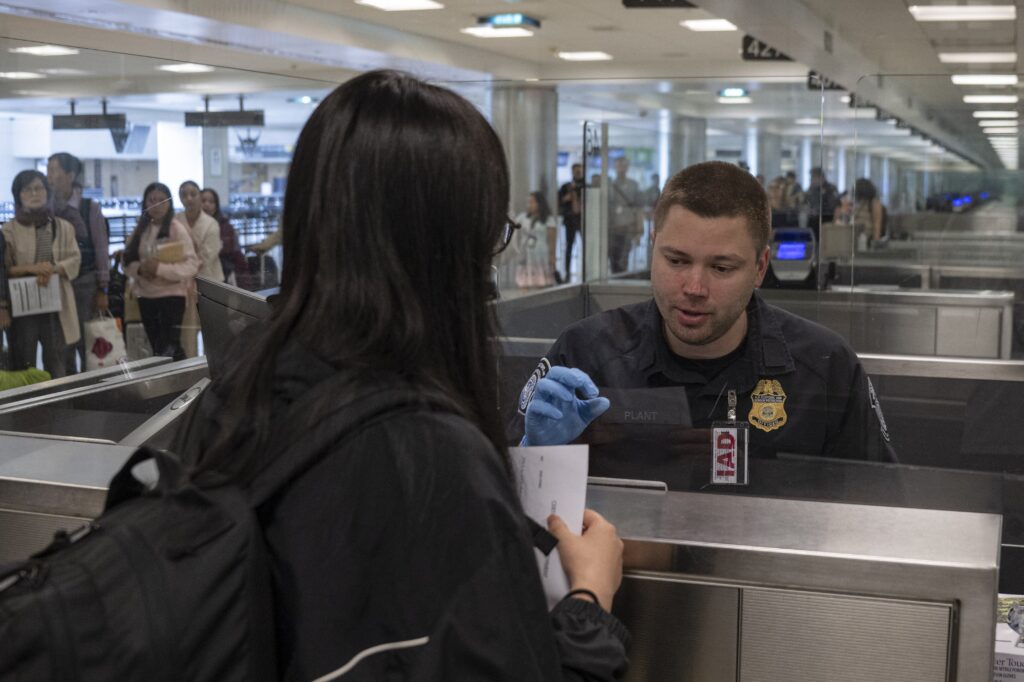
The visa suspension emerges from Trump’s November vow to “permanently pause” migration from what he termed “Third World Countries” following a shooting near the White House by an Afghan national that killed a National Guard member. That incident provided political momentum for the expanded restrictions now taking effect.
The policy’s implementation raises profound questions about America’s continued role as a destination for immigrants seeking opportunity and refuge. The 75 affected countries include nations with deep historical, cultural and economic ties to the United States, where generations of families have maintained connections across borders through immigration channels now indefinitely closed.
For prospective immigrants from the designated countries who have invested years preparing applications, gathering documentation and waiting for processing, the suspension represents a potentially devastating interruption of life plans involving family reunification, employment opportunities or escape from difficult circumstances in home countries.
The economic implications extend beyond individual applicants to encompass American employers, educational institutions and communities that rely on immigrant contributions. Restrictions on permanent immigration affect workforce development, demographic trends and the economic vitality of regions where immigrant populations have driven growth and revitalization.
International diplomatic repercussions appear inevitable as affected countries respond to what many will characterize as discriminatory treatment based on national origin. The suspension affects U.S. allies including Brazil and NATO partners, potentially complicating broader foreign policy objectives in regions where cooperation on security, trade and other priorities requires goodwill.
The lack of a specified timeline for the suspension creates open-ended uncertainty that may persist indefinitely depending on the administration’s assessment of when “reassessed” procedures satisfy its objectives. Whether the pause represents a temporary review or an extended de facto ban on immigrant visas from these countries remains unclear.
Legal challenges appear likely from advocacy organizations, affected individuals and potentially foreign governments arguing that the suspension exceeds executive authority or violates immigration law’s intent. Previous Trump administration immigration restrictions faced extensive litigation, though courts have generally afforded broad deference to executive determinations regarding national security and immigration policy.
The suspension’s effectiveness in achieving its stated objectives of preventing public benefit usage by immigrants remains uncertain given the complex factors influencing benefit utilization and the difficulty of predicting individual applicants’ future economic trajectories based on demographic characteristics.
As the January 21 implementation date approaches, consular officers at U.S. embassies in the affected countries prepare to halt processing of immigrant visa applications that may have reached advanced stages, creating administrative challenges and human costs that will reverberate through families and communities worldwide.
Forbes/AP/Reuters




