

The Vatican has appointed a panel of judges to oversee the canonical trial of former Jesuit priest and internationally renowned artist Marko Ivan Rupnik, who has been accused by more than 20 women of sexual, spiritual and psychological abuse over several decades. The decision marks a significant and rare step by the Holy See as it prepares to address one of the most controversial abuse cases of Pope Francis’ papacy.
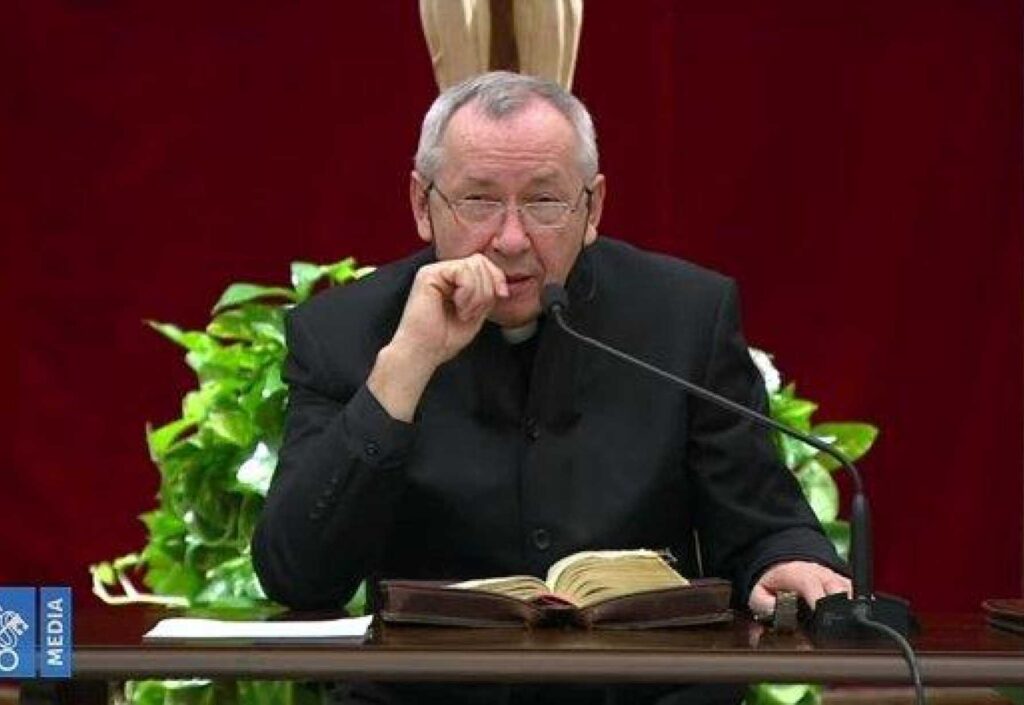
The Holy See’s office responsible for investigating clergy abuse cases, the Congregation for the Doctrine of the Faith, said Monday that five judges — including women and priests from outside the Vatican bureaucracy — were named to adjudicate the case. Officials described the composition as intended “to better guarantee, as in any judicial process, the autonomy and independence of the aforementioned court,” an acknowledgment of long-standing criticism that the Vatican had failed to act independently in earlier stages of the Rupnik case.
High-Profile Case Tied to Church Leadership
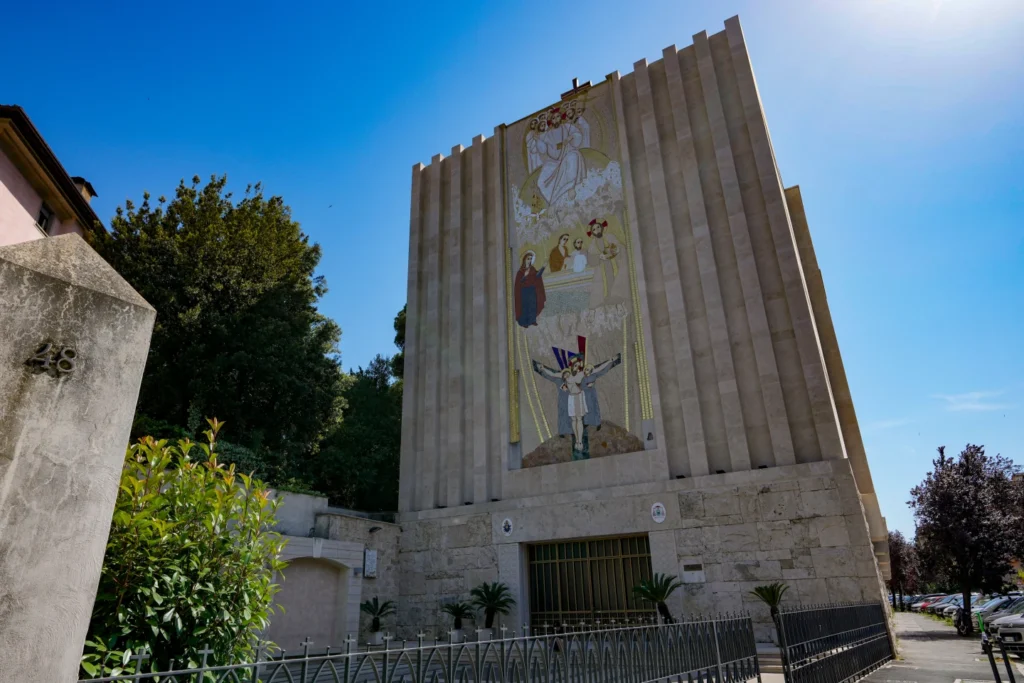
Rupnik, a Slovenian-born artist, is celebrated for his mosaics that adorn major Catholic sites, including Lourdes in France, a basilica in Aparecida, Brazil, parts of the Vatican, and the chapel of Pope Leo XIV’s Augustinian religious order in Rome. His artwork has been praised for its beauty and spiritual symbolism, but allegations against him have cast a long shadow over his legacy and raised questions about Vatican accountability.
The scandal erupted publicly in late 2022 when Italian blogs published testimonies from nuns and other women who accused Rupnik of sexual, spiritual and psychological abuse. Many incidents allegedly occurred during the production of his religious art. His Jesuit order later confirmed he had been briefly excommunicated in 2020 for committing one of the Catholic Church’s gravest offenses: using the confessional to absolve a woman with whom he had sexual relations. Despite this, Rupnik continued to work and preach.
As more women came forward — some reporting abuse dating back to the 1990s — pressure mounted on church leadership. Many of the women were part of a Jesuit-inspired community in Slovenia co-founded by Rupnik, which has since been dissolved. Initially, the Vatican declined to prosecute, citing expired statutes of limitations, a decision that critics said exposed systemic weaknesses in how the Church handles sexual misconduct involving adult women.
Statute Waived, Trial Set to Begin
Under mounting scrutiny, Pope Francis eventually lifted the statute of limitations in 2023, allowing the canonical trial to proceed. On Oct. 9, the Vatican confirmed that the judges had been formally appointed, signaling the imminent start of the trial under the Church’s internal legal system. Rupnik has not been charged in a civil court and has not publicly responded to the accusations, nor did he cooperate with Jesuit investigators.
Unlike secular criminal trials, canonical proceedings do not provide victims with party status. Victims can only appear as witnesses and are not entitled to participate in proceedings or review case documentation. The harshest possible sanctions are ecclesiastical penalties, including restrictions on public ministry or removal from the priesthood.
Attorney Laura Sgro, representing five of Rupnik’s accusers, welcomed the Vatican’s move, noting that her clients had requested recognition as injured parties 18 months ago. “They have been waiting for justice for too many years,” she said, adding that a verdict would not only bring personal closure but also serve the Church itself.
Legal and Cultural Barriers
The case exposes deep legal gaps in the Vatican’s treatment of sexual abuse involving adult women. While canonical law has been strengthened to address abuse of minors, it has rarely been applied to cases involving adult victims, with Church officials often characterizing such relationships as consensual. However, many of Rupnik’s accusers allege spiritual coercion and psychological manipulation, arguing that the power imbalance rendered meaningful consent impossible.
This dynamic mirrors broader #MeToo-era revelations within Catholic institutions, where women reported being targeted by charismatic religious leaders who used spiritual authority to exploit them. Although Pope Leo has expressed concern about ensuring due process for accused priests, he has also called for a stronger culture of prevention. In a letter earlier this year to a Peruvian journalist who exposed abuses by a religious group, Leo urged the Church not to tolerate any form of abuse “whether of power or authority, conscience or spiritual, or sexual.”
The Vatican has not disclosed the specific charges Rupnik will face under canon law or the expected timeline for the trial. Still, the appointment of judges indicates that one of the Church’s most closely watched abuse cases is moving forward after years of delay and public outcry.
Credit: AP




