

Venezuela’s interior minister said late Wednesday that at least 100 people were killed during a U.S. military operation that removed President Nicolás Maduro from power over the weekend, offering the first official nationwide death toll from the assault and deepening an already volatile political and diplomatic crisis.
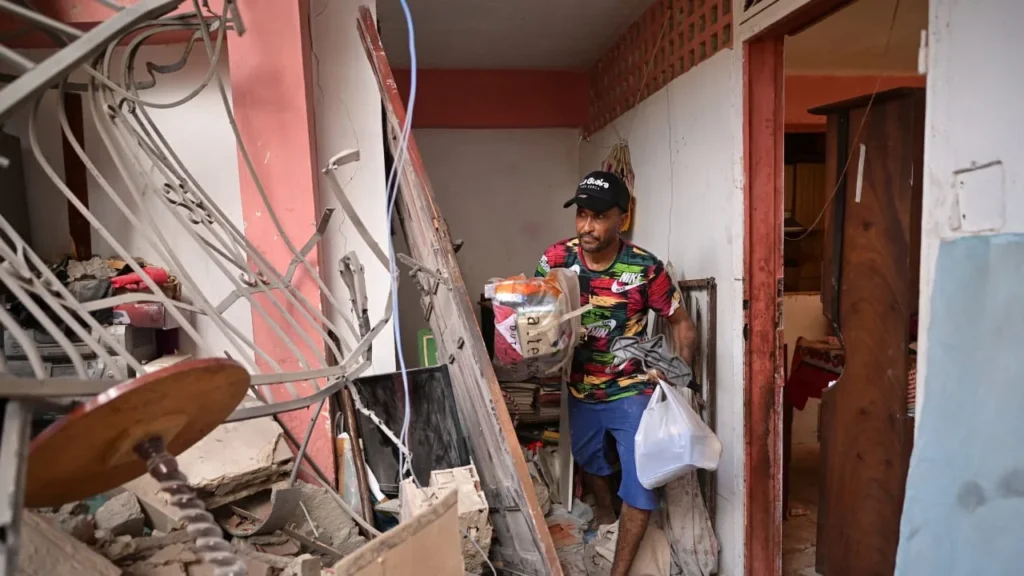
Interior Minister Diosdado Cabello announced the figure during a broadcast on state television, saying the fatalities occurred during what Venezuelan officials describe as a coordinated U.S. attack that culminated Saturday with Maduro’s detention and removal from office. Reuters reported that Caracas had not previously released a comprehensive casualty count, though the Venezuelan army earlier published a list naming 23 of its own personnel who were killed.
Venezuelan authorities have alleged that a significant portion of Maduro’s security detail was killed “in cold blood” during the operation, language that underscores the government’s claim that the attack amounted to an unlawful act of foreign aggression rather than a limited or targeted intervention. Cuba, a key ally of Maduro’s government, has separately acknowledged that 32 members of its military and intelligence services stationed in Venezuela were also killed.
Arab News similarly reported Cabello’s statement, noting that it marked the first time Venezuelan officials had publicly cited a figure as high as 100 deaths. The outlet echoed official claims that many of those killed were members of elite security units assigned to protect the president and key government facilities.
In a separate account citing Reuters, the Jerusalem Post also reported Cabello’s assertion that 100 people died in the U.S. operation, confirming that the Venezuelan army’s list of 23 names represented only a fraction of the overall casualties.
Cabello said Maduro’s wife, Cilia Flores, who was detained alongside the president during the raid, sustained a head injury, while Maduro himself suffered an injury to his leg. Both were taken into custody during the operation, which Venezuelan officials say involved airstrikes, ground assaults and the seizure of strategic installations in and around Caracas.
Venezuela’s interim president, Delcy Rodríguez, declared a week of mourning earlier this week for members of the armed forces killed in the raid. Cabello praised Rodríguez during his weekly television program, describing her as “courageous” in the face of what he characterized as an unprecedented assault on Venezuelan sovereignty.
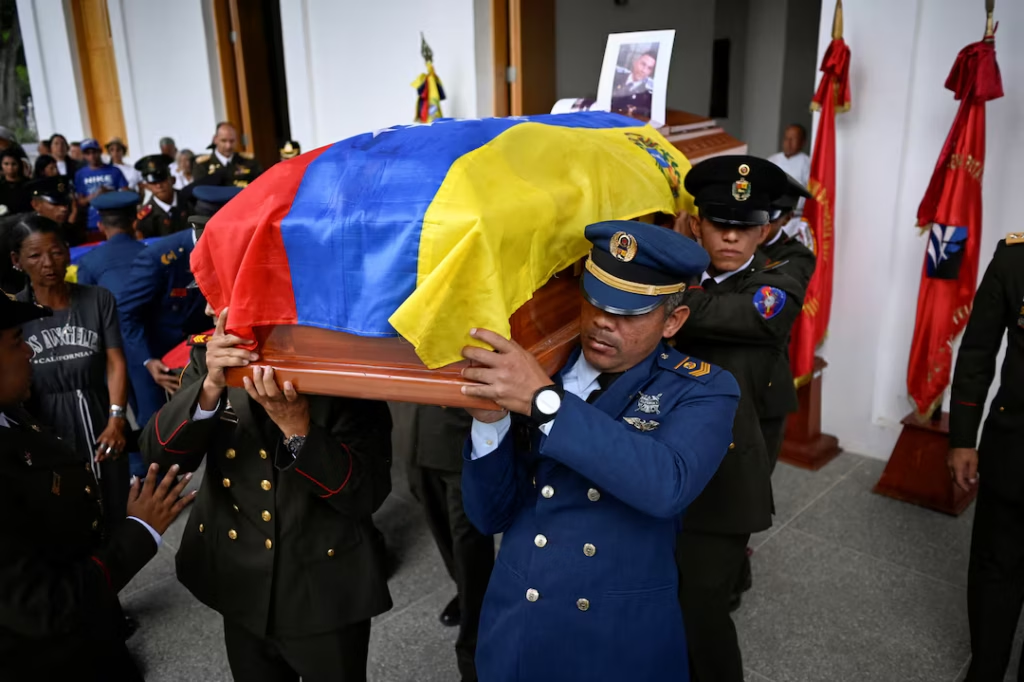
Cuba’s government, in a statement carried by Reuters and cited by the Jerusalem Post, said the 32 Cuban nationals killed were members of its armed forces and intelligence agencies who had been deployed in Venezuela as part of longstanding security cooperation agreements. The statement offered few operational details but said the Cubans died either “in direct combat against the attackers or as a result of bombings on the facilities” they were assigned to protect.
“True to their responsibilities concerning security and defense, our compatriots fulfilled their duty with dignity and heroism and fell, after fierce resistance,” the Cuban government said. Havana announced two days of national mourning on Jan. 5 and 6 to honor those killed, with funeral arrangements to be announced later.
Cuba has played a central role in supporting Maduro’s government since he took office, providing intelligence, security training and personnel. It remains unclear how many Cuban operatives were guarding Maduro personally at the time of the raid and how many were stationed elsewhere in the country when they were killed.
The U.S. government has not publicly confirmed the details of the operation or the casualty figures cited by Venezuelan and Cuban officials. However, the scale of deaths alleged by Caracas suggests an operation far broader than previous U.S. actions in the region and raises the prospect of significant international fallout.
Analysts say the announcement of a 100-death toll serves multiple purposes for Venezuela’s new interim leadership and remnants of the former government. Domestically, it reinforces a narrative of victimhood and resistance that could help unify factions of the military and civilian population amid uncertainty over the country’s political future. Internationally, it places pressure on Washington by framing the raid as a deadly intervention with substantial collateral damage.
The lack of independent verification of the casualty figures, however, leaves key questions unanswered. Reuters has noted that Venezuela’s tightly controlled media environment and restricted access for foreign journalists make it difficult to corroborate official claims. Human rights organizations have also called for an independent investigation to determine how many civilians, if any, were among the dead.
The reported deaths of Cuban personnel further complicate the regional picture. Cuba’s involvement underscores the extent to which Venezuela’s crisis has become entangled with broader geopolitical rivalries, particularly between the United States and governments aligned against U.S. influence in Latin America.
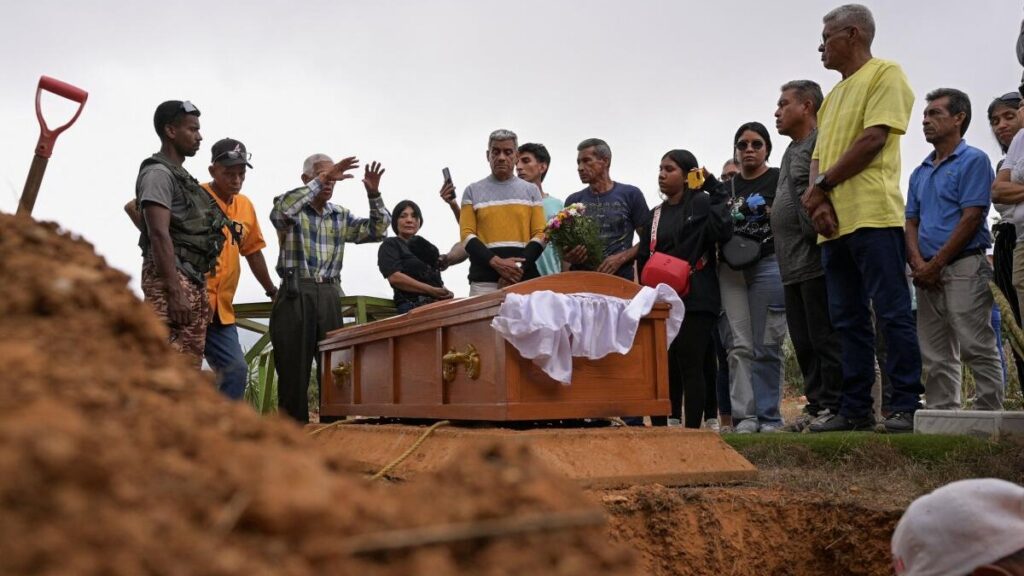
Historically, U.S. interventions in the region — whether overt or covert — have drawn sharp criticism and lasting resentment, even when framed as efforts to restore democracy or protect human rights. The Maduro operation appears poised to reignite those debates, especially if casualty figures continue to rise or if evidence emerges of civilian harm.
At the same time, supporters of the intervention argue that Maduro’s removal could open the door to political and economic reforms in a country battered by years of hyperinflation, sanctions and mass emigration. They contend that the long-term benefits of regime change may outweigh the immediate human cost, a claim that critics vehemently dispute.
For now, Venezuela remains in a period of profound uncertainty. The declaration of a week of mourning reflects both the human toll of the raid and the fragile state of national cohesion. With Maduro detained, an interim leadership in place and international actors closely watching, the coming days are likely to determine whether the country moves toward stabilization or deeper confrontation.
As Reuters, Arab News and the Jerusalem Post have all reported, Cabello’s statement has put a stark figure on the cost of the U.S. operation. Whether that number becomes a rallying cry, a point of diplomatic contention or the basis for future legal and political action may shape Venezuela’s trajectory — and its relations with Washington — for years to come.




