

KATHMANDU, Nepal — The young activists whose protests forced the resignation of Nepal’s prime minister are now emerging as influential power brokers in the country’s fragile transition, helping shape an interim government and setting the stage for upcoming elections.
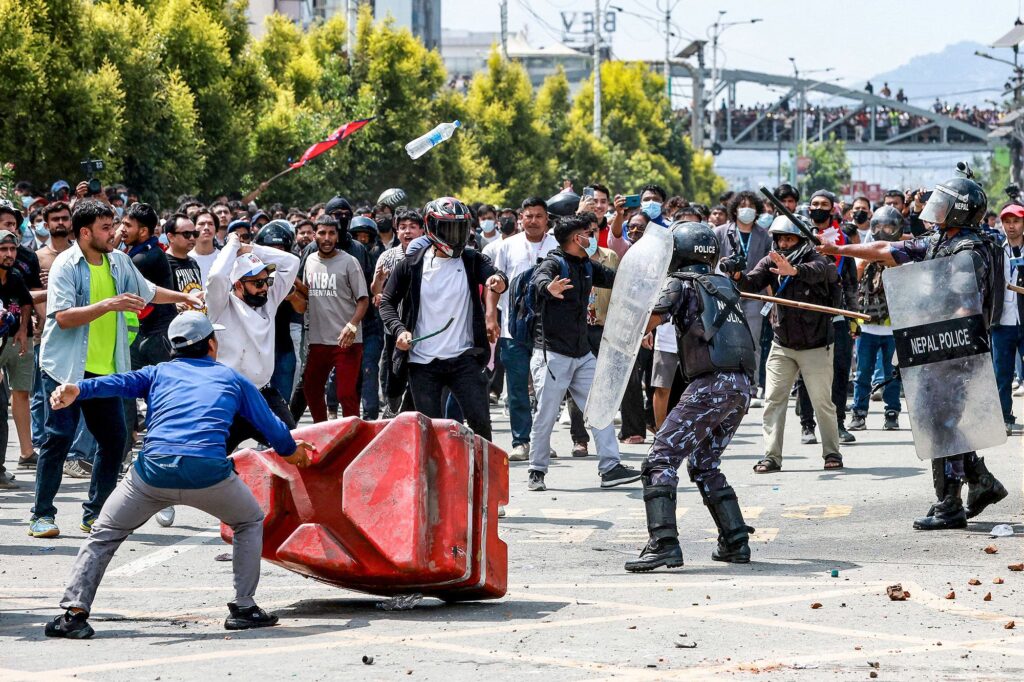
Sudan Gurung, a 36-year-old former DJ and founder of the nonprofit Hami Nepal (“We are Nepal”), led the movement using Discord, a messaging platform popular with gamers, along with Instagram. By coordinating rallies through VPNs to bypass a government ban on multiple social media sites, the group mobilized tens of thousands of mostly young demonstrators in what became Nepal’s deadliest political upheaval in decades. At least 72 people were killed and more than 1,300 injured in clashes with authorities.
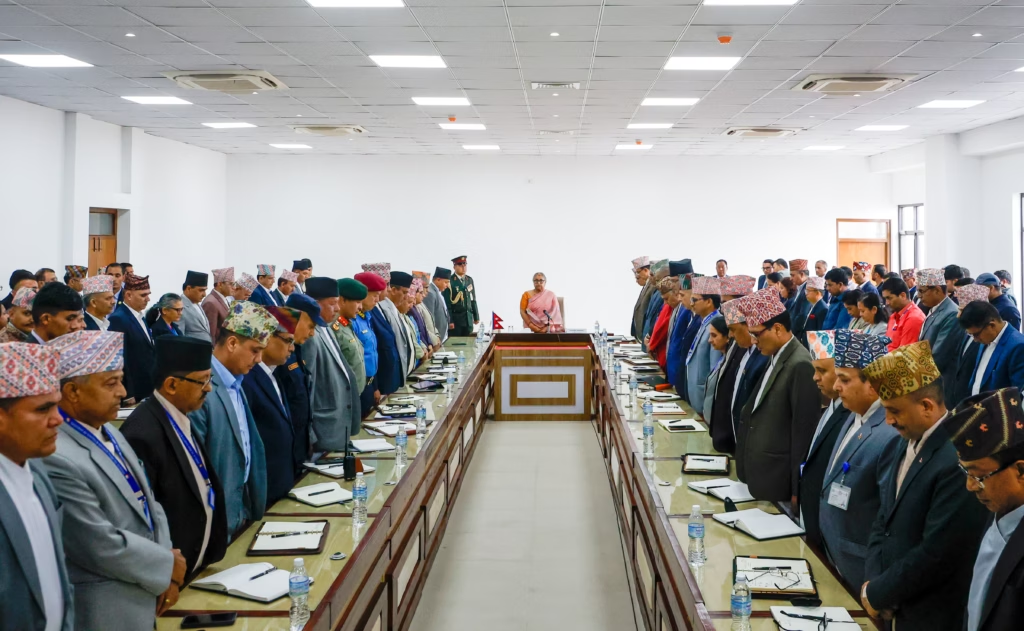
The campaign quickly evolved into more than street protests. Hami Nepal leaders, who say they are not seeking political office, have taken part in high-stakes negotiations over the interim administration, according to several members who requested anonymity for security reasons. The activists convinced Nepal’s president and army chief to back former Chief Justice Sushila Karki as interim prime minister, making her the first woman to lead the Himalayan nation. Elections are scheduled for March 5.
“We will make sure power lies with the people and bring every corrupt politician to justice,” Gurung declared at his first press conference since the demonstrations.
Hami Nepal is now helping shape the cabinet, pushing for officials tied to the previous administration to be replaced with younger, reform-minded figures. “The process is being carefully carried out, so that it consists of skilled and capable youth,” the group wrote on Instagram, where its following has surged to more than 160,000.
Gurung, who became widely known for organizing earthquake relief in 2015 and COVID-19 aid efforts, insists his role is to amplify the demands of Nepal’s Gen Z activists rather than take formal power. “We don’t want to be politicians,” said 26-year-old volunteer Ronesh Pradhan. “We are only the voice of the nation.”
Other emerging leaders include 24-year-old café owner Ojaswi Raj Thapa, who has spoken out about judicial independence, and law graduate Rehan Raj Dangal, who helps manage online communications. Thapa told Reuters that while constitutional changes might be necessary, “we don’t want to dissolve the constitution.”
The movement’s rapid rise from online activism to political influence underscores how a generation of young Nepalis, angered by corruption and disillusioned with traditional parties, is reshaping the country’s political landscape.





