

In a significant move aimed at addressing economic uncertainties, the Bank of England (BoE) has announced its first interest rate cut since 2001, lowering rates from a 16-year high. The decision, made by a narrow 5-4 vote within the BoE’s Monetary Policy Committee (MPC), reflects ongoing concerns about inflation and the broader economic climate in the United Kingdom.
Governor Andrew Bailey, who spearheaded the decision to reduce rates by a quarter-point to 5%, emphasized the need for caution as the bank navigates the complex economic landscape. “We must ensure that inflation remains under control while avoiding excessive rate cuts that could destabilize the economy,” Bailey stated during a press conference following the announcement.
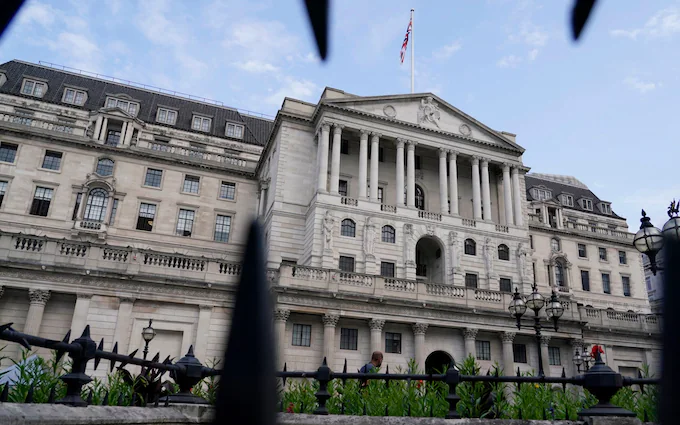
The decision aligns with predictions from a recent Reuters poll of economists, although financial markets had priced in only a slightly more than 60% probability of a rate reduction. This unexpected move underscores the commitment of the Bank of England to managing inflation while supporting economic growth.
This rate cut marks the first reduction since March 2020, at the onset of the COVID-19 pandemic, when the bank slashed rates to support the economy amidst unprecedented global challenges. Before the current decision, rates had been held steady for nearly a year, marking the longest period of unchanged rates during a tightening cycle since the early 2000s.
Minutes from the most recent MPC meeting revealed that the decision to cut rates was “finely balanced” for some committee members, highlighting the delicate nature of the current economic environment. The language used in the meeting minutes echoes previous instances when the BoE opted to maintain rates, emphasizing the cautious approach the bank is taking.
The shift in voting patterns among key policymakers, including Governor Bailey and Deputy Governors Sarah Breeden and Clare Lombardelli, signals a change in the bank’s approach to monetary policy. None of these officials had publicly commented on monetary policy since the BoE’s June meeting, adding an element of surprise to the decision.
Recent political developments, including the Labour Party’s victory in the national election, have influenced the economic landscape. The new government has announced public sector pay decisions that will be incorporated into the BoE’s forecasts following the upcoming October 30 budget.
The BoE’s decision comes amid broader economic challenges, including the ongoing impacts of the COVID-19 pandemic, geopolitical tensions, and concerns about inflationary pressures. These factors have contributed to a complex economic environment, requiring careful consideration by policymakers to balance growth and stability.
Governor Bailey has indicated that the BoE will continue to closely monitor economic indicators and adjust policy as needed to support the UK’s recovery and long-term economic health.
Reuters





