

WASHINGTON (BN24) — The Trump administration on Wednesday imposed sweeping sanctions on three Mexican financial institutions accused of laundering millions of dollars on behalf of major drug cartels, in a move that effectively blocks them from conducting certain transactions with the U.S. banking system.
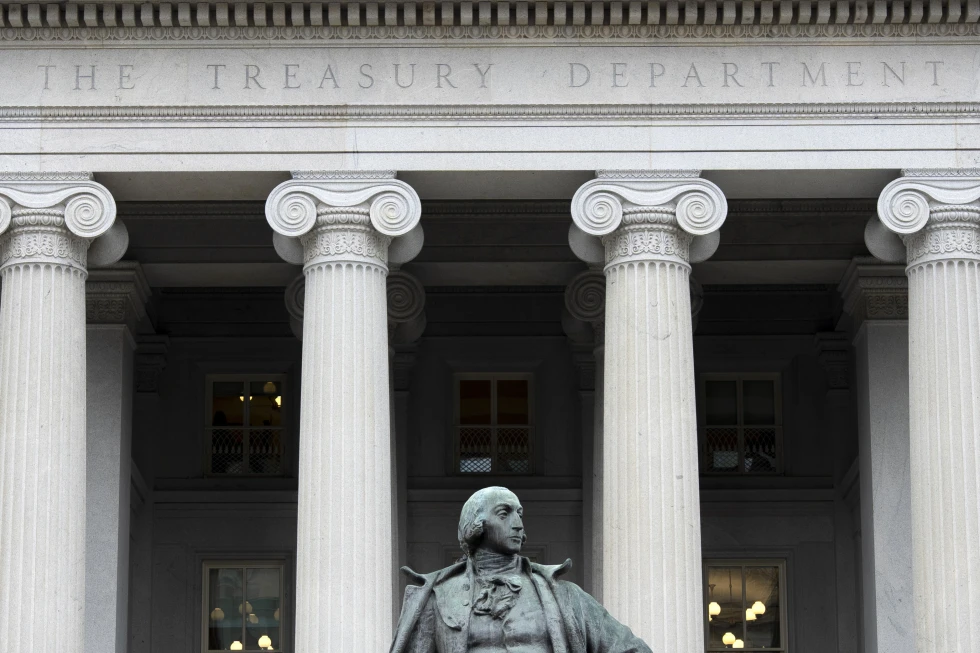
The U.S. Treasury Department said CIBanco, Intercam Banco, and the brokerage firm Vector Casa de Bolsa were being sanctioned for their alleged roles in facilitating money transfers and laundering operations tied to the trafficking of fentanyl and other synthetic drugs.
“These financial institutions have played a long-standing and vital role in laundering millions of dollars for Mexico-based cartels and facilitating payments for precursor chemicals used to produce fentanyl,” Deputy Treasury Secretary Michael Faulkender said in a briefing. “These actions will effectively cut off these institutions from access to the U.S. financial system.”
The sanctions are part of a broader crackdown ordered by President Donald Trump targeting Mexican drug cartels, which his administration recently labeled as Foreign Terrorist Organizations. The president has vowed to intensify pressure on cartel-linked financiers and their support networks.
The Treasury’s designation prohibits U.S. entities and banks from engaging in most transactions with the three financial firms, which are accused of moving funds for some of Mexico’s most violent criminal groups, including the Sinaloa, Jalisco New Generation, Beltrán Leyva, and Gulf cartels.
Treasury officials say CIBanco processed more than $2.1 million in payments for fentanyl precursor chemicals sourced from China. Intercam Banco allegedly facilitated over $1.5 million in similar transactions. Vector Casa de Bolsa, according to U.S. authorities, helped cartels launder more than $1 million for fentanyl procurement and played a key role in facilitating over $40 million in cartel-linked transactions—including payments tied to bribes sent to former Mexican Security Secretary Genaro García Luna, who was sentenced to 38 years in a U.S. prison last October.
The sanctioned institutions did not immediately respond to requests for comment.
Though the Treasury did not publicly name the U.S. financial institutions involved in transactions with the sanctioned firms, officials confirmed that each of the three had facilitated transfers involving U.S.-based banks. They declined to say whether branches of the targeted banks operating outside of Mexico would still be able to access U.S. markets.
The move marks a continuation of the administration’s aggressive stance against cartels and fentanyl trafficking. Despite a recent decline in U.S. overdose deaths and fentanyl flow across the border, Trump’s administration has argued that enforcement must remain robust to dismantle the broader infrastructure sustaining narcotics operations.
Since President Trump returned to office, the administration has sanctioned 31 individuals and expanded legal designations against key trafficking organizations. Officials say more action is expected in the coming weeks as Washington and Mexico City deepen joint enforcement efforts.
AP





