

The United States has proposed a 15-point ceasefire plan to Iran as fighting across the Middle East intensifies, even as Washington moves additional troops into the region to reinforce its military presence.
The proposal was delivered through intermediaries from Pakistan, which has offered to host renewed negotiations, according to a person familiar with the plan who spoke on condition of anonymity because they were not authorized to speak publicly.
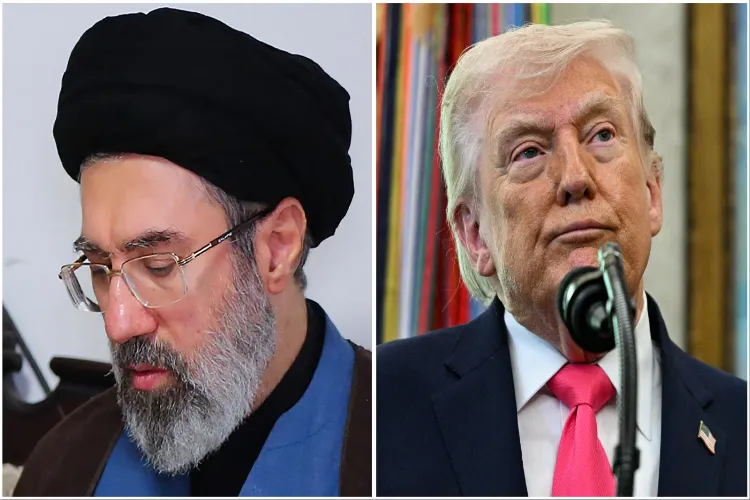
Iran’s military leadership dismissed the diplomatic effort, signaling that talks with Washington were not under consideration while attacks continue across the region.
A spokesperson for Iran’s central military command said the United States was in no position to negotiate, criticizing Washington’s role in the conflict and rejecting the possibility of any agreement.
Tehran continued its military operations, launching strikes against Israel and targets across the Persian Gulf, including an attack that caused a fire at Kuwait International Airport.
Even as diplomatic efforts continue, the Pentagon is increasing its military footprint in the Middle East.
Officials said about 1,000 troops from the 82nd Airborne Division will be deployed in the coming days. Two Marine units are also being sent, adding roughly 5,000 Marines and additional naval personnel to the region.
The moves are seen as part of President Donald Trump’s effort to maintain flexibility as the situation evolves.
Trump said the United States is engaged in negotiations with Iran, though he did not specify the channels being used.
The Israeli military announced a new round of large-scale strikes targeting Iranian government infrastructure, with explosions reported in multiple locations.
At the same time, Iran launched additional attacks toward Israel, triggering missile warning sirens across the country.
The exchange of strikes has become a near-daily occurrence since the conflict began, raising fears of a prolonged and expanding war.
Iran has also targeted energy infrastructure across the Gulf region, increasing pressure on neighboring countries.
Saudi Arabia said it intercepted several drones over its oil-producing eastern region, while Bahrain also activated air defenses in response to incoming threats.
Kuwait reported that one drone struck a fuel tank at its international airport, sparking a fire that emergency crews worked to contain.
Tensions around the Strait of Hormuz, a key shipping route for global oil supplies, have added to concerns. Iran has restricted passage for certain vessels, particularly those linked to the United States and its allies.
Oil prices surged during the conflict, with global benchmarks approaching $120 per barrel before easing slightly amid renewed diplomatic signals. Prices remain significantly higher than before the fighting began.
Despite the ceasefire proposal, significant barriers remain to any potential agreement.
Key issues include disputes over Iran’s missile and nuclear programs, as well as deep mistrust between the two countries.
Iranian officials have expressed skepticism about U.S. intentions, pointing to past military actions during periods of diplomatic engagement.
While regional actors, including Pakistan and Saudi Arabia, are attempting to facilitate dialogue, there is no clear indication that formal talks are underway.
The ongoing conflict has resulted in significant casualties across multiple countries.
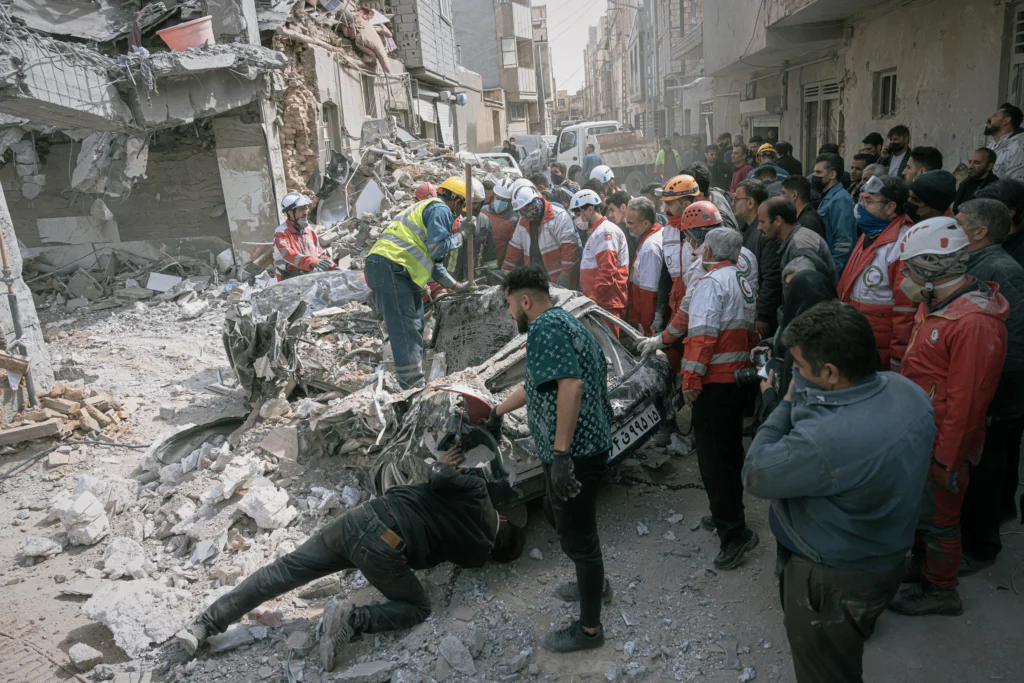
Officials report that more than 1,500 people have been killed in Iran, while casualties in Israel and neighboring areas continue to rise. In Lebanon, hundreds have been killed and large numbers of civilians displaced.
U.S. military personnel have also been among the casualties, along with civilians in affected regions.
The simultaneous pursuit of diplomacy and military escalation highlights the complexity of the current situation. While the United States is attempting to open a path toward a ceasefire, its troop deployments signal preparation for a potential widening of the conflict.
Iran’s rejection of negotiations underscores the depth of mistrust between the two countries. Statements from military officials suggest that Tehran views the proposal as lacking credibility, particularly given ongoing military actions.
The involvement of regional intermediaries reflects the broader stakes of the conflict. Countries in the Middle East and beyond have strong incentives to prevent further escalation, especially as attacks on energy infrastructure threaten global economic stability.
Control of the Strait of Hormuz remains a critical factor. Any sustained disruption to shipping through the waterway could have far-reaching consequences for global energy markets, increasing pressure on governments worldwide.
At the same time, the continued exchange of strikes between Israel and Iran raises the risk of a prolonged conflict with no clear resolution in sight.
As both sides maintain firm positions, the gap between diplomatic efforts and military realities appears wide, leaving uncertainty over whether a ceasefire can be achieved in the near term.
AP





