

Israeli police prevented senior Catholic leaders from entering one of Christianity’s holiest sites to celebrate Palm Sunday Mass, an unprecedented move in modern times that has drawn sharp international criticism and raised concerns over restrictions on religious worship in Jerusalem.
Cardinal Pierbattista Pizzaballa, the Latin Patriarch of Jerusalem, was stopped by police as he attempted to enter the Church of the Holy Sepulchre on Sunday to conduct a private Mass marking the start of Holy Week, according to the Latin Patriarchate of Jerusalem. He was accompanied by Father Francesco Ielpo, a senior cleric associated with the church.
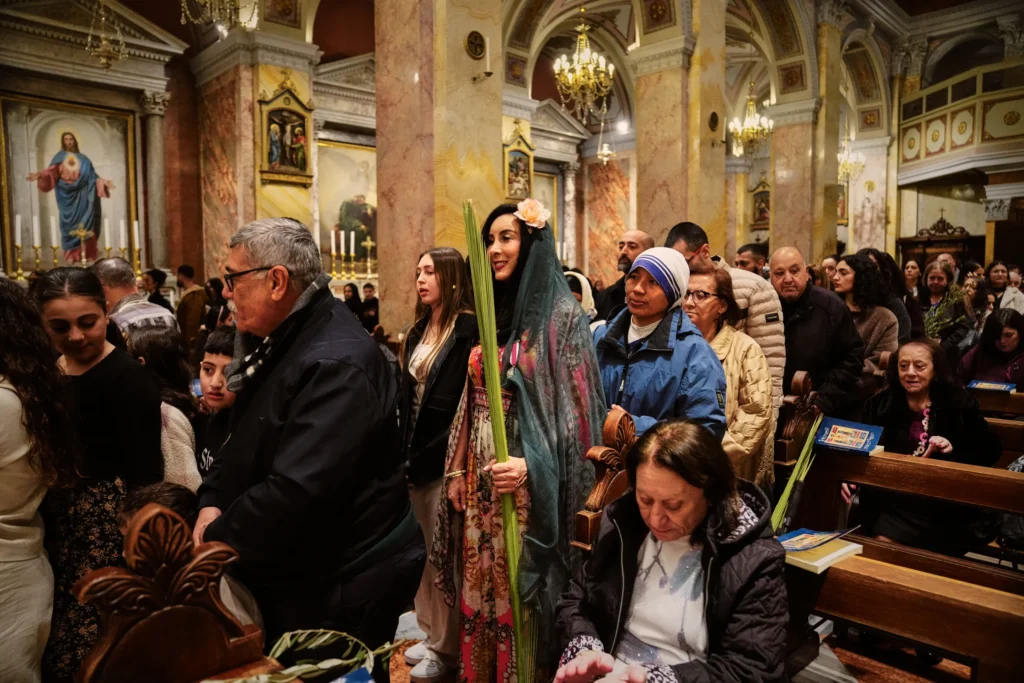
Church officials said the two were traveling quietly without any public procession or ceremonial gathering when police intervened and turned them away. The Patriarchate described the incident as the first time in centuries that senior church leaders had been prevented from observing Palm Sunday at the site traditionally recognized by Christians as the place of Jesus’ crucifixion.
The Associated Press reported that the decision triggered a wave of criticism from the United States and other countries, with leaders questioning the necessity and proportionality of the restrictions.
Israeli authorities cited security concerns linked to the ongoing regional conflict as the basis for the decision. Police said they had informed church officials a day earlier that no Mass would be permitted at the site on Palm Sunday due to safety risks, including limited access for emergency vehicles in the narrow streets of the Old City and insufficient shelter capacity.
Jerusalem’s major religious sites, including the Church of the Holy Sepulchre, have been largely closed amid continued missile threats, according to officials. The city has faced repeated attacks, prompting heightened security measures.
However, the Latin Patriarchate challenged the reasoning, noting that the church had continued to host limited, private services since the conflict began, typically with fewer than 50 participants in line with military guidelines.
“It is a deeply sacred day for Christians, and there was no clear justification for such a decision,” said Farid Jubran, a spokesperson for the Patriarchate. He added that the church had requested permission for a small, private gathering, not a public event.
Palm Sunday marks the beginning of Holy Week, one of the most significant periods in the Christian calendar, commemorating Jesus’ entry into Jerusalem. Traditionally, the day is observed with large processions, drawing thousands of pilgrims from around the world. This year’s public events had already been canceled due to security concerns.
Instead of leading services at the Church of the Holy Sepulchre, Pizzaballa conducted Mass at a nearby monastery considered a safer location. He later held a prayer service on the Mount of Olives but did not address the earlier incident in his remarks.
The Vatican did not immediately comment on the situation. However, Pope Leo the Fourteenth, speaking at a Palm Sunday service in Rome, offered prayers for Christians in the Middle East, noting that many are unable to fully observe religious traditions due to ongoing violence.
The incident prompted criticism from several world leaders and governments.
United States Ambassador Mike Huckabee described the decision as an overreach, stating that the planned gathering was well within the permitted size limit. He said preventing the Patriarch from entering the church on such a significant day was difficult to justify.
French President Emmanuel Macron expressed concern about what he described as increasing restrictions affecting religious sites in Jerusalem. He emphasized that freedom of worship must be protected for all faiths.
Italy’s government also issued a formal protest, summoning Israel’s ambassador for clarification. Prime Minister Giorgia Meloni said the move undermined religious freedom and offended not only believers but broader communities that value the right to worship.
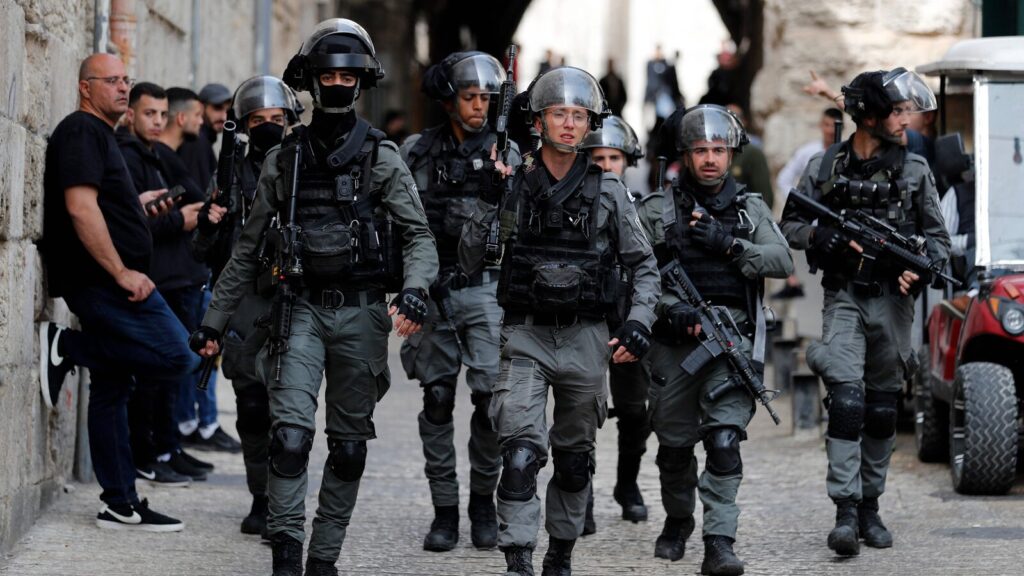
Israeli Prime Minister Benjamin Netanyahu responded by saying there was no intent to target religious practices. He said the restrictions were based solely on safety considerations and indicated that authorities are working on a plan to allow limited access to the church in the coming days.
“Given the importance of the period leading up to Easter, security agencies are preparing measures to enable worship at the site,” Netanyahu said in a public statement.
In an interview with an Italian broadcaster, Pizzaballa described the situation as a disagreement with authorities but said discussions remained respectful. He expressed hope that arrangements could be made to balance security needs with the right to prayer.
Restrictions have also affected other religious sites in Jerusalem. The Western Wall, a major site for Jewish prayer, has been largely closed, with only small groups allowed access under strict limits. Smaller places of worship across the Old City remain open if they meet safety requirements, including proximity to shelters and limits on gathering size.
The decision to block senior Catholic leaders from entering the Church of the Holy Sepulchre reflects the difficult balance between security and religious freedom in a city central to multiple faiths. While Israeli authorities argue that the measures are necessary to protect lives amid ongoing attacks, the move risks deepening tensions with religious communities and international partners.
Jerusalem has long operated under a delicate arrangement governing access to holy sites, often referred to as the status quo. Any perceived disruption to that balance can carry significant political and diplomatic consequences. Preventing senior clergy from conducting even a private service on a major religious holiday represents a notable departure from established practice.
The timing of the incident, during Holy Week, amplifies its impact. For many Christians worldwide, the Church of the Holy Sepulchre is among the most sacred locations, and restrictions on access during this period resonate far beyond the region.
From a security standpoint, officials face genuine challenges. The Old City’s narrow streets and limited infrastructure complicate emergency response efforts, particularly during periods of heightened threat. However, critics argue that narrowly tailored measures could allow limited religious observance without compromising safety.
Diplomatically, the response from the United States and European leaders highlights the broader implications of the decision. Israel’s allies have generally supported its security measures but appear concerned about actions that may be viewed as infringing on religious rights.
Looking ahead, the effectiveness of Israel’s proposed plan to allow partial access will be closely watched. How authorities manage access to holy sites in the coming days could influence both local stability and international perceptions.
AP/TheJerusalemPost





