

A French soldier serving with a United Nations peacekeeping mission in southern Lebanon was killed and three others were wounded in an attack Saturday, French officials said, in an incident that has heightened tensions during a fragile ceasefire in the region.
Emmanuel Macron identified the fallen soldier as Florian Montorio, a staff sergeant with the 17th Parachute Engineer Regiment based in Montauban. Montorio was part of the multinational force known as the United Nations Interim Force in Lebanon, which operates in southern Lebanon.
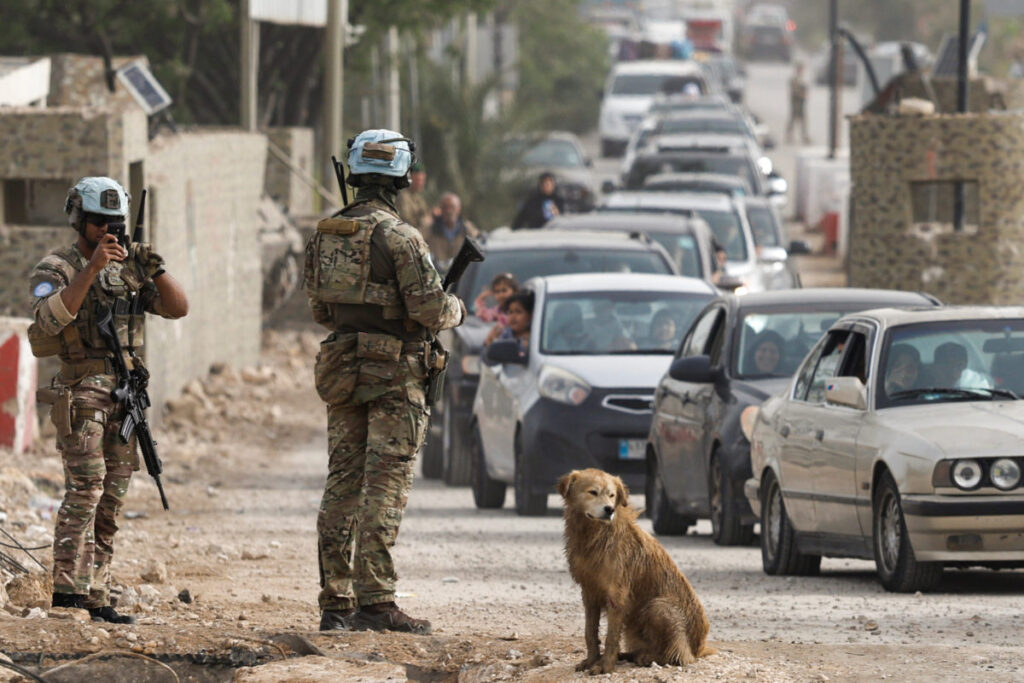
Macron said the attack occurred during the morning as peacekeepers carried out their duties. Three other French soldiers were injured and evacuated, he added, noting that the nation stands in support of the victims’ families and military personnel deployed in the region.
“Everything suggests that responsibility for this attack lies with Hezbollah,” Macron said in a statement posted on social media. He called on Lebanese authorities to detain those responsible and fulfill their obligations alongside the United Nations mission.
Hezbollah rejected the accusation, urging caution in assigning blame before the completion of an official investigation. In a statement, the group said conclusions should not be drawn until the Lebanese army determines the circumstances surrounding the incident.
The peacekeeping force said the attack occurred while a patrol was clearing explosive remnants along a road in the village of Ghanduriyah. According to its statement, the unit came under small-arms fire from armed individuals not affiliated with a recognized military force. Two of the injured soldiers were reported to have sustained serious wounds.
Nawaf Salam condemned the attack and ordered an immediate investigation. He warned that such incidents could damage Lebanon’s international relationships and undermine stability in the region.
The violence comes amid a 10-day ceasefire between Israel and Lebanon announced earlier this week by Donald Trump following rare direct talks between the two sides in Washington.
Despite the ceasefire, tensions remain high. Israel’s military said earlier Saturday that it had identified individuals it described as militants approaching its forces and posing a threat. The military said it responded with targeted strikes.
The killing of a United Nations peacekeeper underscores the volatile conditions in southern Lebanon, even during a declared pause in hostilities. Peacekeeping missions are designed to stabilize conflict zones, but they often operate in environments where control is fragmented and armed groups remain active.
France’s swift attribution of responsibility to Hezbollah reflects longstanding concerns about the group’s presence and influence in the region. However, the group’s denial highlights the complexity of assigning blame in areas where multiple armed actors may be present. Determining responsibility will likely depend on findings from the Lebanese army’s investigation.
The incident also raises questions about the effectiveness of the current ceasefire. While the agreement has reduced large-scale fighting, smaller clashes and isolated attacks suggest that underlying tensions remain unresolved. Such incidents can quickly escalate if they trigger retaliatory actions or erode trust between the parties involved.
For the United Nations mission, the attack highlights the risks faced by peacekeepers operating in active conflict zones. Tasks such as clearing explosive devices are inherently dangerous and often place personnel in exposed positions. Ensuring their safety requires cooperation from local authorities and armed groups, which can be difficult to secure consistently.
The broader geopolitical context further complicates the situation. The ceasefire brokered with U.S. involvement represents a rare moment of direct engagement between Israel and Lebanon, but sustaining it will require continued diplomatic effort. Incidents like this one can strain those efforts and create pressure for stronger responses from affected countries.
France’s reaction also signals the importance of its role within the peacekeeping mission. As one of the key contributors to the force, France may push for greater accountability and stronger security measures to protect its personnel. This could influence both United Nations operations and diplomatic discussions in the region.
Ultimately, the attack illustrates the fragile balance between conflict and stability in southern Lebanon. While ceasefires can reduce large-scale violence, they do not eliminate the risks posed by localized clashes, miscalculations, or actions by groups operating outside formal agreements.
AP/CNN





