

(Reuters/France24) — At least 100 civilians were killed when a military airstrike hit a crowded market in northwest Nigeria’s Zamfara state, the rights organization Amnesty International said Tuesday, calling for an urgent investigation into one of the deadliest incidents in the region in recent weeks.
The strike struck the Tumfa market in the Zurmi district on Sunday, an area affected by armed groups and ongoing military operations. Witness accounts cited by Amnesty indicated that military aircraft were seen over the area earlier in the day before returning hours later to launch the attack on the busy marketplace.
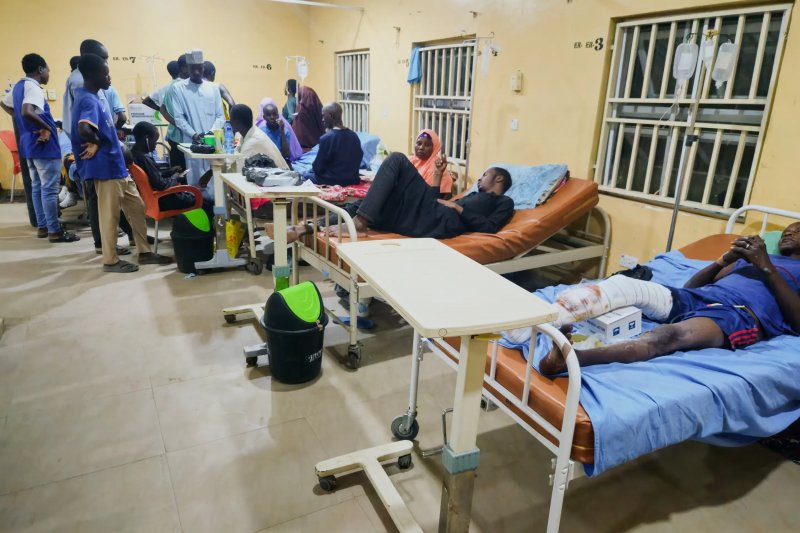
Medical facilities in Zurmi and nearby communities have been treating dozens of wounded survivors, the group said, noting that many of the victims were women and young girls who had gathered for trade.
Nigeria’s military did not immediately issue a public response to the latest allegations but has consistently maintained that its air operations are guided by intelligence and aimed at armed groups rather than civilians. Previous incidents have drawn similar denials even as casualty figures from local sources have raised concerns about the impact on noncombatants.
The strike marks the second major incident in recent weeks involving a crowded market. In April, another air operation in northeastern Nigeria killed scores of people at a weekly trading hub. Authorities later opened an inquiry into that incident, though findings have not been publicly released.
Accounts from residents in Zamfara suggest growing anxiety over the increasing risk faced by civilians caught between armed groups and military operations. In rural areas where state presence is limited, markets often serve as vital economic lifelines, drawing large crowds and increasing the potential for mass casualties when violence occurs.
Additional information gathered by international media, including Agence France-Presse as cited by France 24, indicates that the death toll remains contested, with some community leaders offering lower estimates while others place the number even higher. A local resident described scenes of devastation, with bodies severely damaged by the blast and survivors searching for missing relatives.
The violence unfolded against a broader backdrop of insecurity in northern Nigeria, where armed groups — often described locally as bandits — carry out raids, kidnappings, and attacks on villages. These groups operate alongside a long-running insurgency in the northeast, stretching security forces and complicating efforts to distinguish between civilian and militant targets.
Amnesty International said the strike reflects a troubling pattern in which civilians bear the brunt of violence from both armed groups and military responses. The organization described the attack as unlawful and said it demonstrated a disregard for civilian life.
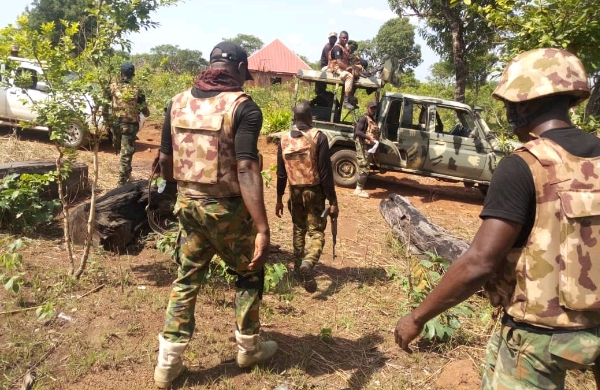
On the same day as the Zamfara strike, separate violence attributed to armed groups reportedly claimed dozens of additional lives in the region, underscoring the scale of insecurity facing communities. In one incident, travelers were killed in an attack unrelated to the airstrike, while coordinated assaults in nearby areas added to the overall toll.
The Nigerian military has previously acknowledged the complexity of its operations, particularly in regions where armed groups blend into civilian populations or operate within community spaces such as markets. However, repeated incidents involving civilian casualties have intensified calls for greater transparency and accountability.
The reported deaths in Zamfara highlight a deepening challenge for Nigeria’s security strategy: balancing aggressive action against armed groups with the protection of civilian populations. Air power has become a central tool in combating banditry and insurgency, especially in remote areas where ground operations are difficult. Yet such tactics carry significant risks when intelligence is incomplete or when targets are located within densely populated civilian zones.
Markets, in particular, present a dilemma. While they are essential gathering points for local economies, they are also sometimes used by armed groups for logistics or taxation. This dual use complicates military targeting decisions and increases the likelihood of tragic outcomes.
The repeated occurrence of mass-casualty airstrikes raises questions about operational oversight and the effectiveness of existing safeguards designed to prevent civilian harm. Without transparent investigations and accountability measures, public trust in state institutions may erode further, especially in regions already experiencing limited government presence.
At the same time, the persistence of armed groups reflects deeper structural issues, including poverty, weak governance, and longstanding tensions between farming and herding communities. These factors have fueled the growth of loosely organized but highly mobile armed networks that are difficult to dismantle through military means alone.
International scrutiny is also likely to intensify. Human rights organizations and foreign partners may push for clearer rules of engagement and independent reviews of military operations. For Nigeria, maintaining credibility while addressing security threats will require not only tactical adjustments but also broader efforts to stabilize affected communities.
Ultimately, the Zamfara incident underscores the human cost of a conflict that shows few signs of easing. As authorities weigh their next steps, the demand for justice from affected families is likely to remain a central issue in the national conversation.





