

Negotiators from the United States and Iran have reached a tentative understanding to extend their fragile ceasefire and open a new phase of nuclear negotiations, though final approval now rests with President Donald Trump, officials familiar with the talks said.
The preliminary framework would prolong the current truce by 60 days and launch discussions over Tehran’s nuclear program, marking the most significant diplomatic movement since hostilities began earlier this year. Iranian authorities have yet to publicly endorse the proposal, and U.S. officials cautioned that the agreement remains incomplete without Trump’s authorization.
The emerging arrangement comes as tensions continue to flare despite the ceasefire. A fresh exchange of fire unfolded within the past 24 hours, with the U.S. Central Command indicating that missiles launched from Iran were intercepted by Kuwait’s air defenses, underscoring the volatility surrounding the negotiations.
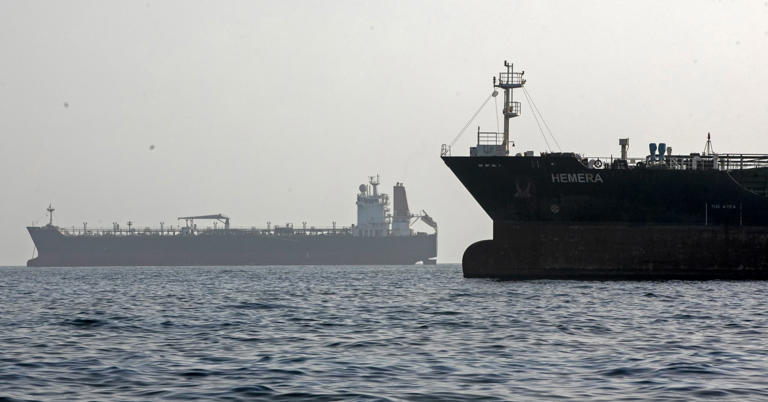
At the center of the draft agreement is the strategic Strait of Hormuz, a critical global shipping route that has been largely disrupted during the conflict. Under the proposed terms, Iran would be required to remove naval mines from the waterway within 30 days and refrain from imposing tolls on passing vessels. In return, Washington would begin easing its naval blockade of Iranian ports and offer limited sanctions relief, allowing Tehran to resume oil exports.
The closure of the strait has sent shockwaves through global energy markets, sharply driving up oil and gas prices. U.S. Treasury Secretary Scott Bessent signaled that prices could drop quickly if maritime traffic resumes at full capacity.
Despite the diplomatic progress, major sticking points remain unresolved. Chief among them is the fate of Iran’s stockpile of highly enriched uranium. The International Atomic Energy Agency estimates that Iran holds more than 440 kilograms enriched to near weapons grade levels. How that material will be handled is expected to dominate negotiations during the proposed ceasefire window.
U.S. officials indicated that options such as transferring the material to a third country remain under consideration, though Trump has expressed reservations about allowing nations such as Russia or China to take custody.
The outline of the deal first surfaced through reporting by Axios, with additional confirmation from Reuters, which cited multiple sources familiar with the discussions. Both outlets noted that while the framework signals momentum, past efforts have faltered at similar stages.
Meanwhile, both sides have continued limited military actions while insisting they are acting within defensive boundaries. U.S. forces recently carried out strikes on Iranian drone infrastructure near Bandar Abbas, while Iran’s paramilitary forces claimed to have retaliated against what they described as the originating base.
Kuwait condemned the missile activity directed toward its territory, calling it a serious escalation, while U.S. officials labeled the incident a breach of ceasefire terms.
Beyond the nuclear file, Iran has tied any broader agreement to regional conditions, including demands that Israeli military operations against Hezbollah in Lebanon come to an end. Ongoing airstrikes in Beirut and southern Lebanon, which have resulted in casualties, continue to complicate the diplomatic landscape.
The proposed ceasefire extension reflects a pattern seen throughout the conflict, where limited agreements are used to buy time rather than resolve core disputes. While the framework addresses immediate concerns such as shipping access through the Strait of Hormuz, it leaves the most contentious issue unresolved: Iran’s nuclear capability.
The insistence on linking nuclear talks with regional conflicts, particularly in Lebanon, suggests Tehran is seeking broader geopolitical concessions rather than a narrowly defined agreement. This raises the likelihood that negotiations could become entangled in multiple parallel crises, reducing the chances of a swift resolution.
For Washington, the decision now centers on balancing strategic pressure with economic stability. Reopening the strait could ease global energy markets and reduce domestic economic strain, but any perceived concession on nuclear oversight risks political backlash.
Trump’s pending approval adds another layer of uncertainty. His previous shifts between hardline rhetoric and cautious diplomacy indicate that the final decision may hinge as much on political considerations as on the substance of the agreement.
The coming days are likely to determine whether this framework evolves into a durable accord or joins a growing list of near agreements that collapsed under pressure from competing strategic demands.
Reuters/AP





