

A Kenyan court on Tuesday extended its suspension of a proposed United States backed Ebola quarantine facility after protests against the project turned deadly, with at least two people reported killed during clashes in central Kenya.
High Court Judge Patricia Nyaundi ordered that the plan remain on hold for three more weeks while legal proceedings continue. The court also directed the government to release full details of its agreement with Washington within seven days and scheduled the next hearing for June 23.
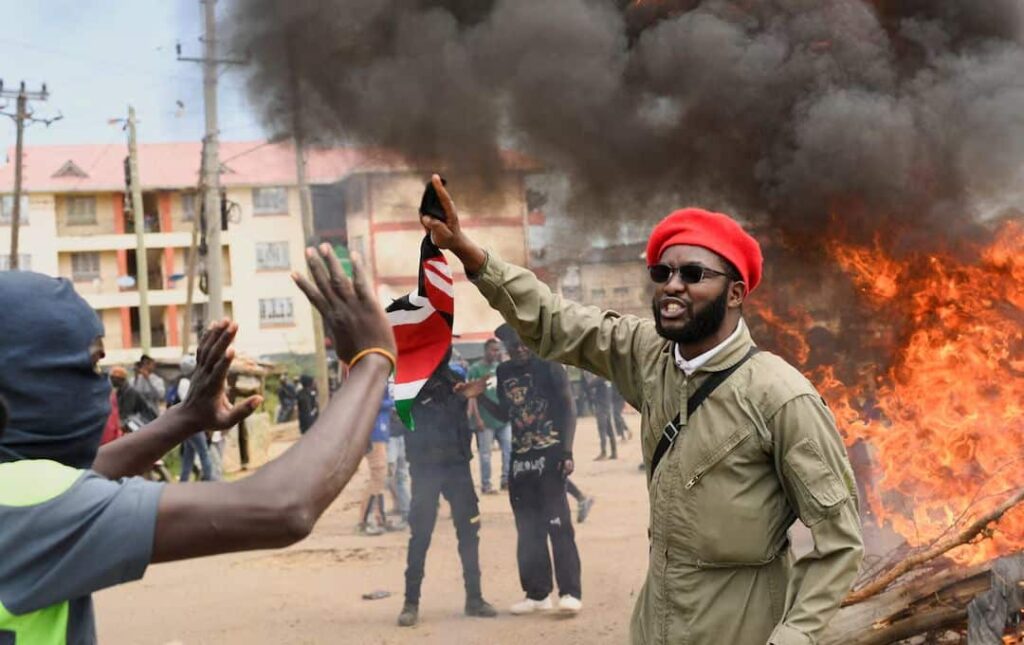
The ruling follows unrest in the town of Nanyuki, where hundreds of residents took to the streets to oppose the planned facility. Protest organizers said two people died from gunshot wounds after police intervened. A security source confirmed fatalities but did not specify the cause, while police spokesperson Michael Muchiri said he had no immediate confirmation of the deaths.
The proposed 50 bed quarantine unit is intended to house Americans exposed to Ebola in the Democratic Republic of Congo and neighboring Uganda. The plan has sparked widespread concern among Kenyans, many of whom argue the project could expose the country to unnecessary health risks.
The court had already issued an earlier temporary halt last week after a petition was filed by a legal advocacy group. Despite that order, United States aircraft have continued transporting personnel and equipment into Kenya, according to a US official and diplomatic sources familiar with the developments.
Kenyan President William Ruto defended the agreement, describing it as part of a broader national preparedness strategy and an extension of long standing health cooperation with the United States.
“We are a responsible government. We know what we are doing,” Ruto said, adding that the facility would serve both Kenyan citizens and foreign nationals.
However, a US official indicated the center would primarily treat American citizens, with American medical teams overseeing operations. The official said the priority is to contain the spread of Ebola while ensuring high level clinical care for those exposed.
Senior US health official Mehmet Oz said during a White House briefing that the administration of President Donald Trump remains confident a workable arrangement with Kenya will be achieved.
“I think we are going to reach a favorable understanding,” Oz said, describing the plan as beneficial to both countries.
The controversy comes as an outbreak of the Bundibugyo strain of Ebola continues to spread in parts of central Africa. The World Health Organization said the Democratic Republic of Congo has recorded hundreds of confirmed and suspected cases, along with dozens of deaths, while Uganda has also reported infections.
The Trump administration has maintained that it will not allow Ebola cases to enter the United States, a stance that has fueled criticism among Kenyan activists who view the facility as shifting the burden of risk abroad.
Patients at the proposed site would be individuals exposed to the virus but not yet showing symptoms, with those who fall ill expected to be transferred to treatment centers in other countries.
Kenyan courts have a reputation for independence, and the latest ruling reinforces judicial oversight in high profile agreements involving foreign governments. Still, activists have often accused authorities of sidestepping court directives.
The deadly protests mark a turning point in the dispute, transforming what began as a legal and policy debate into a broader public crisis. Public anger reflects deeper concerns about transparency, national sovereignty and trust in government decisions involving foreign partnerships.
The extension of the court order suggests the judiciary is seeking to slow down implementation and force greater accountability. Requiring disclosure of agreements may reveal details that could either calm public fears or intensify opposition, depending on what emerges.
At a global level, the situation highlights a recurring tension in international health responses. Wealthy countries often attempt to manage infectious disease risks beyond their borders, especially when domestic political pressures limit options at home. In this case, the refusal to treat Ebola patients on US soil has amplified perceptions of unequal burden sharing.
The outcome of the case could influence how future cross border health arrangements are negotiated, particularly in regions where public trust and institutional transparency remain fragile.
For now, the project remains in limbo, caught between legal scrutiny, public resistance and an ongoing outbreak that continues to pose regional and international risks.
Reuters/Kenyans.co.ke





