

The United States military said it intercepted Iranian missiles and drones launched toward Gulf allies and key maritime routes before striking Tehran’s coastal surveillance sites, marking another sharp escalation in a conflict that continues to defy diplomatic efforts.
According to United States Central Command, U.S. forces shot down four Iranian drones heading toward the Strait of Hormuz, a vital corridor for global oil shipments. The military assessed the drones as a direct threat to commercial shipping in the region.
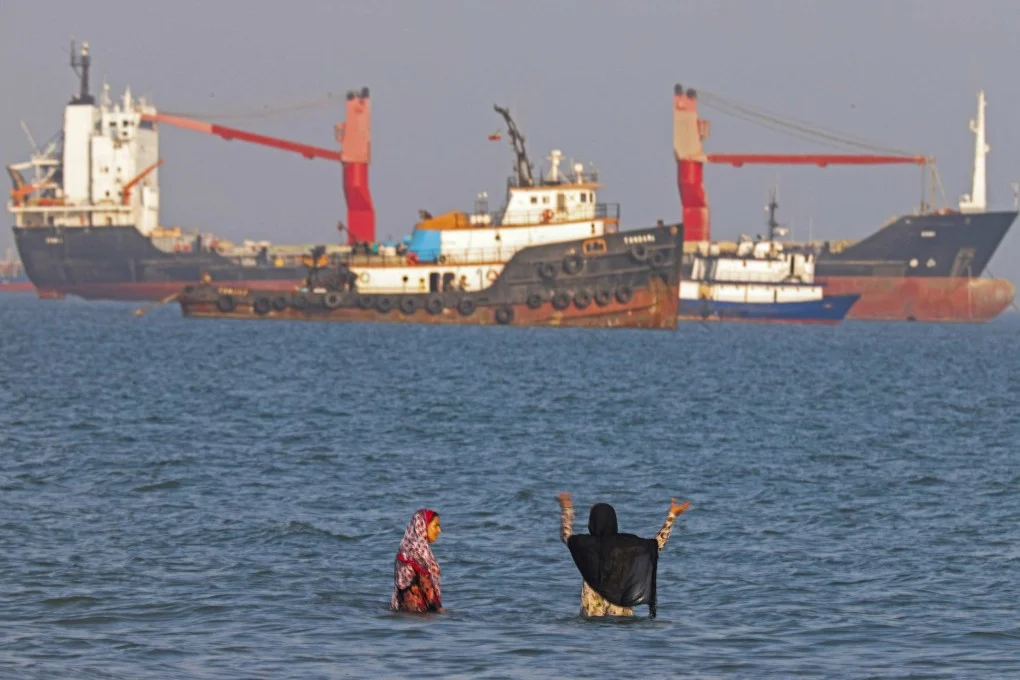
In response, U.S. forces targeted Iranian radar and monitoring installations located along the coastline, including sites on Qeshm Island, aiming to disrupt what officials described as Tehran’s ability to coordinate further attacks.
The exchange widened hours later when Iran fired ballistic missiles toward Kuwait and Bahrain, both of which host U.S. military facilities. U.S. officials said six of the missiles were intercepted, while another failed to reach its intended target. There were no immediate reports of casualties among American personnel.
Iran’s Revolutionary Guard asserted that the strikes were aimed at U.S. bases in both countries and described them as retaliation for earlier American operations. Regional governments moved quickly to activate defense systems. Kuwait’s military reported intercepting incoming projectiles, while Bahrain sounded air raid sirens and urged residents to seek shelter.
The flare up comes as the administration of Donald Trump presses for a negotiated settlement to end the conflict, now entering its third month. Despite intermittent talks, including proposals for a temporary extension of a ceasefire, both sides have continued to exchange fire, underscoring the fragility of any diplomatic progress.
Trump has maintained that the United States retains overwhelming military capability, noting in a recent interview that Iran’s missile stockpile has been significantly reduced but remains a concern. He also signaled that Washington still prefers a negotiated outcome, even as military operations continue.
The conflict has already disrupted shipping through the Strait of Hormuz, through which roughly one fifth of the world’s oil supply once passed before hostilities intensified. Energy markets have reacted with volatility, and international agencies warn that prolonged instability could ripple through global supply chains.
Separate developments across the region have added to the strain. Fighting linked to Iran’s regional allies has continued in parts of the Middle East, complicating U.S. efforts to isolate the conflict and secure a broader agreement.
The latest exchange highlights a pattern that has defined the U.S. Iran confrontation in recent months: tactical military actions running parallel to stalled diplomacy. By intercepting drones near a critical shipping lane and striking radar sites, Washington is signaling both defensive intent and a willingness to degrade Iran’s operational reach.
For Tehran, missile launches toward Gulf states serve a dual purpose. They demonstrate capacity to threaten U.S. assets and regional infrastructure while reinforcing its leverage in ongoing negotiations. The targeting of maritime routes also underscores Iran’s long standing strategy of using the Strait of Hormuz as a pressure point in times of conflict.
The broader implication is a conflict caught in a strategic loop. Neither side appears ready to escalate into full scale war, yet both continue calibrated strikes that keep tensions elevated. This dynamic complicates diplomacy, as each new exchange hardens positions and reduces political space for compromise.
For global markets and regional allies, the stakes remain high. Even limited disruptions in the Strait of Hormuz can trigger outsized economic consequences, particularly in energy dependent economies. As a result, the conflict is no longer confined to bilateral tensions but has become a central factor in global economic stability.
Unless a framework emerges that addresses both security concerns and economic pressures, the cycle of retaliation and negotiation is likely to persist, with the risk of miscalculation growing with each new incident.
Reuters/AP





