

The General Overseer of Jesus Is Ontop Ministry in Amichi, Nnewi South Local Government Area of Anambra State, Nigeria, has been arrested and transferred to police custody at the State Criminal Investigation Department in Awka on allegations of serially raping and impregnating a 16-year-old girl who was entrusted to his spiritual care for what her family believed would be religious deliverance.
Evangelist Dozie Ezani was apprehended at his poultry farm in Igboukwu, Aguata Local Government Area, by operatives from the Anambra State Special Anti-Touting Squad following credible intelligence gathering and monitoring of his activities. The arrest came after security personnel observed suspicious movements involving the pastor and the teenage victim over an extended period.
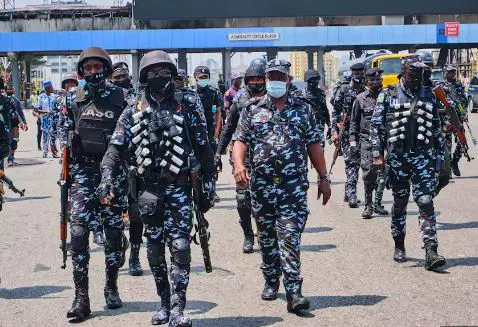
The Spokesperson for SASA, Karen James, disclosed after cross-examination of the victim at the squad’s headquarters in Onitsha on Friday that the suspect habitually raped the girl at multiple locations including his residence, his church in Amichi, and his poultry farm in the neighboring Igboukwu community. The pattern of abuse across different venues suggested deliberate exploitation of the girl’s vulnerability and the pastor’s positions of authority.
James confirmed that following the suspect’s arrest, he was immediately transferred to the state Criminal Investigation Department where further interrogations and investigations are ongoing. “A security personnel from Igboukwu, where the latest incident occurred, brought in the report of the rape. The security personnel have been observing the suspicious movements of the pastor and the young girl before bringing the report to SASA’s attention,” she explained.
“On receiving the report, and after due diligence gathering, SASA operatives stormed the church at Igboukwu on Monday to arrest the suspect, where he and the victim were brought to SASA’s office. The suspect was immediately handed over to the State Criminal Investigation Department, Awka, for further investigation,” James detailed, describing the operation that culminated in the pastor’s detention.
“During interrogation, the victim said she was formerly residing in Lagos, but her aunt brought her back and handed her over to the pastor for ‘special deliverance’, before the suspect started forcefully having sexual intercourse with her, leading to suspected pregnancy,” the SASA spokesperson revealed, exposing how religious authority and family trust were exploited to facilitate systematic sexual abuse.
According to James, the victim is scheduled to undergo medical examination to ascertain her true physical condition and the extent of “damages” inflicted upon her through the sustained abuse. SASA operatives are actively tracking the aunt who handed the girl to the pastor and is now reportedly on the run, possibly fearing legal consequences for her role in placing the minor in circumstances that enabled the abuse.
Speaking to journalists at SASA’s headquarters in Onitsha, the victim—who identified herself as Precious Okafor from Amichi—recounted that the pastor began forcefully having sexual intercourse with her as far back as November 2025, immediately upon her arrival at his house for what was supposed to be spiritual deliverance from unspecified afflictions her family believed required pastoral intervention.
The victim testified she was repeatedly abused by the pastor at his church, farm, and residence before being rescued by SASA operatives. She added that she remains uncertain about whether she is pregnant and has been experiencing health complications after consuming substances the pastor gave her—raising concerns about potential attempts to terminate a pregnancy or harm her health to conceal evidence of the abuse.
She appealed to the state government, non-governmental organizations, and well-meaning individuals for medical assistance to address the physical and psychological trauma she has endured. She expressed gratitude to SASA operatives for their intervention in rescuing her from circumstances where she felt powerless to escape or seek help on her own.
During video interrogation, Ezani admitted to sexual activity with the girl but attempted to deflect responsibility by attributing his actions to “the devil’s handiwork”—a common strategy among religious figures accused of sexual misconduct who invoke spiritual warfare to avoid accountability for deliberate criminal behavior.
The pastor claimed the substances he administered to the girl were intended to address the suspected pregnancy—effectively confessing to attempted abortion or pregnancy concealment—and offered to cover her medical expenses if released from custody. The offer suggested awareness of wrongdoing and potential civil liability beyond criminal charges.
SASA Head Monday Nwokoye confirmed the suspect remains in SCID custody while investigations continue into the full extent of his alleged crimes. He urged communities to report suspicious activities involving vulnerable individuals, declaring, “The state frowns at such acts, and perpetrators will be brought to justice” regardless of their religious positions or community standing.
As of the time this account was filed, the police had not issued formal statements regarding the arrest, though SASA confirmed it had transferred the suspect to appropriate authorities for further investigation and possible prosecution. The delay in official police communication reflects common patterns in Nigerian law enforcement where cases proceed through investigative stages before public announcements.
When contacted about the development, the Spokesman for the Anambra State Police Command, SP Tochukwu Ikenga, acknowledged he was not yet aware of the specifics but would make enquiries before issuing any official statement. The measured response suggested the case was still in preliminary investigative stages requiring verification before formal police comment.
The case highlights persistent problems of sexual abuse within religious contexts in Nigeria, where pastors and spiritual leaders often wield enormous authority over congregants who trust them with vulnerable family members. The practice of sending troubled teenagers to religious figures for “special deliverance” creates opportunities for predatory individuals to exploit victims who have been isolated from normal family protection.
The involvement of the victim’s aunt in facilitating the abuse—by removing the girl from Lagos and placing her in the pastor’s custody—raises questions about family members’ responsibilities when entrusting minors to religious authorities. Whether the aunt suspected abuse or merely failed to adequately supervise the arrangement remains unclear, though her reported flight from authorities suggests awareness of potential legal exposure.
The case also illustrates the crucial role that community vigilance can play in protecting vulnerable individuals. The security personnel in Igboukwu who observed suspicious patterns and reported concerns to SASA enabled intervention before potentially more severe harm occurred. Their actions demonstrate the importance of bystanders who notice troubling situations taking action rather than remaining silent.
For Precious Okafor, the road ahead involves not only potential pregnancy and physical health issues but also psychological trauma from betrayal by trusted adults including family members and a religious authority figure. Recovery will require comprehensive medical care, counseling, and support systems to help her process the violation and rebuild her sense of safety and dignity.
The pastor’s attempt to blame his actions on demonic influence rather than accepting personal responsibility exemplifies how religious language can be weaponized to evade accountability for criminal conduct. Courts and investigators must look beyond spiritual explanations to examine deliberate choices and patterns of predatory behavior that constitute serious crimes regardless of perpetrators’ religious status.
As the investigation proceeds and prosecutors prepare potential charges, the case will test whether Nigeria’s justice system can hold powerful religious figures accountable for sexual crimes against minors. Successful prosecution would send important signals that religious authority provides no immunity from criminal law and that vulnerable children entrusted to spiritual care deserve protection from exploitation.
The outcome may also influence whether other victims of clergy sexual abuse find courage to report similar crimes, knowing that authorities will take allegations seriously and pursue justice regardless of perpetrators’ positions within religious communities. For now, Evangelist Dozie Ezani remains in custody awaiting the legal process that will determine his fate and potentially provide some measure of justice for the teenage girl whose trust and vulnerability he allegedly exploited so grievously.





