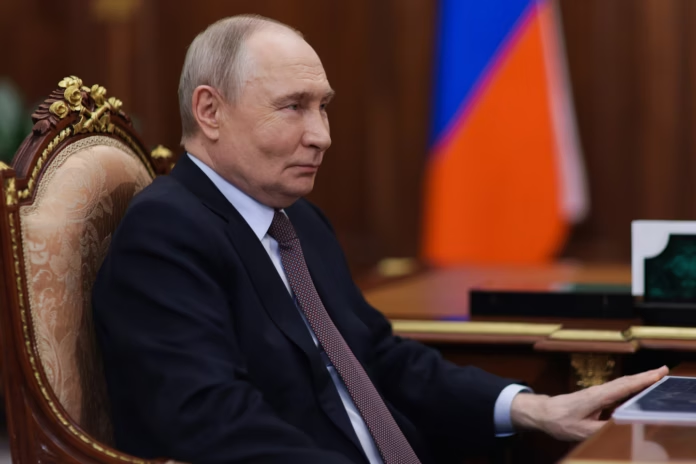
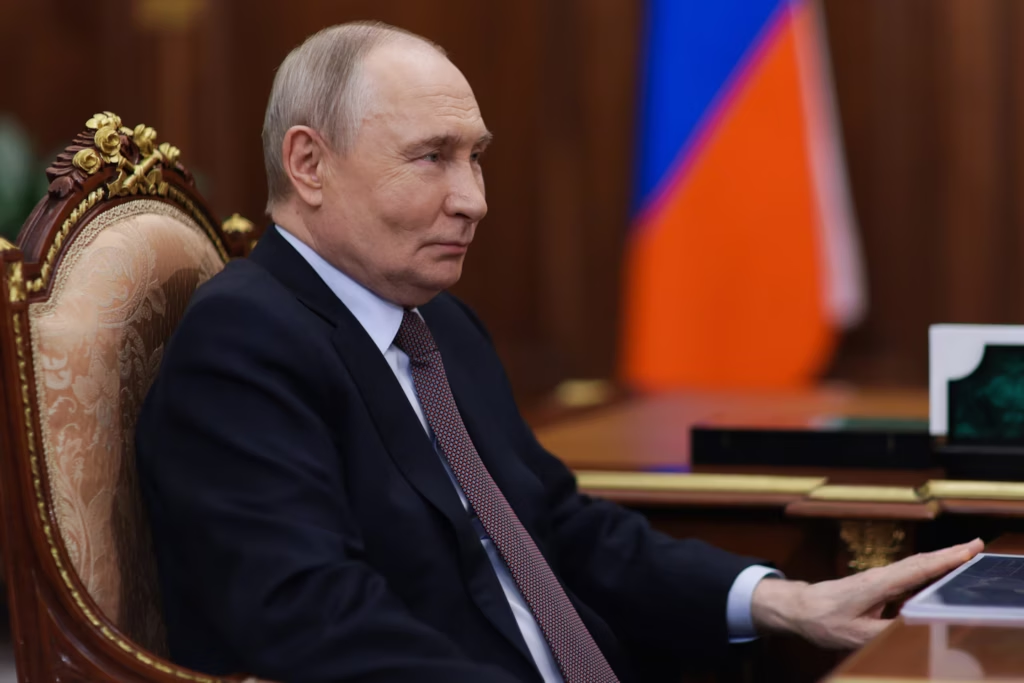
Russia has supplied Iran with intelligence that could help Tehran identify and potentially strike American military assets in the Middle East, according to two officials familiar with U.S. intelligence assessments.
The officials indicated that Moscow passed information capable of assisting Iran in targeting American warships, aircraft and other military resources operating across the region.
Both officials spoke on condition of anonymity because they were not authorized to publicly discuss sensitive intelligence matters.
Despite the intelligence exchange, U.S. analysts have not determined that Russia is directing Iranian military actions or instructing Tehran on how to use the information as the United States and Israel continue strikes against Iranian targets.
The revelation marks the first indication that Moscow may be seeking to play a more active role in the expanding conflict that began when the United States and Israel launched military operations against Iran last week.
The White House downplayed the significance of reports suggesting Moscow is sharing intelligence with Tehran.
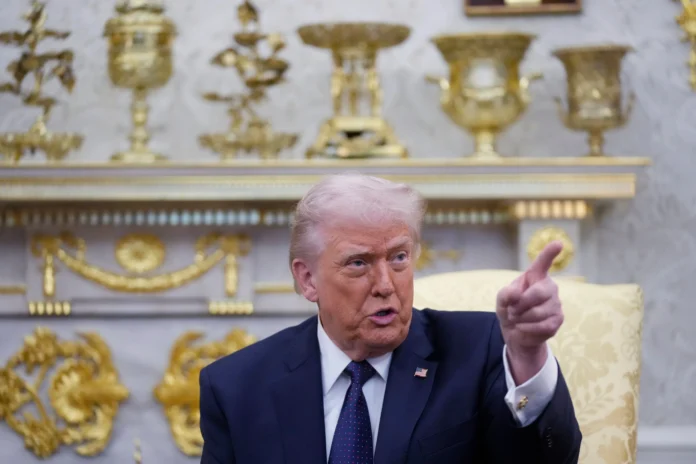
White House press secretary Karoline Leavitt told reporters Friday that the reported cooperation had not altered the course of military operations.
“It clearly is not making any difference with respect to the military operations in Iran because we are completely decimating them,” Leavitt said.
Defense Secretary Pete Hegseth addressed the issue during an interview on CBS’s 60 Minutes, indicating the Pentagon is closely monitoring communications and intelligence flows between global powers.
“The American people can rest assured their commander in chief is well aware of who’s talking to who,” Hegseth said.
“And anything that shouldn’t be happening, whether it’s in public or back-channeled, is being confronted and confronted strongly.”
Leavitt declined to comment on whether President Donald Trump had raised the issue directly with Russian President Vladimir Putin or whether Washington was considering consequences for Moscow.
She told reporters that the president would address those questions himself.
Russian officials refrained from confirming or denying the intelligence sharing.
Kremlin spokesman Dmitry Peskov said Moscow has not received a request from Iran for direct military assistance related to the conflict.
“We are in dialogue with the Iranian side, with representatives of the Iranian leadership, and will certainly continue this dialogue,” Peskov said Friday.
When pressed on whether Russia had supplied intelligence or military support to Iran since the conflict began, Peskov declined to comment further.
Russia remains one of the few major powers maintaining strong diplomatic ties with Tehran.
Iran has faced years of international sanctions and isolation over its nuclear program and its backing of regional militant groups such as Hezbollah, Hamas, and the Houthi movement.
Details about the U.S. intelligence findings were first revealed by The Washington Post.
U.S. officials familiar with the information emphasized that while Russia may have shared intelligence capable of aiding Iranian targeting decisions, analysts have not concluded that Moscow is actively directing Iranian military operations.
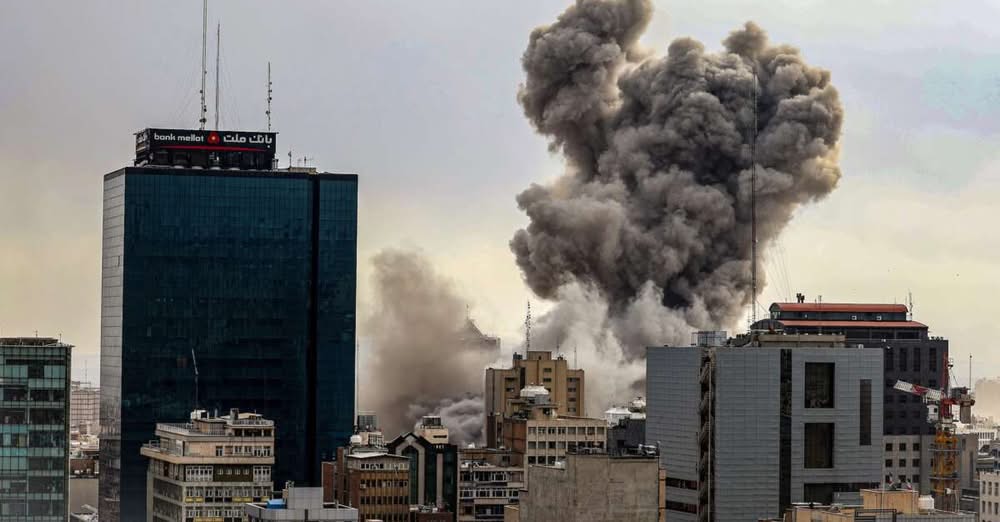
The United States and Israel launched their military campaign against Iran last week, striking leadership targets, missile sites and naval facilities.
Iran has responded with missile and drone attacks aimed at American installations and allied nations in the Persian Gulf.
The intelligence disclosure underscores the growing partnership between Russia and Iran, particularly since Moscow’s invasion of Ukraine.
The Biden administration previously declassified intelligence indicating that Iran had supplied Russia with Shahed attack drones, which Moscow has used extensively during its war against Ukraine.
U.S. officials also accused Tehran of assisting Russia in building a drone production facility inside Russian territory.
In addition, Washington alleged that Iran transferred short-range ballistic missiles to Moscow for battlefield use in Ukraine.
These developments have deepened concerns among Western officials that military cooperation between Russia and Iran could reshape global security dynamics.
Amid the escalating tensions, Ukrainian President Volodymyr Zelenskyy said the United States and several Middle Eastern allies have shown interest in Ukraine’s experience countering Iranian-made drones.
Tehran has supplied Russia with Shahed drones, which Moscow frequently deploys in nighttime attacks against Ukrainian cities.
Zelenskyy indicated that Ukraine has already discussed potential cooperation with countries including the United Arab Emirates, Qatar, Bahrain, Jordan, and Kuwait.
“Ukraine knows how to defend against Shahed drone attacks because our cities have faced them almost every night,” said Olga Stefanishyna, Ukraine’s ambassador to the United States.
“When our partners are in need, we are always ready to help.”
The intelligence revelation arrives as President Donald Trump continues efforts to navigate multiple international crises simultaneously.
Trump has repeatedly vowed to end the war between Russia and Ukraine, though progress toward negotiations has been inconsistent.
His relationship with Zelenskyy has been strained at times, particularly as Trump has encouraged Kyiv to consider concessions to Russia in order to reach a settlement.
During the same period, the United States has escalated its military campaign against Iran, striking strategic military infrastructure and attempting to degrade Tehran’s missile and naval capabilities.
Trump has said the campaign’s objectives include dismantling Iran’s missile arsenal, destroying its naval capacity and preventing Tehran from acquiring nuclear weapons.
The intelligence suggesting Russia may be assisting Iran highlights the emergence of a complex geopolitical triangle involving Moscow, Tehran and Washington.
While Russia and Iran have long maintained diplomatic ties, their cooperation has accelerated dramatically during the Ukraine war. Iran’s drone supplies have helped Russia sustain its military campaign, while Moscow has provided Tehran with political backing and potential technological support.
If intelligence sharing continues, analysts warn it could further complicate the U.S. military posture across the Middle East. American forces operate bases and naval assets throughout the Persian Gulf, making them potential targets if adversaries gain improved situational awareness.
At the same time, Russia’s involvement carries strategic risks for Moscow. Direct participation in a conflict involving the United States could deepen tensions between nuclear powers and widen an already volatile regional war.
For Washington, the situation underscores the interconnected nature of modern conflicts. The wars in Ukraine and the Middle East are no longer isolated theaters; instead, they increasingly overlap through alliances, technology transfers and intelligence cooperation.
Whether Russia’s actions remain limited to information sharing or expand into deeper military involvement could shape the trajectory of the conflict in the coming months.