Home Blog Page 200

Protests seeking statehood in India’s Ladakh turn deadly

0

Leh, Ladakh (BN24)— Protests in India’s Ladakh region seeking statehood and greater autonomy turned violent on Wednesday, with reports of deadly clashes between demonstrators and police. Activists claimed that police gunfire killed at least three to five people, although official figures have yet to be confirmed.

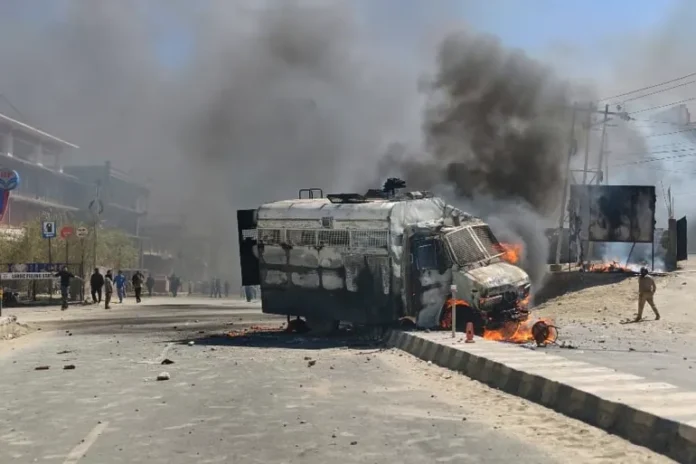
The unrest erupted when youth groups called for a shutdown in Leh, the capital of the strategically important region. The protests, which are part of a growing movement advocating for statehood and more control over local governance, saw demonstrators set fire to a paramilitary vehicle and the office of the ruling Bharatiya Janata Party (BJP).

Police responded by firing tear gas and charging protesters with batons, leaving dozens injured. Residents reported that several of the wounded were in critical condition, though the exact number remains unclear.

Sonam Wangchuk, a prominent local activist who had been on a hunger strike for two weeks to demand more autonomy for Ladakh, spoke to the Indian Express, saying that three to five people are feared dead after police opened fire on the crowd. “We have reports that many people have been injured, but we don’t know the exact count,” Wangchuk said. Al Jazeera could not independently verify these casualty figures.

In the wake of the violence, authorities imposed a ban on gatherings of more than five people in Leh and urged calm. District Administrator Romil Singh Donk issued a public notice forbidding protests, inflammatory speeches, and public gatherings.

The demands behind the protests stem from Ladakh’s loss of autonomy in 2019, when it was reorganized into a federal territory under direct control from New Delhi, following the revocation of Jammu and Kashmir’s special status. Protesters are calling for the region to be granted special status under the Sixth Schedule of the Indian Constitution, which would allow for the creation of local bodies to protect tribal areas and give residents a larger role in governing land and agricultural decisions.

Wangchuk, whose hunger strike aimed to raise awareness for the cause, called for restraint following the violence, urging youth to abandon further acts of aggression. “My message of peaceful path failed today. I appeal to the youth to please stop this nonsense. This only damages our cause,” he said.

Local leaders and activists have been vocal about their frustration with the federal government’s inability to address their concerns. Talks between Ladakh’s political leaders and representatives from New Delhi have repeatedly failed to produce results, and another round of discussions is set for October 6.

The region, which shares a long border with China, holds significant strategic importance for India. In 2020, Ladakh became the site of deadly clashes between Indian and Chinese troops, further heightening tensions in the area. Despite these strains, India and China have been working to improve relations in recent months, especially after the economic fallout from the U.S.-China trade war.

Credit: Al Jazeera
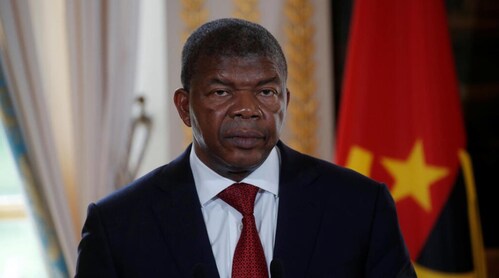
Angolan President João Lourenço nominated for Nobel Peace Prize for African peace efforts

0
Angolan President João Lourenço Nominated for Nobel Peace Prize for Championing African Conflict Resolution

LUANDA, Angola (BN24) — Angolan President João Manuel Gonçalves Lourenço has been nominated for the 2025 Nobel Peace Prize for his diplomatic role in advancing peace and reconciliation efforts across Africa, according to an official submission by Angolan academic and policy analyst Afonso Botáz.

Lourenço, who has served as Angola’s president since 2017, was put forward for the international honor in recognition of his efforts to mediate regional conflicts, particularly his leadership in preventing escalations in the Great Lakes region and stabilizing fragile political environments elsewhere on the continent.

Botáz praised Lourenço’s role as the African Union’s Champion for Peace and Reconciliation, citing his “firm commitment to resolving regional conflicts on the African continent, based on the principle of peace.” His diplomacy has been central to reducing tensions between the Democratic Republic of Congo and Rwanda, where his mediation helped avert open confrontation. He also played a critical role in the Central African Republic, coordinating with regional actors to avoid deepening political unrest.

“President Lourenço’s brand of diplomacy rests on dialogue and respect for the sovereignty of other states,” Botáz wrote in the nomination letter. “His work reinforces a deep commitment to the pacification of regional conflicts. It is a quiet, effective diplomacy that builds calm step-by-step rather than through mere ceremony.”

The nomination also points to Lourenço’s domestic agenda, which has prioritized national reconciliation, the strengthening of public institutions, and historical justice. His administration’s advocacy for reparations and acknowledgment of past injustices has, according to Botáz, helped rebuild public trust and contributed to Angola’s standing as a respected voice in international diplomacy.

“If the Nobel Peace Prize is meant to reward the dedicated practice of peace, then President Lourenço’s record presents the kind of steady, trusted leadership that the continent and the world benefit from,” Botáz concluded.

Lourenço, a former Minister of Defense, became Angola’s third president in 2017. His presidency has focused on economic reform, democratic governance, and expanding Angola’s diplomatic influence, particularly as a stabilizing force in African geopolitics.

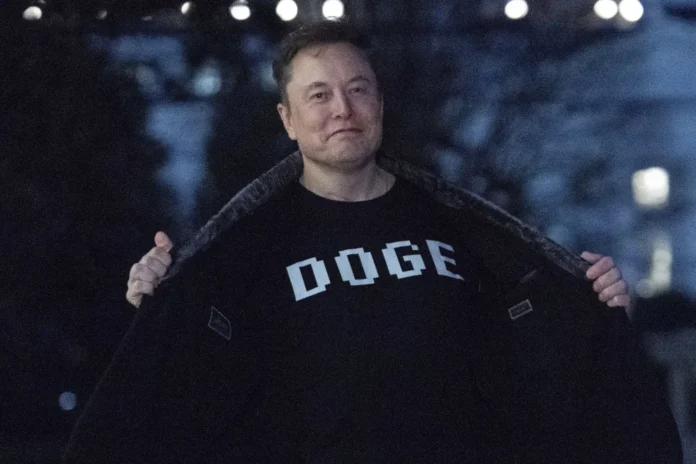
Trump Administration rehires hundreds of federal workers sacked by Musk’s DOGE

0

 The Trump administration is recalling hundreds of federal employees who were laid off earlier this year under the Department of Government Efficiency (DOGE) , reversing sweeping cuts that left key agencies understaffed and taxpayers footing unexpected costs.

The General Services Administration, which manages thousands of government workplaces, sent notices Friday offering reinstatement to dismissed workers. Those who accept must return to duty Oct. 6, according to an internal memo obtained by The Associated Press. Many of the employees had been off the job for seven months but continued receiving pay, while the agency struggled to cover rent on offices it had tried to shed.

“Ultimately, the outcome was the agency was left broken and understaffed,” said Chad Becker, a former GSA real estate official who now represents property owners with federal leases. He described the GSA as operating in “triage mode” after DOGE’s rapid downsizing.

The reversal marks one of several rollbacks of Elon Musk’s efficiency drive. Earlier this year, the IRS, Labor Department and National Park Service also brought back employees who accepted buyouts or were forced out. Democrats have criticized the broad workforce cuts, saying they created chaos without savings.

Rep. Greg Stanton of Arizona, the top Democrat overseeing the GSA, said reductions at the agency delivered “no evidence of savings” but instead caused “costly confusion while undermining the very services taxpayers depend on.”

At the start of Trump’s term, GSA had about 12,000 employees. But under DOGE, thousands resigned or took early retirement. Hundreds more were dismissed outright. Musk’s team, including aides who sometimes slept on cots at GSA headquarters, aggressively pursued lease cancellations and building sales. DOGE initially projected $460 million in savings from lease terminations alone but later reduced that estimate to $140 million by July.

More than 480 lease cancellations have since been reversed, sparing office space for the IRS, Social Security Administration and Food and Drug Administration. Yet the disruptions created new costs. A federal official said 131 leases expired without the government leaving the properties, forcing agencies to pay high fees while landlords were unable to rent to other tenants.

The workforce purge also cut GSA headquarters staff by nearly 80%, portfolio managers by 65% and facilities managers by 35%, according to figures shared with AP. “They didn’t have the people they needed to carry out basic functions,” Becker said.

The Government Accountability Office is now reviewing GSA’s handling of its workforce reductions, lease terminations and proposed property sales. A report is expected in the coming months, said GAO official David Marroni.

A GSA spokesperson said in a statement that the agency’s leadership was “making adjustments in the best interest of the customer agencies we serve and the American taxpayers.”

The reinstated workers face a deadline at the end of the week to decide whether to return.

AP

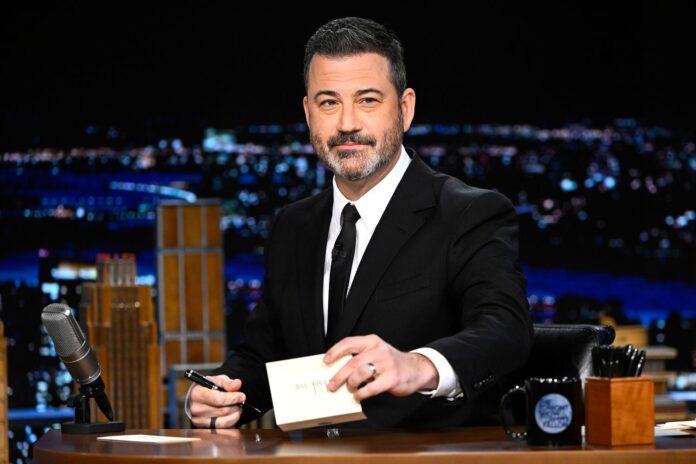
Emotional Jimmy Kimmel says return was to clarify, not joke about Kirk killing

0

LOS ANGELES (BN24) — Jimmy Kimmel returned to his late-night stage Tuesday with an emotional monologue, saying he never meant to make light of the killing of conservative activist Charlie Kirk, and rejecting accusations that his comments were intended to mislead.

Nearly in tears at times, Kimmel told his audience, “It was never my intention to make light of the murder of a young man. I don’t think there’s anything funny about it.” He said his remarks had been misunderstood as either ill-timed or unclear, but insisted he was not trying to blame any group for the actions of “a deeply disturbed individual.”

ABC suspended Jimmy Kimmel Live! last week after criticism of Kimmel’s remarks about the aftermath of Kirk’s death. The suspension followed pressure from Trump-appointed FCC Chairman Brendan Carr, who accused Kimmel of misleading the public about Tyler Robinson, the 22-year-old man charged with the killing. Carr warned that broadcasters could face “additional work from the FCC” if they did not take action.

The suspension prompted a backlash against ABC’s parent company, Disney, with hundreds of actors and entertainers — including Tom Hanks, Barbra Streisand and Jennifer Aniston — signing an ACLU-backed letter calling the move “a dark moment for freedom of speech in our nation.” Some viewers canceled Disney streaming subscriptions in protest.

Kimmel, who has often sparred with President Donald Trump in his comedy, did not apologize but criticized Sinclair and Nexstar station groups for refusing to air his return. “That’s not legal. That’s not American. It’s un-American,” he said.

He thanked fellow late-night hosts, celebrities and even political opponents such as Sen. Ted Cruz for defending his right to speak. He became emotional again when praising Erika Kirk, the widow of Charlie Kirk, for publicly forgiving her husband’s killer. “A selfless act of grace, forgiveness from a grieving widow. It touched me deeply,” Kimmel said.

The studio audience greeted him with a standing ovation and chants of “Jimmy, Jimmy.” Actor Robert De Niro appeared on the show, mocking Carr in a sketch, while singer Sarah McLachlan, who had earlier pulled out of a Disney event in protest of Kimmel’s suspension, performed as the musical guest.

Trump, who has long accused Kimmel of pushing what he calls “Democrat garbage,” hailed the suspension and blasted his reinstatement on Truth Social. “Why would they want someone back who does so poorly, who’s not funny, and who puts the Network in jeopardy?” Trump wrote.

Kimmel, for his part, mocked Trump’s effort to drive him off the air. “He tried his best to cancel me and instead he forced millions of people to watch this show,” Kimmel said.

The dispute has reignited debate over free speech, media independence, and the influence of government officials on entertainment programming.

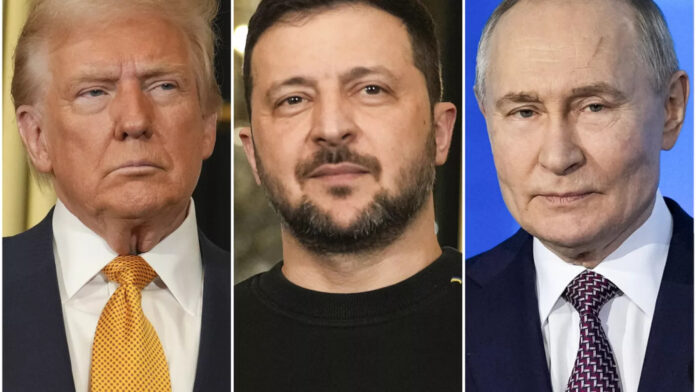
Trump says Ukraine can retake ‘All of Ukraine’ in dramatic policy shift

0

NEW YORK (BN24) — President Donald Trump declared Tuesday that Ukraine could win back all the land it has lost to Russia, a sweeping reversal from his earlier calls for Kyiv to make concessions in pursuit of peace.

The announcement came in a post on Trump’s Truth Social platform shortly after he met with Ukrainian President Volodymyr Zelensky on the sidelines of the United Nations General Assembly. Trump said Ukraine, with support from the European Union and NATO, was in a strong position to retake its original borders and possibly more.

“I think Ukraine, with the support of the European Union, is in a position to fight and WIN all of Ukraine back in its original form,” Trump wrote. He added that Russia, facing severe economic strain from the war, had become a “paper tiger” and that “this is the time for Ukraine to act.”

The remarks represented a dramatic rhetorical shift for Trump, who has previously suggested Ukraine should cede territory to end the war. Just over a month ago, he welcomed Russian President Vladimir Putin at a summit in Alaska, fueling speculation that Washington was pushing for a negotiated settlement.

Zelensky called Trump’s new tone a “big shift” and described their talks as “good, constructive.” He said they discussed Russia’s faltering economy and possible security guarantees for Ukraine once the war ends. The Ukrainian leader added that Trump had the power to be a “game-changer” in the conflict, though he did not reveal specific commitments.

Trump did signal continued military support, saying the United States would supply weapons to NATO allies “for NATO to do what they want with them,” a reference to mechanisms allowing European nations to purchase U.S. arms for Ukraine.

Russia, however, dismissed Trump’s remarks. Deputy U.N. Ambassador Dmitry Polyanskiy urged observers not to “get so excited about every tweet,” casting doubt on whether the shift would translate into real changes in U.S. policy.

Trump’s pivot underscores the uncertainty surrounding Washington’s approach as the war enters its third year. While Zelensky presses for tougher sanctions on Moscow, Trump’s willingness to back Ukraine’s full territorial restoration could signal a harder line against Russia ahead of renewed U.S. engagement in the conflict.

Ryan Routh convicted in Trump golf course assassination attempt after dramatic courtroom outburst

0

Florida (BN24) – Ryan Wesley Routh, the man accused of attempting to assassinate President Donald Trump at his Florida golf course last year, was found guilty Tuesday following a two-week trial marked by tense exchanges and a shocking courtroom scene in which he tried to stab himself in the neck with a pen.

The Florida jury deliberated for just two and a half hours before convicting Routh, 59, on charges of attempted assassination, assaulting a Secret Service agent, and three federal firearms violations stemming from the Sept. 15, 2024, incident at Trump International Golf Club in West Palm Beach. He now faces life in prison when sentenced on Dec. 18.

As the guilty verdict was read, Routh lunged at himself with a pen in an apparent suicide attempt. “Dad, don’t hurt yourself,” his daughter Sara screamed, as bailiffs restrained him and rushed him out of the courtroom. Minutes later, Routh returned in handcuffs with no visible injuries. He exchanged glances and even winked at his children before being led away again.

Trump, responding on Truth Social, hailed the decision as “a very big moment for JUSTICE IN AMERICA,” thanking Attorney General Pam Bondi, Deputy Attorney General Todd Blanche, and the Department of Justice team for what he called a “meticulously handled” trial. “This was an evil man with an evil intention, and they caught him,” Trump wrote.

Bondi called the attempted assassination “an affront to our very nation itself,” adding that the verdict underscored the Justice Department’s commitment to punishing political violence.

U.S. District Judge Aileen Cannon, who presided over the trial, repeatedly admonished Routh, who chose to represent himself despite her warnings it was a “bad idea.” Over the course of the proceedings, Routh delivered rambling arguments, veered into unrelated topics including Jan. 6 and Ukraine, and was cut off several times for straying outside the bounds of the case.

Prosecutors said Routh had planned the attack for months and left behind a note addressed “To the World,” which stated explicitly: “This was an assassination attempt on Donald Trump.” Secret Service Agent Robert Fercano testified that he discovered Routh hiding in shrubbery near the fifth hole, waiting for Trump to appear in his line of fire.

During the trial, federal prosecutors called 38 witnesses who placed Routh at the scene and described how he came close to carrying out the attack. Routh, who had once supported Trump but later turned against him, called only three witnesses and rested his case before noon on the final day.

The verdict came just two days after Trump attended a memorial service for conservative activist Charlie Kirk, whose recent killing on a Utah college campus has fueled rising concerns about political violence across the United States.

Routh, originally from North Carolina and now a Hawaii resident, is being held as he awaits sentencing. If given the maximum penalty, he could spend the rest of his life in federal prison.

Anthony Joshua and Jake Paul ‘AGREE to fight next year’ after U-turn in talks

0

MIAMI (BN24) — YouTube star-turned-boxer Jake Paul and former two-time heavyweight champion Anthony Joshua have reportedly reached a verbal agreement to fight in 2026, pending the outcome of Paul’s upcoming exhibition bout with Gervonta Davis.

The unexpected development follows a U-turn in discussions that began earlier this year, when Paul publicly called out Joshua, sparking initial talks between the fighters’ respective camps.

Nakisa Bidarian, co-founder of Most Valuable Promotions and Paul’s lead negotiator, confirmed ongoing discussions with Joshua’s promoter, Eddie Hearn. Bidarian said there is now “an agreement in principle” for a potential bout between the two, provided all parties remain on course following Paul’s fight in November.

“Anthony Joshua is 100 percent still a target,” Bidarian told reporters. “We have an agreement in principle. Pending this fight and everything coming together, absolutely.”

Paul, 28, is scheduled to face Davis, 30, in an exhibition contest on November 14 in Miami. The matchup was arranged after previous negotiations with Canelo Alvarez fell through. Alvarez instead opted to fight Terence Crawford, a decision that led to his loss in September.

Joshua, 35, has not fought since suffering a knockout loss to Daniel Dubois at Wembley Stadium in September 2024. Following elbow surgery over the summer, the British heavyweight is expected to return to the ring in early 2025. Hearn confirmed that an offer is on the table for Joshua to fight in Ghana as part of a potential comeback.

That bout could serve as a tune-up for a long-anticipated showdown with Tyson Fury in 2026. Fury, 37, retired in January after back-to-back defeats to Oleksandr Usyk but has hinted at a possible return, while Joshua has publicly challenged him to reconsider.

While Paul has bounced between weight classes, his move to heavyweight last year gained international attention when he fought boxing legend Mike Tyson, 58, in a heavily watched Netflix event. Paul tipped the scales at 227 pounds, still significantly lighter than Joshua’s last recorded weight of 252 pounds.

Paul later dropped back to cruiserweight to face former middleweight champion Julio Cesar Chavez Jr., defeating him in California this past June.

Hearn has expressed caution about the Paul fight, saying Joshua’s team isn’t building their schedule around the influencer.

“We’re certainly not holding out for a Jake Paul fight,” Hearn told Sky Sports. “We’re making our own plans, and that will be January or February 2026.”

Despite Hearn’s measured stance, Bidarian remains optimistic about locking in a date with Joshua next year. He emphasized that Paul’s bout with Davis must be completed before a formal agreement can be finalized with Joshua.

“If you get chinned by Gervonta Davis, don’t think you’re fighting Anthony Joshua. It’s ridiculous,” Hearn said.

Joshua’s next steps, including a possible early-year return and a warm-up fight in Ghana, could clear the path for what would be one of boxing’s most unorthodox but high-profile matchups in 2026.

3 West African countries withdraw from ICC, call court neo-colonial tool

0

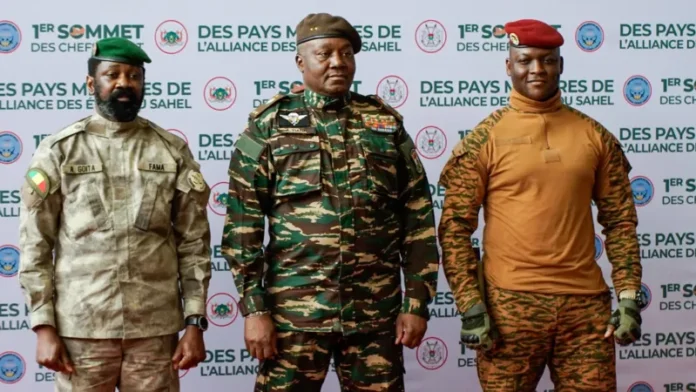
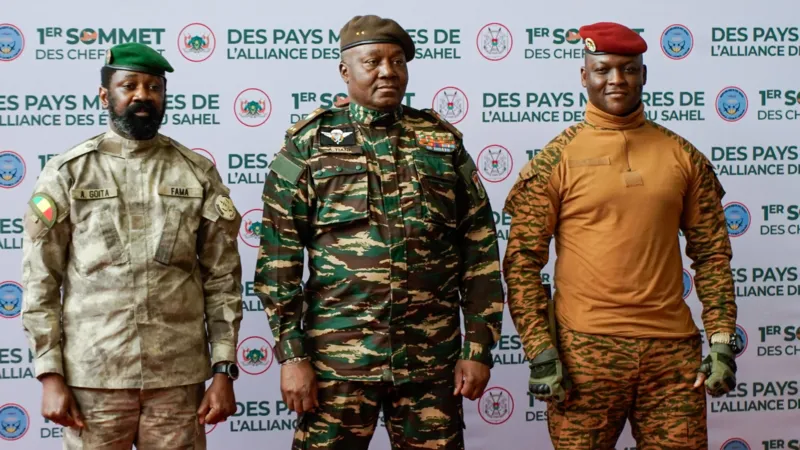
DAKAR, Senegal (BN24) — The military-led governments of Burkina Faso, Mali, and Niger said Sunday they are withdrawing immediately from the International Criminal Court, calling it an “instrument of neo-colonialist repression” and vowing instead to build their own systems of justice.

In a joint statement, the three Sahel nations declared they no longer recognize the authority of the ICC, headquartered in The Hague, accusing the court of selectively targeting weaker nations while failing to prosecute global powers for grave international crimes.

“The ICC has proven itself incapable of handling and prosecuting proven war crimes, crimes against humanity, crimes of genocide, and crimes of aggression,” the statement read.

The court has not issued a formal response. The decision comes as all three countries, which have undergone military coups since 2020, face allegations of abuses by their armed forces in ongoing battles against jihadist insurgencies linked to al-Qaeda and the Islamic State.

Since its establishment in 2002, the ICC has opened 33 cases—32 of which have involved African nations, reinforcing long-standing accusations of bias. Rwandan President Paul Kagame has also voiced similar concerns in the past, criticizing the court for disproportionately targeting African states.

The move marks a continued pivot away from international and regional institutions. Earlier this year, Burkina Faso, Mali, and Niger withdrew simultaneously from the Economic Community of West African States (ECOWAS), rejecting pressure to restore civilian rule.

The three countries now operate under the Confederation of Sahel States, a military alliance formed in response to growing Western isolation and increased cooperation with Russia. Their deepening relationship with Moscow comes amid broader shifts in foreign alliances, with France and other Western powers losing regional influence.

In 2023, the ICC issued an arrest warrant for Russian President Vladimir Putin over alleged war crimes in Ukraine—an action not recognized by the three Sahel governments, all of whom maintain close ties with Moscow.

Though withdrawal from the ICC officially takes effect one year after notification to the United Nations, the trio has signaled they will treat the departure as immediate. Each nation expressed a desire to develop what they termed “indigenous mechanisms for the consolidation of peace and justice.”

The coordinated exit underscores a growing challenge to the legitimacy of global institutions in Africa, especially among countries governed by military regimes that have become increasingly estranged from the West.

Flood disaster: States intensify action as 232 die, 121,000 displaced, in part of Nigeria

0

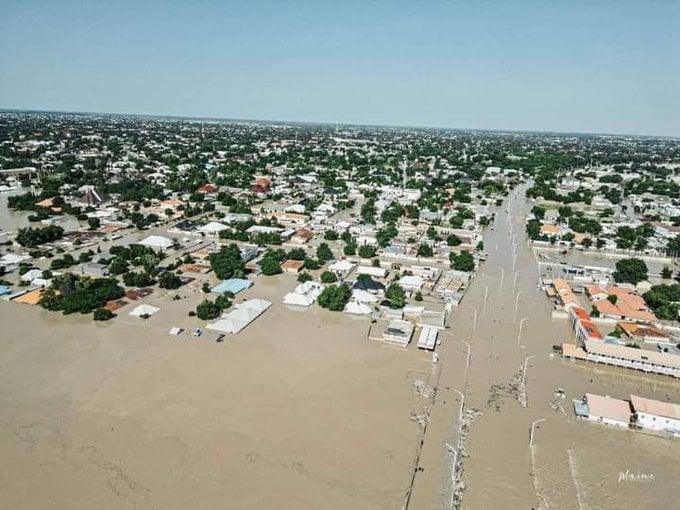
ABUJA, Nigeria (BN24) — As torrential rains continue to batter parts of Nigeria, at least 232 people have died and more than 121,000 have been displaced in widespread flooding that has swept through dozens of communities across the country, according to the National Emergency Management Agency.

The 2025 flood season, which has affected nearly every region, has already impacted over 339,000 people, left more than 680 injured, and caused extensive damage to homes, farmland, and infrastructure, NEMA said in a situation report released Monday.

States most affected include Niger, where 163 fatalities were recorded, and Adamawa, with 59 deaths and over 23,000 displaced. The floods have damaged more than 42,000 homes nationwide and wiped out at least 48,000 hectares of cultivated farmland, raising fears of food shortages and prolonged displacement.

In response, states such as Kaduna, Nasarawa, Bauchi, and Jigawa have stepped up their emergency preparedness campaigns, urging residents in flood-prone areas to relocate and avoid further loss of life. Emergency shelters have been set up in several locations to accommodate displaced families, particularly in high-risk zones.

NEMA identified immediate needs for affected communities, including food, shelter, health services, clean water, and livelihood support. However, the agency noted that funding shortages, inaccessible roads, security concerns, and, in some areas, resistance from local communities have hampered operations.

Localized Tragedies, State-Level Responses

In Gombe, the state emergency agency reported 15 deaths and nearly 1,000 households displaced since the start of the rainy season. Recent incidents in Jurara and Jalingon Kamu communities have forced over 190 people to seek shelter with neighbors. A tragic canoe accident in Funakaye Local Government Area claimed five additional lives.

Sokoto State has also seen devastating effects, with 61 communities in Rabah LGA submerged after heavy downpours on September 4 and 9. More than 2,200 homes were destroyed, and over 5,300 households were displaced.

In Kano, heavy rains accompanied by severe windstorms have damaged numerous homes across local governments. State officials said assessments are still ongoing to determine the full scale of the destruction and the number of affected families.

Kaduna witnessed flash flooding from a two-day rainfall earlier in September that displaced 970 residents and damaged at least 270 homes, particularly in Zaria and parts of Kaduna metropolis. State authorities closed a temporary flood camp in Tudun Wada after waters receded, relocating 239 residents, including vulnerable groups such as pregnant women and persons with disabilities. Governor Uba Sani reaffirmed his administration’s commitment to long-term flood mitigation efforts.

Bauchi State reported spending about ₦500 million on flood intervention and reconstruction, while in Nasarawa, the emergency management agency said sensitization campaigns had prompted relocations in at-risk areas across all 13 local government areas. Temporary settlements have been identified for those displaced by unexpected flooding.

Proactive Planning Prevents Larger Disasters in Some States

While several states reported massive destruction, others like Jigawa and Zamfara largely escaped widespread displacement. Jigawa officials credited a ₦4.2 billion investment in flood mitigation infrastructure, including river dredging and embankments, for averting disaster. “Only flash floods have been recorded so far, with no mass displacement,” said Hannafi Yakubu, Secretary of the Jigawa Emergency Management Board.

Zamfara also avoided the worst despite heavy rains in recent weeks. Emergency agencies confirmed no major flooding incidents or displacement in the state.

In Niger, where flooding claimed the highest number of lives, emergency officials continue to issue warnings and conduct public awareness campaigns. “People must avoid blocking drainages and relocate from riverine areas when heavy rain is forecast,” said Abdullahi Baba-Arah, head of the Niger State Emergency Management Agency.

National Outlook

Across Nigeria, communities are grappling with not only the immediate impact of the floods but also long-term challenges related to food security, public health, and rebuilding efforts. Humanitarian groups have called for coordinated action, increased funding, and stronger infrastructure to manage the country’s worsening flood seasons, which experts link to the intensifying effects of climate change.

While the government works to address critical gaps in emergency response, thousands of displaced families remain in temporary shelters, hoping for a swift return to normalcy as the rainy season begins to wind down.

DR Congo-Rwanda ceasefire deal still faces many challenges

0

KINSHASA, DR Congo (BN24) — A ceasefire agreement signed between the Democratic Republic of Congo and Rwanda aimed at de-escalating tensions in the country’s conflict-ridden east is facing serious obstacles, as dozens of armed groups continue operating in the region and questions remain over foreign interests in its vast mineral wealth.

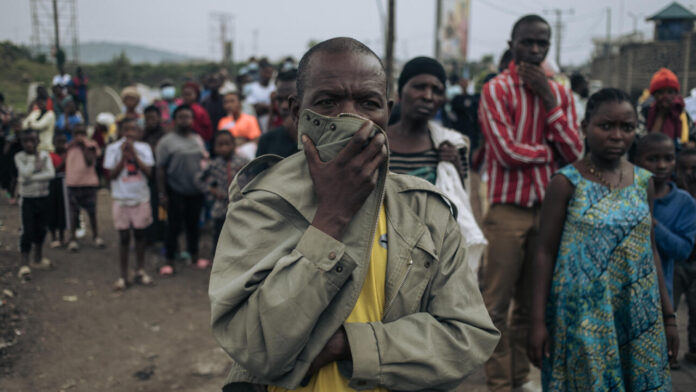
The deal, announced amid growing international pressure to end the violence, includes commitments from both countries to disarm and withdraw support from their alleged proxy forces. Yet just hours before the agreement was formalized, the Codeco militia launched an attack on a camp for displaced persons in Ituri province, killing at least 10 people, underscoring the fragile security situation and the limited control both governments have over non-state actors.

More than a hundred militias operate in eastern Congo, many motivated by territorial control and access to lucrative resources such as coltan and cobalt minerals vital for global technologies, including smartphones and electric vehicles. The ceasefire, while welcomed by international observers, fails to outline clear strategies for demobilizing these groups or offering viable economic alternatives that might deter their continued fighting.

A central aim of the agreement is to create conditions for the safe return of hundreds of thousands of people displaced by the years-long conflict. But without a full halt to hostilities and broad buy-in from armed factions, humanitarian agencies warn that return efforts may remain stalled.

The role of foreign powers, particularly the United States, adds further complexity. While Washington has expressed strong support for the ceasefire, it remains unclear what, if any, preferential access the U.S. may receive to Congo’s mineral resources. Former President Donald Trump, a vocal proponent of American involvement in the peace process, has previously indicated that securing U.S. interests in Congolese minerals is a key objective.

This possibility has sparked unease among Congolese citizens, many of whom feel the nation’s wealth has long benefited outsiders while their own living conditions remain dire.

At the heart of the DR Congo-Rwanda standoff lies the presence of the Hutu-led FDLR, a rebel group Kigali accuses Kinshasa of supporting. Rwanda maintains that its military presence in eastern Congo, repeatedly denied but widely reported, is a response to this threat. The United States has signaled that it expects Rwanda to pull back its forces once the FDLR is dismantled. Such a move would mark a significant diplomatic victory for both Washington and the Congolese government.

However, Rwanda has consistently rejected accusations of deploying troops in eastern Congo, despite mounting evidence of its backing for the M23 rebel group, one of the most prominent armed factions in the region.

As the ceasefire takes tentative steps forward, analysts warn that its success will depend not just on government agreements but on broader regional cooperation, credible efforts to demobilize militias, and equitable management of Congo’s immense natural resources.