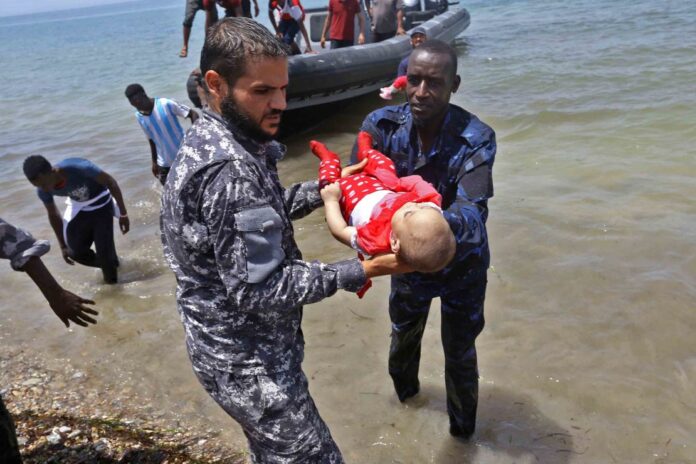
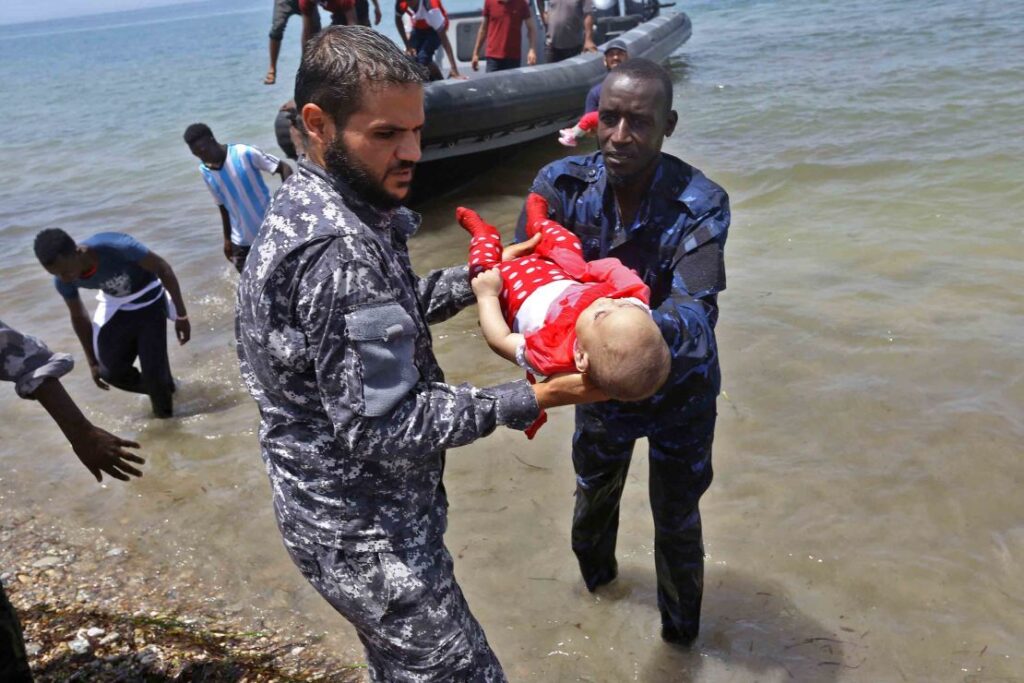
LAMPEDUSA, Italy — At least three migrants, including two young children, died during a perilous sea crossing from Libya to Italy, according to a German humanitarian group that rescued dozens of survivors on Saturday in the central Mediterranean.
The German NGO RESQSHIP said in a statement that it found a rubber boat drifting without power south of Italy’s Lampedusa island late Saturday afternoon, after it was initially spotted by a European Union Frontex surveillance aircraft.
“By the time our crew reached the rubber boat around 4:30 p.m., it was too late to help some of the people,” the group said.
Two deceased children, aged 3 and 4, were recovered from the boat. According to a RESQSHIP paramedic identified only as Rania, the children likely died the previous day due to dehydration. One adult man, found unconscious, could not be resuscitated and was declared dead on board. Survivors also told the crew that another person had drowned on Friday after falling into the sea.
The rescue vessel transported 59 survivors to Lampedusa. Many of them suffered from chemical burns caused by a mix of saltwater and leaked fuel — a frequent danger in overcrowded, unseaworthy rubber boats. Six people in critical condition, including two children and four adults, were urgently transferred to the Italian coast guard to be brought ashore for immediate medical care.
RESQSHIP said the ill-fated journey began Wednesday from the Libyan port of Zawiya. The vessel’s engine reportedly failed after just one day at sea, leaving those on board stranded and exposed to the elements for several days without shelter, food, or water.
Lampedusa, a small island situated between Tunisia and the larger Italian island of Sicily, is often the first point of arrival for migrants attempting to reach the European Union from North Africa. The central Mediterranean route remains one of the deadliest migration corridors in the world.
According to the International Organization for Migration (IOM), nearly 25,000 people have died or gone missing on this route since 2014, including roughly 1,700 in 2024 and at least 378 so far in 2025.
Humanitarian groups continue to call for greater search-and-rescue efforts and safer migration pathways as desperate migrants flee conflict, poverty, and instability in their home countries. Despite political tensions over migration within the EU, NGOs like RESQSHIP say the humanitarian toll underscores the urgency of increased international coordination.
KYIV, Ukraine — Vladimir Putin unleashed one of the largest drone assaults of the war on Ukraine early Sunday, striking multiple cities with more than 100 Iranian-made Shahed drones just hours after publicly calling for direct peace talks “without preconditions.”
The nighttime barrage struck civilian and military infrastructure in Kyiv, Mykolaiv, Zhytomyr and Donetsk, dashing hopes for a potential ceasefire as Ukrainian President Volodymyr Zelensky and Western leaders awaited a formal response to a 30-day truce ultimatum.
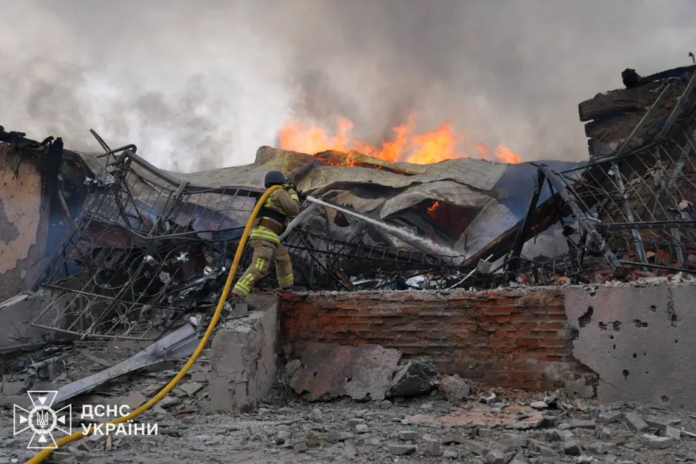
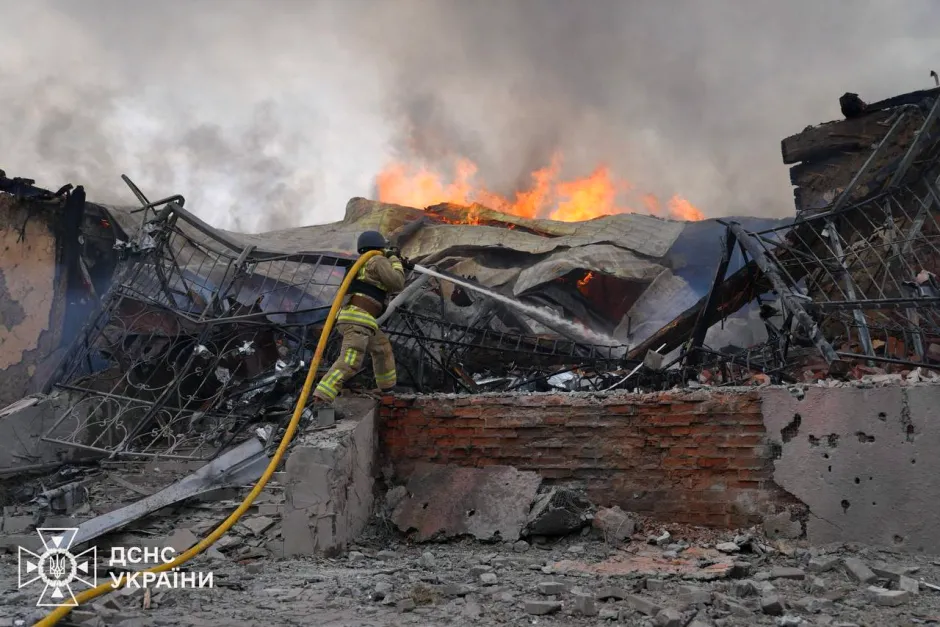
Ukraine’s Air Force Command reported that 108 drones and drone decoys were launched beginning around 2 a.m. local time. Ukrainian air defenses shot down 60 attack drones and neutralized 41 decoys. Despite those defenses, explosions rocked neighborhoods in the capital and surrounding regions, injuring at least one elderly civilian and damaging infrastructure, including a suspected air base.
The attack followed a 1 a.m. Moscow press conference in which Putin rejected a Western-backed ceasefire proposal but said he was open to restarting negotiations in Istanbul on Thursday. Kremlin adviser Yuri Ushakov confirmed that talks would factor in both the current battlefield dynamics and the stalled peace efforts from 2022.
Zelensky responded Sunday by reiterating Ukraine’s willingness to negotiate if Russia commits to a full and verifiable ceasefire starting Monday. “The first step to ending the war is a ceasefire,” Zelensky said. “There is no justification for continued killing.”
But instead of halting hostilities, Russian forces escalated. The drone strike came less than 24 hours after leaders from the United Kingdom, France, Germany and Poland issued a 24-hour deadline for Putin to accept a 30-day ceasefire or face expanded sanctions, including restrictions on oil exports and financial institutions. The leaders, meeting in Kyiv, also pledged increased military support for Ukraine if Russia refuses.
British Prime Minister Sir Keir Starmer said, “We are calling Putin out. It’s time to win the battle for peace. If he refuses, Ukraine will be armed to the teeth.”
French President Emmanuel Macron described Putin’s overture as “a first but insufficient step,” insisting that negotiations cannot precede an unconditional cessation of hostilities.
President Donald Trump, who joined the European leaders via a secure call, endorsed the peace push and said in a statement, “A potentially great day for Russia and Ukraine… I will continue to work with both sides to make sure it happens.”
Despite Putin’s stated readiness for talks, his government has continued to accuse Ukraine and its Western allies of prolonging the conflict. “Our proposal is on the table,” Putin said, blaming Ukraine and its supporters for choosing escalation. “They want to continue the war through the hands of Ukrainian nationalists.”
Putin’s approach has been widely viewed as a diplomatic trap—offering negotiations while escalating military pressure. Ukrainian officials warn that agreeing to talks under active bombardment would set a dangerous precedent and expose the country to future attacks.
Adding to the tension, U.S. intelligence agencies warned of a potential large-scale Russian airstrike on Kyiv this week. Russia is also expected to close airspace above its Kapustin Yar missile testing facility on Monday, further fueling fears of escalation.
Meanwhile, Russia’s ongoing aggression continued over the weekend, with reports of airstrikes violating a previously declared Victory Day ceasefire. Dmitry Rogozin, a former Russian space chief and prominent ally of Putin, signaled the Kremlin’s hardening stance, stating: “The curtseys are over. The usual combat work has begun.”
Ukrainian officials and international monitors have expressed skepticism about Putin’s intentions, citing a long pattern of negotiating under fire. The civilian toll continues to rise, and the drone attacks have reignited fears of another wave of intensified Russian assaults across the country.
KHARTOUM, Sudan — A suspected drone strike by Sudan’s paramilitary Rapid Support Forces (RSF) hit the main prison in the southern city of Obeid on Saturday, killing at least 20 inmates and wounding 50 others, according to Sudanese authorities, in one of the latest deadly escalations in the country’s deepening civil war.
The strike targeted the central prison in Obeid, the capital of North Kordofan, roughly 225 miles south of Khartoum. Information Minister Khalid Aleiser, who also serves as spokesperson for Sudan’s military-backed government, directly blamed the RSF for the attack, saying it reflects the militia’s growing use of drone warfare against military-controlled areas nationwide.
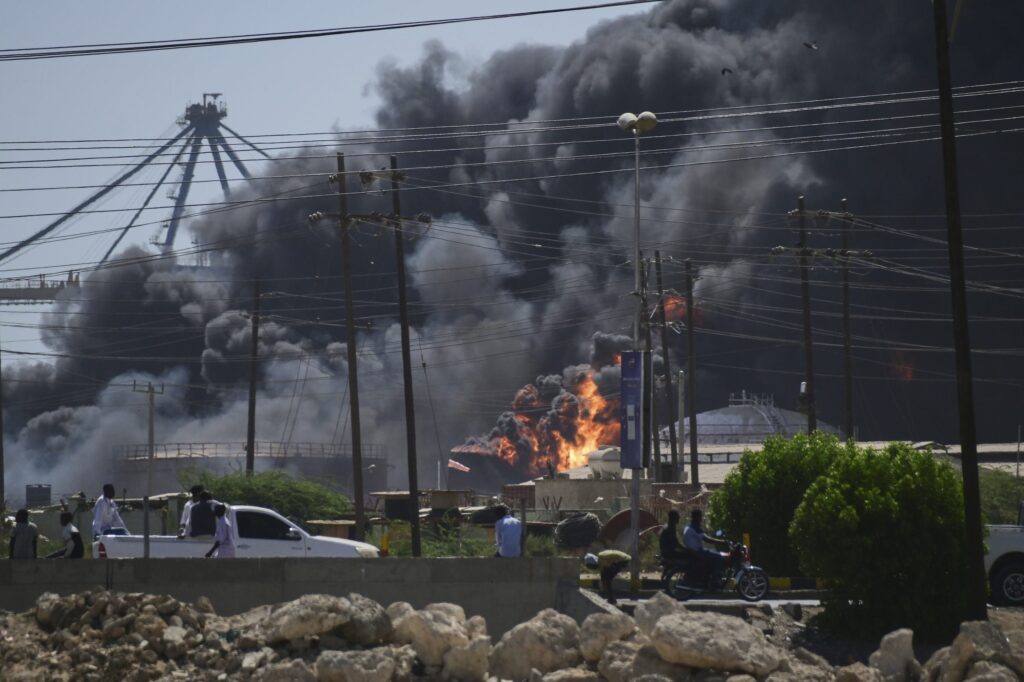
The RSF has not issued a statement on the prison strike, but the group has intensified its aerial assaults in recent weeks, including a multi-day drone offensive earlier this month on the government’s temporary seat in Port Sudan. Those strikes hit critical infrastructure, including airports, fuel depots and maritime facilities.
Sudan descended into civil war on April 15, 2023, when power struggles between the Sudanese Armed Forces and the RSF erupted into open fighting in Khartoum and rapidly spread across the country. Over the past year, the RSF has increasingly turned to drones, shifting the battlefield dynamics and targeting both military installations and civilian sites.
In a separate incident Friday, RSF artillery fire struck a displacement camp in Darfur, killing at least 14 people, according to the Emergency Room, a grassroots group monitoring the war. Victims included two parents, their eight children, and the children’s grandmother. The RSF has repeatedly shelled the camp and nearby el-Fasher, the provincial capital of North Darfur, which it has sought to capture for over a year.
Last month, RSF fighters overran Zamzam, Sudan’s largest camp for internally displaced people, killing more than 400 civilians and forcing thousands to flee. The militia has since taken control of the camp.
In response to the RSF’s growing drone capacity, Sudan’s military launched a counteroffensive last week, striking Nyala airport in South Darfur — a key RSF stronghold reportedly used to receive foreign military support. Local media outlets report that dozens of RSF officers were killed in that attack.
The conflict has so far claimed at least 24,000 lives, though aid agencies believe the actual toll is much higher. More than 13 million people have been displaced, including 4 million who have fled to neighboring countries. Vast areas of Sudan are now on the brink of famine, while the war continues to be marked by widespread atrocities — including mass sexual violence and ethnically motivated killings that the United Nations says amount to war crimes and crimes against humanity, particularly in the Darfur region.
NASHVILLE, Tenn. — More than 100 people were detained this week in a joint immigration enforcement operation between U.S. Immigration and Customs Enforcement and the Tennessee Highway Patrol, igniting fear and outrage among Nashville’s immigrant communities as President Donald Trump’s mass deportation strategy takes root in Republican-led states.
The sweeping enforcement campaign resulted in 588 traffic stops and led to 103 arrests for immigration violations, according to the Highway Patrol. Officials said the operation, which began May 3, also resulted in the seizure of illegal drugs and firearms, including the apprehension of one individual wanted for homicide in El Salvador.
“This is unlike anything we’ve seen before,” said Lisa Sherman Luna, executive director of the Tennessee Immigrant and Refugee Rights Coalition, on Friday. “It appears to be a targeted effort to intimidate and destabilize our immigrant neighborhoods.”
Tennessee’s Republican Gov. Bill Lee recently signed legislation establishing a new state immigration enforcement division within the Department of Safety and Homeland Security, giving expanded powers to the Highway Patrol. He is one of several GOP governors pledging state-level cooperation to advance Trump’s deportation agenda. Just last week, Florida officials reported more than 1,100 arrests in a similar ICE-led operation.
While state leaders hailed the crackdown as a public safety success, city officials in Nashville—a Democratic stronghold—condemned the raids and insisted they were blindsided by the operation. Nashville Law Director Wally Dietz said the city received no prior notice and only learned of the operation after observing local police outside an ICE facility.
Dietz said city patrols near the immigration office were routine responses to general requests and not tied to any specific enforcement action. When he asked the Highway Patrol for more information, he said he was told to file a public records request.
The Highway Patrol denied accusations of profiling, asserting that all stops were based on traffic violations, not racial or ethnic targeting. “We stop based on what drivers do behind the wheel, not who they are,” the agency stated.
Still, immigrant rights advocates contend the operation disproportionately affected communities of color and believe racial profiling played a role. “What we’re hearing on the ground is that people are being pulled over for minor issues—broken taillights, tinted windows,” said Sherman Luna. “All signs point to this being a campaign of racial intimidation.”
She added that many of those arrested might qualify for legal relief but are forgoing court hearings due to fears of prolonged detention. “People are being pushed into deportation without access to proper legal representation,” she said.
According to the Migration Policy Institute, immigrants make up about 9% of the Nashville metro area’s population of 2 million. The city is home to significant communities from Mexico, Honduras, Sudan, Myanmar, and one of the largest Kurdish populations in the United States.
Sherman Luna called the arrests part of a broader effort to spread fear. “This is a strategy to strike at the heart of our vibrant, diverse, beautiful neighborhoods,” she said.
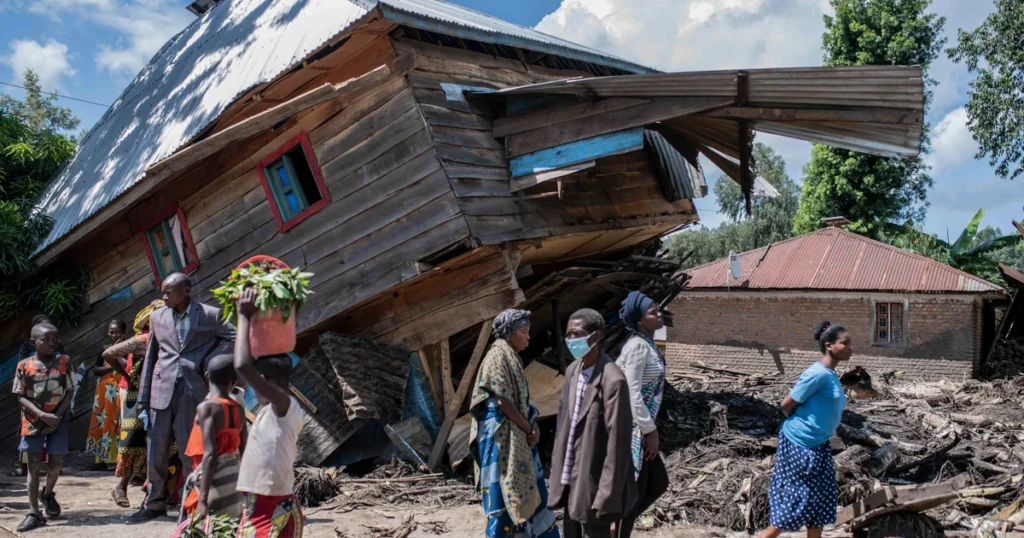
NGANDJA, Democratic Republic of Congo — Torrential rains triggered catastrophic flooding along the shores of Lake Tanganyika in eastern Congo on Friday, sweeping away entire villages and killing at least 62 people, with 50 others still missing, authorities said Saturday.
The flooding struck at around 5 a.m. local time, submerging the lakeside village of Kasaba in South Kivu province’s Ngandja sector, according to local witnesses. The sudden deluge caught residents off guard as water rushed through homes and farmlands, leaving devastation in its wake.
Théophile Walulika Muzaliwa, South Kivu’s provincial health minister, said ongoing search-and-rescue efforts were being severely hampered by destroyed infrastructure and a breakdown in communications.
“Sector chiefs, village chiefs and locality chiefs—who also serve as members of the local government—are on site, but the only humanitarian organization currently responding is the Red Cross,” Muzaliwa told reporters by phone. “It is not possible to provide a full assessment yet, as body searches are still underway.”
Local officials said dozens of bodies had been recovered but warned that the death toll could rise significantly as teams continue to search for victims. Survivors described being jolted awake by the sound of rushing water and fleeing for higher ground in the early morning darkness.
Friday’s flooding is the latest disaster to strike the crisis-weary region. In April, deadly floods in the capital, Kinshasa, killed 33 people. Eastern Congo has long been plagued by instability, and ongoing violence between government forces and armed rebel groups has escalated since February, further complicating humanitarian response efforts.
The area is part of one of the world’s most prolonged and complex humanitarian emergencies, with millions of people displaced and facing chronic shortages of food, shelter, and basic medical care. Aid agencies say the flooding is likely to exacerbate already dire conditions in South Kivu, where infrastructure is limited and emergency services are stretched thin.
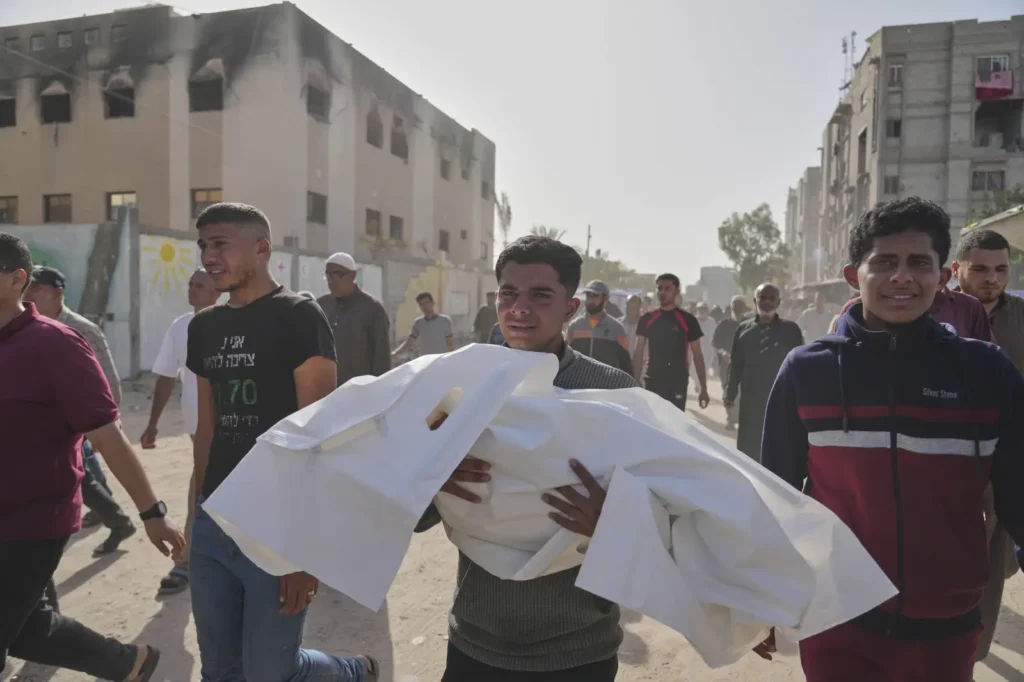
KHAN YOUNIS, Gaza Strip — Israeli airstrikes overnight and into Sunday killed 10 Palestinians, the majority of them women and children, in a series of attacks across the Gaza Strip, according to local health officials, as the war between Israel and Hamas enters its 19th month with no sign of easing.
Among the dead were two families, each wiped out when strikes hit tents in the southern city of Khan Younis, killing two children and their parents in each attack. Another child and a man riding a bicycle were also killed in separate incidents, according to Nasser Hospital, which received all the bodies from the latest wave of bombings.
The Israel Defense Forces did not immediately comment on the strikes. The military has repeatedly stated that it targets Hamas militants and infrastructure while taking measures to avoid civilian casualties, blaming the high death toll on the group’s use of densely populated civilian areas as cover.
The humanitarian situation in Gaza continues to deteriorate, as Israel maintains a strict blockade that has cut off food, medicine, and emergency aid for more than 10 weeks. The blockade is part of an intensified pressure campaign aimed at forcing Hamas to release the remaining hostages taken during its October 2023 cross-border attack.
Aid organizations warn that food stocks are running dangerously low and that widespread hunger and malnutrition are taking root in the war-torn territory. The conflict, which reignited in March after the collapse of a temporary ceasefire, has already displaced roughly 90% of Gaza’s 2 million residents and left vast areas of the enclave in ruins.
Since the beginning of the war, Israel’s military campaign has killed more than 52,000 Palestinians, according to Gaza’s Health Ministry. Most of the dead are believed to be women and children. The ministry does not distinguish between civilian and combatant deaths in its figures.
The war began on October 7, 2023, when Hamas-led militants launched a surprise attack in southern Israel, killing around 1,200 people—mostly civilians—and taking 251 hostages. While many of the captives have since been released through ceasefire deals, 59 remain in Gaza, with roughly one-third presumed to be alive.
U.S. President Donald Trump, who has provided unwavering support for Israel’s military efforts, is scheduled to visit Saudi Arabia, Qatar, and the United Arab Emirates this week for a regional tour aimed at addressing the escalating crisis. Notably, his itinerary does not include a stop in Israel.
In a separate development, Israeli authorities announced Sunday that they had recovered the remains of Sgt. 1st Class Tzvi Feldman, who was killed during a battle with Syrian forces in southern Lebanon in 1982 and declared missing for over 40 years.
The Israeli military confirmed Feldman’s remains were located and retrieved from deep inside Syria, but declined to disclose details of the operation. Feldman disappeared during a battle in the Lebanese town of Sultan Yaaqoub, along with five other soldiers. Over the years, two of the missing were returned alive through prisoner swaps, while another’s remains were recovered in 2019 with the help of Russia. The fate of the remaining two soldiers remains unknown.
“For many long years, I have authorized numerous covert operations to locate the missing from Sultan Yaaqoub, and I promised the Feldman family that I would never stop working to bring their son home,” Prime Minister Benjamin Netanyahu said in a statement.
Cases involving long-missing soldiers carry profound emotional weight in Israel, where military service is compulsory for most Jewish men and the return of fallen troops is a matter of national commitment.
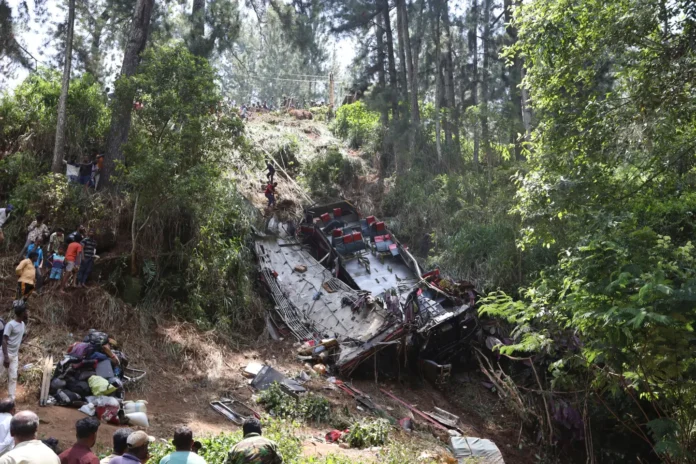
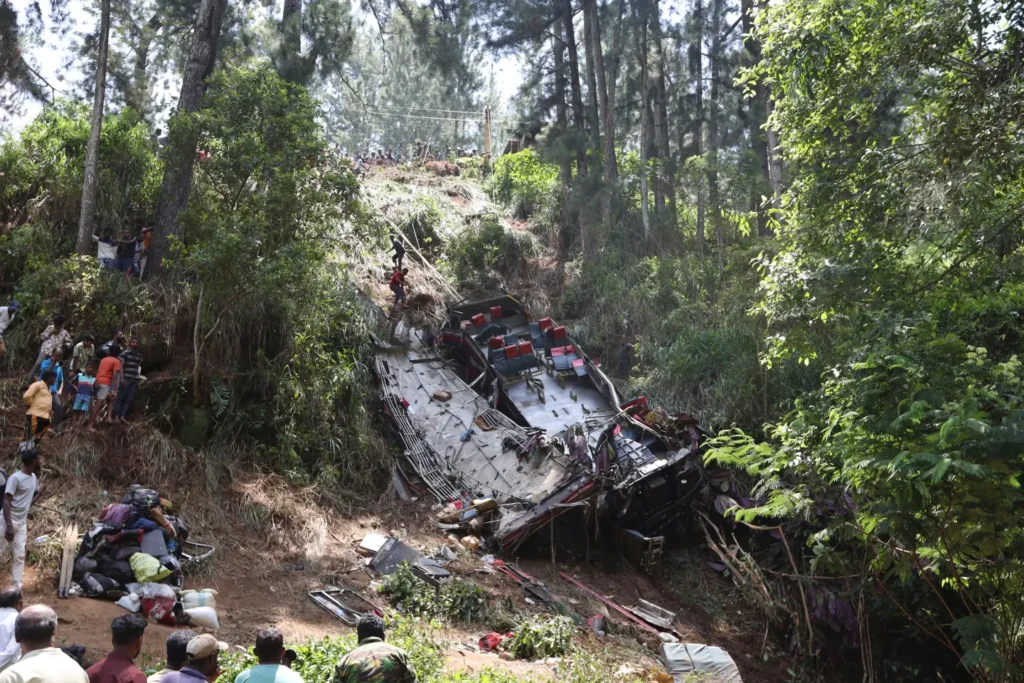
KOTMALE, Sri Lanka — A state-run passenger bus careened off a cliff in Sri Lanka’s central highlands early Sunday, killing at least 21 people and injuring 14 others, officials said, in one of the country’s deadliest recent road accidents.
The crash occurred in the mountainous Kotmale region, approximately 140 kilometers (86 miles) east of the capital, Colombo. Police reported that the vehicle veered off a winding road and plunged down a steep slope in Sri Lanka’s famed tea-growing hill country.
Deputy Minister of Transport and Highways Prasanna Gunasena confirmed the death toll in a statement to local media, adding that the injured were receiving treatment at regional hospitals. Among the hospitalized is the bus driver, who survived the crash with injuries.
According to initial reports, around 50 passengers were aboard the bus at the time of the accident. The bus, operated by a government-run transport service, was traveling through a notoriously treacherous section of road when it lost control.
Television footage from the scene showed the mangled wreckage lying at the base of the cliff, surrounded by rescue workers and local residents helping to extricate the injured from the debris.
Deadly bus accidents are tragically frequent in Sri Lanka, particularly in the central highlands where narrow, poorly maintained roads, steep inclines, and reckless driving contribute to a high rate of fatalities. Transport officials have repeatedly called for better regulation and road safety improvements, especially for public transit operating in remote and hilly areas.
Authorities have launched an investigation into the cause of Sunday’s crash.
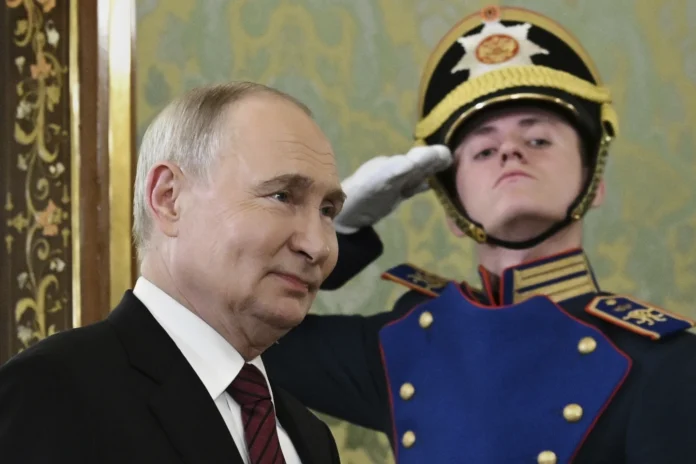
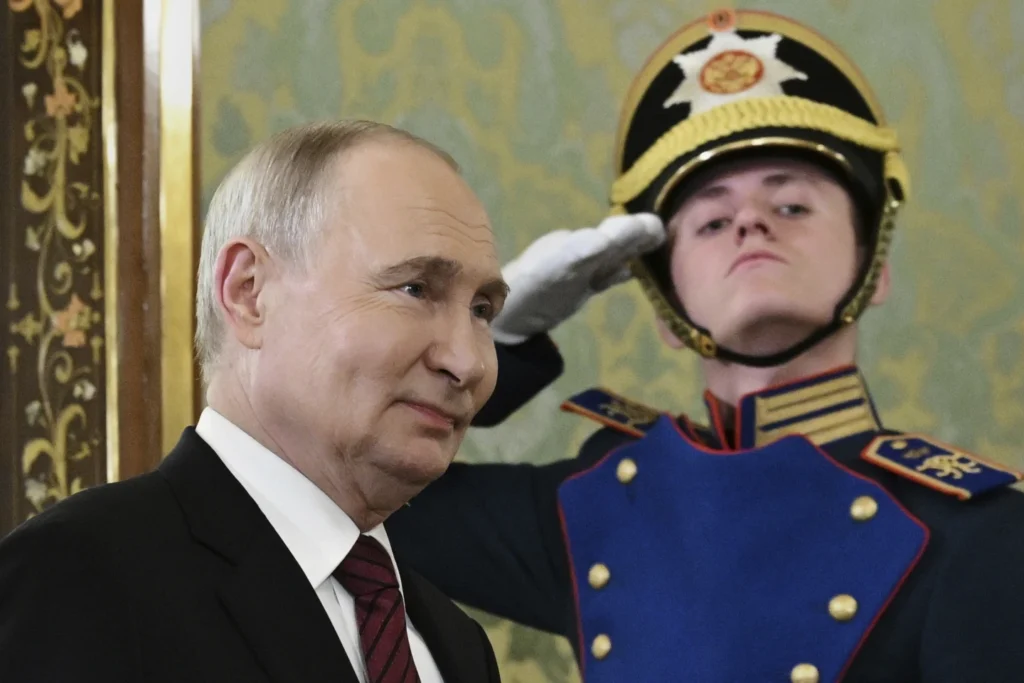
ISTANBUL — Russian President Vladimir Putin has proposed restarting direct peace talks with Ukraine in Istanbul on May 15, without preconditions, a move that follows increasing international calls for an unconditional 30-day ceasefire and fresh threats of sanctions against Moscow if it refuses to de-escalate the war.
Speaking early Sunday, Putin invoked the failed 2022 peace talks—held in Istanbul shortly after Russia’s full-scale invasion—and expressed a willingness to “restart” negotiations without demands, while still leaving room for a ceasefire to be negotiated during those discussions.
“We are committed to serious negotiations with Ukraine,” Putin told reporters. “We do not rule out agreeing to a ceasefire as a result of direct talks.”
The proposal came on the heels of a unified ceasefire demand issued Saturday by the leaders of France, the United Kingdom, Germany, and Poland, who warned that Moscow would face sweeping new sanctions if it did not comply with a 30-day truce starting Monday. U.S. President Donald Trump, who the European leaders consulted by phone, has also endorsed the ceasefire effort and renewed his call for “very high-level talks,” claiming the sides are “very close to a deal.”
Ukrainian President Volodymyr Zelenskyy has stated that he is open to negotiations, but only after Russia halts its attacks.
Putin said Russia had already initiated several ceasefire offers, including a halt on strikes targeting Ukraine’s energy infrastructure, a 30-hour Easter truce, and a unilateral ceasefire from May 8–10—all of which Ukrainian officials claim were violated by Russian forces.
On Sunday, Putin accused Ukraine of undermining peace efforts and launching renewed attacks on Russian targets. He reiterated that Moscow seeks a “lasting peace” rather than a temporary truce that allows Kyiv to regroup and rearm. He added that he would speak with Turkish President Recep Tayyip Erdoğan about facilitating the May 15 talks.
Talks between Russian and Ukrainian officials mediated by Turkey in March 2022 failed to yield results. That proposed agreement included Ukrainian neutrality and limits on Kyiv’s armed forces, while deferring the fate of Russian-occupied regions—terms Ukraine and its Western allies rejected.
“Those who truly want peace cannot but support our proposal,” Putin said.
At a press conference in Kyiv on Saturday, Zelenskyy stood alongside European leaders, calling their presence “a very important signal” of support. In a joint statement published on the Ukrainian president’s website, the five nations called for a ceasefire “lasting at least 30 days,” saying any attempt by Russia to impose conditions would be seen as an effort to prolong the war.
French President Emmanuel Macron said the United States would lead monitoring efforts, with European support, and warned of “massive sanctions…prepared and coordinated” between Europe and the U.S. should Russia breach the ceasefire.
Macron was joined in Kyiv by British Prime Minister Keir Starmer, German Chancellor Friedrich Merz, and Polish Prime Minister Donald Tusk. “This is Europe stepping up, showing our solidarity with Ukraine,” Starmer said.
Trump’s special envoy to Ukraine, retired Lt. Gen. Keith Kellogg, said Saturday the proposed 30-day truce would ban attacks on land, sea, and air, as well as on infrastructure—describing it as the first step toward ending the largest conflict in Europe since World War II.
Despite the ceasefire push, Russia has continued to target civilian areas. Ukrainian officials reported that shelling in the northern Sumy region killed three and wounded four on Saturday. A drone strike on Kherson also claimed one life, according to regional authorities.
The U.S. Embassy in Kyiv warned Friday of a “potentially significant” Russian airstrike in the coming days. The alert follows reports of a no-fly zone being imposed by Moscow over the Kapustin Yar missile complex—a move that also preceded a hypersonic missile launch last November.
Putin used Saturday’s Victory Day commemorations in Moscow to meet with foreign dignitaries, including leaders from Vietnam, Zimbabwe, Burkina Faso, and the Palestinian Authority—an attempt to project that Russia remains globally engaged despite the West’s efforts at diplomatic isolation.
Meanwhile, Ukraine’s Western partners are intensifying military aid and discussions on long-term security guarantees. Macron suggested that building up Ukraine’s defense capabilities and possibly deploying European forces could serve as a deterrent to future Russian aggression. However, no firm commitments were made on NATO membership, which remains Kyiv’s preferred security outcome.
While President Trump has supported a diplomatic push, he recently expressed doubt over Putin’s willingness to reach a peace agreement and signaled openness to tougher sanctions if necessary. Critics say his past suggestions that Ukraine cede territory to Russia have hampered progress.
Still, Ukraine’s European allies insist Kyiv’s fate is intertwined with the continent’s stability and have pledged continued support, regardless of Washington’s shifting position.
LOS ANGELES — Taylor Swift has been subpoenaed to testify in the escalating legal battle between Blake Lively and Justin Baldoni over their film It Ends With Us, though the singer’s representatives insist she has no direct involvement with the production beyond contributing a single song.
A spokesperson for Swift, 35, said the subpoena is being used as “tabloid clickbait” and called her inclusion in the case “a distraction from the facts.” Swift’s only link to the project, they stressed, was the licensing of her song “My Tears Ricochet.” She had no input on casting, production, or editing, and was on a global tour during the film’s development and release.
“Taylor Swift never set foot on the set of this movie. She was not involved in any casting or creative decisions,” her rep told PEOPLE. “She didn’t even see It Ends With Us until weeks after its public release.” The representative accused those behind the subpoena of using Swift’s celebrity to generate media interest in the case.
The film, an adaptation of Colleen Hoover’s best-selling novel, has become the center of a bitter legal feud. Lively, 37, filed suit in December, accusing her co-star and director Baldoni, 41, of sexual harassment, unprofessional behavior, and launching a retaliatory smear campaign. Baldoni has denied the allegations and filed a countersuit in January for defamation and extortion, naming Lively, her husband Ryan Reynolds, and their publicity team.
Among Baldoni’s more explosive claims is that he was pressured into accepting Lively’s rewrite of the film’s script, allegedly during a meeting at Lively and Reynolds’ New York penthouse. He alleges that Swift “began praising Lively’s script,” which he interpreted as a signal to go along with the changes. Baldoni referenced a follow-up text message in which he appeared to endorse the rewrites, saying they were “so much more fun and interesting” and that he “would have felt that way without Ryan and Taylor,” punctuating the message with a playful emoji.
Lively reportedly replied by likening herself to Game of Thrones character Daenerys Targaryen, calling Swift and Reynolds her “dragons” and later referring to them as “Dance Moms level stage moms.”
Reports also indicate that actor Hugh Jackman may be subpoenaed, though sources close to the matter say neither he nor Swift have any real knowledge of the behind-the-scenes conflict. “This is smoke and mirrors meant to distract from the allegations against Baldoni,” an insider said.
The feud has spilled into pop culture territory as well. Baldoni claims Reynolds mocked him in Deadpool & Wolverine through a sanitized character named “Nicepool,” who makes pointed remarks about on-set protocols and praises a female character played by Lively for her post-partum appearance — lines Baldoni believes are thinly veiled jabs.
In her own complaint, Lively alleges Baldoni fat-shamed her after she gave birth and behaved erratically on set. The trial, which will address both lawsuits, is scheduled to begin in March 2026.
Swift, Reynolds, and Lively, who are close friends and often seen together at public events including NFL games, have not publicly commented further. Swift is also the godmother to the couple’s four children.
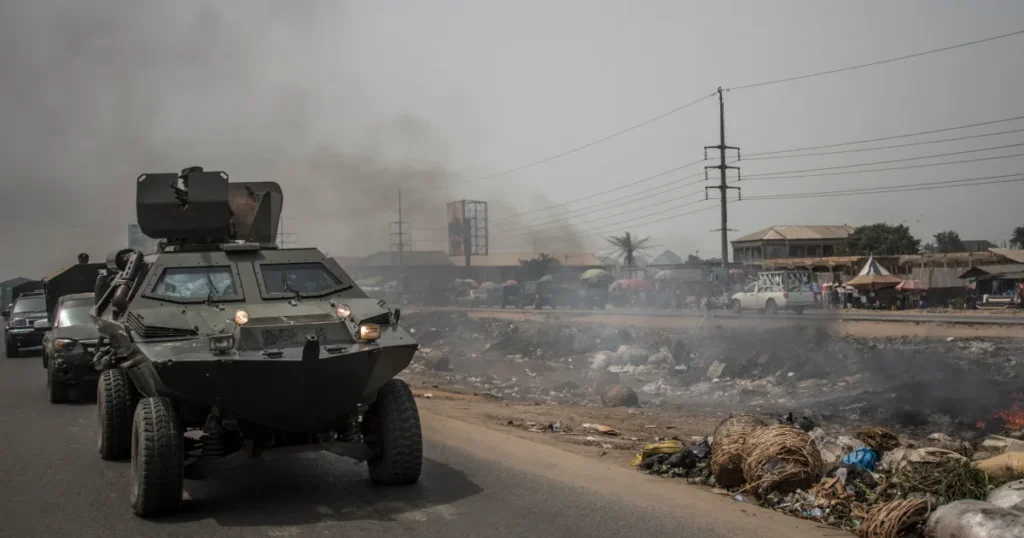
ABUJA, Nigeria — At least 30 people were shot and killed by gunmen in southeastern Nigeria’s Imo state during a brutal highway ambush early Thursday, according to Amnesty International, in one of the deadliest attacks in the region this year.
The human rights group said the attackers, suspected to be members of the banned separatist group Indigenous People of Biafra (IPOB), also torched more than 20 vehicles and trucks during the assault. The group issued a statement via social media platform X, urging Nigerian authorities to swiftly investigate and prosecute those responsible.
The attack unfolded around 4 a.m. local time on a major highway, where the assailants, divided into three groups, reportedly opened fire indiscriminately on travelers before setting their vehicles ablaze, police said.
Imo state police spokesperson Henry Okoye confirmed the incident but declined to provide an official death toll, saying only that one of the gunmen was killed in a shootout with police. “A full-scale search and cordon operation is currently underway,” Okoye said, noting that security forces are combing nearby forests and surrounding communities for suspects.
The IPOB, which seeks independence for southeastern Nigeria’s Igbo-majority population, has been accused in previous years of orchestrating violent attacks, though it denies targeting civilians. Nigeria’s federal government has designated the group a terrorist organization.
The timing of Thursday’s massacre coincided with President Bola Tinubu’s visit to the region and came just days after IPOB leader Nnamdi Kanu made a court appearance on terrorism charges in Abuja. Kanu’s continued detention has fueled tensions in the southeast, where calls for self-determination remain a politically volatile issue.
Amnesty International condemned the violence and called on authorities to uphold justice. “The Nigerian government must promptly and impartially investigate this horrific attack and ensure those responsible are brought to justice in accordance with international human rights standards,” the organization stated.
The southeast has seen sporadic unrest and targeted killings in recent years amid growing separatist sentiment. The legacy of Nigeria’s 1967-70 Biafran civil war, which claimed over one million lives, continues to shape the region’s complex relationship with the central government.