Home Blog Page 372

Nigerian Court Postpones Binance Tax Evasion Trial to April 30 Amid Dispute Over Legal Procedure

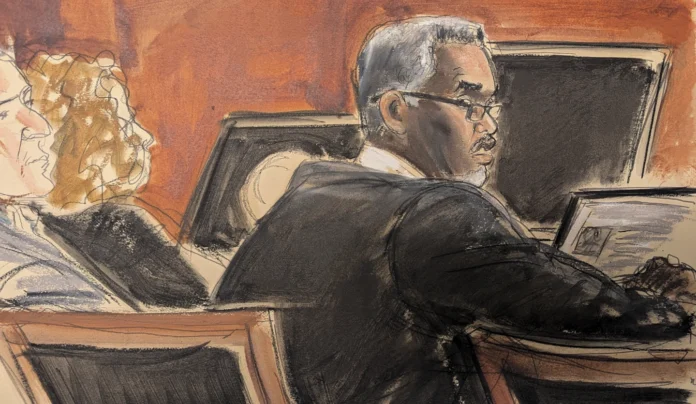
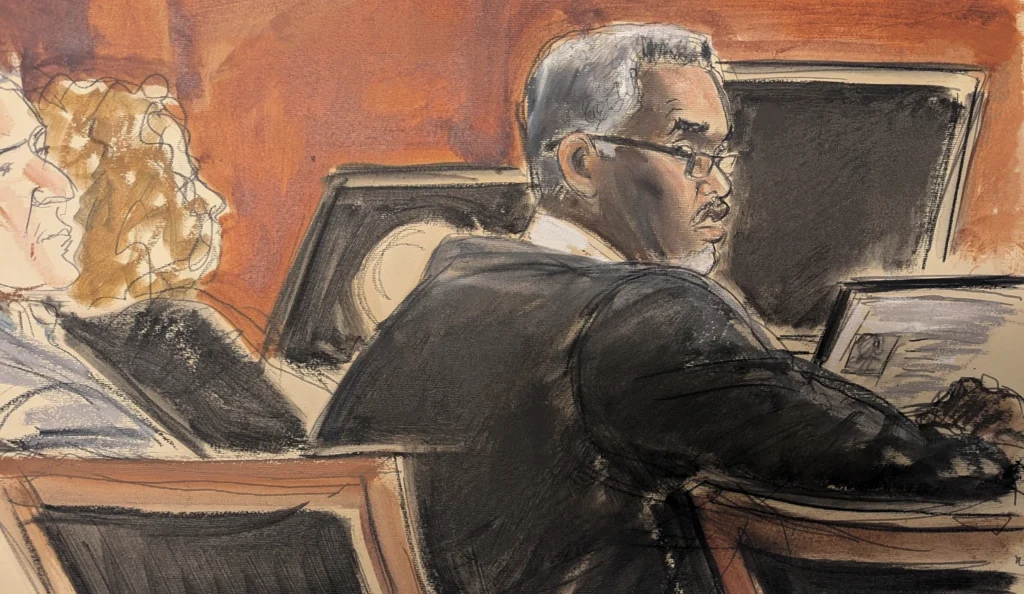
A high-profile tax evasion trial involving global cryptocurrency exchange Binance has been adjourned by a Nigerian court to April 30, 2025. The postponement aims to allow the country’s tax authority—the Federal Inland Revenue Service (FIRS)—time to respond to a motion filed by Binance seeking to nullify a court order permitting service of legal documents via email.

According to Chukwuka Ikwuazom, legal counsel for Binance, the order allowing court documents to be delivered electronically was improper and should be overturned. Ikwuazom argued that the FIRS failed to obtain the required court approval, or “leave of court,” to serve legal documents outside Nigeria—a necessary condition since Binance is incorporated and domiciled in the Cayman Islands and does not maintain a physical presence within Nigeria.

“The substituted service granted on February 11, 2025, is improper and should be set aside,” Ikwuazom told the court, emphasizing that Binance’s registration under Cayman Islands law requires due legal process for cross-border service of court documents.

The Nigerian government has initiated a sweeping legal battle against Binance, accusing the exchange of contributing to significant economic disruptions and widespread tax evasion. Court documents reveal that Nigeria is seeking $79.5 billion in damages for economic losses allegedly caused by Binance’s operations, alongside an additional $2 billion in unpaid taxes.

Authorities assert that Binance played a central role in destabilizing Nigeria’s currency, the naira, by serving as the dominant platform for unauthorized foreign exchange trading. In 2024, this led to the controversial detention of two Binance executives amid a broader crackdown on crypto platforms.

Binance, which has no official registration or operational office in Nigeria, has not issued a public statement regarding the adjournment. However, the company has previously stated that it is cooperating with the Federal Inland Revenue Service to address any historic tax liabilities.

Documents obtained by Reuters indicate that Nigerian tax authorities consider Binance to have a “significant economic presence” in the country. Based on this classification, the FIRS is seeking a legal ruling to compel the platform to pay corporate income taxes for the years 2022 and 2023. It also demands a 10% annual penalty on any unpaid amounts, further escalating the potential financial liability for the crypto firm.

The upcoming April 30 hearing is expected to determine whether the procedural challenge by Binance will succeed, and whether the broader tax evasion claims will proceed. The case underscores growing global tensions between governments and crypto exchanges, especially in developing markets grappling with financial instability and digital asset regulation.

Algeria and Mali Shut Down Airspace Access Amid Escalating Diplomatic Dispute

A growing diplomatic rift between Algeria and Mali has escalated into a full-fledged aviation standoff, as both countries announced on Monday that they are closing their airspace to one another. The move comes in the wake of a drone incident near the Algeria-Mali border that triggered a series of accusations, ambassador recalls, and warnings of further deterioration in regional relations.

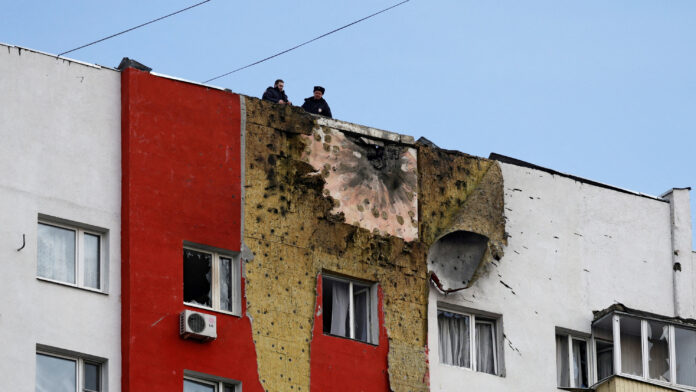
The crisis was set in motion on April 1, when Algeria’s Ministry of Defense reported that its armed forces had shot down a surveillance drone that allegedly breached Algerian airspace in the Tinzaouaten region, a remote Saharan commune close to the Mali border. Algerian authorities described the drone as armed and said it represented a clear violation of national sovereignty.

Mali, however, disputed Algeria’s account. According to Bamako, the wreckage of the drone was discovered 9.5 kilometers (5.9 miles) south of the shared border — a location well within Malian territory. The discrepancy immediately inflamed existing tensions between the two neighbors.

On Monday, Algeria’s Foreign Ministry released detailed findings from radar surveillance, asserting that the drone had entered 1.6 kilometers into Algerian airspace before being intercepted. Citing this breach, the ministry declared an immediate suspension of all flights to and from Mali, stating that it was a necessary response to “recurrent and deliberate violations” of Algerian airspace.

The move effectively grounded all commercial and military aircraft operating between the two countries, further destabilizing regional mobility and cooperation.

Hours later, Mali’s Ministry of Transport and Infrastructure issued a retaliatory announcement: the closure of Malian airspace to all Algerian aircraft. The ministry accused Algeria of engaging in “persistent sponsorship of international terrorism,” though no specific incidents or evidence were cited to support the claim.

The accusation marks one of the most serious allegations exchanged between the two governments in recent years and is likely to worsen already strained relations across the Sahel region.

The diplomatic dispute has now rippled across the Sahel. Mali, alongside its regional allies Burkina Faso and Niger — all members of the newly formed Sahel security alliance — announced on Sunday the recall of their ambassadors from Algiers for consultations. The joint recall was framed as a unified protest against what the countries termed Algeria’s “hostile actions” and lack of respect for sovereign borders.

In response, Algeria on Monday recalled its own ambassadors from Mali and Niger and postponed the official start of its new ambassador’s mission to Burkina Faso.

In a coordinated joint statement, the governments of Mali, Niger, and Burkina Faso strongly condemned what they described as an “irresponsible act by the Algerian regime.” The three nations asserted that Algeria’s actions are contributing to instability in a region already grappling with insurgencies, foreign interference, and political fragility.

The mutual airspace closures mark a dramatic breakdown in cross-border cooperation and raise serious questions about future diplomatic dialogue and regional security initiatives. The airspace bans could also impact humanitarian aid logistics and disrupt commercial aviation routes across North and West Africa.

Observers warn that unless cooler heads prevail, the current trajectory could deepen mistrust and provoke broader geopolitical realignments in the region.

Supreme Court Clears Path for Venezuelan Migrant Deportations Under 18th-Century Wartime Law

In a significant legal shift, the United States Supreme Court on Monday overturned a lower court ruling that had blocked the Trump administration from deporting Venezuelan migrants using an obscure 18th-century wartime statute. The 5-4 decision allows federal authorities to proceed under the Alien Enemies Act, a rarely invoked provision dating back to 1798, designed for use during periods of declared hostilities.

The case has become a flashpoint in the broader legal and political battles over immigration policy, executive authority, and the rights of non-citizens facing removal proceedings.

While the ruling lifts the federal appeals court’s temporary freeze on deportations, the Supreme Court’s majority stopped short of giving the Trump administration unchecked power. Writing for the majority, the justices ruled that the migrants in question must still be granted an opportunity to challenge their removal in court before being deported.

However, the court imposed a critical limitation: those legal proceedings must occur in Texas, where the deportation orders were originally issued, rather than in a Washington, D.C. courtroom. Critics argue this geographic restriction could hinder access to legal resources and delay due process.

The five conservative justices sided with the administration’s emergency appeal, arguing that national security concerns and the executive branch’s wartime powers justified the use of the Alien Enemies Act. This 18th-century law gives the president broad authority to detain or deport nationals of hostile nations during times of conflict — though no formal war has been declared between the United States and Venezuela.

The Trump administration has justified the deportations by asserting that the targeted migrants are affiliated with criminal gangs and pose a threat to national security. The decision now grants immigration officials greater discretion to act on those claims, though the legal battles are far from over.

In a sharply worded dissent, the four liberal justices warned that the ruling sets a dangerous precedent, allowing the government to expand deportation authority without clear legislative backing or adequate safeguards. They argued that invoking a centuries-old wartime law in modern immigration cases opens the door to constitutional overreach and undermines basic due process protections.

The dissent also emphasized that the migrants being deported have not been convicted of crimes and are being removed based on associations or accusations — not judicial findings of guilt.

This ruling follows months of legal wrangling between federal courts and the Trump administration over immigration enforcement. The appeals court in Washington had initially blocked the deportations, citing the need for judicial review and the potential for human rights violations.

But the Supreme Court’s reversal signals increasing judicial deference to executive power on immigration, particularly in cases framed around national security.

The case now heads back to the lower courts in Texas for continued proceedings on individual deportation challenges. Immigration advocates say they will continue to press for broader judicial oversight and have vowed to take additional legal steps to ensure migrants’ rights are protected.

Meanwhile, the decision is likely to further inflame political tensions between the White House and the judiciary, as well as fuel debate over the use of archaic laws to address modern immigration issues.

Brazil Reinstates Visas for US, Canadian, and Australian Citizens After Six-Year Exemption

Starting Thursday, April 10, 2025, Brazil will officially reinstate visa requirements for citizens of the United States, Canada, and Australia. The decision marks the end of a six-year policy that had granted visa-free entry to travelers from those nations. According to a statement from the United States Embassy in Brasília, American citizens visiting Brazil after April 10 will still be eligible to apply for visas through a streamlined electronic system.

The move aligns with President Luiz Inácio Lula da Silva’s efforts to restore diplomatic balance through reciprocity-based policies. It also comes at a time of heightened friction between Brazil and the United States over recent trade restrictions.

The visa exemption policy being overturned was originally introduced by former Brazilian President Jair Bolsonaro in 2019. A staunch ally of U.S. President Donald Trump, Bolsonaro had implemented the visa waiver unilaterally to encourage tourism and signal closer ties with the West.

However, critics at the time argued that the decision violated Brazil’s longstanding principle of reciprocal diplomatic treatment. While Americans, Canadians, and Australians were permitted to enter Brazil without a visa, Brazilians still needed visas to visit those countries.

President Lula, who defeated Bolsonaro in the 2022 election, reversed the exemption shortly after taking office. In March 2023, he announced plans to reintroduce visa requirements for the three countries, emphasizing that Brazil should not offer privileges that its citizens do not receive in return.

Although the visa exemption was suspended in 2023, its enforcement was postponed three separate times as the Lula administration sought to negotiate reciprocal access for Brazilian citizens. Despite extended diplomatic engagement, no agreements were reached with the governments of the United States, Canada, or Australia.

Foreign ministry officials said the reinstatement was inevitable given the lack of progress. Lula’s government framed the move not as a punishment, but as a necessary measure to restore fairness in international relations.

Brazil’s Senate passed legislation earlier this year that would have continued the visa exemption for the three countries. However, that momentum faltered after former President Trump imposed a 10 percent tariff on Brazilian goods.

The new trade barriers altered the political calculus in Brasília. Lawmakers in the lower house, particularly those allied with Speaker Hugo Motta, signaled that the visa exemption bill would not advance to a final vote in light of the economic provocation by Washington.

In response to the deteriorating trade environment, Brazil’s Congress moved swiftly last week to approve a new reciprocity bill. The legislation gives the Lula administration expanded authority to impose retaliatory tariffs and other measures on countries that restrict Brazilian imports or maintain unequal visa rules.

Although the bill still awaits Lula’s formal signature, its near-unanimous passage in both chambers reflects a growing national consensus in favor of assertive foreign policy tools. Government insiders say the new law will be used to counterbalance unfair treatment in both travel and trade.

Despite the policy shift, Brazil has emphasized that the visa process for U.S., Canadian, and Australian visitors will remain accessible and modern. All travelers from the affected countries will be able to apply for visas electronically through the official platform.

Officials hope this approach will minimize disruptions to tourism while ensuring that Brazil maintains parity in its diplomatic and travel relationships.

Trump Escalates U.S.-China Trade War with New Tariff Threats as Global Markets React Nervously

In a dramatic escalation of trade tensions, U.S. President Donald Trump on Monday threatened to impose additional tariffs of 50% on Chinese imports, fueling growing concerns that his confrontational approach to global trade could further destabilize international markets and heighten the risk of a global recession.

The warning came just days after China announced a 34% retaliatory tariff hike on U.S. goods, following Trump’s earlier decision to raise tariffs on Chinese imports in response to what he described as “decades of trade abuse.” Posting on Truth Social, Trump declared that unless Beijing reverses its new tariffs by April 8, 2025, the United States will implement a new wave of levies on April 9, effectively raising the total tariff burden on Chinese imports to a staggering 104%.

“If China does not withdraw its 34% increase… the United States will impose ADDITIONAL Tariffs on China of 50%, effective April 9th,” Trump wrote. “All talks with China concerning their requested meetings with us will be terminated!”

The announcement sent shockwaves through financial markets. The Dow Jones Industrial Average fell 0.9%, the S&P 500 dropped 0.2%, and the Nasdaq slipped 0.1% on Monday as investors reacted to the escalating trade dispute. Economists and business leaders warned the mounting tariffs could trigger higher inflation, supply chain disruptions, and declining investor confidence.

Despite pressure from Wall Street, Trump remained defiant. When asked if he would pause the tariffs, he dismissed the idea, saying, “We’re not looking at that,” though he left the door open to negotiations if a “really fair deal” could be reached.

The Chinese Embassy in Washington dismissed Trump’s threats, calling them counterproductive. 

“Pressuring or threatening China is not a right way to engage with us,” said embassy spokesperson Liu Pengyu. “China will firmly safeguard its legitimate rights and interests.”

Trump’s aggressive stance has unsettled even America’s allies. During a meeting with Trump at the White House, Israeli Prime Minister Benjamin Netanyahu pledged to drop all tariffs on U.S. goods. Despite this gesture, Trump was noncommittal on whether he would reciprocate. “Maybe not,” he said, citing the $7.4 billion trade deficit the U.S. holds with Israel and the substantial foreign aid Israel receives from Washington.

Trump also revealed he had spoken with Japanese Prime Minister Shigeru Ishiba to discuss launching trade talks. On Truth Social, Trump accused Japan of unfair trade practices, saying, “They don’t take our cars, but we take MILLIONS of theirs.”

Ishiba, in contrast, expressed deep concern that Trump’s tariffs could harm Japanese investment in the U.S., calling the situation a “national crisis” and vowing to press for reconsideration.

Meanwhile, European Commission President Ursula von der Leyen said the EU would refocus trade priorities on other global partners, emphasizing “vast opportunities” beyond the U.S. market.

Trump’s uncompromising stance has created divisions even within his circle of supporters. Billionaire investor Bill Ackman criticized Commerce Secretary Howard Lutnick, claiming the administration was indifferent to economic fallout. Though Ackman later apologized, he reiterated that the tariffs could derail recent economic gains.

Tesla CEO Elon Musk, one of Trump’s top advisers on government reform, also voiced concern, saying tariffs could inflate vehicle prices and hurt U.S. manufacturing. 

 “Ideally, both Europe and the United States should move to a zero-tariff situation, effectively creating a free trade zone,” Musk told Italian leaders via video conference.

In response, White House trade adviser Peter Navarro dismissed Musk’s concerns. 

 “He sells cars,” Navarro said on Fox News. “He’s simply protecting his own interests, as any businessperson would.”

Despite the growing unease in financial circles and among international allies, Trump continues to present his tariff policy as a long-term strategy to revive U.S. manufacturing, curb trade imbalances, and assert economic sovereignty. The White House indicated that Trump would veto any congressional bill mandating legislative approval of new tariffs, confident that Republican lawmakers will stay loyal despite rising risks.

Federal Reserve Chair Jerome Powell warned that tariffs could accelerate inflation and indicated that the Fed would wait before making any decisions on interest rates. Trump, however, has urged the central bank to cut rates, arguing that it would counterbalance the economic impact of his trade measures.

While Trump remains steadfast, the global economy may ultimately bear the cost of his high-stakes strategy—one that pits nationalist trade policy against a deeply interconnected world economy.

Kenyan Authorities to Exhume Body of Teen Girl Allegedly Burned to Death After Rejecting Forced Marriage

Authorities in Kenya have received court approval to exhume the body of 17-year-old Gaala Aden Abdi, a Somali refugee who was allegedly murdered after refusing a forced marriage to a much older man. The Wajir Magistrate Court granted permission to the Directorate of Criminal Investigations (DCI) to proceed with the exhumation as part of a renewed investigation into the teenager’s tragic death.

Gaala, who had been living at the Dagahaley Refugee Camp in Dadaab, Wajir County, was buried on March 22. Her death has sparked public outrage and renewed calls for action against forced marriages and gender-based violence in Kenya’s northeastern region.

According to officials, the exhumation will be supervised by the Wajir West Sub-County Criminal Investigations Officer (SCCIO) and is intended to facilitate a repeat postmortem. Forensic experts will examine the remains to confirm the precise cause of death and will collect samples for both toxicological and DNA analysis. Officers from Dagahaley Police Station will provide security throughout the exhumation process to ensure its integrity.

Initial reports and a prior autopsy revealed that Gaala’s body had sustained 100% burns, consistent with being set alight using an open flame. Investigators believe the attack was directly linked to her refusal to marry a 55-year-old man.

According to police sources and family accounts, in Kenya, Gaala was taken from the refugee camp at night under false pretenses and transported over 150 kilometers to a remote village in Wara, Ademasajida. There, she was introduced to the man she was being forced to marry. Despite pressure from the man’s family and the community, the teenager stood firm in her refusal.

Tragically, her resistance reportedly led to her brutal murder. Prior to her death, Gaala is said to have made a phone call to a trusted contact in which she expressed fear for her life and identified individuals she believed were responsible for orchestrating the crime.

Her horrific death highlights the continued prevalence of forced marriages in refugee and rural communities, where young girls remain vulnerable to patriarchal traditions and gender-based violence.

The exhumation is viewed as a critical step toward securing justice for Gaala. Investigators hope the new forensic evidence will corroborate existing testimonies and aid in identifying and prosecuting those involved in her murder. Advocacy groups have also joined in demanding a full investigation and stronger enforcement of child protection laws in refugee settlements.

Gaala’s case has drawn national and international attention, reigniting debate over child marriage, refugee protection, and the urgent need for legal reforms and community education to prevent similar tragedies.

nairobiwire.com

China Leaves Door Open for Tariff Talks Amid Trump Criticism and Rising Trade Tensions

China has signaled its openness to resuming trade negotiations with the United States, even as President Donald Trump ramped up criticism of Beijing’s economic policies in a social media post on Monday morning. According to an editorial published by People’s Daily, the official mouthpiece of the Chinese Communist Party, China is “well-prepared” to handle any fallout from renewed tariff threats and economic pressure from Washington.

“Faced with the volatility and extreme pressure from the U.S., we have not closed the door to negotiations,” the editorial stated. “But we will not harbor any illusions. Instead, we have made various preparations to deal with the impact.”

The article emphasized that China has built “rich experience” from its ongoing eight-year trade conflict with the U.S. and has become increasingly resilient to economic shocks stemming from tariffs and sanctions. The editorial added that Beijing stands ready to deploy monetary policy tools—including interest rate cuts—“at any time” should the economic environment deteriorate.

Notably, the piece struck a defiant tone while downplaying the overall damage from the trade dispute. “The sky hasn’t fallen,” it said, highlighting how China’s dependency on the U.S. market has declined significantly. Chinese exports to the U.S. have dropped from 19.2% of total exports in 2018 to just 14.7% in 2024, underscoring efforts to diversify trade partnerships and reduce reliance on American consumers.

The remarks from Beijing came just hours after former President Trump defended his economic track record in an early morning social media post, published ahead of the U.S. stock market’s opening. Trump doubled down on his previous stance favoring aggressive tariffs, particularly against China, which he accused of failing to heed his warnings against retaliatory measures.

“China is not acknowledging my warning for abusing countries not to retaliate,” Trump wrote, referencing Beijing’s recent move to impose a 34% tariff on select U.S. imports.

Trump also claimed there was “no inflation,” a statement that contradicts official government data. The most recent Consumer Price Index showed U.S. inflation standing at 2.8% as of February. Economists warn that further trade restrictions could lead to higher prices for consumers.

In a separate development on Monday, JPMorgan Chase CEO Jamie Dimon weighed in on the economic implications of heightened tariffs in his annual shareholder letter. “The tariffs will likely increase inflation and are causing many to consider a greater probability of a recession,” Dimon warned.

Meanwhile, Trump called on the Federal Reserve to cut interest rates, despite the central bank’s decision last month to leave rates unchanged. The Fed cited “increased uncertainty” surrounding the economic outlook as a primary reason for its cautious stance.

The recent exchange of tariff measures and rhetoric suggests a hardening stance on both sides, raising concerns among global investors and economists about the potential for renewed trade disruptions. While Beijing’s comments suggest a willingness to engage, they also reflect a broader strategy of economic decoupling from the U.S. and growing reliance on alternative markets and policy levers to sustain growth.

With elections looming in the U.S. and geopolitical tensions simmering across multiple fronts, the prospect of a resolution appears uncertain. Still, both nations remain economically intertwined, and analysts believe backchannel negotiations may continue, even amid public posturing.

Palestinian Journalist Killed in Israeli Airstrike on Media Tent in Southern Gaza

A Palestinian journalist was killed and nine others wounded in an Israeli airstrike that targeted a tent used by members of the local press near a hospital in southern Gaza, according to medics and the Palestinian Journalists Syndicate. The attack occurred early Monday morning in the courtyard of Nasser Hospital in Khan Younis.

The slain journalist, Helmy al-Faqawi, was reportedly inside the tent—designated as a workspace for local reporters—when the strike hit. Video footage from the aftermath showed flames engulfing the area, as people attempted to extinguish the fire using buckets of water and fire extinguishers. The charred remains of broadcasting equipment and furniture were visible among the ruins.

Reuters verified the location based on identifiable features of nearby buildings and tents, though the exact timing was corroborated through additional media reports and eyewitness videos. Unverified footage shared on social media showed one journalist engulfed in flames and another desperately trying to pull him to safety.

According to Gaza-based medical officials, a second Palestinian was also killed in the attack, though their identity has not been released. Several of the wounded are in critical condition, raising fears of a higher casualty toll.

The Israeli military has not issued an official statement regarding the strike or the presence of journalists in the targeted area. Requests for comment from Israeli authorities have so far gone unanswered.

The incident sparked widespread condemnation. In the West Bank, the Palestinian Ministry of Foreign Affairs labeled the strike an act of “extra-judicial killing,” accusing Israel of deliberately targeting journalists in an effort to suppress coverage of the ongoing war in Gaza.

Helmy al-Faqawi’s funeral was held later on Monday, attended by dozens of colleagues, friends, and family members. His body was carried through the streets on a stretcher, draped in a white shroud with his blue “PRESS” flak jacket laid atop. Fellow journalist Abd Shaat described waking up to the sound of the explosion and finding their colleagues’ media tent engulfed in flames.

“We will continue to deliver the message and convey the truth to the whole world. This is our humanitarian duty,” Shaat said.

Faqawi’s death brings the number of journalists killed in Gaza since the beginning of Israel’s military campaign in October 2023 to over 210, according to the Palestinian Journalists Syndicate. The group has repeatedly warned of the growing danger to media personnel operating in the enclave.

Gaza health authorities reported that Israeli strikes across the Strip killed at least 20 people on Monday alone, as Israel continues its large-scale offensive in response to the October 7 Hamas-led attacks. According to Israeli sources, those attacks killed approximately 1,200 people and resulted in the abduction of 251 others.

Palestinian officials now estimate that more than 50,000 Palestinians have been killed in Gaza since the beginning of the conflict.

Palestinian-American Teen Killed by Israeli Forces in West Bank, Tensions Escalate

A 14-year-old Palestinian-American boy, Omar Mohammad Rabea, was fatally shot by Israeli forces in the occupied West Bank town of Turmus Ayya, according to Palestinian officials. The incident, which occurred during an Israeli military raid, marks the latest tragedy in a surge of violence gripping the region.

The Israeli military claimed Rabea was one of three individuals who were throwing rocks at vehicles on a highway, posing a threat to civilian safety. In a statement, the Israel Defense Forces (IDF) said soldiers “opened fire toward the terrorists who were endangering civilians, eliminating one and wounding two others.”

Local accounts, however, offer a different version. Turmus Ayya Mayor Adeeb Lafi told Reuters that Rabea, a U.S. citizen, was shot at the entrance to the town by an Israeli settler alongside two other teenagers. He said the Israeli army later pronounced Rabea dead after detaining him. The Palestinian foreign ministry condemned the killing as an “extrajudicial execution,” citing it as a consequence of what it described as Israel’s “continued impunity.”

The incident is part of a broader pattern of increased Israeli military raids and settler violence in the West Bank, particularly since the war in Gaza erupted in October 2023. Armed confrontations between Israeli forces, settlers, and Palestinian residents have become a near-daily occurrence, especially in areas of strategic or symbolic importance.

Violence involving Israeli settlers has drawn international concern. Sanctions had previously been imposed by the Biden administration and some European countries against individuals involved in such attacks. However, those sanctions were lifted under the Trump administration.

In recent months, the Israeli military has intensified its operations in the West Bank, launching what officials call a “large-scale military campaign” targeting suspected militants and their networks. This includes raids on Bedouin communities and encampments in territories long contested by both sides.

Meanwhile, the influence of Hamas in the West Bank continues to grow. Though the area is nominally governed by the Palestinian Authority, led by the rival Fatah faction, the militant group based in Gaza has extended its reach, further complicating efforts to stabilize the region.

The killing of a U.S. citizen is likely to draw scrutiny from Washington, where tensions surrounding U.S. foreign policy in the Middle East remain high. As of now, the U.S. State Department has not issued a formal response.

Russia Reduces Prison Term for US Soldier Convicted of Theft Amid Rising Diplomatic Tensions

A Russian appellate court has reduced the prison sentence of U.S. Army Staff Sergeant Gordon Black, who was convicted of theft and making criminal threats, according to a report by Russia’s state-run news agency, RIA Novosti. The ruling adds a new chapter to a series of high-profile detentions involving Americans in Russia, amid deteriorating U.S.-Russia relations.

Black, 34, had traveled to Vladivostok, a major Pacific port city in Russia’s far east, in May 2024 to visit his girlfriend, Alexandra Vashchuk. Shortly after arriving, he was accused of stealing money from her and threatening her life, resulting in his arrest by Russian authorities. The court later found him guilty and initially sentenced him to three years and nine months in prison, along with a fine of 10,000 rubles (roughly $115 at the time).

Following an unsuccessful appeal in a regional court, Black’s legal team submitted a new appeal to the 9th Court of Cassation. On Monday, that court partially granted the appeal by reducing his sentence to three years and two months. The judge, however, upheld parts of the original conviction, declining to fully acquit him of issuing threats, but agreed to lessen the punishment for theft.

Black’s case joins a growing list of U.S. citizens detained or imprisoned in Russia in recent years, many of whom Washington has labeled as wrongfully detained. These include:

– Paul Whelan, a former U.S. Marine and corporate security executive.

– Evan Gershkovich, a Wall Street Journal reporter.

– Marc Fogel, an American teacher.

While some Americans have been freed through prisoner swaps, others remain behind bars. Among them:

– Robert Gilman, 72, who is serving a 3.5-year sentence for assaulting a Russian police officer.

– Travis Leake, a U.S. musician sentenced to 13 years in July 2024 for drug-related charges.

Black had been on leave from his post at Camp Humphreys in South Korea, where he was stationed with the Eighth Army. He was in the process of returning to Fort Cavazos in Texas when, according to U.S. Army officials, he diverted his travel for “personal reasons” and flew to Vladivostok through China, bypassing official clearance channels.

The Pentagon mandates that all service members obtain travel authorization for any international travel. Military authorities confirmed that Black neither requested nor received permission to visit Russia. Given the ongoing war in Ukraine and deteriorating U.S.-Russia military relations, it is highly unlikely such a request would have been approved.

According to Black’s girlfriend, Vashchuk, the incident that led to his arrest stemmed from a domestic dispute. She claimed Black became violent, attacked her, and stole money from her wallet. “He was aggressive, unable to control himself,” she told reporters last year. U.S. officials also confirmed that the two had met while Vashchuk was living in South Korea.

It remains unclear whether her departure from South Korea following their alleged altercation was voluntary or if local authorities were involved in facilitating her exit.

This latest sentencing decision comes at a time when the Kremlin has been accused of using detained Americans as political leverage. Black’s case, while not officially designated as wrongful detention by U.S. authorities, adds to a growing sense of urgency in Washington over the safety of American citizens traveling or living in Russia.

As the Trump administration continues to negotiate for the release of Americans imprisoned abroad, cases like Black’s underline the complex interplay of personal conduct, military oversight, and geopolitical friction.