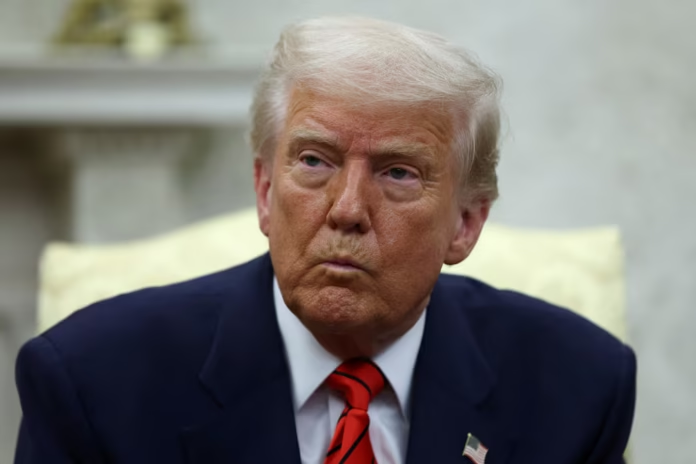
Elon Musk has intensified his calls for the impeachment of judges who rule against the Trump administration, posting about judicial impeachment 17 times within the past 24 hours. The calls for impeachment come amid growing public tension over judicial decisions involving President Donald Trump.
Musk’s social media posts included strong language accusing judges of “extreme abuse of the legal system,” though he did not provide evidence to support his claims. “Impeach them,” Musk wrote in one of his posts, referring to judges who have made decisions unfavorable to Trump.
These comments follow recent statements from Supreme Court Chief Justice John Roberts, who opposed Trump’s call for impeaching judges. In a statement issued on Tuesday, Roberts emphasized that “impeachment is not an appropriate response to disagreement concerning a judicial decision.”
Musk further escalated his rhetoric by describing one particular judicial ruling against Trump as “a judicial coup,” though this characterization was widely criticized as inaccurate and misleading.
As the controversy surrounding Trump’s legal battles continues to unfold, Musk’s advocacy for judicial impeachment has sparked debate over the separation of powers and the independence of the judiciary.
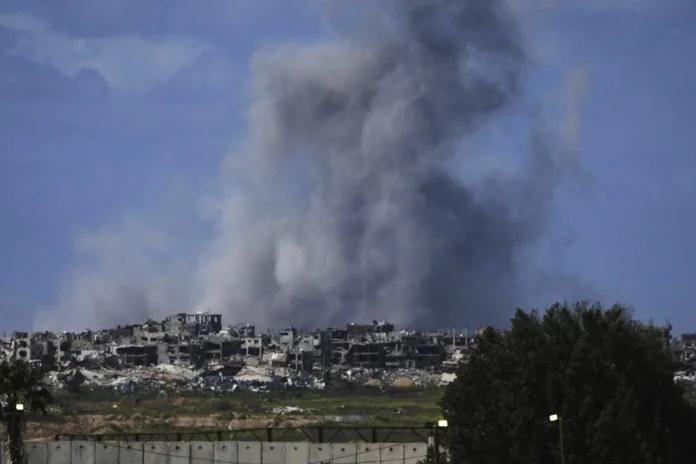
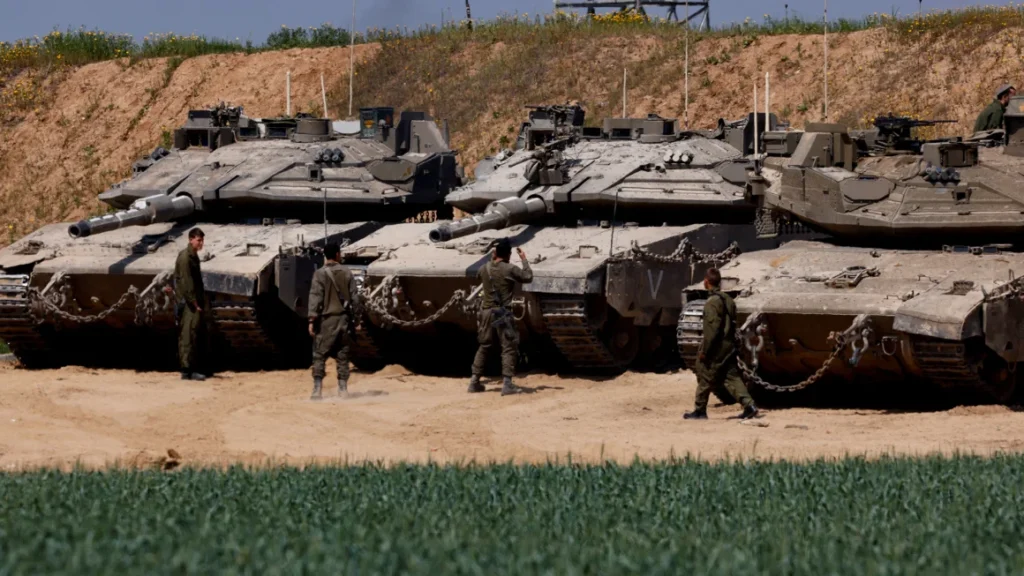
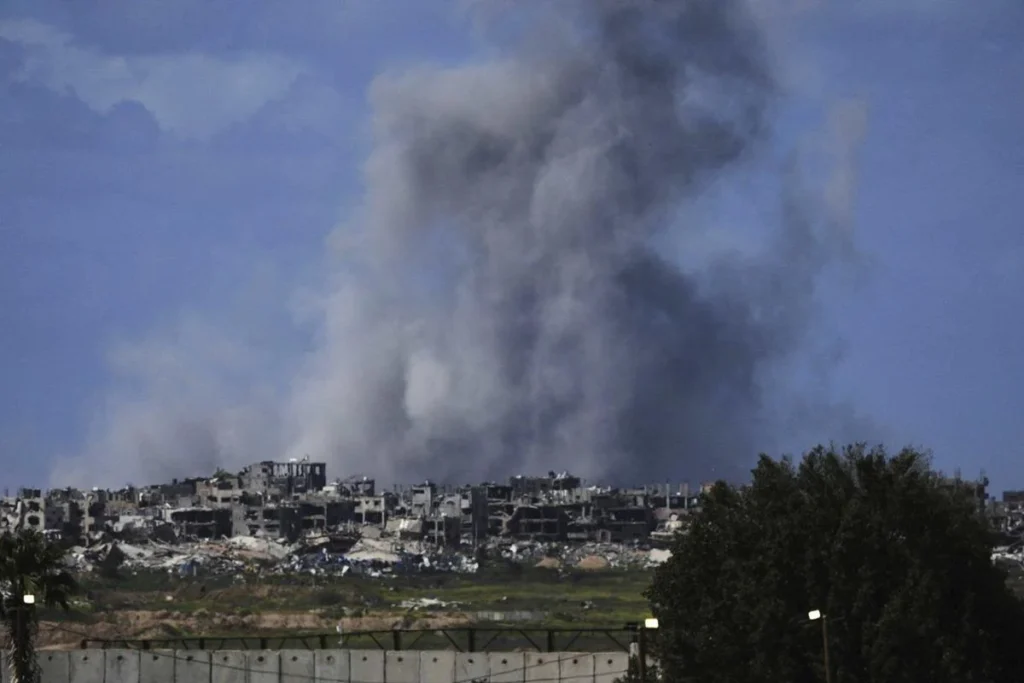
The Israeli military announced on Wednesday the launch of “targeted ground activities” in Gaza, marking the first ground offensive since the two-month-old ceasefire with Hamas collapsed. This operation saw Israel partially recapture a strategic area in Gaza, following a deadly series of airstrikes on Tuesday that shattered the fragile truce.
The Israel Defense Forces (IDF) confirmed that its troops began operations in the central and southern Gaza Strip to extend the security zone and create a buffer between northern and southern Gaza. “Troops expanded their control into the center of the Netzarim Corridor,” the IDF stated, a key area that was previously under Israeli control before the ceasefire.
Under the terms of the ceasefire agreement in January, Israel withdrew from the Netzarim Corridor, which divides Gaza. The area has since seen continued military oversight by foreign contractors, though Palestinian civilians have frequently used the corridor to travel between Gaza’s northern and southern regions.
The new military actions came after an intense series of airstrikes on Gaza that began on Monday night and extended into Tuesday, causing widespread casualties. According to Gaza’s Health Ministry, over 400 people were killed in one of the deadliest days since the conflict reignited.
The escalation occurred amid large-scale protests outside Israel’s parliament in Jerusalem, where demonstrators expressed their opposition to Prime Minister Benjamin Netanyahu’s decision to resume military action in Gaza, which critics argue is meant to shore up his vulnerable coalition.
Defense Minister Israel Katz declared that Gaza residents would “pay the full price” if Israeli hostages held by Hamas were not returned and the group continued to govern the Strip. The Israeli government has framed the airstrikes and ground activities as part of a broader effort to pressure Hamas into releasing hostages.
Israel’s military has so far secured the return of eight hostages, out of the 251 taken by Hamas during the October 7 attacks. Most hostages were released as part of ceasefire deals in exchange for Palestinian prisoners.
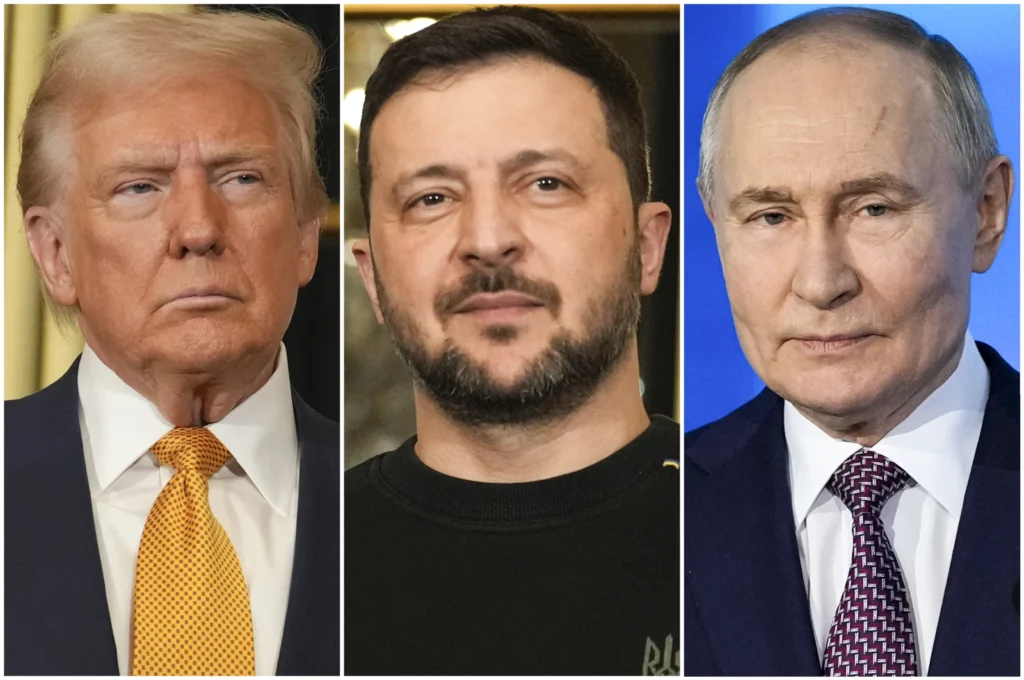
U.S. President Donald Trump and Ukrainian President Volodymyr Zelenskyy held an hour-long conversation on Wednesday, a day after Trump spoke with Russian President Vladimir Putin. Trump stated that the call aimed to “align both Russia and Ukraine in terms of their requests and needs” as he continues efforts to negotiate a ceasefire between the two nations.
“We are very much on track,” Trump said in a social media post, adding that Secretary of State Marco Rubio and National Security Advisor Michael Waltz would provide further details soon.
During Trump’s discussion with Putin on Tuesday, the Russian leader agreed not to target energy infrastructure but stopped short of committing to a full 30-day ceasefire. However, Zelenskyy criticized Putin’s pledge as “very much at odds with reality,” pointing to a fresh wave of overnight drone strikes across Ukraine.
“Even last night, after Putin’s conversation with Trump, when Putin claimed he had ordered a halt on strikes against Ukraine’s energy sector, 150 drones were launched overnight, including on energy facilities,” Zelenskyy said at a news conference alongside Finnish President Alexander Stubb in Helsinki.
The Kremlin responded by asserting that Russia had ceased its attacks on Ukrainian energy infrastructure and accused Kyiv of escalating hostilities by targeting Russian facilities.
“Unfortunately, there is no reciprocity from the Kyiv regime,” Kremlin spokesperson Dmitry Peskov said.
The White House characterized Trump’s talks with Putin as a “movement toward peace,” expressing hopes for a maritime ceasefire in the Black Sea and, eventually, an end to hostilities. However, there was no indication that Putin had softened his demands for a peace deal—terms that Kyiv has firmly rejected.
The Institute for the Study of War (ISW), a Washington-based think tank, argued that Putin’s demands during the talks with Trump amounted to “Ukrainian capitulation.”
“Putin is attempting to hold the temporary ceasefire proposal hostage to extract preemptive concessions ahead of formal negotiations,” the ISW stated in an analysis of the call.
Stubb, the Finnish president, acknowledged that the Trump-Putin talks marked a step toward peace but insisted that Russia must fully end its aggression.
“There are only two responses to the U.S. president’s proposal: yes or no—no conditions, no delays,” Stubb said. “Ukraine has already accepted a ceasefire without conditions. If Russia refuses, we must redouble our efforts to strengthen Ukraine and pressure Russia into negotiations.”
White House National Security Adviser Mike Waltz confirmed on social media that he and his Russian counterpart, Yuri Ushakov, had agreed to meet soon in Riyadh, Saudi Arabia, to discuss implementing and expanding the partial ceasefire Trump secured from Russia.
It remains unclear who will participate in the talks or whether Ukrainian officials have been invited.
Shortly after Trump and Putin’s phone call on Tuesday, air raid sirens blared in Kyiv, followed by explosions. According to Zelenskyy, Russian strikes hit civilian infrastructure, including two hospitals, a railway, and more than 20 houses.
Russian drones were reported over multiple regions, including Kyiv, Zhytomyr, Sumy, Chernihiv, Poltava, Kharkiv, Kirovohrad, Dnipropetrovsk, and Cherkasy.
Meanwhile, the Russian Defense Ministry claimed it had targeted military-related power facilities in Ukraine’s Mykolaiv region before halting strikes in compliance with Putin’s order. Moscow also accused Ukraine of striking an energy facility in Russia’s Krasnodar region, which borders Crimea. The attack reportedly set fire to oil transfer equipment linked to the Caspian Pipeline Consortium.
“It is absolutely clear that this was a deliberate provocation by the Kyiv regime, aimed at sabotaging U.S.-led peace initiatives,” Russia’s Defense Ministry stated.
Russia further claimed that its air defenses had intercepted 57 Ukrainian drones over the Azov Sea and multiple Russian border provinces.
Zelenskyy dismissed Russian claims of de-escalation, emphasizing that Ukraine would only halt retaliatory strikes if Russia did the same.
“Words of a ceasefire aren’t enough,” he said. “If the Russians don’t hit our facilities, we won’t hit theirs.”
Nigerian lawmakers are investigating the activities of over a dozen non-profit organizations, demanding they submit tax and financial statements dating back ten years, according to a letter seen by Reuters. The probe has sparked accusations of “bullying” from civil society groups.
Among the organizations affected are those previously funded by the U.S. Agency for International Development (USAID), Washington’s primary humanitarian aid agency. The U.S. has largely frozen its funding for 90 days pending a review of the agency’s effectiveness under the Trump administration.
A committee within Nigeria’s House of Representatives has sent inquiry letters to groups focused on human rights and accountability, including Transparency International Nigeria. Lawmakers stated that the investigation aims to “unravel their real identities, sources of funding, and what they expend their monies on.”
The probe follows recent statements by U.S. Congressman Scott Perry, who alleged—without providing evidence—that USAID had channeled funds to Islamist groups, including Boko Haram in Nigeria. The U.S. ambassador to Nigeria, Richard Mills, has dismissed these claims.
Nigerian lawmakers have requested detailed audited financial statements from the non-profits, covering 2015 to 2024. However, affected organizations argue that the probe is an attempt to suppress their work and restrict free speech.
“On the basis of hearsay, just an unfounded allegation and lack of any proven evidence from either Nigerian security or financial agencies, the National Assembly has embarked on this walk,” said Auwal Musa Rafsanjani, head of Transparency International Nigeria.
Abiodun Baiyewu, executive director of Global Rights—another group under investigation—criticized the move as a “brazen attempt at bullying the non-profit sector and not done in good faith.”
House of Representatives spokesperson Akin Rotimi defended the probe, arguing that the allegations raised by the U.S. Congressman were “too weighty to be dismissed.”
“It is to gain a clearer understanding of how these funds have been managed over the years to determine whether there have been any lapses,” Rotimi told Reuters.
Under Nigerian law, parliamentary committees have the authority to investigate any issue of national interest. If their findings are approved by a majority of lawmakers, they can recommend legal action, including arrests and prosecutions.
The investigation has raised concerns about increasing government scrutiny of civil society organizations in Nigeria, with many questioning whether the probe is politically motivated or part of broader efforts to control non-governmental groups operating in the country.
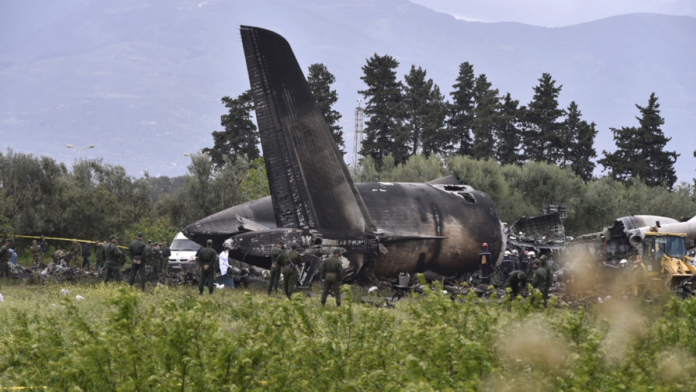
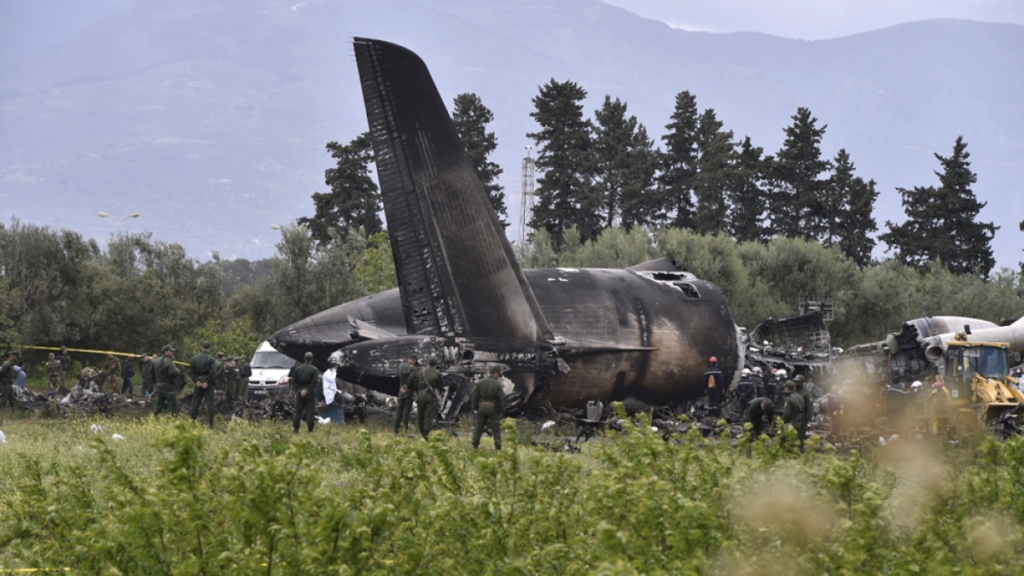
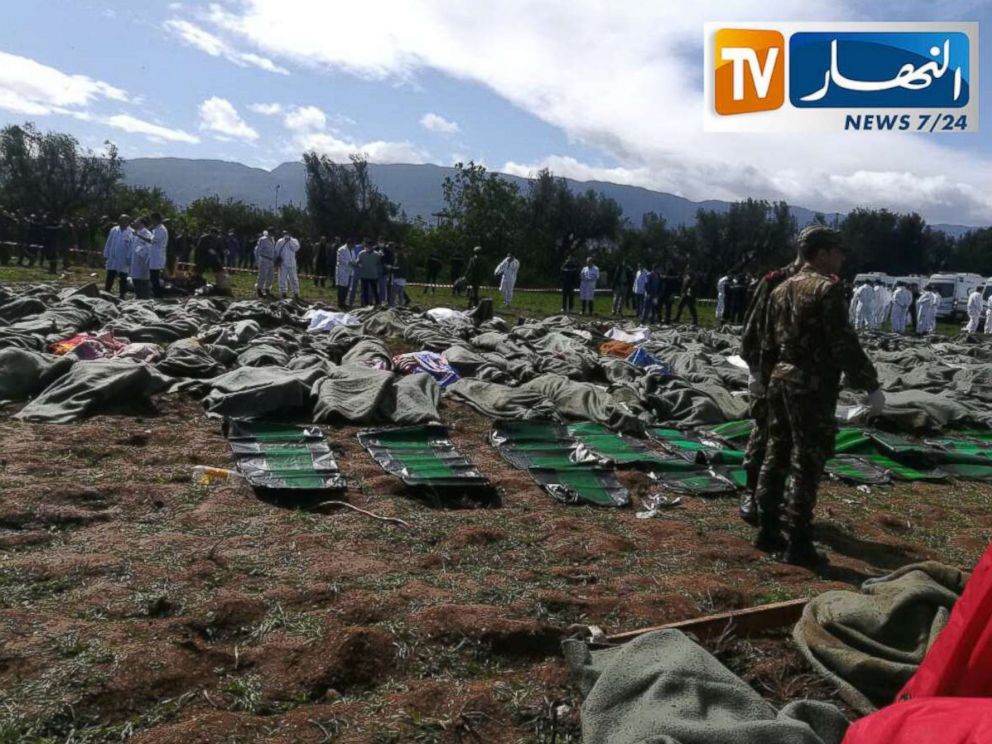
At least 257 people have died after a military aircraft crashed near the Boufarik airbase, just outside Algiers, on Wednesday morning, according to Algerian state television.
The aircraft, a Russian-made Ilyushin Il-76, was carrying mostly soldiers when it went down shortly after takeoff. Algeria’s defense ministry confirmed that among the dead were 247 passengers and 10 crew members.
Ennahar TV reported that 26 of the victims were members of the Polisario Front, a separatist group advocating for Western Sahara’s independence—a region also claimed by Morocco.
Authorities have yet to determine the cause of the crash, and an investigation is underway. The defense ministry extended condolences to the families of the victims, and government officials observed a minute of silence in their honor.
“In this painful ordeal, the government members offer their deepest condolences to the families of the victims,” read an official statement from the cabinet.
Local news website Algerie24 reported that the aircraft was bound for Bechar, a city in western Algeria. Images from the crash site showed thick smoke rising as first responders and civilians rushed to assist.
This disaster marks Algeria’s deadliest plane crash since 2003, when an Air Algérie jet crashed after takeoff from Tamanrasset, killing 102 people.
Other military aviation accidents in Algeria’s recent history include:
– **2014:** A C-130 aircraft crashed into Djebel Fertas mountain, killing over 70 off-duty soldiers and their families.
– **2012:** Two military jets collided mid-air near Tlemcen, killing both pilots.
– **2012:** A CASA C-295 military transport plane crashed in southern France while carrying banknote printing materials, killing five soldiers and an Algerian central bank representative.
The Algerian government has vowed a full investigation to determine the cause of the Boufarik crash and prevent future tragedies.
Nigerian President Bola Tinubu declared a state of emergency in Rivers State on Tuesday, suspending the state governor, deputy governor, and all lawmakers. The decision follows reports of pipeline vandalism by militants and the alleged inaction of state authorities.
In a televised address, Tinubu cited security reports detailing “disturbing incidents of vandalization of pipelines by some militants without the governor taking any action to curtail them.”
“With all these and many more, no good and responsible president will stand by and allow the grave situation to continue without taking remedial steps prescribed by the constitution to address the situation in the state,” Tinubu stated.
Earlier, police launched an investigation into a pipeline explosion in Rivers State that ignited a fire along Nigeria’s Trans Niger Pipeline, a key route transporting crude oil from onshore fields to the Bonny export terminal.
Rivers, a vital oil-producing region in the Niger Delta, has long faced security threats from militant groups that have attacked pipelines, disrupting production and exports.
The state has been embroiled in a political standoff, with rival factions within the opposition People’s Democratic Party (PDP) clashing over leadership. Lawmakers had also threatened to impeach the governor and his deputy, further escalating tensions.
By declaring a state of emergency, Tinubu granted the federal government authority to regulate the state and deploy security forces as needed to restore order. He appointed a retired vice admiral as caretaker governor for an initial six-month period.
Tinubu confirmed that a copy of his proclamation had been sent to the National Assembly, which has the power to approve or reject the decision.
“For the avoidance of doubt, this declaration does not affect the judicial arm of Rivers State, which shall continue to function in accordance with their constitutional mandate,” Tinubu added.
The state of emergency underscores growing concerns over security and governance in Nigeria’s oil-producing regions, with authorities vowing swift action to stabilize the situation.
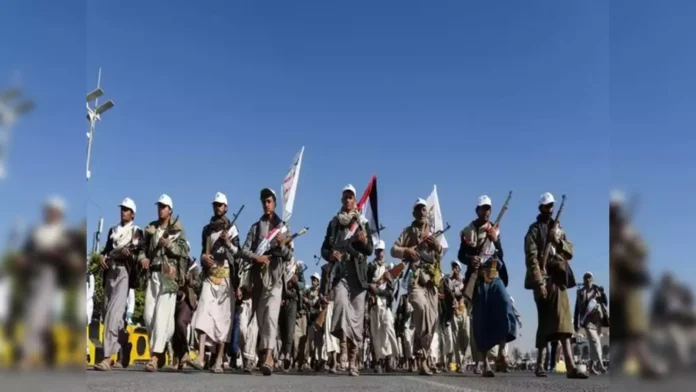
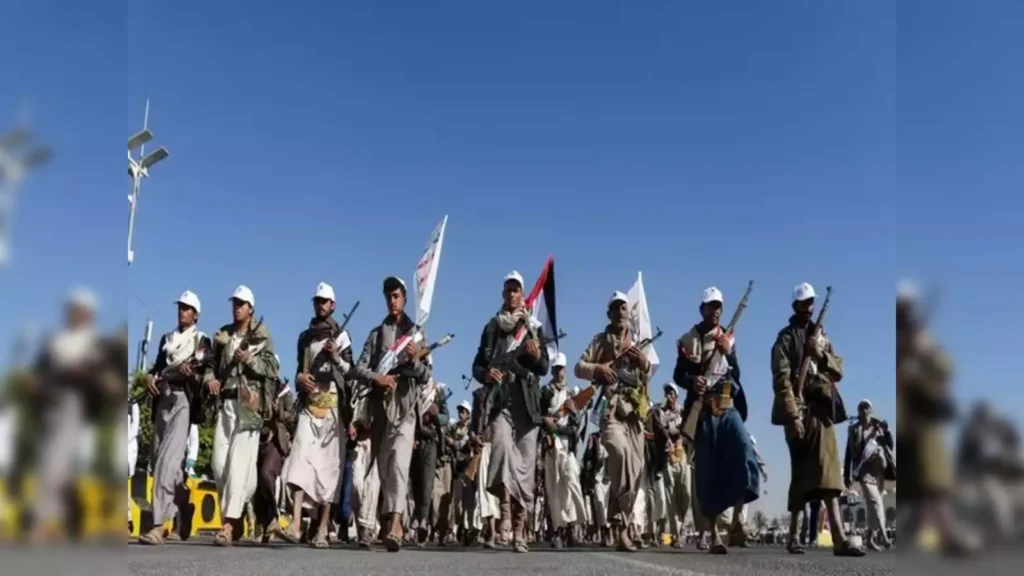
The United States conducted overnight airstrikes on multiple Houthi strongholds in Yemen, including Saada province and the Red Sea port city of Hodeidah, Yemeni sources reported. These areas are known to house key Iran-aligned Houthi leaders and heavily fortified military sites.
Houthi-run Al Masirah TV confirmed that more than 10 U.S. airstrikes hit various locations, including the Al-Safra district of Saada, a critical hub for weapons storage and training. The strikes mark the most significant U.S. military operation in the Middle East since the escalation of Red Sea attacks.
The airstrikes were launched in response to the Houthis’ continued assaults on Red Sea shipping lanes. The Iran-backed group has carried out over 100 attacks on commercial vessels since Israel’s war with Hamas began in late 2023, citing support for Gaza’s Palestinians. These disruptions to global trade have prompted the U.S. military to intercept incoming missiles at a high cost.
Houthi leaders warned of further escalation. Speaking from Sanaa, Houthi foreign minister Jamal Amer told Reuters:
Now we see that Yemen is at war with the U.S., and that means that we have a right to defend ourselves with all possible means, so escalation is likely.
The Houthis are a key part of the so-called Axis of Resistance, an anti-Western coalition that includes Hamas, Hezbollah, and Iran-backed militias in Iraq.
U.S. President Donald Trump and other Western leaders have called for holding Iran accountable for future Houthi aggression. Meanwhile, two senior Iranian officials told Reuters that Tehran sent a verbal message urging the Houthis to de-escalate.
The Houthis, who control much of Yemen, recently declared they would resume attacks on Israeli-linked vessels after a brief pause following a January ceasefire in Gaza. Under the leadership of Abdul Malik al-Houthi, the group has expanded its ranks to tens of thousands and amassed a growing arsenal of drones and ballistic missiles.
According to Yemeni sources, Houthi leaders have gone into hiding, fearing targeted U.S. airstrikes. Many have cut off communications by switching off mobile devices. The only senior leader to appear in public recently was Mohammed Ali al-Houthi, head of the militia’s Supreme Revolutionary Committee, who was seen disguised as a civilian on public transport before delivering a speech in Sanaa.
Amid the ongoing conflict, Israeli Prime Minister Benjamin Netanyahu announced the resumption of airstrikes on Gaza, prompting the Houthis to vow expanded missile and drone attacks on Israeli targets.
A Houthi military spokesperson claimed without evidence that the group had targeted the USS Harry S. Truman aircraft carrier in the Red Sea. However, a U.S. defense official confirmed that American warplanes shot down 11 Houthi drones, none of which posed a direct threat to the carrier. A separate missile was tracked and deemed non-threatening.
As tensions in the Red Sea and the broader Middle East continue to rise, U.S. forces remain on high alert for further retaliatory strikes from the Houthis and their allies.
Israeli airstrikes killed at least 10 Palestinians in Gaza on Wednesday, according to local health officials, as the Israeli military resumed its bombardments and issued new evacuation orders for combat zones.
The Israeli military confirmed it had targeted a Hamas site in northern Gaza, citing preparations for rocket fire into Israeli territory.
On Tuesday, Israeli airstrikes killed more than 400 people, according to Palestinian health authorities, marking one of the deadliest days since the war began. The latest escalation follows a brief period of calm after a ceasefire in January. Israeli officials warned the offensive was “just the beginning.”
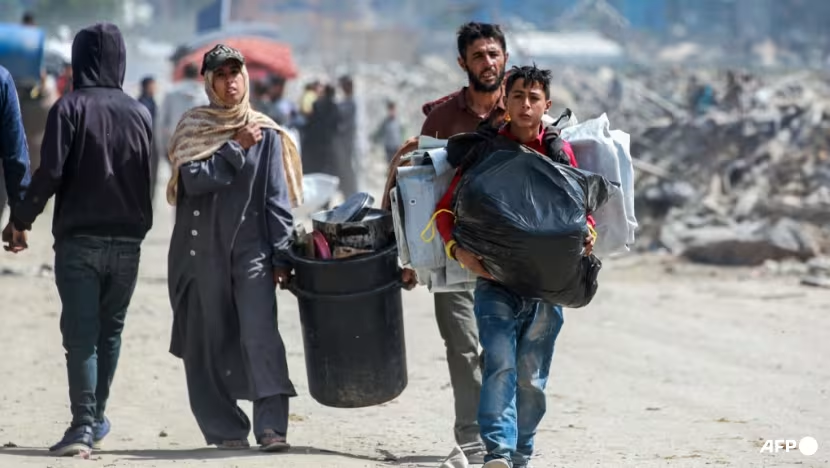
Both Israel and Hamas accused each other of violating the ceasefire, which had temporarily provided relief for Gaza’s 2.3 million residents. The ongoing war has devastated the enclave, leaving much of it in ruins and forcing repeated mass displacements.
The Israeli army distributed leaflets in Beit Hanoun and Khan Younis on Wednesday, warning civilians to evacuate as these areas were declared “dangerous combat zones.” The leaflets stated: “Staying in shelters or tents puts your life and that of your family in danger. Evacuate immediately.”
An Israeli airstrike also hit a United Nations facility in central Gaza, killing one and injuring four, according to the Gaza Health Ministry. The Israeli military denied targeting the UN compound in Deir el-Balah.
Israeli Prime Minister Benjamin Netanyahu said Tuesday that military action resumed after Hamas rejected proposals to extend the ceasefire. Hamas, which continues to hold 59 of the 250 hostages Israel says were taken during its October 7, 2023, cross-border attack, accused Israel of undermining mediation efforts for a lasting truce.
The renewed conflict has drawn international concern. European Union foreign policy chief Kaja Kallas called the situation in Gaza “unacceptable” during talks with Israeli Foreign Minister Gideon Saar.
Jordan’s King Abdullah, after meeting with French President Emmanuel Macron in Paris, urged an immediate ceasefire and the resumption of humanitarian aid. “Israel’s resumption of attacks on Gaza is an extremely dangerous step that adds further devastation to an already dire humanitarian situation,” Abdullah said.
German Foreign Minister Annalena Baerbock urged restraint, warning that the renewed fighting jeopardizes diplomatic efforts for a peaceful resolution. “The resumption of fighting undermines Arab states’ efforts to establish a future for Gaza free from Hamas,” Baerbock said.
Israel and its Western allies maintain that Hamas should have no role in governing Gaza once the war ends. Despite Israel’s campaign to dismantle the group, Hamas remains the dominant power in the enclave.
Arab nations had proposed a reconstruction and peace initiative, but progress has stalled. A previous U.S. plan under President Donald Trump, which suggested resettling Palestinians and turning Gaza into an economic hub, was widely opposed in the region.
Israeli airstrikes on Wednesday killed three people in a house in Gaza City’s Sabra neighborhood. Another attack in Beit Hanoun killed two men and injured six others, according to Palestinian health officials.
Palestinian medics reported that Israeli tank shelling on Salahdeen Road killed one person and wounded others. Another airstrike killed three people in a house in Beit Lahiya, north of Gaza City.
Israeli naval forces attacked multiple boats, alleging they were being used by Hamas and Islamic Jihad for planned operations. Palestinian sources reported that an Israeli drone fired on fishing boats near Gaza City’s shore, setting several ablaze.
Hamas officials reaffirmed their commitment to a three-phase ceasefire plan.
Since October 7, 2023, Hamas-led militants have killed approximately 1,200 people in Israel and taken around 250 hostages, according to Israeli figures. In response, the Israeli military campaign has killed over 49,000 Palestinians, according to Gaza’s Health Ministry.
Since the resumption of airstrikes on Tuesday, at least 436 Palestinians have been killed, including 183 children, the health ministry reported.
A federal judge has blocked President Donald Trump’s executive order that banned transgender people from enlisting or serving in the military, ruling that the policy violates constitutional protections.
U.S. District Judge Ana Reyes determined Tuesday that the ban violates the equal protection clause by discriminating based on transgender status and sex. In her ruling, she described the policy as “soaked in animus” toward transgender individuals.
“Its language is unabashedly demeaning, its policy stigmatizes transgender persons as inherently unfit, and its conclusions bear no relation to fact,” Reyes wrote in her decision. She noted the “cruel irony” that “thousands of transgender servicemembers have sacrificed — some risking their lives — to ensure for others the very equal protection rights the Military Ban seeks to deny them.”
The judge delayed implementation of her preliminary injunction until Friday to allow the administration time to appeal. She emphasized that the government “could have crafted a policy that balances the Nation’s need for a prepared military and Americans’ right to equal protection.”
Trump’s new order represents a significant expansion from a similar policy during his first term. The current ban not only prohibits transgender people from enlisting but also requires the Pentagon to identify all transgender service members with “a current diagnosis or history of, or exhibit symptoms consistent with, gender dysphoria.” Those identified would be disqualified and removed from their positions, according to a Pentagon memo filed in the lawsuit.
Shannon Minter, legal director for the National Center for Lesbian Rights, which represents several transgender service members and potential enlistees in the lawsuit, praised the ruling for “shielding our troops from the harmful effects of this irrational ban.”
“The ban’s harmful impact and rushed implementation show that it was motivated by prejudice,” Minter said. “Our plaintiffs include lifelong military personnel who served in combat in Afghanistan, come from multi-generation military families, and have received honors like the Bronze Star.”
During preliminary hearings, Reyes questioned Justice Department attorneys about language in the order stating that a transgender person’s identity “conflicts with a soldier’s commitment to an honorable, truthful, and disciplined lifestyle.” She repeatedly pressed whether this demonstrated animus toward the transgender community.
The White House and Justice Department did not immediately respond to requests for comment on the ruling.
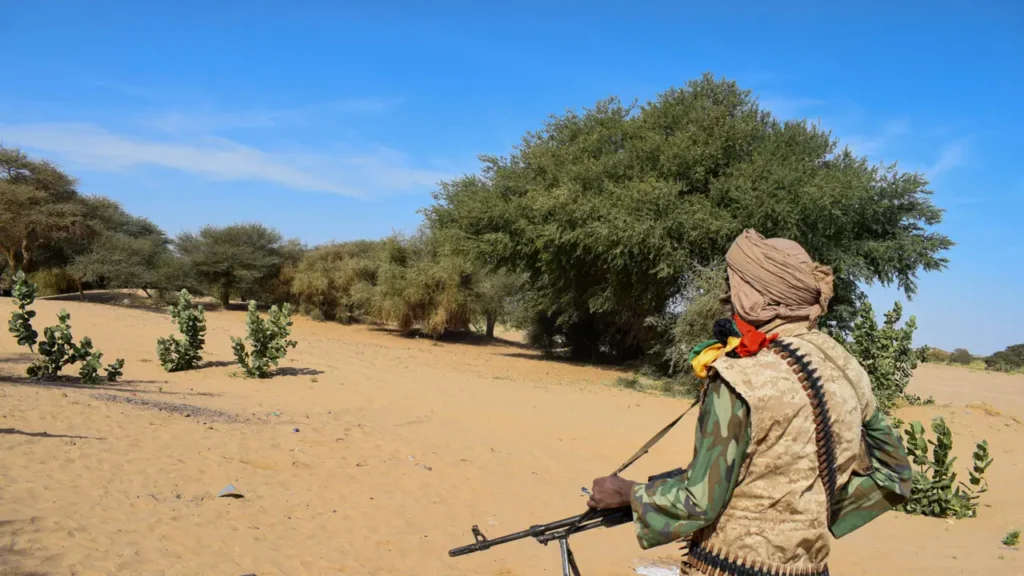
Mali’s army conducted an airstrike on a market in the country’s northern region that killed at least 18 people, according to a Tuareg separatist group, while military officials claim the attack targeted armed militants.
The Collective for the Defense of the Rights of the Azawad People, part of a Tuareg separatist coalition, reported the strike occurred approximately 50 kilometers north of Lerneb in the Timbuktu region. The group’s statement released late Monday described the incident as a “barbaric act from another age” and noted that seven additional people were injured in Sunday’s attack.
Mali’s army contradicted this account, stating on social media platform X that it conducted airstrikes on a “refuge” in the area, resulting in the deaths of 11 “terrorists.”
The conflicting reports emerge amid ongoing violence in Mali, where the government has battled an insurgency for more than a decade involving various armed groups, including some affiliated with al-Qaida and the Islamic State. Following a military coup in 2021, Mali’s interim leadership under President Assimi Goita expelled French forces and turned to Russian security assistance, though the army continues to face challenges in curbing regional violence.
This incident follows accusations last month from the Front for the Liberation of Azawad that Mali’s army and Russian mercenaries from the Wagner group “coldly executed” at least 24 people in northern Mali.
Security analysts suggest the contradictory casualty information could result from military operations targeting militants in civilian areas, noting that jihadi fighters often visit markets for supplies. Others point out that both the army and separatist groups may characterize casualties differently to support their respective positions in the ongoing conflict.
Mali’s northern region has experienced persistent instability as separatist movements and various armed groups compete for control while the military government struggles to establish security throughout the country.