Home Blog Page 527

Syrian Rebel Leader Abu Mohammed al Jolani Addresses the West’s Concerns

0

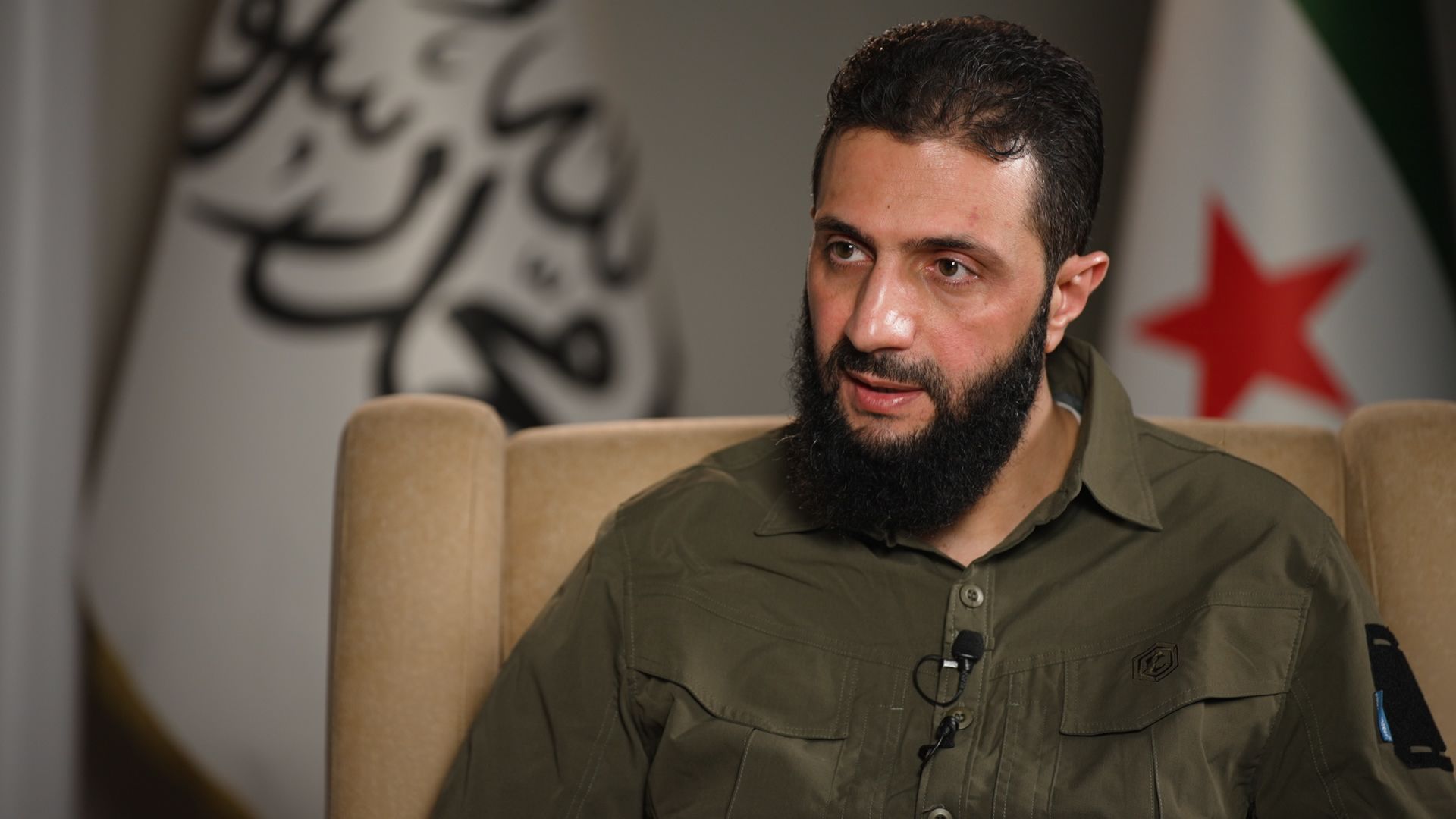
Abu Mohammed al Jolani, leader of the rebel group Hayat Tahrir al Sham (HTS), has assured Western countries they have “nothing to fear” from Syria following the overthrow of Bashar al Assad’s regime. His remarks, made during an exclusive interview with Sky News, mark his first comments to a Western outlet since Assad fled.
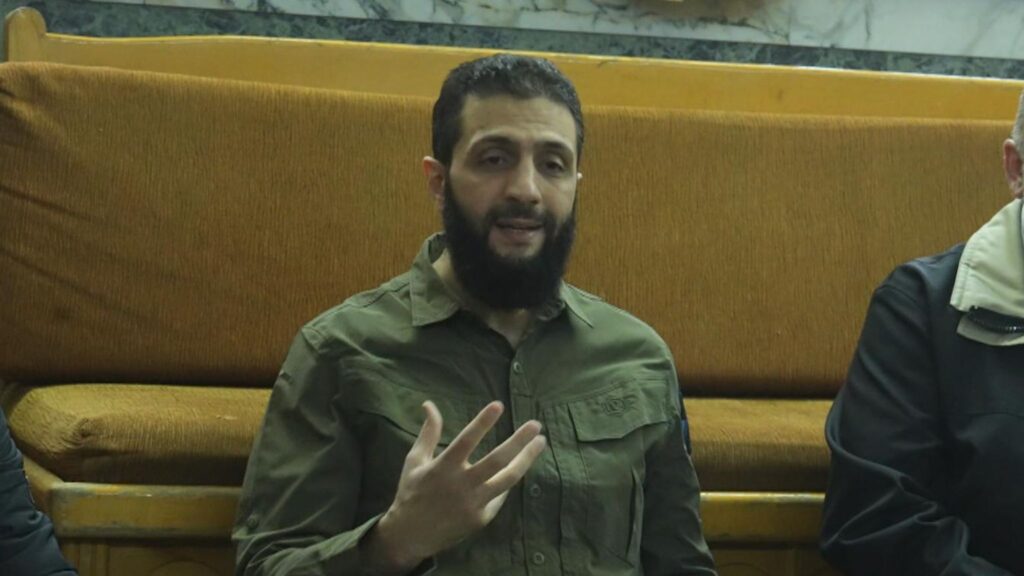
Jolani, speaking in Damascus, stated that Syria is on a path toward “development and reconstruction” after years of conflict. “The fear was from the presence of the regime,” he said. “The country is moving towards stability, and people are exhausted from war. Syria is not ready for another conflict.”

Addressing concerns about regional threats, Jolani highlighted the removal of Iranian militias, Hezbollah, and the Assad regime as a turning point. “Their removal is the solution for Syria. The current situation won’t allow for a return to panic,” he added.

Western Designation as Terrorist

Despite Jolani’s efforts to reshape his image, he remains designated as a terrorist by the United States due to his past ties with al Qaeda. Over the years, he has publicly distanced himself from his extremist roots, advocating for a pluralistic and tolerant society.
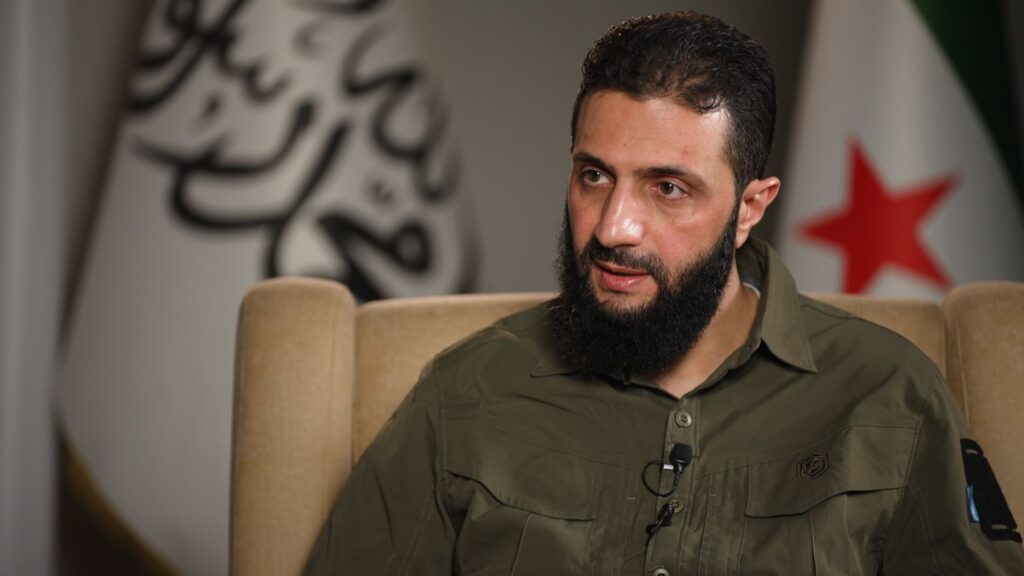
The rebel leader’s comments have fueled discussions about whether Western governments might reconsider their stance on HTS and its leadership, given the group’s evolving role in post-Assad Syria.

Reconstruction and Stability

Jolani emphasized that the nation is now focused on rebuilding. “The country will be rebuilt,” he told Sky News’ Zein Jaafar and Celine al Khaldi. “The source of our fears was from the massacres committed by the regime. With that era behind us, Syria is moving toward peace and progress.”

As Syria transitions, Western nations are closely monitoring HTS’s governance and the broader implications for regional stability.
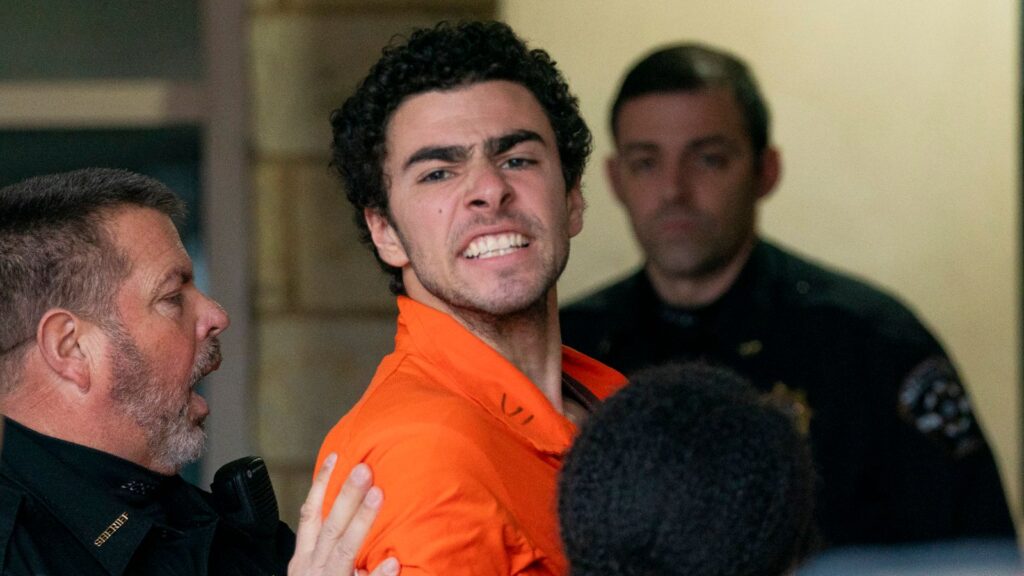
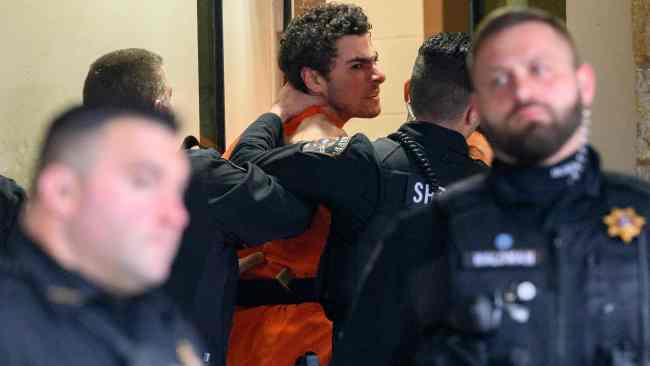
UnitedHealthcare CEO Case: Defendant, Luigi Mangione, Resists, Yells During Court Entrance

0

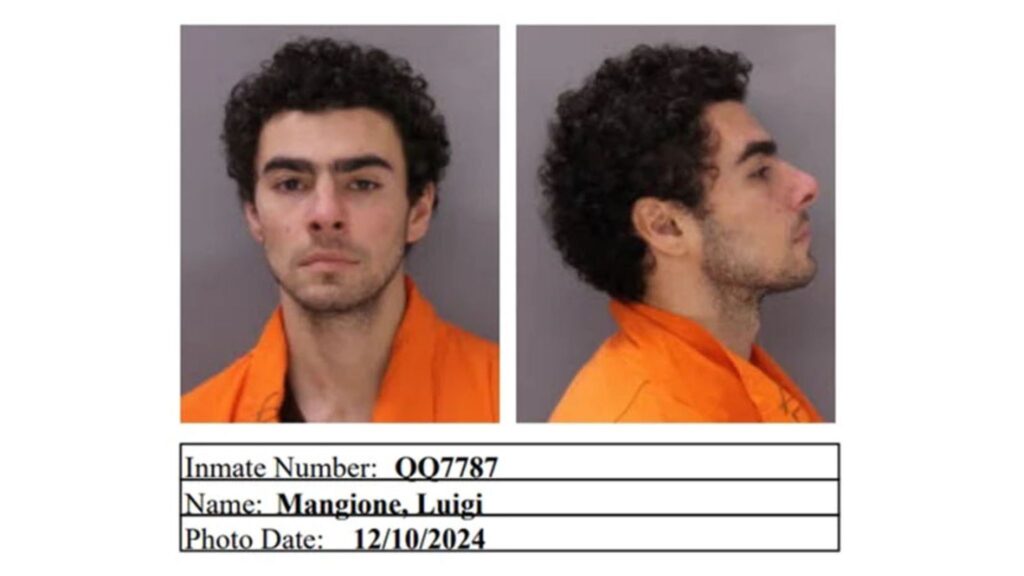
Luigi Mangione, the man accused of murdering UnitedHealthcare CEO Brian Thompson in Manhattan last week, clashed with officers Tuesday as he was escorted into a Pennsylvania courtroom. Mangione has decided to contest his extradition to New York, setting the stage for a prolonged legal process.

The 38-year-old suspect, dressed in an orange prison jumpsuit and handcuffs, struggled with police outside Blair County Courthouse, shouting to reporters, “It’s completely out of touch and an insult to the intelligence of the American people and their lived experience.” Officers restrained him against a wall before leading him inside for a hearing where bail was denied.

Mangione was arrested Monday in Altoona after a McDonald’s employee tipped off authorities about a suspicious customer. Police reportedly found Mangione with a firearm, a mask, $10,000 in cash—$2,000 of it in foreign currency—and a backpack resembling one seen in surveillance footage tied to the Manhattan ambush.

Thompson, 50, was fatally shot in an apparent ambush while walking to a hotel for an investor conference. Prosecutors allege Mangione targeted the UnitedHealthcare executive in what appears to be a premeditated attack.

Eyewitness Accounts in Altoona

A customer at the McDonald’s, who identified himself only as Larry, said a friend recognized Mangione. “He said, ‘That looks like the shooter from New York,’” Larry recalled. Mangione, sitting in a corner with his hood up, reportedly drew attention because his backpack matched one shown in media reports.

When officers approached Mangione, legal filings reveal he began shaking as he was questioned about his recent travels. Authorities say he gave them a fake ID. Pennsylvania prosecutor Peter Weeks disclosed that Mangione was found with a passport and additional writings criticizing the U.S. healthcare system and large corporations, including UnitedHealthcare.

Handmade Firearm Under Investigation

Investigators are examining whether Mangione built the firearm and suppressor used in the attack. Senior law enforcement officials confirmed that both items appeared to be handmade. Mangione’s writings, recovered at the time of his arrest, allegedly included statements such as, “Frankly, these parasites had it coming,” and an assertion that he acted alone.

Luigi seen eating at the McDonald

Legal Challenges and Background

Mangione has been charged in Pennsylvania with weapons violations and forgery in addition to the New York murder charges. His legal team’s decision to fight extradition could delay his transfer to New York for weeks.

The Hawaii Department of Land and Natural Resources released a photograph of Mangione receiving a traffic violation notice in Honolulu in November 2023, the last record of his residence.

Authorities continue to investigate potential motives behind the killing. UnitedHealthcare has declined to comment on the case.

Mexican Military to Receive Pay Raise After Independent Agencies Eliminated, President Says

0

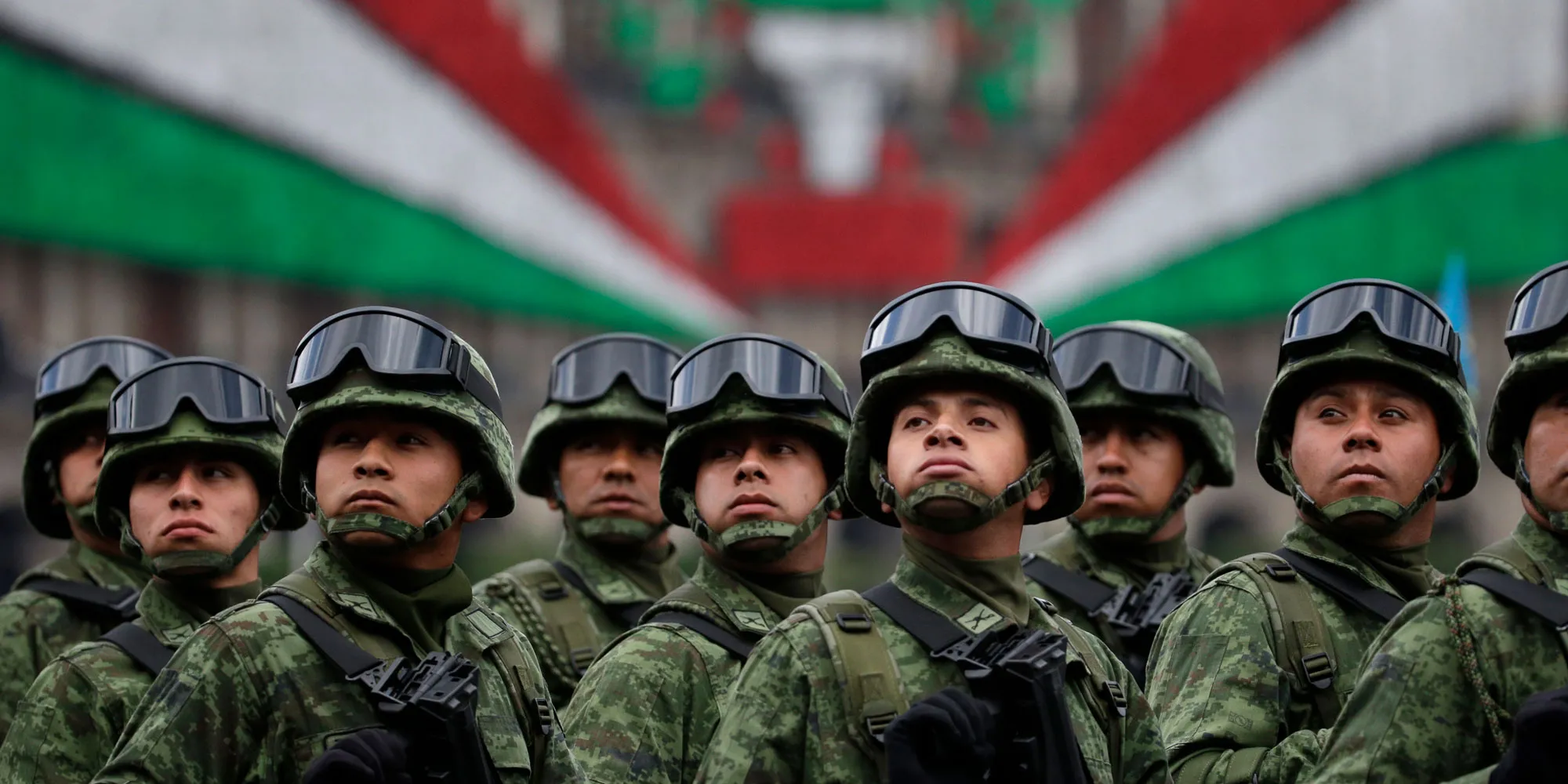
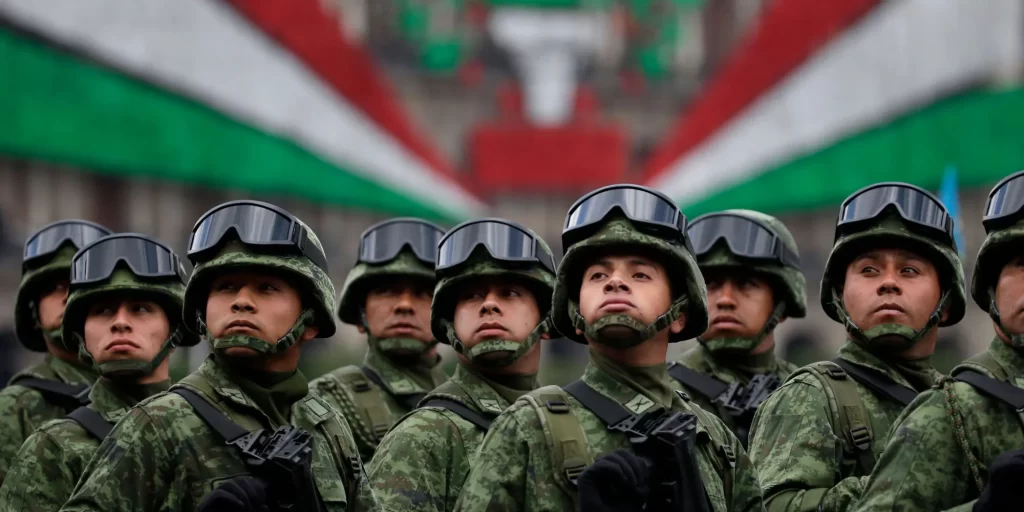
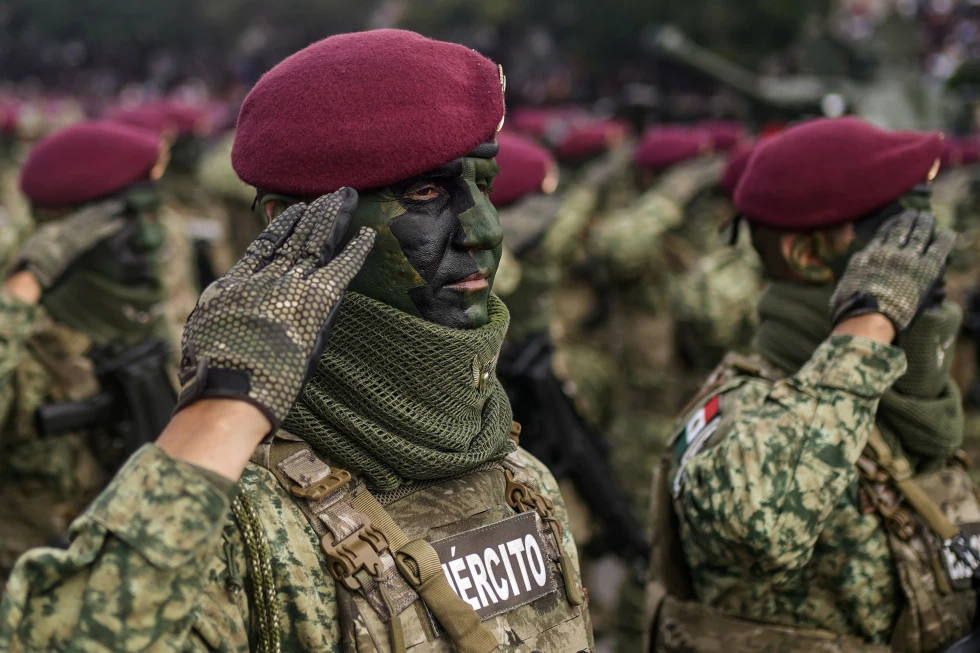
Mexican President Claudia Sheinbaum announced Monday that the government will allocate funds saved by eliminating independent oversight and regulatory agencies to boost soldiers’ pay, marking the latest in a series of measures to increase the military’s influence and resources. 

This move follows recent steps by Sheinbaum’s administration to generate new revenue streams for the country’s armed forces, which have taken on a growing array of roles in public infrastructure and law enforcement under her leadership. Last week, Mexico’s Congress approved a $42 per-passenger fee for cruise ship visitors, with a large portion of the proceeds designated for the military. 

Since 2019, Mexico’s armed forces have been tasked with overseeing and operating key infrastructure projects, including railways, airports, and airlines. While these projects have symbolized the military’s growing role, they have also faced criticism for financial losses. 

For over a century, Mexico’s military was largely apolitical and free of business entanglements. That changed under Sheinbaum’s predecessor and mentor, Andrés Manuel López Obrador, who saw the army as a loyal ally and central to his political agenda. López Obrador also gave the military and the quasi-military National Guard expanded roles in law enforcement. 

Sheinbaum has continued to build on that legacy. Her Morena party has funneled significant resources into the military, with the elimination of regulatory bodies and the introduction of new fees to support the armed forces. 

In late November, Mexico’s Senate, controlled by the ruling Morena party, approved the dissolution of seven independent regulatory and oversight agencies. These agencies previously handled functions such as anti-monopoly enforcement, energy market regulation, and freedom of information requests. 

Sheinbaum defended the move as a cost-saving measure, asserting that government ministries could handle the agencies’ responsibilities more efficiently. However, critics warn that dismantling these watchdogs could lead to favoritism, reduced transparency, and unchecked government power. 

Another controversial measure is the cruise ship passenger fee, which has drawn sharp criticism from the tourism industry. Mexican business chambers argue that the $42 per-passenger charge could hurt the country’s $500 million-a-year cruise industry. Two-thirds of the revenue from this fee will be directed to the army, rather than improving port facilities. 

The government’s growing reliance on the military has coincided with financial challenges for several high-profile projects. One such initiative is the Maya Train, a tourist railway looping around the Yucatán Peninsula. Despite its launch on Dec. 16, 2023, the train has drawn only 20% of its anticipated ridership. 

Authorities initially projected the Maya Train would attract 3 million passengers annually. However, as of Dec. 8, it had carried just over 600,000 passengers in nearly a year of operation. To boost ridership, the government announced a new “package tour” deal involving Mexicana, the government-owned airline also operated by the military. 

Mexicana, which has struggled financially, will offer flights to Maya Train destinations departing from Mexico City’s Felipe Ángeles International Airport—another military-run project. The airport itself has faced operational challenges, achieving financial stability only after the government redirected cargo planes and some passenger flights there. 

The Morena government is grappling with significant budget deficits as it funds large-scale infrastructure projects, including railways and oil refineries, many of which are built by the army. With projects like the Maya Train and Mexicana airline failing to meet financial expectations, the administration is increasingly seeking alternative revenue sources to sustain military operations and pay raises. 

Critics have raised concerns about the military’s expanding influence and the potential erosion of transparency and accountability in Mexico’s governance. However, Sheinbaum remains steadfast in her approach, framing these measures as necessary for national progress and security. 

Netanyahu Takes Stand in Corruption Trial Amidst Mounting Domestic and International Challenges

0

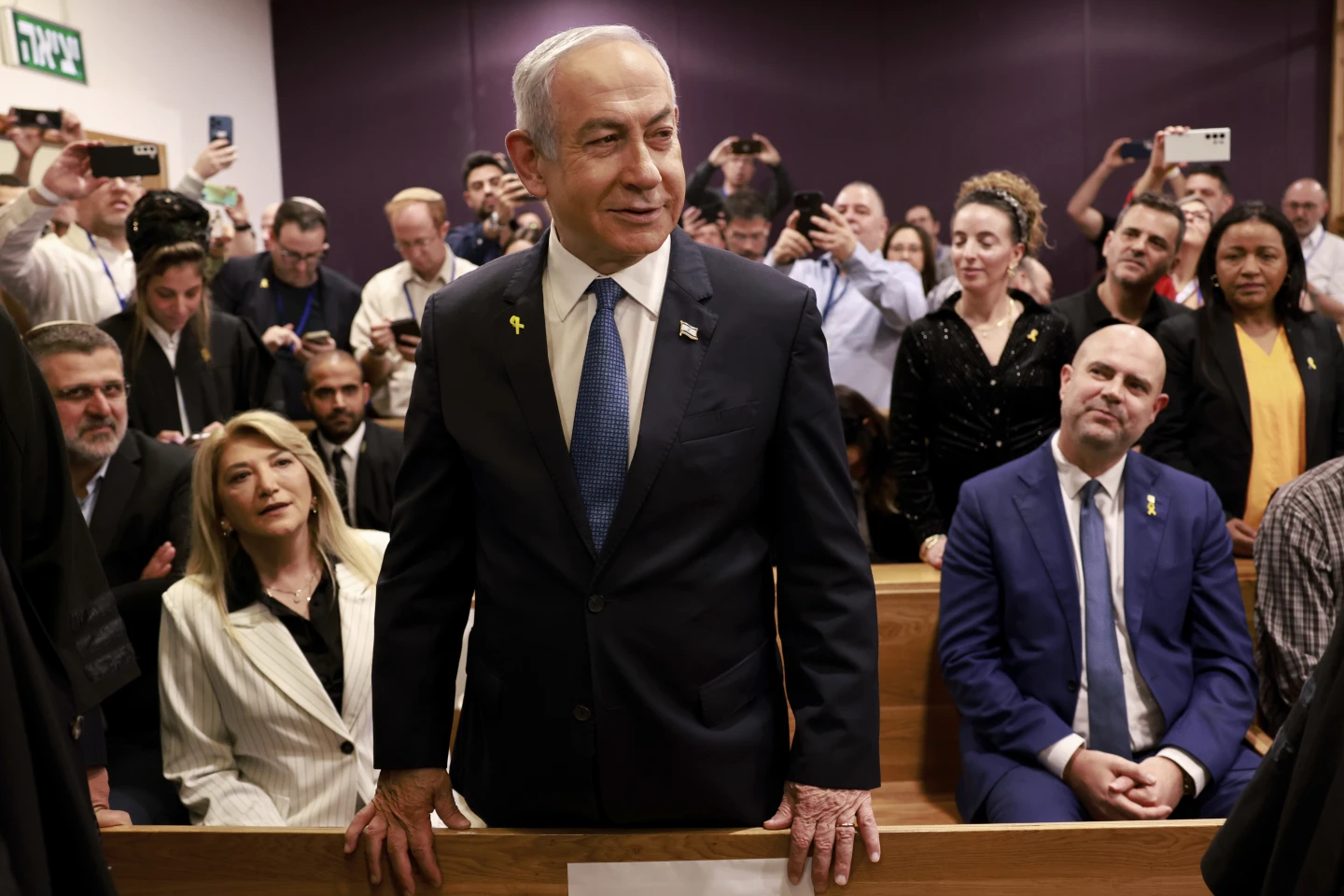
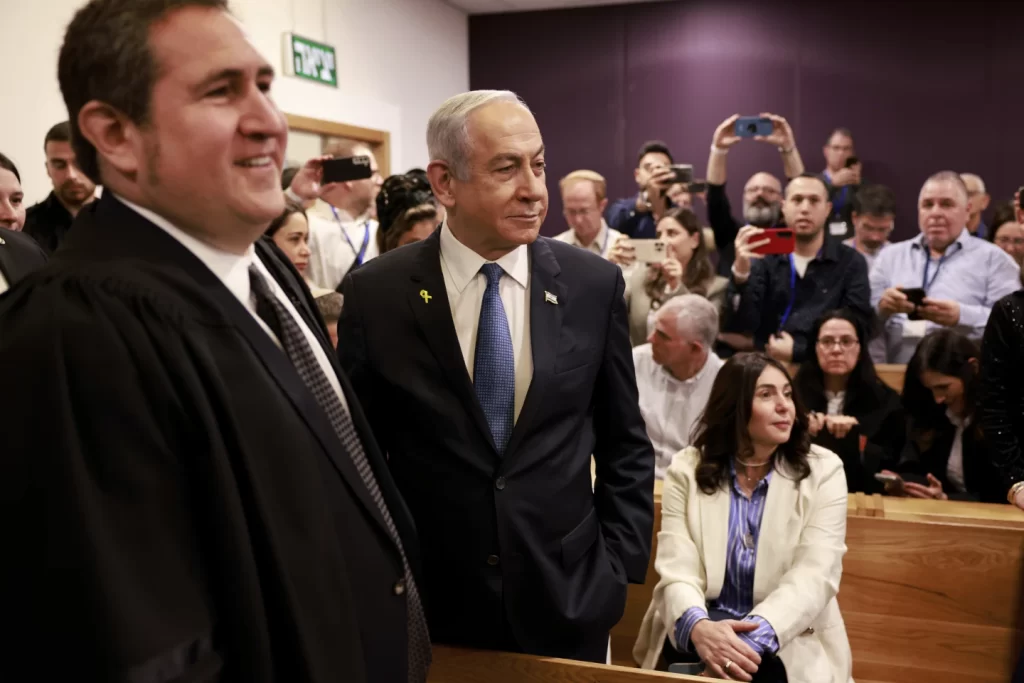
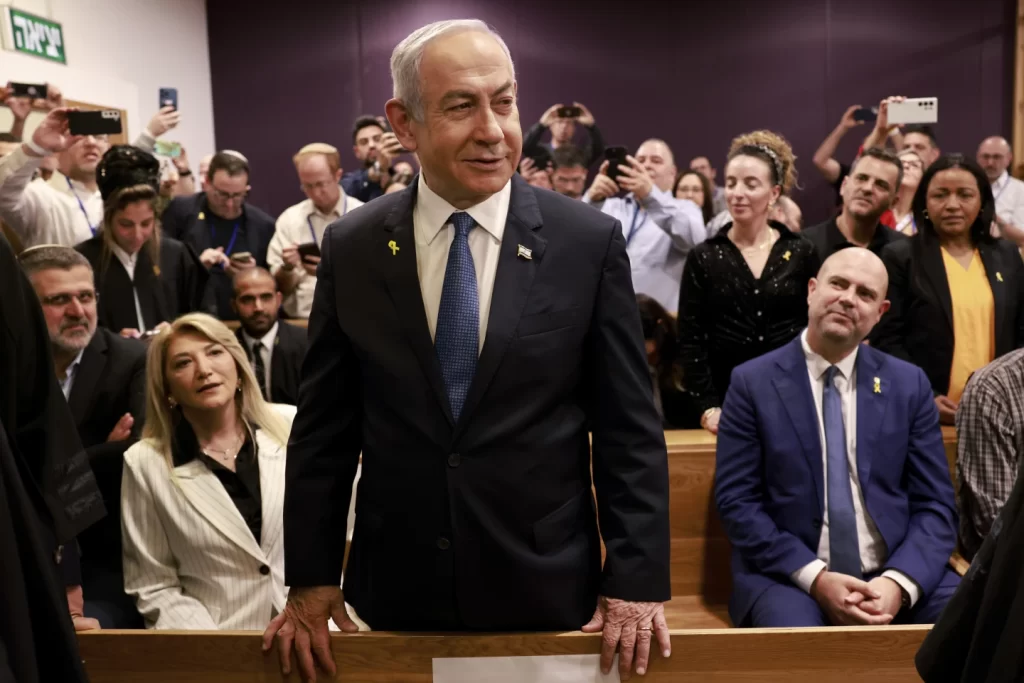
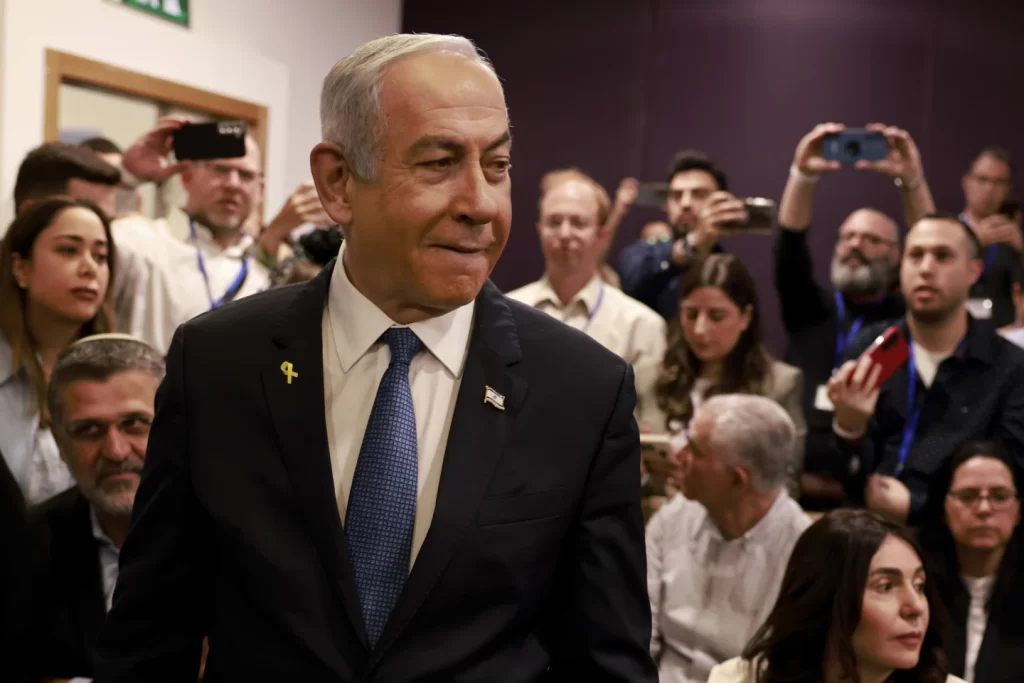
Israeli Prime Minister Benjamin Netanyahu vowed on Tuesday to refute what he called “absurd” corruption charges as he testified in his long-running criminal trial. The appearance marked the first time a sitting Israeli leader has taken the stand as a defendant. 

The trial, unfolding in a fortified Tel Aviv courtroom, is the latest chapter in the political and legal drama surrounding Israel’s longest-serving leader. Netanyahu, 75, faces charges of fraud, breach of trust, and bribery in three separate cases. The charges center on allegations of accepting lavish gifts, including cigars and champagne, from wealthy benefactors and advancing regulatory favors for media moguls in exchange for favorable coverage. 

Netanyahu Defiant in Court 

In his opening testimony, Netanyahu dismissed the charges as baseless and politically motivated, asserting that they pale in comparison to the challenges he has faced as prime minister. “I waited eight years for this moment to say the truth,” he told the court, addressing the judges while his supporters and family members looked on. 

Netanyahu sought to portray himself as a dedicated public servant, denying allegations that he allowed personal indulgences to compromise his leadership. “I smoked cigars but could barely finish them because of my workload, and I hate champagne,” he quipped, attempting to downplay accusations tied to his lifestyle. 

His lawyer, Amit Hadad, accused prosecutors of fabricating the charges, describing them as a “puzzle that doesn’t fit together.” 

Divisions Within Israel 

The trial has exacerbated Israel’s deep political divisions. Outside the courthouse, protesters gathered with banners branding Netanyahu a “Crime Minister,” while his supporters accused the judiciary of overreach. Families of hostages held in Gaza also demonstrated, pressing for action as the country remains embroiled in conflict with Hamas. 

Under Israeli law, a sitting prime minister is not required to resign when facing criminal charges. However, Netanyahu’s legal troubles, combined with public discontent over his handling of the October 7 Hamas attacks and the ongoing war in Gaza, have tarnished his image. Polls suggest he would struggle to form a government if elections were held today. 

Legal and Political Stakes 

Netanyahu’s testimony, expected to last several weeks, adds to his already demanding schedule as he oversees military operations in Gaza and navigates regional tensions. Critics have questioned his ability to lead effectively while on trial, but Netanyahu dismissed such concerns, insisting he can balance his responsibilities. 

The trial, which began in 2020, has featured testimony from prosecution witnesses, including former aides who turned state witnesses. Prosecutors allege Netanyahu prioritized personal image over national interests, claims his legal team vehemently denies. 

A verdict in the case is not expected until 2026, and Netanyahu has the option to appeal any ruling. His supporters view the trial as a politically motivated attempt to unseat him, while opponents argue it reflects the urgent need for accountability in Israel’s leadership. 

Mounting International Pressure 

Beyond his legal battles, Netanyahu faces an arrest warrant issued by the International Criminal Court for alleged war crimes during Israel’s Gaza campaign. The warrant further isolates Netanyahu on the global stage, placing him alongside leaders like Russian President Vladimir Putin and former Sudanese President Omar al-Bashir. 

As the trial continues, Netanyahu’s future—and his legacy as Israel’s longest-serving prime minister—hangs in the balance, with both domestic and international pressures threatening to reshape his political career. 

AP

France Begins Military Exit from Chad as African Presence Dwindles

0

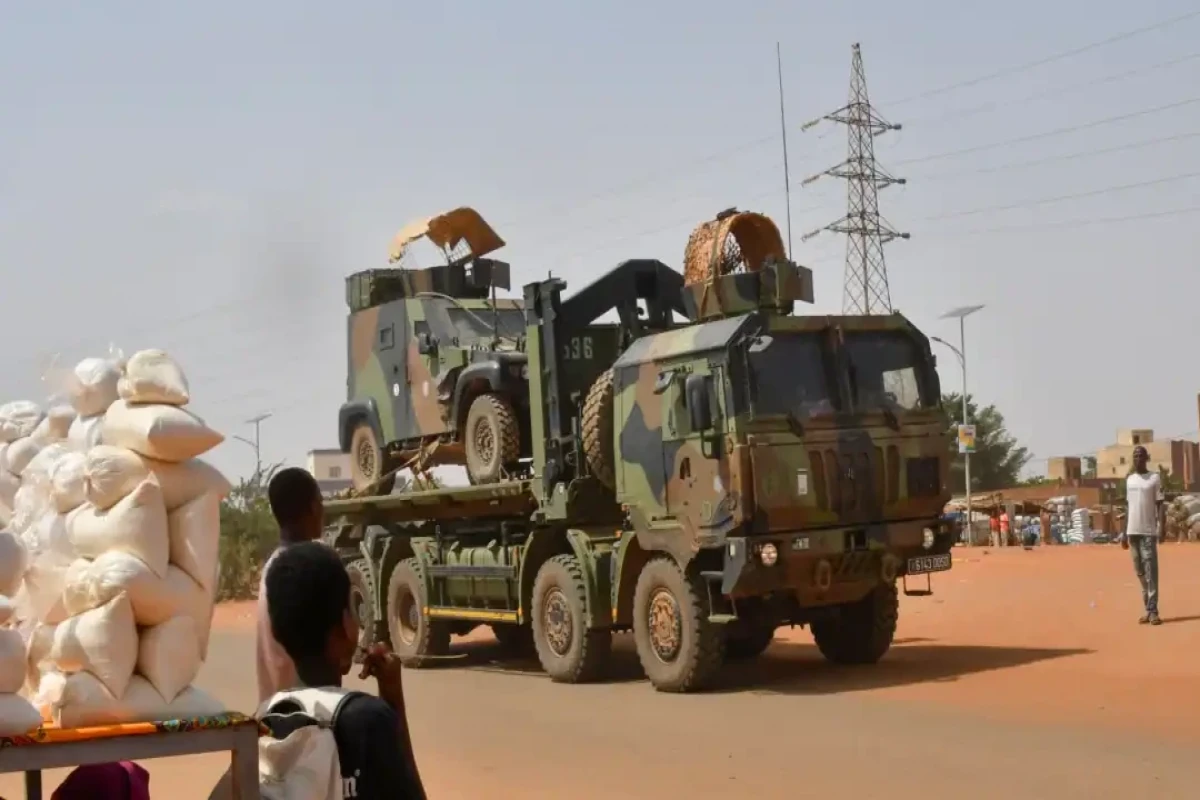
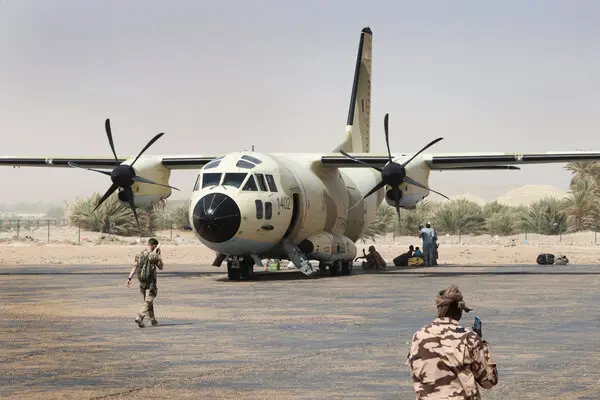
France began its military withdrawal from Chad Tuesday as two Mirage warplanes departed the capital N’Djamena for eastern France, following Chad’s unexpected termination of its defense cooperation agreement with Paris two weeks ago.

“It marks the beginning of the return of French equipment stationed in N’Djamena,” French Army spokesperson Colonel Guillaume Vernet confirmed, though terms for the complete withdrawal of approximately 1,000 remaining French troops await finalization between the two nations.

The departure represents France’s latest military exit from Africa, following similar withdrawals from Mali, Burkina Faso, and Niger after military coups and growing anti-French sentiment in those nations. The Chad withdrawal effectively ends decades of French military presence in the Sahel region and direct French operations against Islamist militants.

Chad’s November 28 decision to end the defense pact apparently caught Paris off guard, coming just as a French envoy delivered recommendations to President Emmanuel Macron about reducing military presence in Chad, Gabon, and Ivory Coast. The move by Chad, long a Western ally in counter-terrorism efforts, marks a significant shift in regional security dynamics.

REUTERS

Gunmen Abduct Over 50 Women and Children in Nigeria’s Zamfara State

0

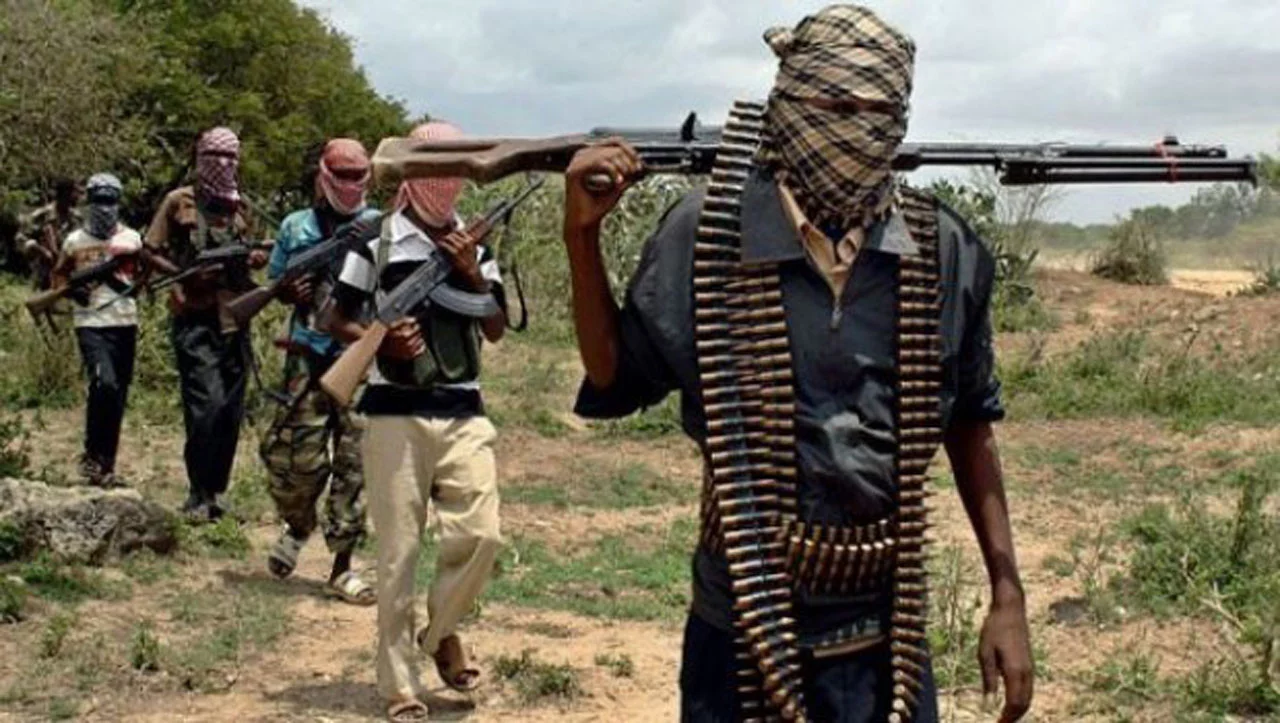
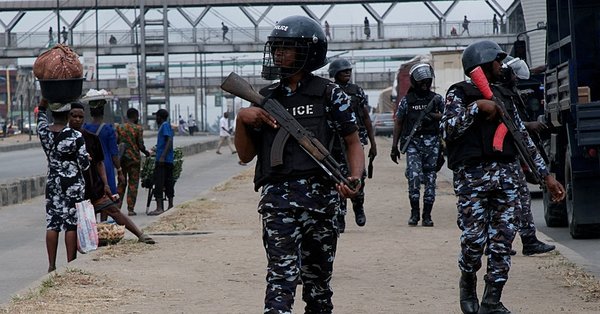
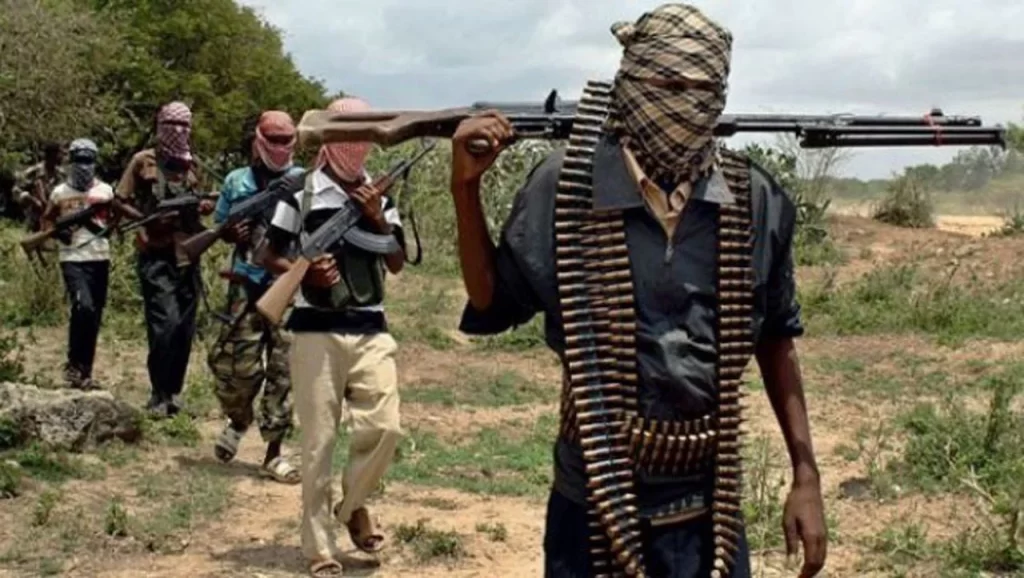
Armed gunmen kidnapped more than 50 women and children during a raid on Kakin Dawa village in northwest Nigeria’s Zamfara state, residents and police confirmed on Tuesday. The attack is the latest in a series of abductions by armed groups, locally known as bandits, who have terrorized the region for years. 

The incident occurred on Sunday, according to a statement by the Zamfara police. Authorities said additional security forces were being deployed to the area to address the worsening insecurity. 

Armed Raid on Village 

Witnesses said the attackers, riding motorcycles and armed with assault rifles, descended on the village around 12:30 GMT, going house-to-house and forcibly taking residents. 

“Later we found out that they kidnapped more than 50 women, including married women and girls,” said Hassan Ya’u, a resident who managed to escape. His younger sister was among those taken. 

Residents have called on the federal and Zamfara state governments to increase security in the region. 

“We are appealing to the authorities to send more soldiers and security personnel to fight those bandits,” Ya’u added. 

Growing Insecurity in Nigeria 

Northwest Nigeria has seen a surge in kidnappings for ransom due to poverty, unemployment, and the proliferation of illegal firearms. Insecurity plagues much of the country, including a 15-year Islamist insurgency in the northeast and separatist violence in the southeast. 

The community is now anxiously awaiting contact from the kidnappers. 

“We are currently waiting to hear the kidnappers’ demands for the release of the abducted individuals,” said Abdulkadir Sadia, another resident of Kakin Dawa. “The entire community is in distress.” 

Zamfara state has been one of the worst-hit areas in Nigeria, with frequent attacks leaving residents vulnerable and security forces struggling to contain the violence. 

Zambian Court Blocks Former President’s Return to Politics

0

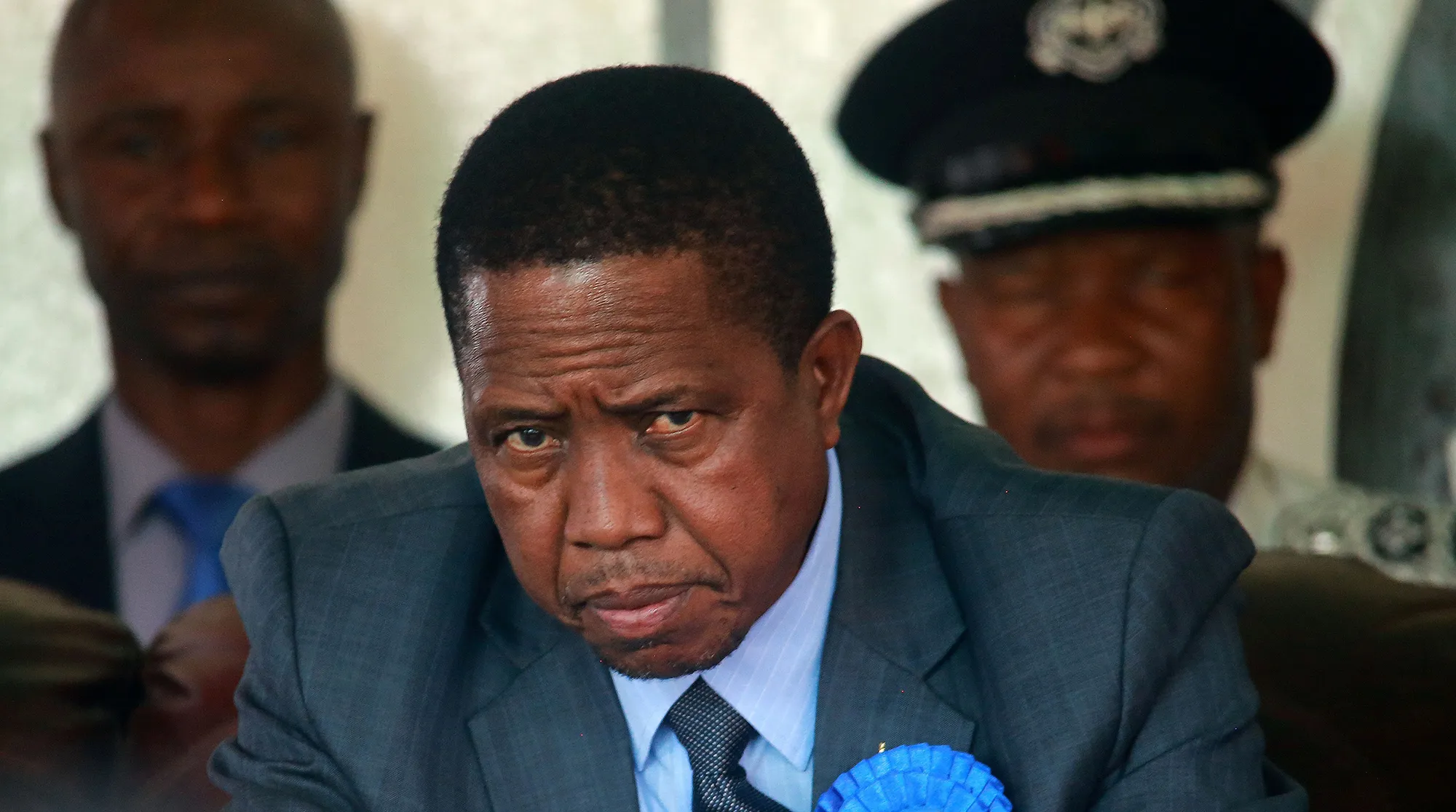
Zambia’s constitutional court ruled Tuesday that former President Edgar Lungu cannot seek another term in office, determining that his previous service from 2015-2016 and 2016-2021 constituted two full terms under the constitution.

“The first respondent Mr Edgar Chagwa Lungu has therefore been twice elected and has twice held office,” the court declared, effectively ending Lungu’s attempted political comeback announced during former President Michael Sata’s memorial service last October.

The ruling follows Lungu’s pledge to return from retirement amid a series of criminal investigations targeting his family members, including his wife, who faces allegations of possessing proceeds of crime. The former president, who lost power to United Party for National Development candidate Hakainde Hichilema in 2021, did not attend the heavily guarded court session.

“We are studying the matter. But we are gravely concerned by the court’s decision and ruling,” Patriotic Front spokesman Emmanuel Mwamba said following the verdict, which determined Lungu’s initial term after President Sata’s death counted as a complete presidential term.

Kenyan Police Fire Teargas at Protesters Marching Against Femicide-Reuters

0

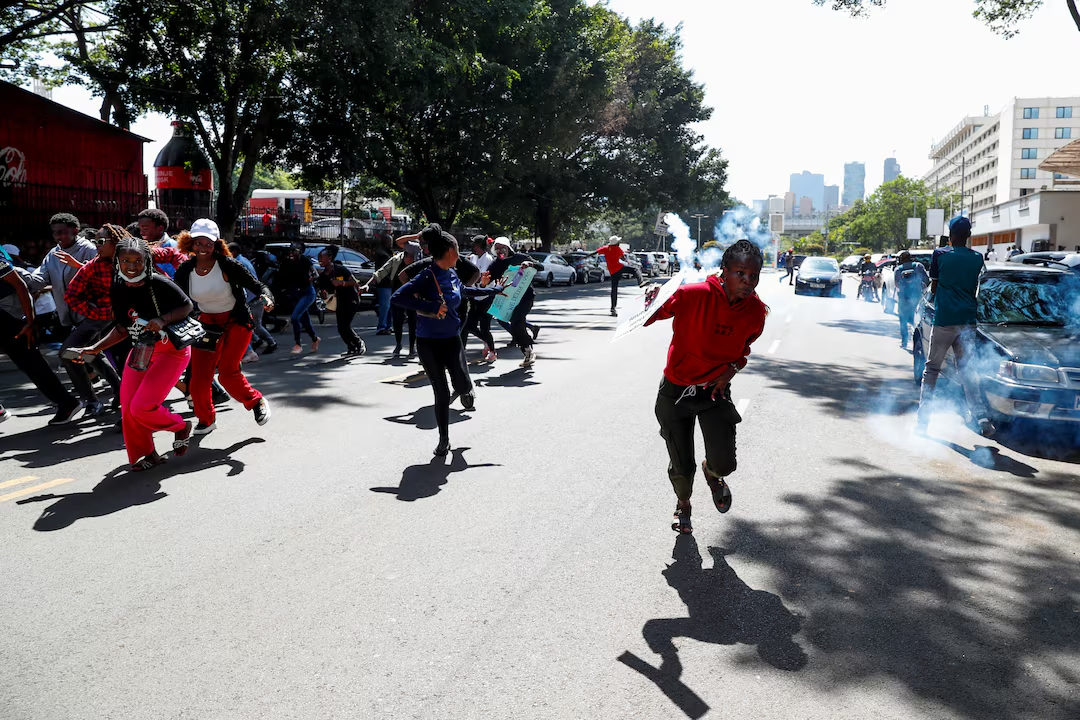
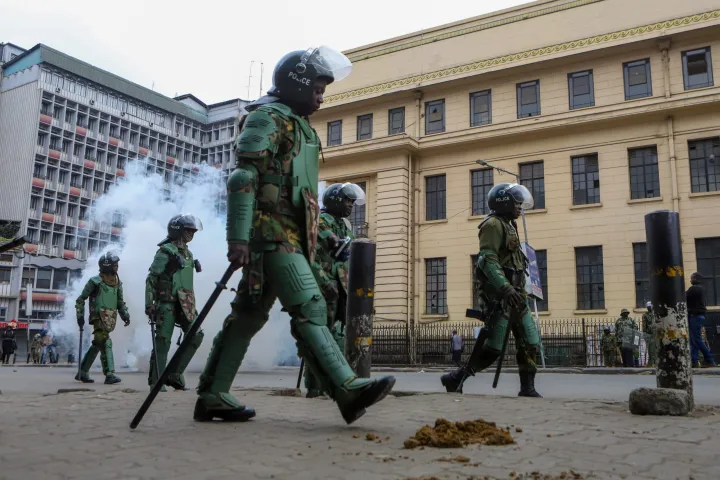
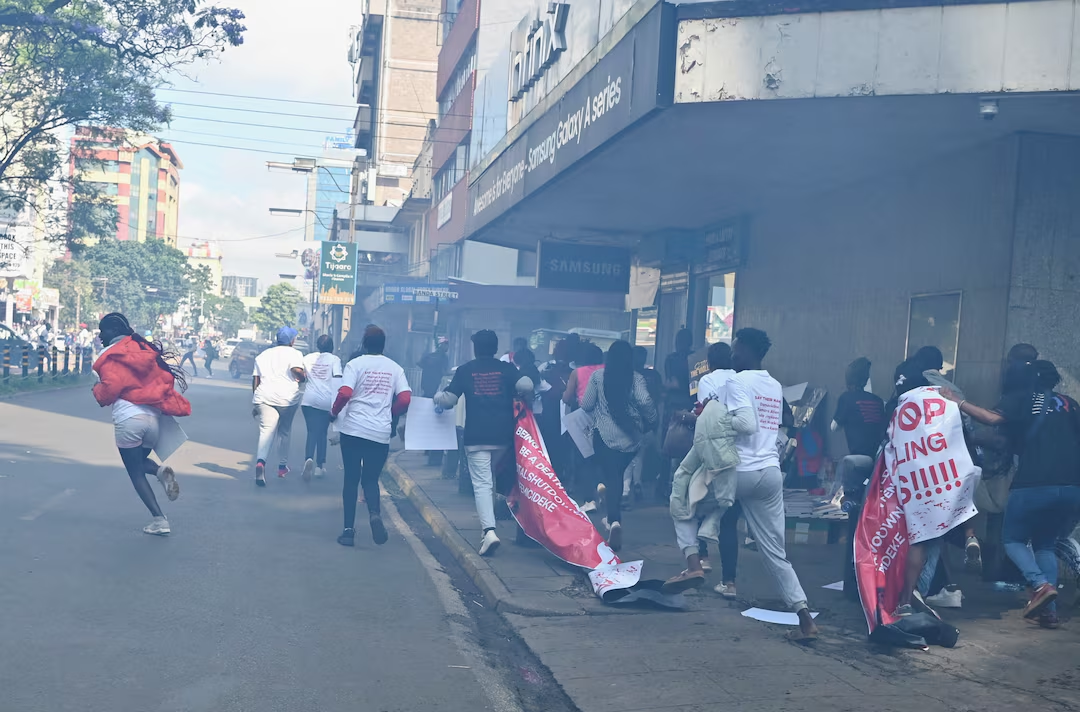
Kenyan police fired teargas and arrested several people on Tuesday as hundreds marched in Nairobi and other cities to protest the rising number of femicides. The peaceful demonstrators called for justice and accountability in a country grappling with high levels of gender-based violence.

The protest in Nairobi saw hundreds, mostly women, chant and blow whistles while carrying signs that read, “Stop killing women!” Police repeatedly dispersed the demonstrators with teargas fired from moving vehicles, forcing them to regroup in different areas. Similar demonstrations were reported in Mombasa and Lodwar, as shown in videos posted on social media.

Arrests Amid Peaceful Demonstrations 

Among those detained was Irungu Houghton, executive director of Amnesty International Kenya. Amnesty, along with three other organizations, condemned the arrests in a joint statement, describing the protest as “a courageous stand against the killing of women.”

“The violent response by police … is a direct attack on Kenya’s democratic principles and the human rights of its citizens,” the statement said. 

The National Police Service did not immediately respond to requests for comment, leaving the reasons for the police crackdown unclear. 

Alarming Rise in Femicide

According to the National Police Service, at least 97 women were victims of femicide between August and October 2023. While no official comparative data was provided for earlier years, figures compiled by the Africa Data Hub collective show 75 femicides in 2022 and 46 in 2021. Researchers attribute the high levels of gender-based violence in Kenya to deeply entrenched patriarchal views and inadequate legal protections. 

Broader Police Conduct Under Scrutiny 

Kenya’s police have faced growing criticism for their responses to public demonstrations, including anti-government protests in June and July, where at least 60 people were killed. While authorities have largely defended police actions, they have acknowledged ongoing investigations into allegations of misconduct. 

The crackdown on Tuesday’s peaceful march has drawn condemnation from human rights groups and activists. Many argue it underscores the need for greater accountability and reform in Kenya’s approach to both gender-based violence and public dissent.

Israel Strikes Syrian Army Bases Amid Regional Tensions; Denies Deeper Incursion

0

Israel launched extensive airstrikes on Syrian army bases Tuesday, targeting military assets it claims could fall into hostile hands. However, Israeli officials denied reports that its forces had advanced beyond the demilitarized zone along the Syrian border.

The strikes come as Syria transitions to a new era following the ouster of President Bashar al-Assad on Sunday. In Damascus, a sense of normalcy began to return with banks reopening for the first time since Assad’s fall, shops resuming business, and construction crews repairing damage in the city center.

Israel Strikes Syrian Military Targets

Israeli officials maintained that their actions are solely defensive. “The reports circulating about Israeli tanks advancing toward Damascus are false,” said an Israeli Defense Forces spokesperson. “Our troops remain within the demilitarized zone as stated.”

Despite the denials, multiple security sources reported Israeli forces advancing beyond the buffer zone established after the 1973 war, with some claiming they reached Qatana, just miles from Damascus airport.

Regional security sources described the overnight airstrikes as the heaviest yet, targeting military installations, airbases, and Republican Guard assets across Syria. More than 200 strikes reportedly destroyed helicopters, jets, and critical infrastructure tied to Assad’s forces.

Israel insists its objective is to prevent advanced military equipment from falling into hostile hands amid Syria’s volatile transition. While Israel has stated it seeks no conflict with Syria’s new authorities, the strikes have drawn sharp condemnation from countries including Turkey, Saudi Arabia, Qatar, and Egypt.

Saudi Arabia warned that Israeli incursions could “jeopardize Syria’s chances of restoring security.”

Damascus Transitions to New Leadership

Amid the escalating tensions, Damascus remains focused on its political transition. Assad’s prime minister, Mohammed Jalali, agreed to transfer power to the Salvation Government, previously an administration operating in rebel-held territory in northwest Syria.

Ahmed al-Sharaa, widely known as Abu Mohammed al-Golani, heads the Salvation Government. Once linked to al Qaeda, Golani’s group, Hayat Tahrir al-Sham (HTS), has sought to distance itself from its extremist roots.

In a meeting Monday with Jalali and Vice President Faisal Mekdad, Golani discussed the formation of a transitional government. “The handover may take days to complete,” Jalali said.

Despite HTS’s past designation as a terrorist organization by the United Nations, the U.S., and others, the U.N. envoy for Syria, Geir Pedersen, emphasized the need for inclusivity in the new administration. “HTS and other groups are sending messages of unity and inclusiveness to Syrians,” Pedersen said in Geneva.

Steps Toward Recovery

As the dust settles in Damascus, residents are cautiously optimistic. The reopening of banks on Tuesday marked a significant step toward restoring everyday life. Employees returned to work at the Central Bank of Syria, while street cleaners, shopkeepers, and construction crews resumed activities.

“It feels like a new beginning,” said Sumayra al-Mukli, a bank worker. “It’s a new day, a new year, a new life.”

The path to rebuilding Syria remains fraught with challenges. Over a decade of civil war has devastated cities, displaced millions, and left the economy in ruins. International sanctions and the sheer scale of destruction mean recovery will be slow and arduous.

Still, for Syrians stepping into the post-Assad era, there is a renewed sense of hope despite lingering uncertainty.

Desperate Families Search Syria’s Sednaya Prison for Missing Relatives After Rebel Takeover

0

Hope is fading for countless Syrians desperately searching for loved ones among the grim cells of Sednaya prison, a notorious detention facility near Damascus. The gates of the infamous prison were flung open Sunday after Syrian President Bashar al-Assad was toppled by rebel forces, leading to the release of thousands of prisoners.

For many families, the chaotic scenes of freedom brought tearful reunions with relatives long thought to have been executed. Yet for others, the search continues through Sednaya’s labyrinth of filthy corridors, secret cells, and hidden underground chambers.

Ahmed Najjar traveled from Aleppo to Damascus, searching for his brother’s two children who were detained in 2012. “They’re saying there’s an underground prison,” Najjar said, reflecting the circulating rumors that more prisoners might remain trapped in inaccessible cells beneath the facility.

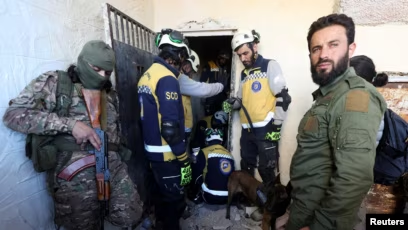
The White Helmets, a rescue organization known for saving lives during airstrikes, joined the search using maps provided by a defected Syrian army officer. Although they broke through walls and found hidden doors, no additional prisoners had been discovered by Monday afternoon.

Families Hold On to Hope

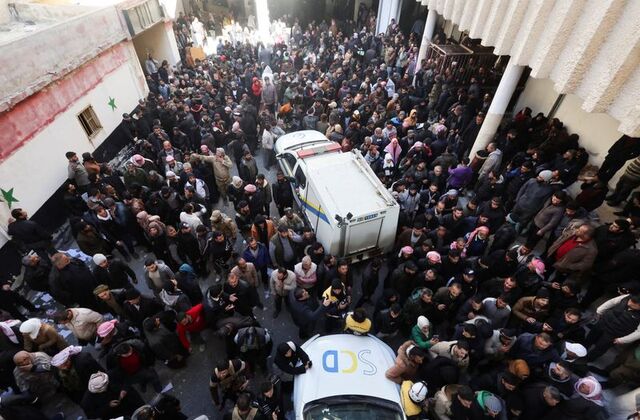
Outside the prison, crowds gathered in hopes of locating their loved ones. Intsar al-Jaber, 45, waited for any news of her brother and cousin, who were imprisoned in Sednaya. “They told me in 2014 my brother was dead and not to come back,” she said. Still, she has refused to give up hope.

At a nearby mosque, volunteers collected names and phone numbers of those searching for relatives, offering to call if any prisoners were identified. One woman, clutching a screenshot from social media, said she had seen her son among those released.

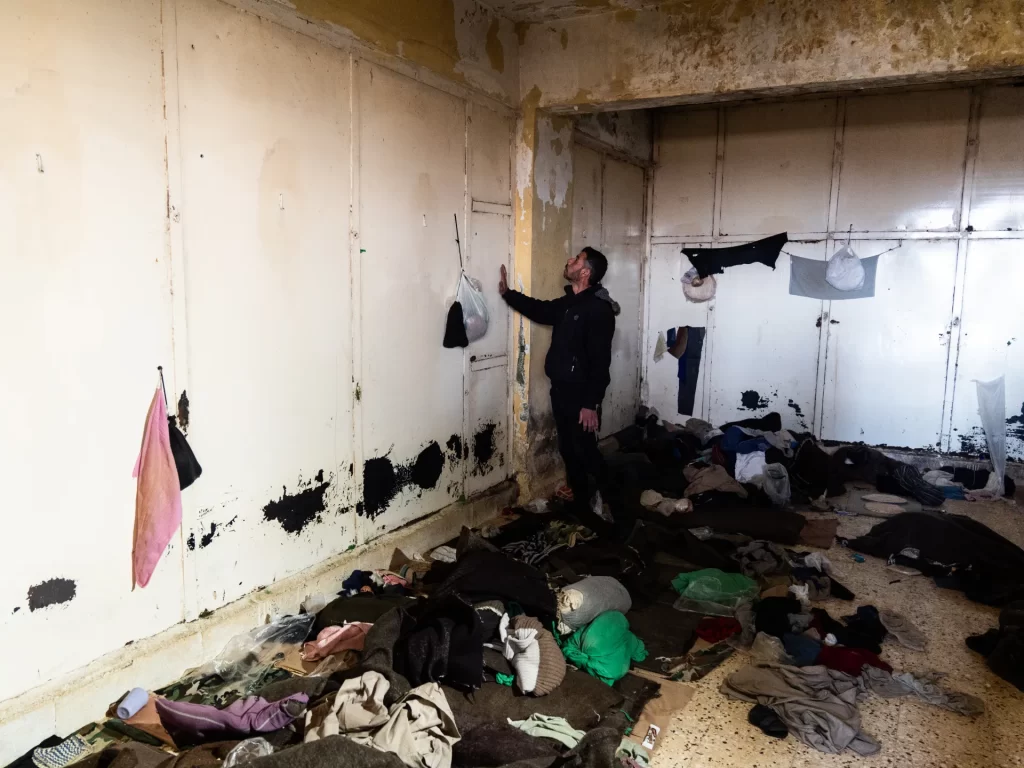
Inside the prison, the aftermath of years of brutal detentions was evident. Cells were littered with excrement, discarded papers, and muddy floors. Metal bowls, once used for food, lay abandoned. Survivors described Sednaya as a “human butcher shop,” where torture and mass executions were common. Rights groups have long reported on the facility’s grim reputation, with the U.S. accusing the Syrian government in 2017 of operating a crematorium at Sednaya to dispose of hanged prisoners.

Search Efforts Hampered by Chaos

Videos of the released prisoners—emaciated, shaven-headed, and barely able to identify themselves—circulated on social media. While the authenticity of some videos remains unverified, the large-scale prisoner release has been widely confirmed.

The chaotic nature of the prison’s opening has complicated efforts to trace detainees. Fadel Abdul Ghany, head of the Syrian Network for Human Rights, warned that the lack of organization has allowed genuine criminals to escape alongside political prisoners. “They need to manage this situation better,” Abdul Ghany said.

The search for underground cells continues, with rescue teams using drills and hammers to smash through walls and floors. Each breakthrough fuels hope, prompting rebels to fire celebratory gunshots, drawing crowds rushing forward. “My son, I’m coming!” one woman screamed. Another whispered a prayer, “God, please don’t disappoint me.”

Calls for Accountability

Sednaya has long been a symbol of Assad’s iron-fisted rule, where dissent was punished with imprisonment, torture, or death. Rights groups and survivors are demanding accountability for the atrocities committed within its walls.

Radwan Eid, searching for his relatives among the freed, called Sednaya a “butcher’s shop.” “The blood spilled here cannot be ignored,” he said. “Those responsible must be held accountable.”

The release of prisoners comes as Syria grapples with the fallout of Assad’s ousting. For many families, the chaotic scenes at Sednaya represent both a sliver of hope and a grim reminder of the nation’s long, painful struggle for justice.