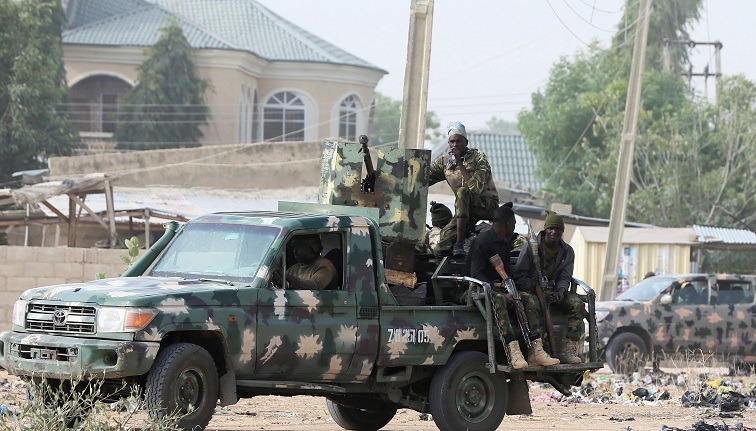
At least 15 villagers died when members of Lakurawas, a newly emerged militant group, attacked a rural community in Nigeria’s northwestern Kebbi state during an attempted livestock theft, according to local residents and officials.
The militants, who emerged from herding communities along the Nigeria-Niger border following Niger’s July 2023 coup, arrived on motorcycles in the village of Mera on Friday. When residents resisted the cattle raid, gunfire erupted, leaving 15 villagers and two insurgents dead while forcing others to flee, witnesses said.
“This was the first attack by the group in the area,” local traditional ruler Samaila Mera told reporters. State Deputy Governor Abubakar Tafida, attending victims’ funerals Saturday, said authorities are working with security agencies to prevent future attacks.
The incident marks another security challenge for Nigeria, which has long battled the Islamist armed group Boko Haram and its offshoot Islamic State West Africa Province (ISWAP) in the country’s northeast region.
A Japanese naval minesweeper caught fire Sunday morning off the western coast of Kyushu, forcing crew evacuation and leaving one sailor missing while another was hospitalized for smoke inhalation, military officials said.
The Japan Maritime Self-Defence Force (JMSDF) reported the fire broke out in the engine room of the Ukushima at approximately 9:40 a.m. local time as the vessel sailed north of Fukuoka. Multiple explosive sounds were heard, according to Admiral Akira Saito, JMSDF chief of staff.
“We’ll do our best to extinguish the fire and search for the missing crew member,” Saito told reporters at an evening press conference, warning the vessel might sink if the fire continues burning. He noted the JMSDF has never lost a warship to fire.
The incident occurred as the minesweeper was en route to southeastern Kyushu for scheduled mine warfare drills next week. Firefighting efforts were still ongoing at 8:30 p.m., hours after the crew evacuated to another ship, while investigators work to determine the cause of the blaze.
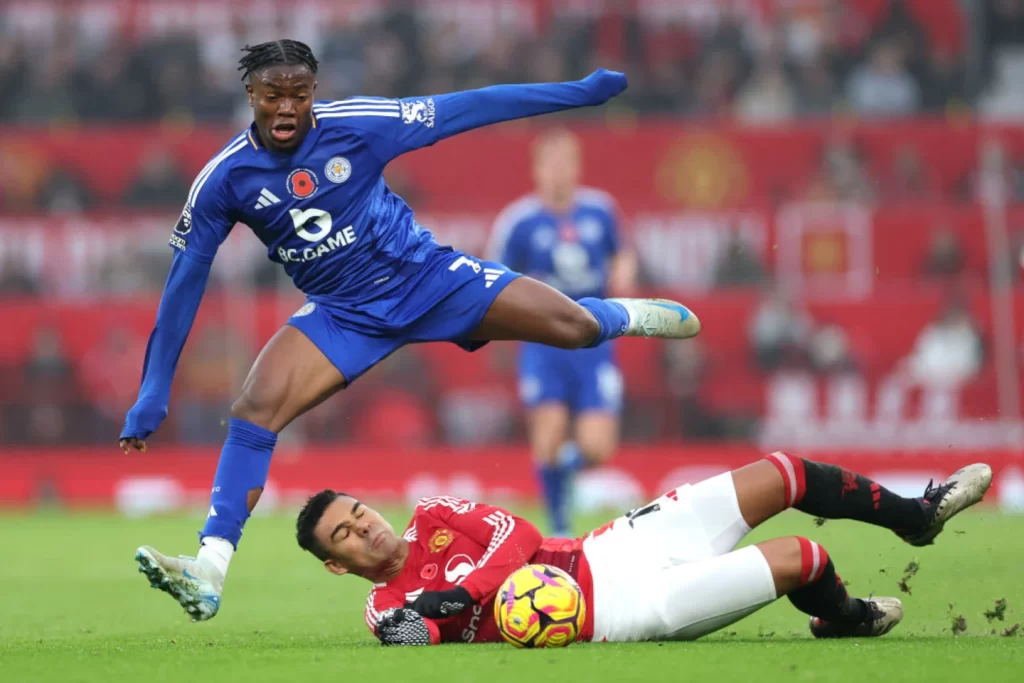
Ruud van Nistelrooy concluded his interim management of Manchester United with an emphatic 3-0 victory over Leicester City Sunday, handing incoming head coach Ruben Amorim a team that has won three of its last four matches.
Bruno Fernandes opened the scoring in the 17th minute, curling home precisely from the edge of the area after Amad Diallo’s clever backheel. United’s advantage doubled through Victor Kristiansen’s own goal six minutes before halftime when Noussair Mazraoui’s cross deflected off Fernandes and then the Leicester defender past goalkeeper Mads Hermansen.
Alejandro Garnacho provided the highlight of a subdued second half, cutting inside to whip an exceptional curling shot into the far corner to seal the victory. The win marks United’s third in four games as they prepare for Amorim’s arrival after the international break.
Leicester, playing without injured striker Jamie Vardy, showed occasional threat on the counter-attack through Abdul Fatawu’s battles with Diogo Dalot. Wilfred Ndidi squandered their clearest opportunity, producing only a tame shot when clean through on Andre Onana, while Jordan Ayew forced a late save from the United goalkeeper.
Fernandes earned player of the match honors for his goal and overall influence, nearly setting up a third before halftime when his pass found Amad, whose shot was saved by Hermansen’s outstretched leg.
“This gives us momentum heading into the new era,” Fernandes told reporters. “We’re playing with confidence and creating chances, which is what the manager wanted to see.”
Donald Trump secured Arizona’s 11 electoral votes Saturday, television networks projected, completing his sweep of all seven battleground states in a decisive victory over Vice President Kamala Harris that has triggered preparations for a historic White House transition.
CNN and NBC called Arizona for Trump four days after the election, confirming his capture of a state President Joe Biden narrowly won in 2020. The Republican’s triumph extends beyond the presidency, with his party maintaining control of the Senate and approaching a House majority, holding 213 seats to Democrats’ 205, according to CNN’s projections.
The White House announced Saturday that Biden will meet Trump in the Oval Office Wednesday, restoring a transition tradition that Trump himself broke in 2020 when he refused to concede and skipped Biden’s inauguration. Biden, who dropped out of the race in July citing age concerns, called Trump Wednesday to congratulate him on the victory.
Trump’s comeback has already begun reshaping Washington, with campaign manager Susie Wiles named as his incoming chief of staff, the first woman to hold the position. The president-elect ruled out returning former Secretary of State Mike Pompeo and U.N. Ambassador Nikki Haley to his administration, while potential newcomers include anti-vaccine activist Robert F. Kennedy Jr. and tech mogul Elon Musk.
The 78-year-old Trump won the election by approximately 4 million votes, securing Pennsylvania, Wisconsin, Michigan, North Carolina, Nevada, and Georgia along with Arizona. His victory came despite a criminal conviction, two impeachments, and warnings from former staff about authoritarian tendencies.
Exit polls revealed voters’ primary concerns centered on the economy and inflation that surged under Biden’s post-COVID leadership. Democrats have begun internal recriminations over Harris’s defeat, with former House Speaker Nancy Pelosi suggesting to The New York Times that “had the president gotten out sooner, there may have been other candidates in the race.”
Among potential cabinet appointees, former Ambassador to Germany Richard Grenell and Florida Senator Marco Rubio lead contenders for secretary of state, despite Rubio’s 2016 characterization of Trump as a “con artist” and the “most vulgar person to ever aspire to the presidency.”
Kennedy, discussing a possible healthcare role, told NBC News Wednesday, “I’m not going to take away anybody’s vaccines,” while Musk could receive a position auditing government waste following his enthusiastic support for Trump’s campaign.
A scandal involving hundreds of leaked intimate videos of a presidential nephew has exposed the intricate power dynamics shaping the succession battle in Equatorial Guinea, where 82-year-old President Teodoro Obiang Nguema has ruled since 1979.
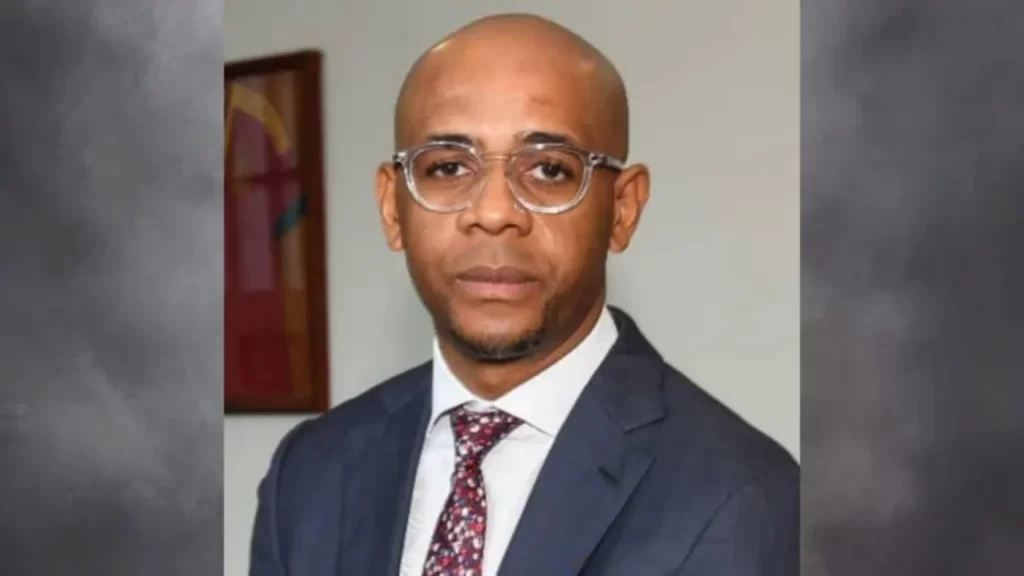
Baltasar Ebang Engonga, known as “Bello”
Baltasar Ebang Engonga, known as “Bello” and head of the National Financial Investigation Agency, found himself at the center of controversy after an estimated 150 to 400 videos showing him in intimate encounters with various women, including wives and relatives of government officials, flooded social media platforms in recent weeks.
The scandal erupted shortly after Engonga’s October 25 arrest on charges of embezzling state funds to secret Cayman Islands accounts. Following his imprisonment in the notorious Black Beach prison, where government opponents allegedly face brutal treatment, his seized devices became the apparent source of the leaked footage.
“What we are seeing is the end of an era, the current president, and there is a succession question and this is the internal fighting we are seeing,” said Equatoguinean activist Nsang Christia Esimi Cruz in an interview with BBC Focus on Africa. Cruz suggests Vice-President Teodoro Obiang Mangue, the president’s son, is systematically eliminating potential succession rivals.
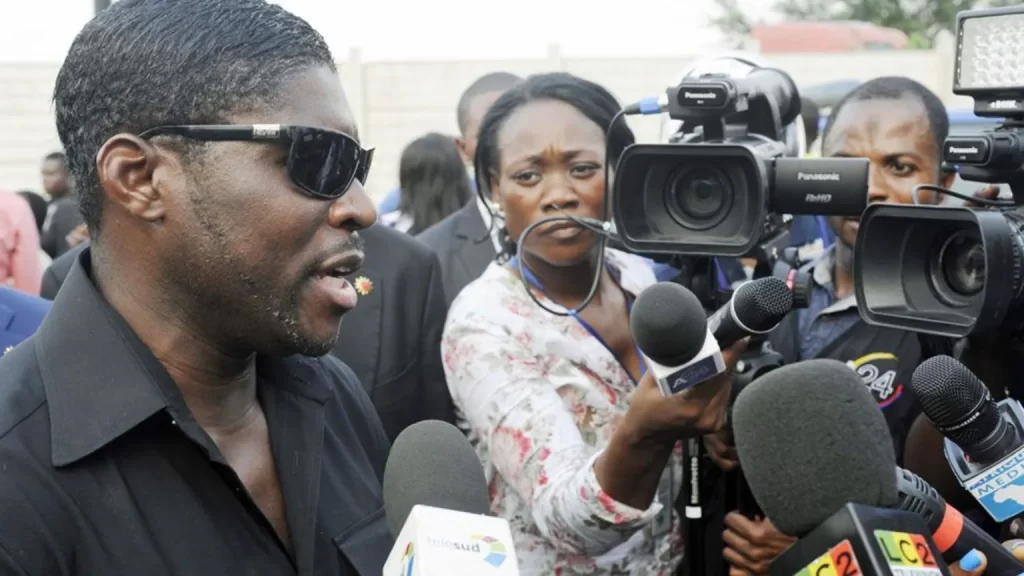
Vice-President Teodoro Obiang Mangue, the president’s son
Vice-President Obiang, previously notorious for owning a $275,000 crystal-encrusted Michael Jackson glove and convicted of corruption in France, has attempted to position himself as an anti-corruption crusader. He ordered telecoms companies to stop the videos’ spread and mandated CCTV installation in government offices “to combat indecent and illicit acts.”
The scandal has drawn unprecedented international attention to the oil-rich nation of 1.7 million, where despite vast wealth among elites, most citizens live in poverty. The U.S. government reports arbitrary killings and torture under Obiang’s administration, which has eliminated meaningful opposition through imprisonment and exile.
Activists suggest the scandal serves multiple purposes: discrediting Engonga, whose father heads the regional economic union Cemac; providing pretext for social media restrictions that limit information flow; and demonstrating Vice-President Obiang’s authority ahead of eventual succession.
“Equatorial Guinea has much bigger problems than this sex scandal,” Cruz told reporters, representing rights organization GE Nuestra. “This sex scandal for us is just a symptom of the illness, it’s not the illness itself. It just shows how corrupt the system is.”
The incident highlights the government’s use of compromising information to eliminate political rivals, a common tactic in a nation where coup allegations fuel constant paranoia among the ruling elite. Police have invited women from the videos to file charges against Engonga for non-consensual sharing of intimate images, with one already announcing legal action.
Despite Vice-President Obiang’s efforts to contain the scandal, the videos continue circulating, pushing “Equatorial Guinea” to trend on social media across Africa, temporarily surpassing interest in the U.S. election in several countries.
Bruno Fernandes marked his 250th Manchester United appearance with a decisive strike against Leicester City, while Murillo’s first Nottingham Forest goal gave his side the lead over Newcastle United in Saturday’s Premier League action.
The Portuguese midfielder kept his shot low to beat Mads Hermansen after a perfect layoff from Amad, recording his 83rd goal for United. “What a fantastic way to mark your 250th appearance for Manchester United,” observed BBC Sport’s chief football news reporter from Old Trafford.
At the City Ground, Forest broke the deadlock through Murillo, who powered home an unmarked header from Anthony Elanga’s free-kick delivery. Newcastle responded immediately, with Bruno Guimaraes forcing goalkeeper Matz Sels into action with a curling effort from 25 yards.
“Forest will sit in this mid-block and be ready to pounce for the counter-attacks. Really important Newcastle stay focused and get back into their game,” noted a former Newcastle midfielder on BBC Radio 5 Live Sports Extra as the atmosphere reached fever pitch.
The hosts had appeared less composed than Newcastle in the opening 20 minutes before Murillo’s intervention. “Forest had not looked as composed as Newcastle in the opening 20 minutes but it was an excellent delivery from Anthony Elanga. The Magpies did not pick up Murillo at all though, it was really poor marking,” reported BBC Sport from the City Ground.
Israeli airstrikes killed at least 23 people Sunday in a Lebanese village far from Hezbollah strongholds, while separate attacks in northern Gaza left at least 17 dead, as the widening regional conflict threatens to push parts of the Palestinian enclave into famine.
The strike on Aalmat village, 25 miles north of Beirut, killed civilians and wounded six others, according to Lebanon’s Health Ministry. Video footage showed rescuers pulling a young girl’s body from the rubble of a flattened house. The Israeli military did not immediately comment on the attack, which struck well beyond Hezbollah’s traditional southern territories.
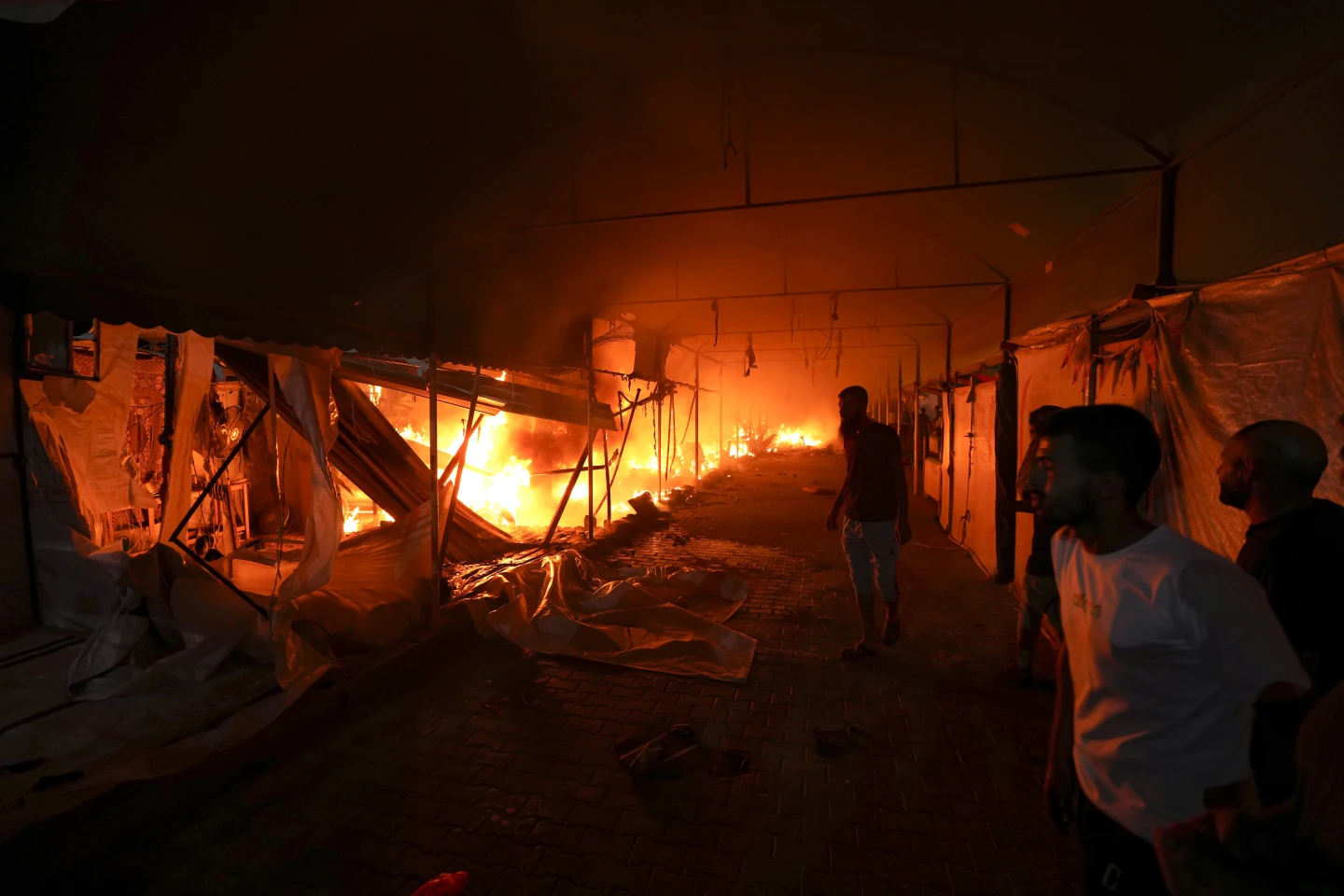
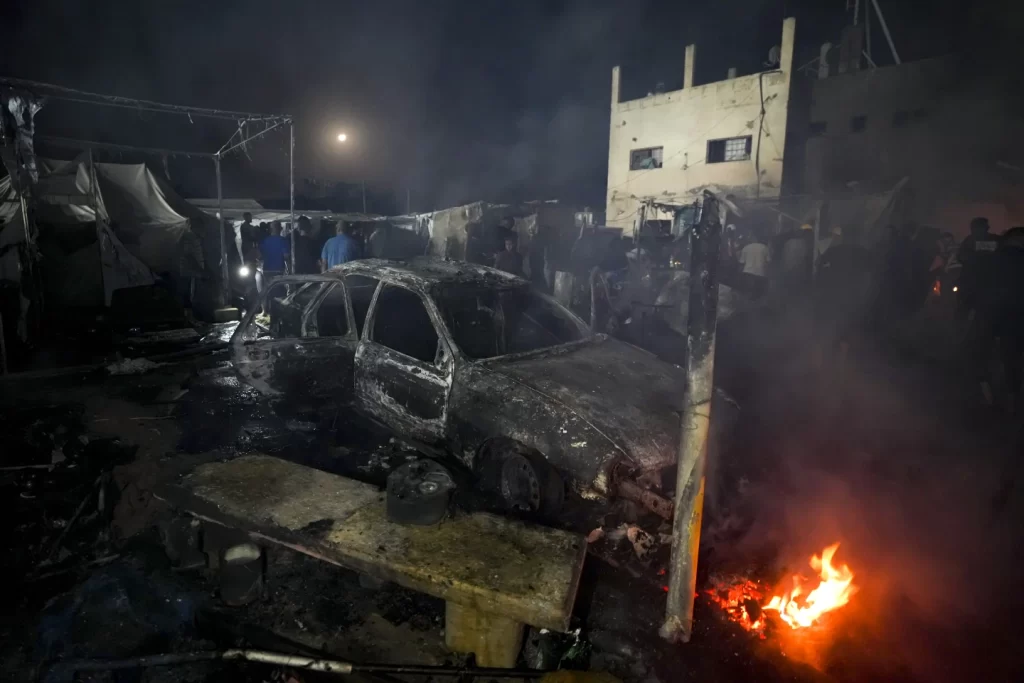
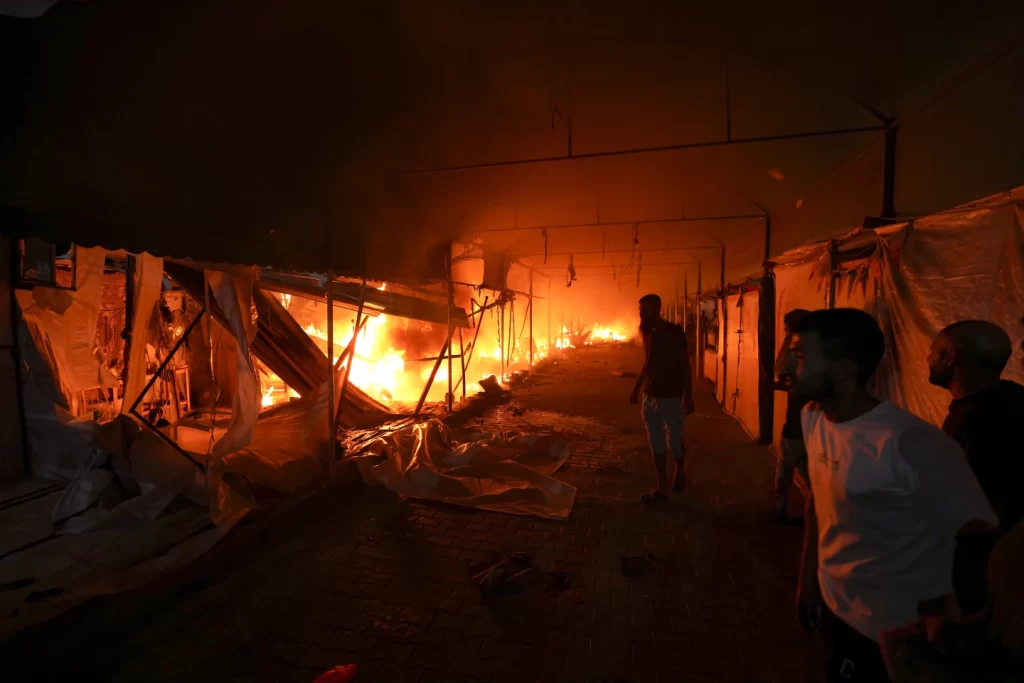
In Gaza’s Jabaliya refugee camp, an Israeli strike destroyed a home sheltering displaced Palestinians, killing at least 17 people including nine women, according to Dr. Fadel Naim, director of Gaza City’s Al-Ahly Hospital. The Israeli military said it targeted militant operations in the area without providing evidence, adding the incident is under review.
A separate Gaza City strike killed Hamas government minister Wael al-Khour along with his wife and three children, according to Civil Defense officials.
The escalating violence comes as food security experts warn of imminent famine in northern Gaza, where Israeli forces have isolated communities for over a month. The crisis intensifies as a U.S. deadline approaches for Israel to increase humanitarian aid access or risk military funding restrictions.
The regional conflict has expanded dramatically since Hamas’ October 7 attack on Israel that killed 1,200 people and took 250 hostages. About 100 hostages remain in Gaza, with a third presumed dead. Israel’s response has killed over 43,000 Palestinians, according to local health authorities, who say more than half were women and children.
Fighting between Israel and Hezbollah has also intensified since September, when Israeli strikes killed Hezbollah leader Hassan Nasrallah and top commanders. The Lebanese Health Ministry reports over 3,000 deaths in Lebanon and more than 70 in Israel as both sides escalate attacks deeper into each other’s territory.
Peace efforts have stalled on multiple fronts. Qatar announced this weekend it had suspended its mediation role until parties show “willingness and seriousness to end the brutal war and the ongoing suffering of civilians.” The Gulf state has been a key intermediary with Hamas throughout the conflict.
The war has displaced about 90% of Gaza’s 2.3 million residents, with hundreds of thousands living in crowded tent camps with minimal services. On Sunday, the Israeli military released what it said was footage from 2018-2020 showing Hamas abusing detainees, though the videos could not be independently verified.
The humanitarian situation appears most dire in northern Gaza, where Israeli forces have encircled Jabaliya and nearby towns, allowing only limited aid. The offensive has left vast areas in ruins, with residents facing increasingly desperate conditions as international organizations warn of widespread hunger and disease.
A local Christian Democratic politician in northern Germany resigned after posting an image of a sex doll wearing an FC St Pauli shirt with Nazi-styled symbols, prompting outrage and potential legal action from the Bundesliga club.
Bulent Buyukbayram, a city council member in Delmenhorst, shared the controversial image showing the doll with a noose around its neck and an anti-St Pauli message featuring SS-styled lettering, referencing the Nazi paramilitary organization.
“It was a stupidity, a mistake,” Buyukbayram told Bild newspaper following his resignation from local posts. “I am getting serious threats. I have apologized to St Pauli.”
St Pauli, a Hamburg-based club known for its left-wing supporter base and social activism including refugee support and environmental initiatives, announced they are considering legal action over the incident. The team has built a reputation for community engagement, including installing beehives on their stadium roof to promote environmental awareness.
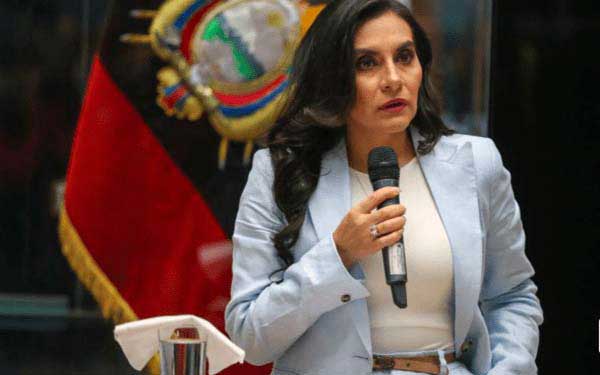
Ecuador’s Labor Ministry suspended Vice President Veronica Abad from office Saturday, citing her refusal to leave her post as ambassador to Israel for Turkey amid Gaza security concerns, a move that could impact President Daniel Noboa’s re-election bid next year.
The ministry’s resolution, dated Friday but released Saturday, accuses Abad of committing a “serious” disciplinary offense by failing to comply with foreign ministry orders to relocate before September 1. The suspension removes her from office until April without pay, just months before the country’s elections are set to begin in January.
“This behavior will go down in history as an abuse of power above the Constitution, the law and rights,” said Damian Armijos, Abad’s legal representative, on X, formerly Twitter. Armijos noted that an appeal had been filed but rejected.
The suspension could complicate Noboa’s electoral prospects, as Ecuadorian law requires him to maintain his vice president in office to participate in the campaign. Abad and Noboa have reportedly maintained a tense relationship.
Abad could not be reached immediately for comment.
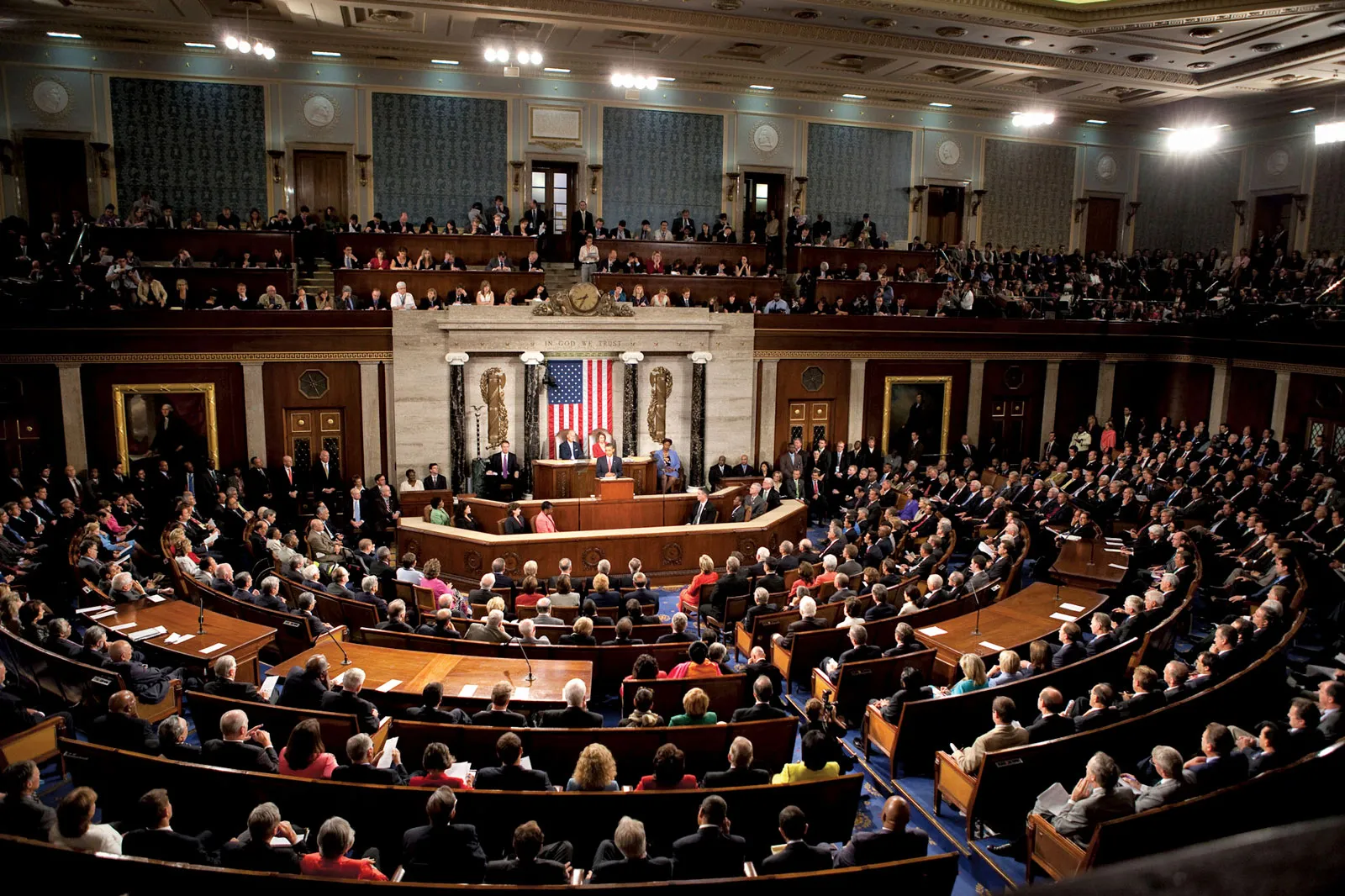
Republicans stood on the verge of capturing control of the U.S. House of Representatives Saturday, needing just five more victories to secure a congressional trifecta alongside their Senate majority and President-elect Donald Trump’s return to the White House.
Edison Research reported Republicans have won 213 seats in the 435-member House, including Representative Dan Newhouse’s projected victory in Colorado’s 3rd congressional district. Democrats have claimed 205 seats, with Representative Greg Stanton’s re-election in Arizona among their wins, leaving them needing 13 of the remaining 17 seats to prevent a Republican sweep.
The final House races, predominantly in Western states known for slower vote counting, include nine Republican-held seats and eight Democratic incumbencies. Fourteen of these contests were considered competitive before the November 5 election.
A Republican House majority, combined with their Senate control and Trump’s presidential victory, would position the party to advance an ambitious agenda of tax cuts, spending reductions, energy deregulation, and enhanced border security measures when the new administration takes office in January.
Meanwhile, Senate Republicans prepare to select new leadership next week, with Senators John Thune, John Cornyn, and Rick Scott competing for the top position. Senators Bill Hagerty and Rand Paul have endorsed Scott over the more senior candidates Thune and Cornyn.
Cornyn, responding to the leadership race Saturday, promised an aggressive confirmation schedule for Trump’s cabinet if elected majority leader. “No weekends, no breaks. Democrats can cooperate in the best interest of the country, or continue the resistance, which will eventually be ground down,” he posted on X, formerly Twitter.