Home Blog Page 590

Fatal Plane Crash Claims Five Lives at Arizona Airport

0

A small private jet crashed through an airport fence and struck a car while attempting to abort takeoff at Arizona’s Falcon Field Airport Tuesday afternoon, killing five people including a child, officials confirmed.
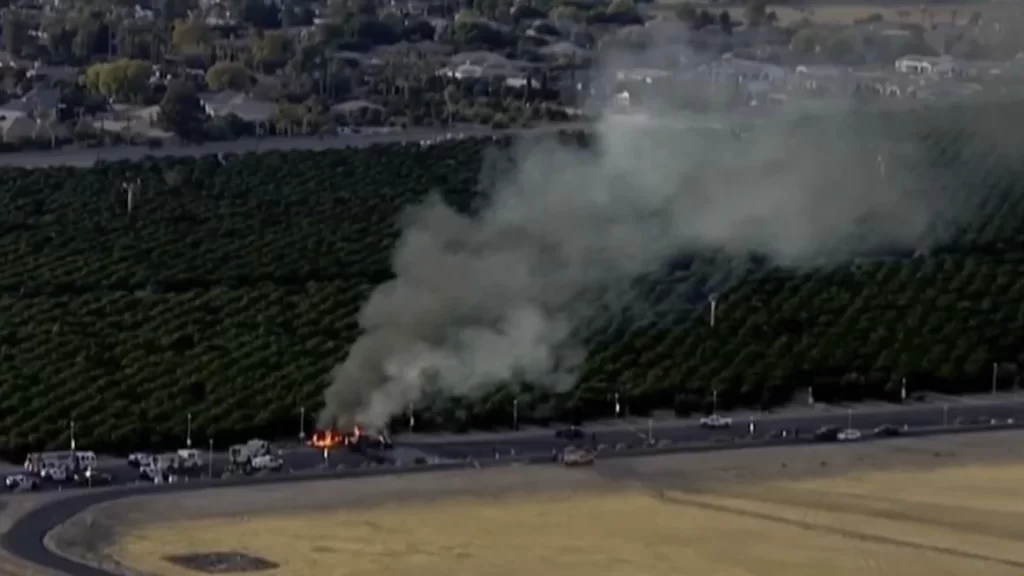
The Honda HA-420 jet crashed around 4:40 p.m. at the Mesa facility, located about 25 miles east of Phoenix. “Preliminary information indicates that the plane impacted the airport perimeter fence and a passenger vehicle during an aborted takeoff,” the National Transportation Safety Board said Wednesday morning.

Mesa Police identified four victims from the aircraft as Spencer Lindahl, 43, Rustin Randall, 48, Drew Kimball, 44, and Graham Kimball, 12, all Arizona residents. A fifth passenger survived with burn injuries and remains hospitalized. The driver of the vehicle struck outside airport property also died; authorities are withholding the name pending formal identification.

Joshua Golabi, a pilot who witnessed the aftermath, told CNN affiliate KPNX that the aircraft crashed through “a metal fence and a few concrete walls.” Though he didn’t see the impact, he heard it while preparing for his own flight. “We were just about to get into our aircraft and go when we heard a pop and saw a plume of smoke,” Golabi said.
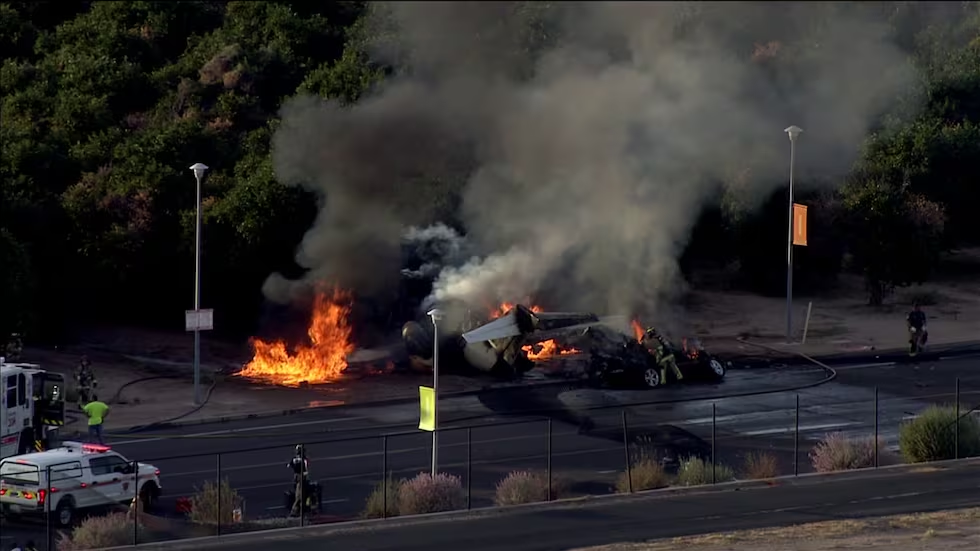
The aircraft was engulfed in flames following the crash, according to local media reports. “It’s just very jarring and it’s a reminder to all pilots to always fly and maneuver as safe as you can,” Golabi added.

The NTSB has taken lead in investigating the crash’s cause, with particular focus on what prompted the aborted takeoff attempt. Mesa Fire and Medical Department spokesperson Marrisa Ramirez-Ramos confirmed the five fatalities, while the Federal Aviation Administration provided initial details about the aircraft’s occupants and trajectory.
African Presidents Congratulate Trump on US Election Victory

0

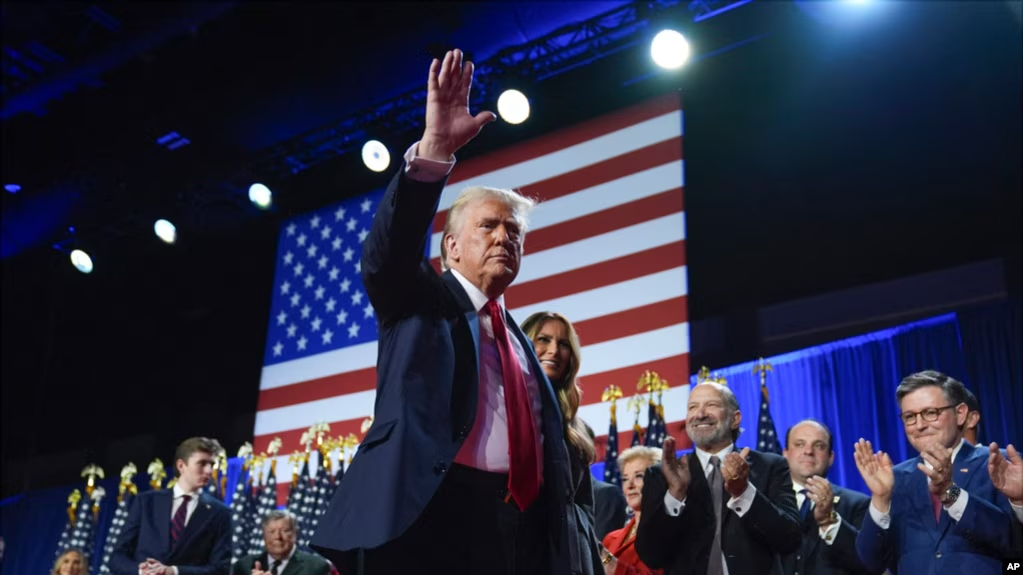
African leaders extended official congratulations to Donald Trump Wednesday following his election victory, offering diplomatically worded messages while their nations processed the implications of his return to power.

Kenyan President William Ruto, fresh from a state visit to Washington during the Biden administration, praised Trump’s “visionary, bold and innovative leadership.” Nigerian leader Bola Tinubu expressed hopes for “beneficial and reciprocal economic and development partnerships,” while South Africa’s Cyril Ramaphosa highlighted prospects for continuing “mutually beneficial partnership” between the nations.

The congratulatory messages came as Trump’s victory triggered economic tremors across the continent, with South Africa’s rand dropping almost 3% in early trading. South African media captured the broader anxiety, with Business Day warning of a “harder U.S. approach to Africa” and cartoonist Zapiro depicting a frightened globe watching U.S. election returns.

“Africa is not going to be a priority for the second Trump administration by any measure,” said Steven Gruzd of the South African Institute of International Affairs. “African countries will have to decide how they deal with that.”

The diplomatic niceties mask serious concerns about future U.S.-Africa relations, particularly regarding the renewal of the African Growth and Opportunity Act (AGOA), which provides crucial duty-free access to U.S. markets for many African nations. Cape Town analyst Asanda Ngoasheng warned of potential reductions in trade and public health funding under Trump’s renewed “America First” approach.

Climate change emerged as a particular worry for vulnerable nations. Seychelles President Wavel Ramkalawan voiced concern about potential U.S. withdrawal from the Paris Climate Agreement, asking, “We are going through a climate crisis, so will the U.S. once again pull out of the Paris Agreement? What will be the pronouncement of President Trump?”

Trump’s victory stirred mixed reactions across a continent where his previous term left a complex legacy. Despite riling many with derogatory comments about African nations, he garnered admiration in some quarters for his “strongman” leadership style.

The measured responses from African leaders reflect their need to maintain diplomatic ties with a crucial global partner while preparing for potential shifts in U.S. policy that could significantly impact their nations’ economic and developmental futures.

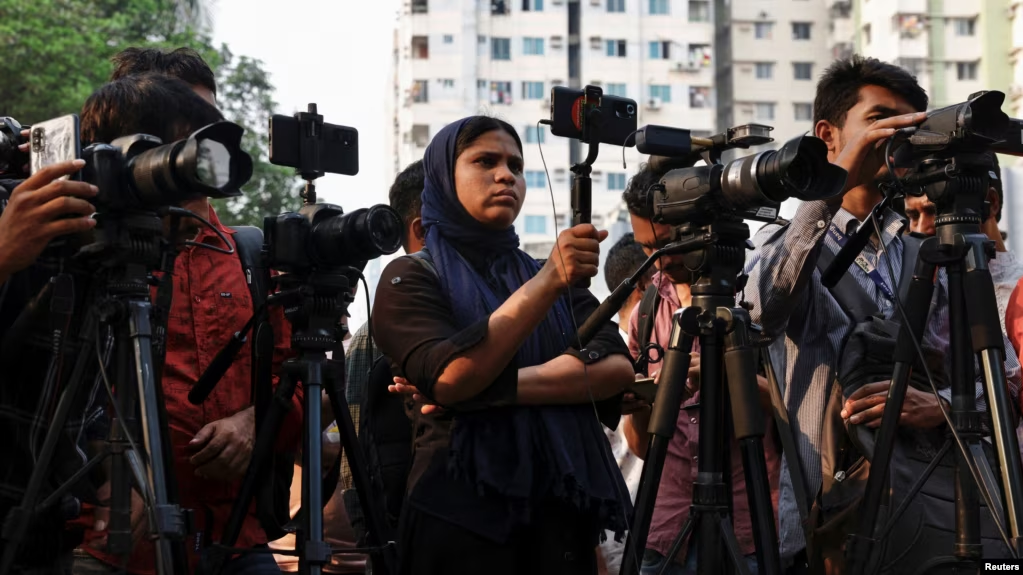
Bangladesh Strips Journalists’ Credentials in Post-Hasina Crackdown

0

Bangladesh’s interim government has stripped press credentials from more than 50 journalists in a sweeping move that media watchdogs denounce as an “alarming” assault on press freedom during the country’s volatile political transition.

The Information Ministry’s actions occurred in two waves, with over 20 senior journalists losing credentials on October 30, followed by 30 more on Sunday. Among those affected are prominent figures including Zafar Wazed, former director-general of the Press Institute of Bangladesh, former press minister Shaban Mahmud, and journalists from major outlets such as ATN News, Ekattor TV, and The Dhaka Times.

Media observers note the revocations appear to target journalists sympathetic to the Awami League, which lost power in August when Prime Minister Sheikh Hasina resigned and fled the country amid student-led protests. Nobel laureate Muhammad Yusuf now heads an interim government charged with organizing new elections.

“Such decisions threaten the growth of opposition media,” said Celia Mercier of Reporters Without Borders (RSF). “This will encourage self-censorship, and critical space in media will shrink.” The Committee to Protect Journalists demanded the interim authorities “safeguard press freedom during this critical period of the country’s political transition.”

The crackdown follows a turbulent period for Bangladesh’s press. During the protests that precipitated Hasina’s fall, five journalists were killed, with others reporting beatings and shootings. The country ranks 165th out of 180 nations on RSF’s World Press Freedom Index, with the organization describing Bangladesh as a “hostile” environment for journalists.

The deteriorating media climate emerged during Hasina’s final months in power, when her government introduced the Cyber Security Act allowing fourteen-year prison terms for journalists publishing content deemed hostile to the prime minister or ruling party. The current credential revocations suggest continued pressure on press freedom despite the change in leadership.

The Bangladesh Embassy in Washington referred queries to the Ministry of Information and Broadcasting, which has not responded to requests for comment on the widespread removal of press credentials that threatens to further constrain independent journalism in a nation already struggling with media freedom.

VOA

30 Bodies Retrieved from Building After Israeli Strike

0

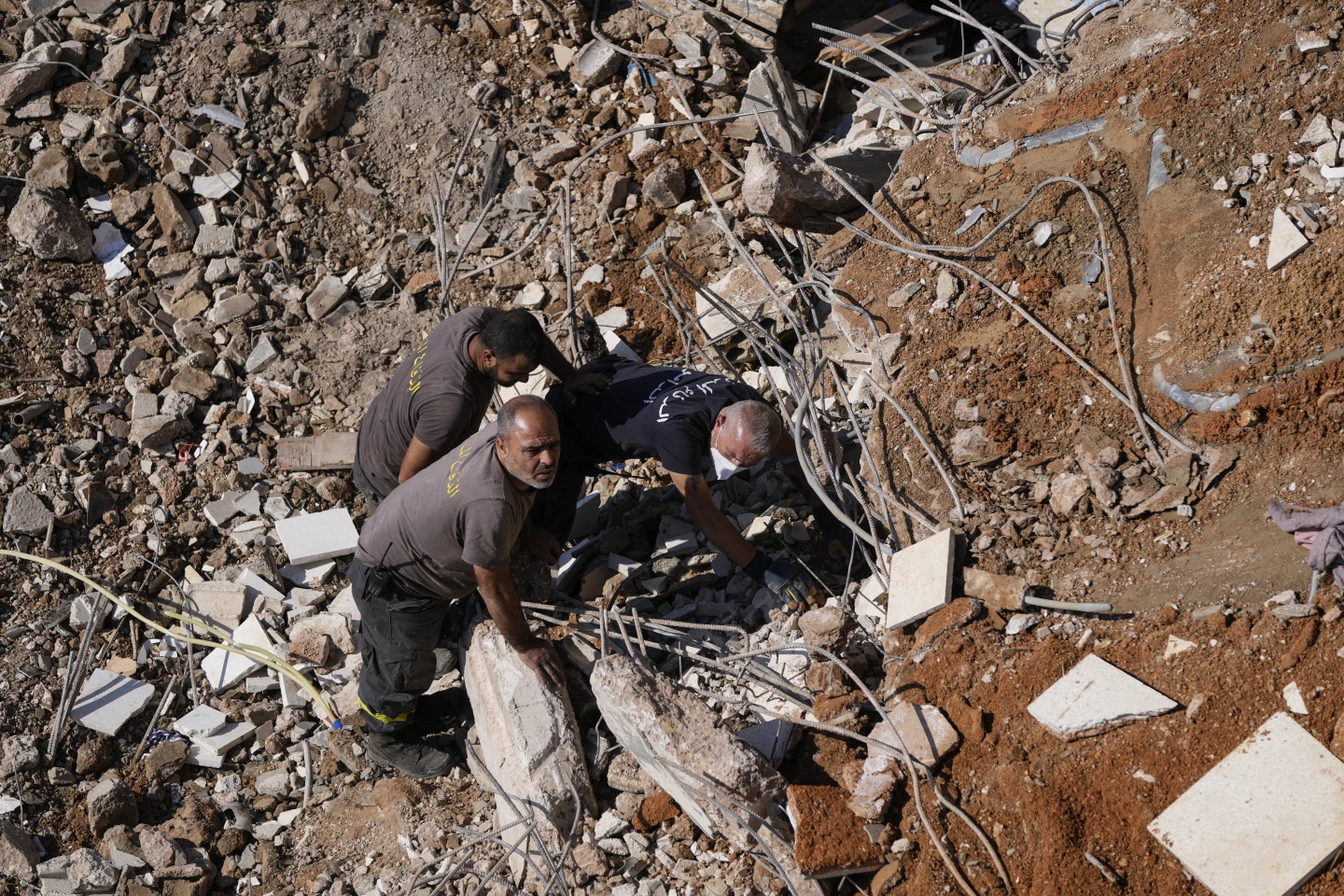
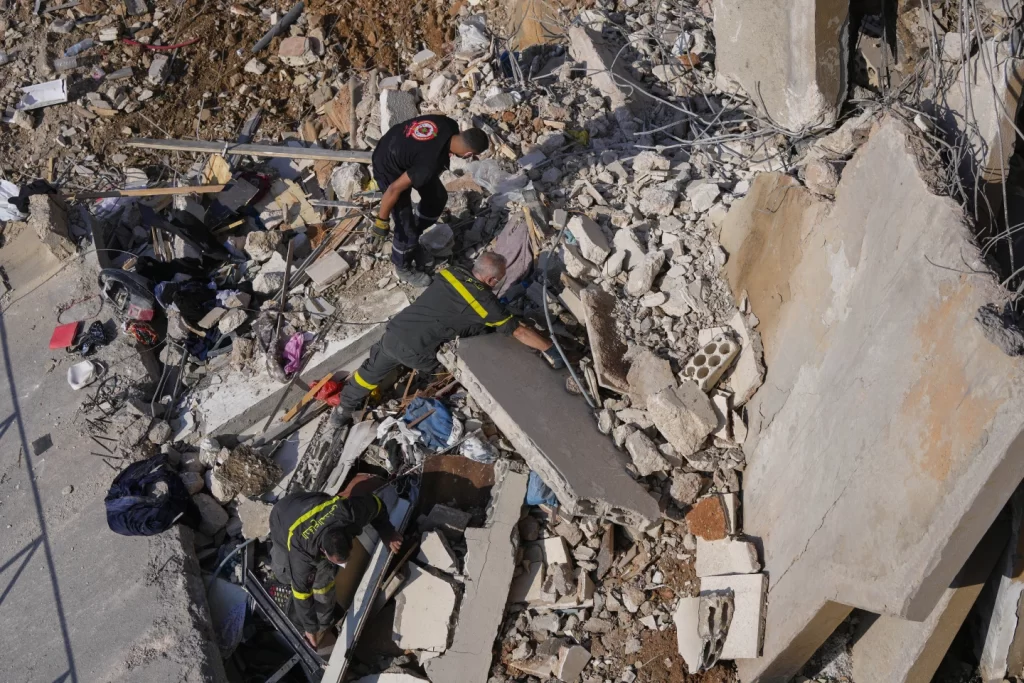
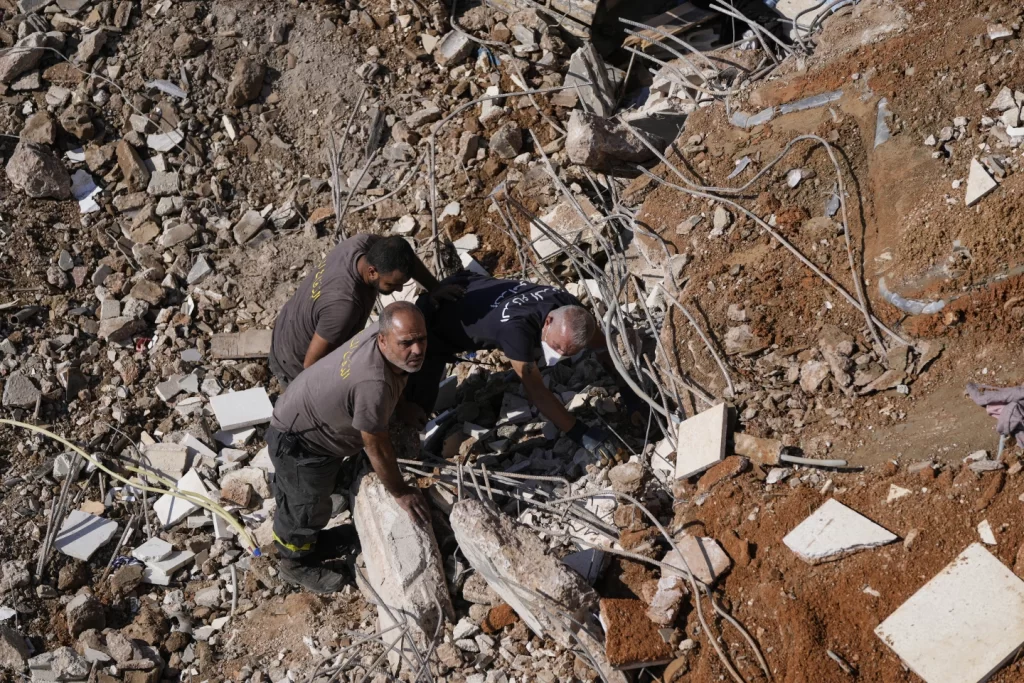
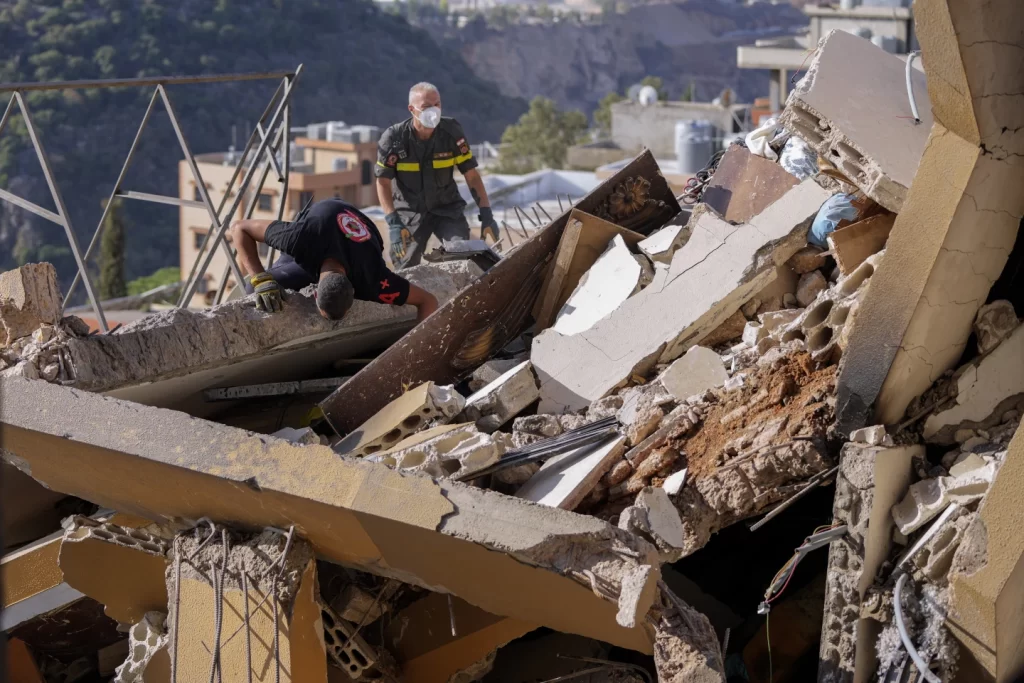
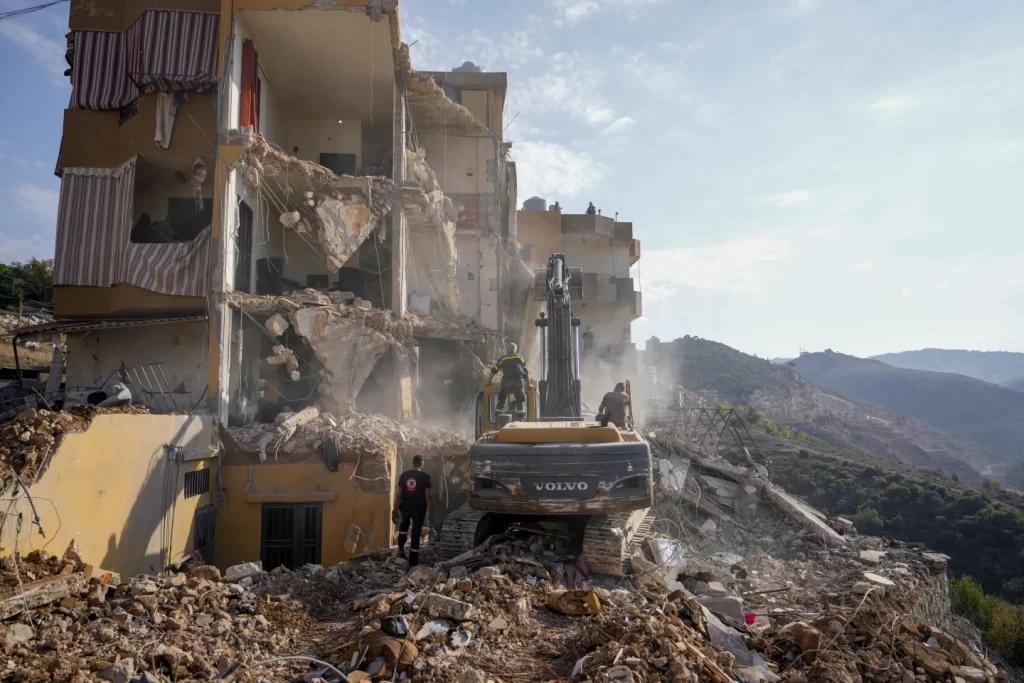
Lebanese Civil Defense workers retrieved thirty bodies from the rubble of an apartment building Wednesday following an overnight Israeli airstrike in the central town of Barja, marking one of the deadliest single attacks in Lebanon since the regional conflict began.

The devastating strike hit without warning in an area that had largely avoided targeting during the ongoing conflict. Rescue workers continued searching for potential survivors and additional victims in the collapsed structure, while witnesses described scenes of chaos and desperate rescue efforts.

“Something pulled me hard, and then the explosion happened,” said Moussa Zahran, who survived the attack but whose wife and son were hospitalized with injuries. Zahran described digging through debris in darkness to reach his family members. Another resident, Muhyiddin Al-Qalaaji, learned of the destruction while at work through a frantic call from his wife.

Civil defense official Mostafa Danaj reported that neighbors continue reporting missing persons, suggesting the death toll could rise. The Israeli military has not issued a statement about the strike or its intended target in Barja, a town north of Sidon that had previously seen little military activity.

The attack comes amid broader regional escalation, with Israel launching massive aerial bombardments across Lebanon, including strikes early Thursday near Beirut’s international airport. Hezbollah responded with rocket barrages reaching central Israel and the Tel Aviv metropolitan area, killing a foreign worker near Acre.

The widening conflict occurs against a backdrop of political upheaval in Israel, where Prime Minister Benjamin Netanyahu’s dismissal of Defense Minister Yoav Gallant sparked nationwide protests. The firing, following Trump’s U.S. election victory, removed a key moderate voice in hostage negotiations with Hamas.

Since Hezbollah joined the conflict following Hamas’s October 7 attack on Israel, violence has claimed at least 3,000 Lebanese lives and wounded 13,500, with women and children comprising a quarter of casualties, according to Lebanon’s Health Ministry. Hezbollah’s attacks have killed 73 Israelis, including 30 soldiers.

The escalating regional warfare shows no signs of abating as the Gaza conflict continues, where Palestinian health officials report over 43,000 deaths in Israel’s offensive following Hamas’s attack that killed 1,200 people and took 250 hostages, roughly 100 of whom remain captive.

The Barja strike represents a significant expansion of the conflict into previously quiet areas of central Lebanon, raising fears of further civilian casualties as the war threatens to engulf new territories.

Trump’s Return Portends Sweeping Immigration Changes

0

Donald Trump’s election victory has set the stage for what could become the most aggressive immigration crackdown in modern American history, transforming his campaign slogan of “Mass Deportation” into potential policy as supporters cite immigration as a top concern in AP VoteCast surveys.

The president-elect’s planned measures face significant logistical hurdles in targeting an estimated 11 million people living in the United States illegally. Trump advisers, including Stephen Miller, have outlined plans to invoke the rarely-used 1798 Alien Enemies Act and potentially deploy National Guard troops, with Republican governors sending forces to states that refuse to participate.

“You’re not talking about a dragnet,” explains Andrew Arthur, a former immigration judge and fellow at the Center for Immigration Studies. “There’s no way you could do it. The first thing you have to do is seal the border and then you can address the interior. All of this is going to be guided by the resources you have available.”

Trump’s rhetoric about immigrants “poisoning the blood” of America has already sparked fear in immigrant communities. Julie Moreno, a U.S. citizen married to an undocumented Mexican immigrant, faces the prospect of family separation. “I don’t have words yet, too many feelings,” she said, her voice breaking. “I am very scared for my husband’s safety.”

Policy experts anticipate Trump’s initial focus on border enforcement, potentially pressuring Mexico to reinstate Trump-era policies requiring asylum seekers to wait in Mexico for U.S. court hearings. The administration is expected to dismantle Biden-era programs, including:

– The CBP One app that facilitated nearly one million legal border crossings

– Programs allowing over 500,000 Cubans, Haitians, Nicaraguans and Venezuelans to enter with sponsors

– Expanded refugee admissions currently capped at 125,000 annually

– Temporary Protected Status expansions benefiting hundreds of thousands

The impending changes have devastated families like Elena’s in South Florida. The Nicaraguan mother of two adult U.S. citizens hasn’t slept since the election. “It is so difficult for me to uproot myself from the country that I have seen as my home,” she said, requesting anonymity for fear of deportation.

Immigration advocates are preparing for widespread enforcement actions while monitoring whether authorities will maintain traditional restrictions on arrests at schools, hospitals, and places of worship. “We’re taking it very seriously,” said Heidi Altman of the National Immigration Law Center’s Immigrant Justice Fund. “We all have to have our eyes wide open to the fact that this isn’t 2016. Trump and Stephen Miller learned a lot from their first administration.”

The policies could affect hundreds of thousands of DACA recipients and TPS holders like Maribel Hernandez, a Venezuelan mother who broke down discussing the possibility of losing her protected status. “Imagine if they end it,” she said outside New York’s Roosevelt Hotel, her two-year-old son sleeping nearby.

As the administration prepares to take office, questions remain about enforcement capacity, detention facilities, deportation procedures, and international cooperation – fundamental challenges to implementing what would be the largest mass deportation effort in U.S. history.

apnews.com

How Trump Pulled Off an Incredible Comeback

0

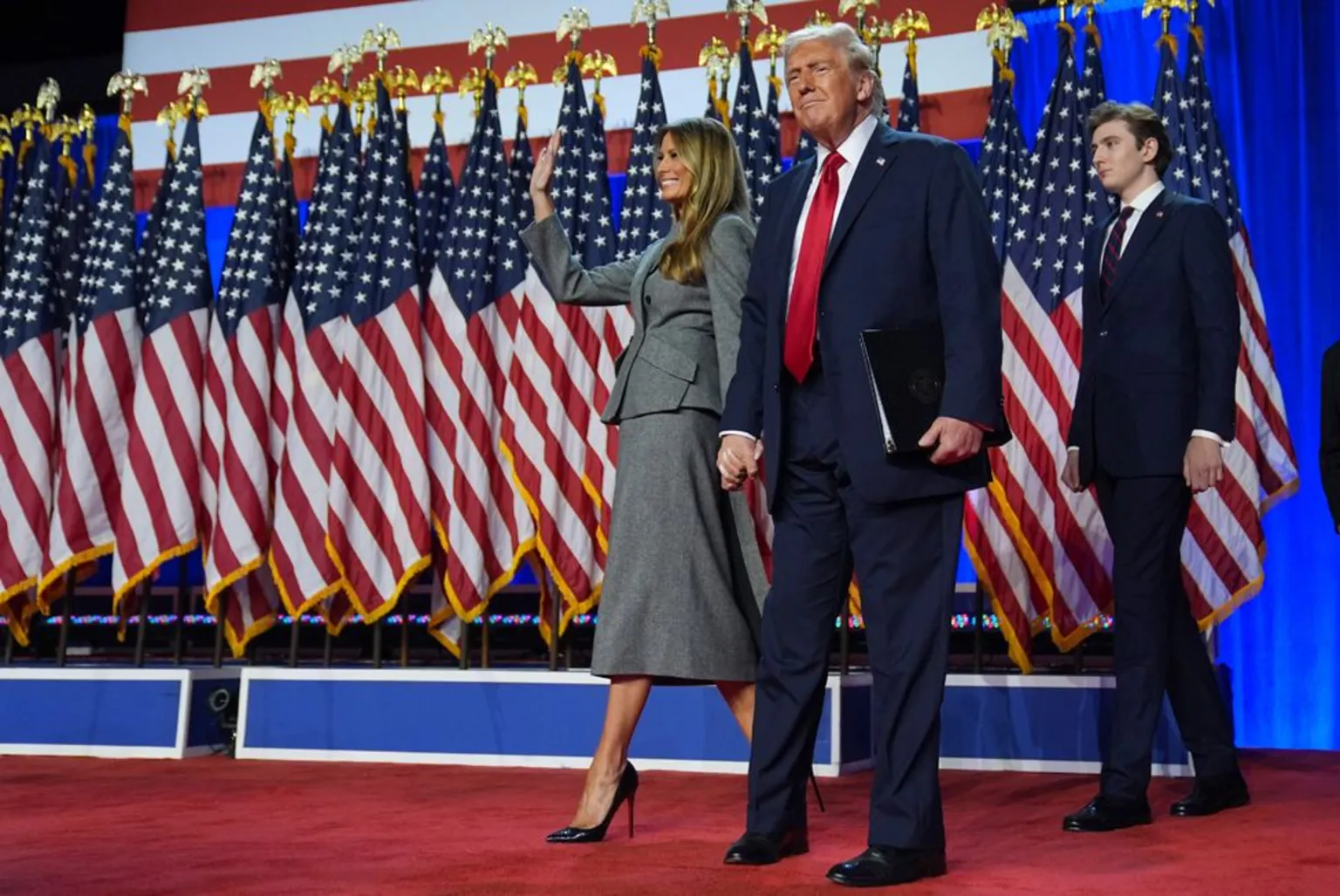
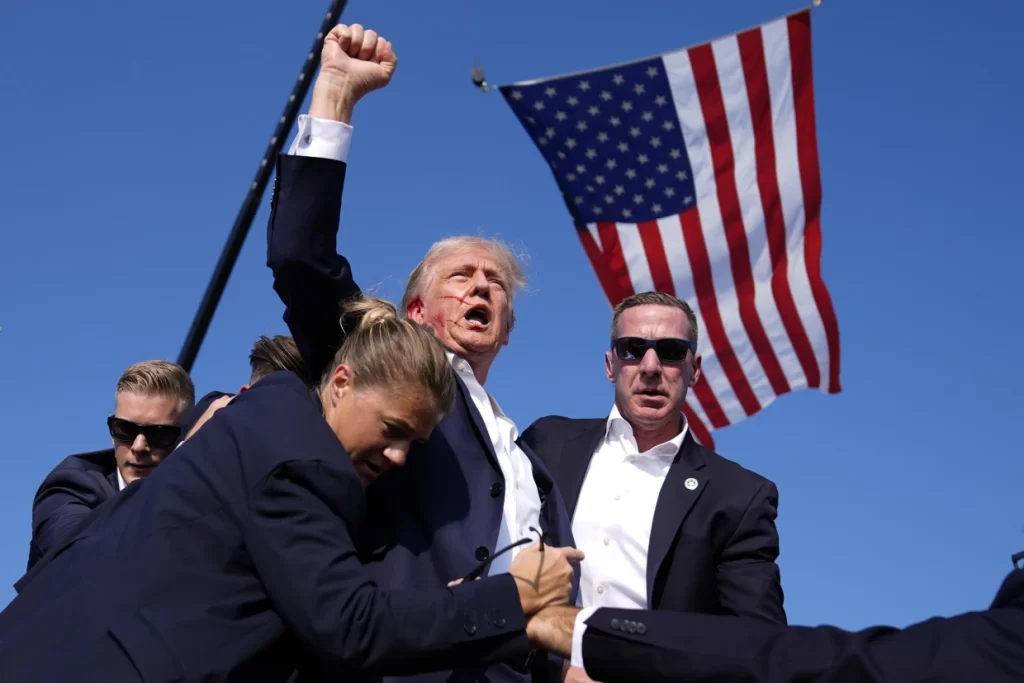
Donald Trump has achieved the most dramatic comeback in American political history, returning to power four years after leaving the White House in turmoil, overcoming multiple criminal indictments and surviving two assassination attempts to reclaim the presidency.

The victory marks a stunning reversal for a man who refused to accept his 2020 defeat and still faces charges for allegedly inciting the January 6 Capitol attack. Trump will make history as the first sitting president convicted of a felony, following his guilty verdict in a New York business records case.

His path to victory emerged through a campaign that took an extraordinary turn when President Joe Biden dropped out months before Election Day following a poor debate performance. Trump successfully capitalized on widespread economic dissatisfaction, repeatedly challenging voters with a simple question: “Are you better off now than you were two years ago?”

Despite Trump’s inflammatory rhetoric and threats of vengeance against political enemies, voters in key battleground states focused on kitchen-table issues. Many expressed distaste for his crude language but prioritized economic concerns and border security. Record illegal immigration levels under Biden bolstered Trump’s hardline immigration stance, though voters generally rejected his more extreme claims about migrants.

His “America First” message resonated across political lines, particularly regarding foreign aid spending. Voters from both left and right questioned billions allocated to Ukraine while domestic needs went unmet. The message proved especially effective against Harris, whom many viewed as representing continuity with Biden’s policies when they sought change.

The victory arrives as Trump faces a dramatically different political landscape than his first term. Once surrounded by experienced advisers who constrained his actions, he now shows little interest in traditional governance constraints. Former staff members have warned about his intentions, describing him as a “liar,” “fascist” and “unfit” for office, while cautioning that a loyalist-filled administration could enable his more extreme impulses.

The Supreme Court’s ruling on presidential immunity from prosecution for official acts could shield Trump from ongoing criminal cases. As president, he could direct his Justice Department to drop federal charges related to January 6 and potentially pardon hundreds imprisoned for the Capitol riot.

Throughout the campaign, Trump praised authoritarian leaders like Vladimir Putin and Kim Jong Un, threatened press critics, and continued promoting unfounded election fraud claims. His victory suggests voters were willing to overlook these concerns in hope of economic improvement, even as critics warn about threats to democratic institutions.

The world now awaits the practical implications of “America First,” from proposed 20% import tariffs to Trump’s vows to end conflicts in Ukraine and the Middle East regardless of outcomes. With fewer constraints than his first term, Trump appears positioned to pursue a more radical agenda that could reshape both domestic and international politics.

Source: bbc.com

Migrant Caravan of 3, 000 Launches North as Americans Cast Ballots

0

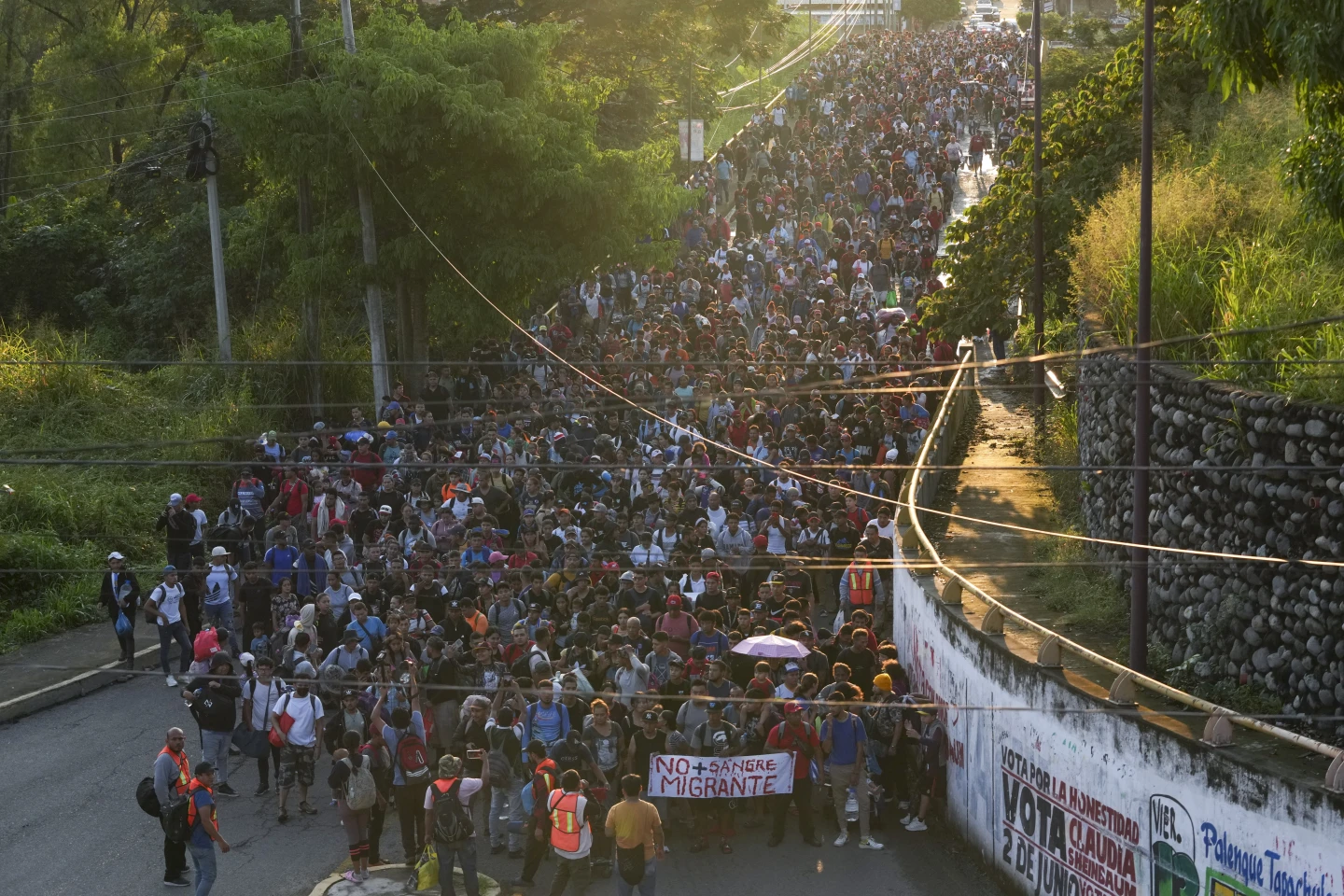
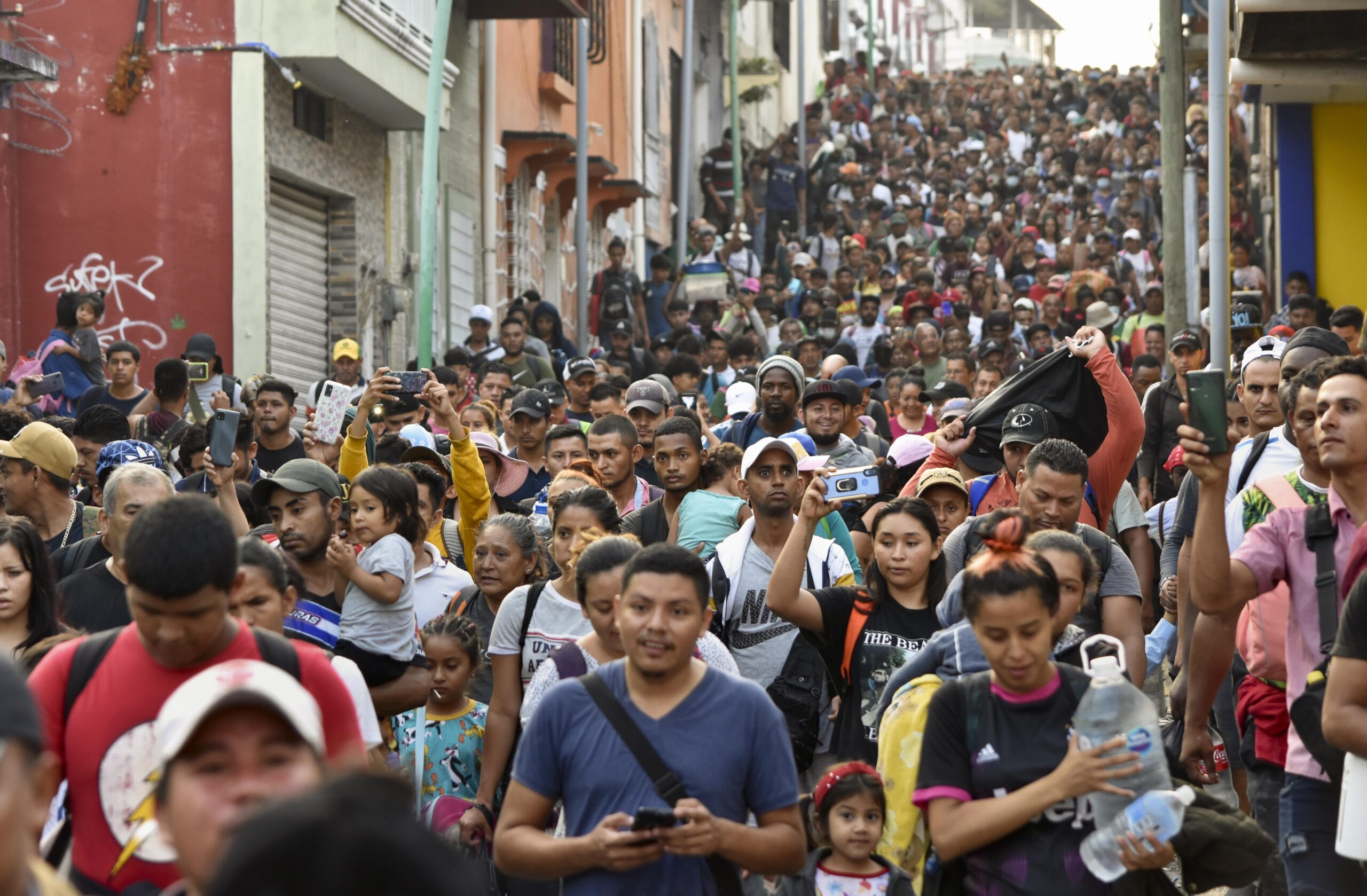
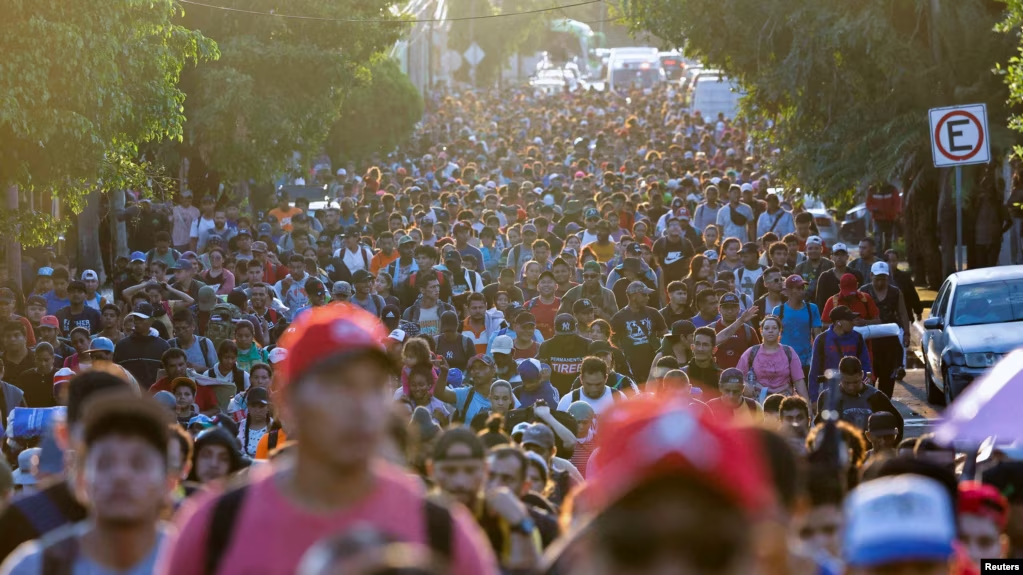
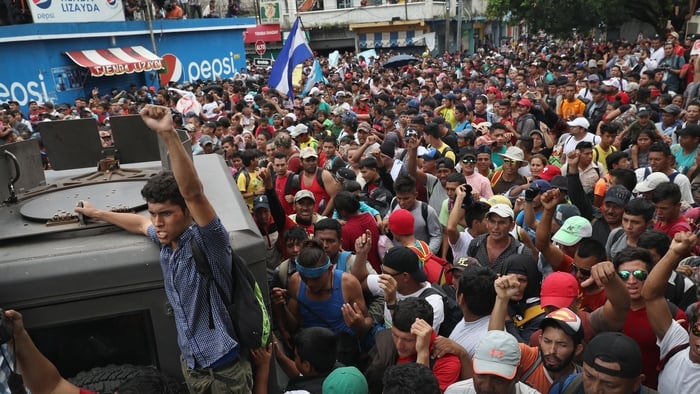
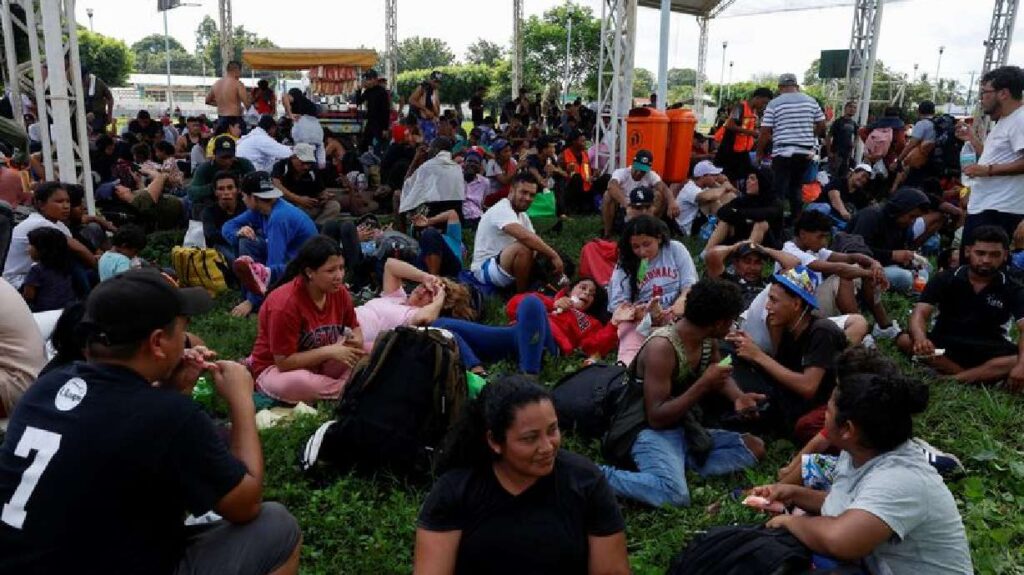
A caravan of approximately 3,000 migrants began its journey north from southern Mexico Tuesday, timing their departure with the U.S. presidential election that pits immigration hardliner Donald Trump against Vice President Kamala Harris.

The group assembled in Tapachula, Chiapas state’s capital, displaying banners reading “NO MORE MIGRANT BLOOD” and carrying images of the Virgin of Guadalupe. The city has become one of Mexico’s most dangerous for migrants, who frequently face targeting by organized crime.

“We want U.S. authorities to see us, to see that we are people who want to work, not to harm anyone,” said Honduran Roy Murillo, traveling with his two children and pregnant wife. He described failed attempts to secure asylum appointments through the U.S. Customs and Border Protection mobile app.

The caravan strategy reflects growing security concerns among migrants. “I’m afraid to travel alone with my family. Here, the cartels either kidnap you or kill you. That’s why we’re coming in the caravan,” Murillo explained. Previous such groups, formed for safety in numbers, have typically dispersed before reaching the U.S. border.

Venezuelan migrant Thais, 28, joined the caravan with her husband and three-year-old daughter, speaking on condition of surname anonymity due to safety concerns. “I feel suffocated here. That’s why we decided to leave,” she said. “I wish Mr. Trump and Ms. Kamala would see that we are human beings, that we want to live and support our families.”

The timing underscores immigration’s central role in the U.S. presidential contest between Harris, seeking to become the first female president, and Trump, campaigning on stricter border policies. Similar caravans in recent years have highlighted the ongoing humanitarian challenges along the migration route to the United States.

Tapachula, a mandatory crossing point for tens of thousands of migrants annually, has seen escalating violence in recent months according to official data, adding urgency to migrants’ decisions to travel in large groups for protection.

Equatorial Guinea Orders Security Overhaul After Government Sex Scandal

0

Equatorial Guinea’s government ordered sweeping security measures Tuesday following the leak of explicit videos allegedly showing a senior finance ministry official engaging in sexual acts with multiple women in government offices.

Vice President Nguema Obiang Mangue mandated the installation of security cameras and enhanced monitoring across government facilities after the scandal erupted on social media last week. “The executive is taking this decision following the videos of a sexual nature that have gone viral on social media in recent days and that denigrate the country’s image,” the state information agency announced.

The controversy has rocked the tiny Central African nation of 1.7 million people, where President Teodoro Obiang has maintained power for 45 years as the world’s longest-serving head of state. Local media reported that investigators discovered hundreds of amateur videos during a corruption-related raid on the official’s residence, with footage allegedly featuring wives of other government figures and family members.

The government’s emergency response, developed in consultation with the Supreme Court and attorney general’s office, includes immediate installation of security cameras in all offices and enhanced building security protocols. Officials appearing in the videos face suspension, while security personnel who failed to prevent the incidents will face disciplinary action.

The scandal has particularly rattled the government given Equatorial Guinea’s conservative social climate and the high-ranking positions of those allegedly involved. Reuters could not independently verify the authenticity of the circulated videos.

The crackdown reflects growing concern about conduct within government offices and its impact on the nation’s international reputation. The country, which gained independence from Spain in 1968, has faced previous scrutiny over governance issues under President Obiang’s extended rule.

Iranian Currency Tumbles as Trump Returns to White House

0

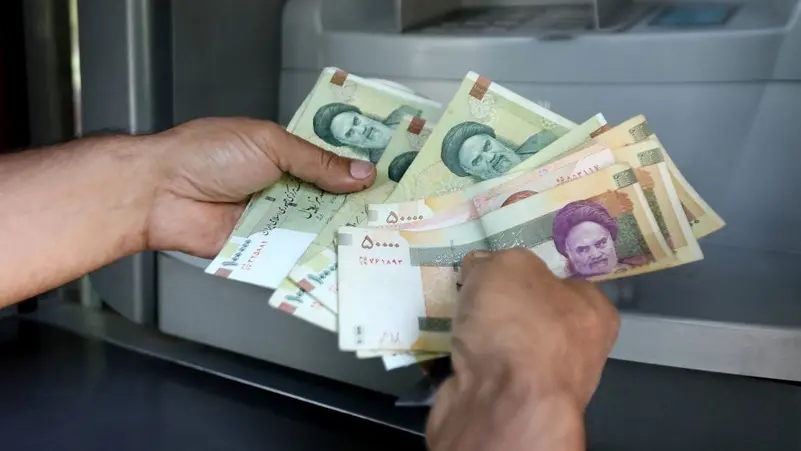
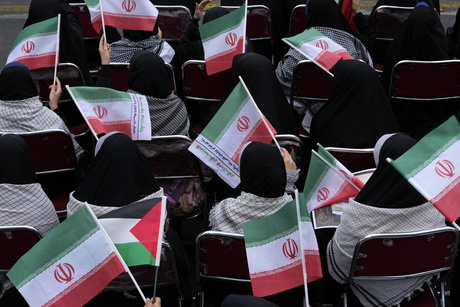
Iran’s currency plummeted to an unprecedented low Wednesday following Donald Trump’s election victory, as fears of renewed tensions between Tehran and Washington rattled the Islamic Republic’s already fragile economy.

The rial crashed to 703,000 per dollar in Tehran’s exchange markets, marking a dramatic decline from the 32,000 rate during the 2015 nuclear deal and even the 584,000 level when reformist President Masoud Pezeshkian took office last July. The currency’s collapse reflects growing anxiety over potential renewed sanctions under Trump’s leadership.

“One-hundred percent he will intensify the sanctions,” said Amir Aghaeian, a 22-year-old student in Tehran. “Things that are not in our favor will be worse. Our economy and social situation will surely get worse. I feel the country is going to blow up.”

The economic turbulence comes as Iran navigates multiple regional crises, including its involvement in ongoing Middle East conflicts through its “Axis of Resistance” allies – Hamas, Hezbollah, and Yemen’s Houthi rebels. Recent Israeli strikes on Iranian territory and reciprocal missile exchanges have heightened tensions further.

Iranian officials attempted to downplay the election’s impact. “The election of the U.S. president doesn’t have anything specifically to do with us,” said Fatemeh Mohajerani, a spokeswoman for Pezeshkian’s administration. “The major policies of America and the Islamic Republic are fixed, and they won’t heavily change by people replacing others.”

The currency crisis reflects deeper economic challenges facing Iran, which continues enriching uranium at near weapons-grade levels despite international sanctions. Pezeshkian, who assumed power following hard-line President Ebrahim Raisi’s death in a helicopter crash last May, campaigned on promises to secure sanctions relief through diplomatic engagement.

Public reaction in Tehran varied sharply. Taxi driver Mahmoud Parvari, 71, expressed stark opposition to Trump: “I feel like I’m seeing the devil. He looks like Satan, his eyes are like Satan and his behavior is like a mad man.” Another driver, identified only as Hosseini, took a more pragmatic view: “If it helps my country I would definitely make a deal with Trump.”

The market turmoil occurs amid heightened regional tensions, including ongoing conflicts in Gaza and Lebanon, and recent military exchanges between Iran and Israel. Iran has threatened retaliation for Israeli strikes while U.S. forces operate missile defense systems in the region, adding another layer of complexity to an already volatile situation.

Abortion Rights Score Major Constitutional Enshrinement Wins in 7 States But Loses in 3

0

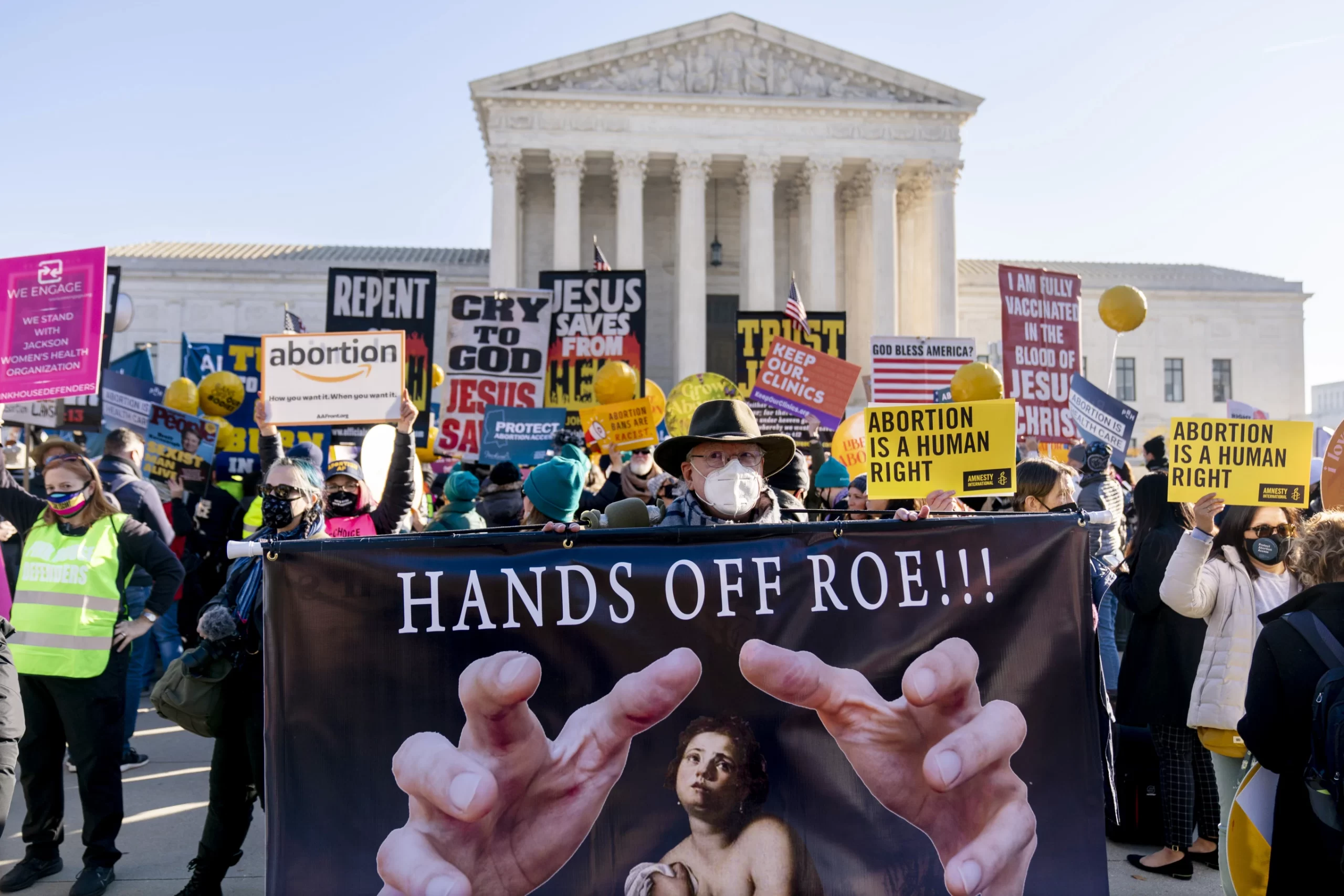
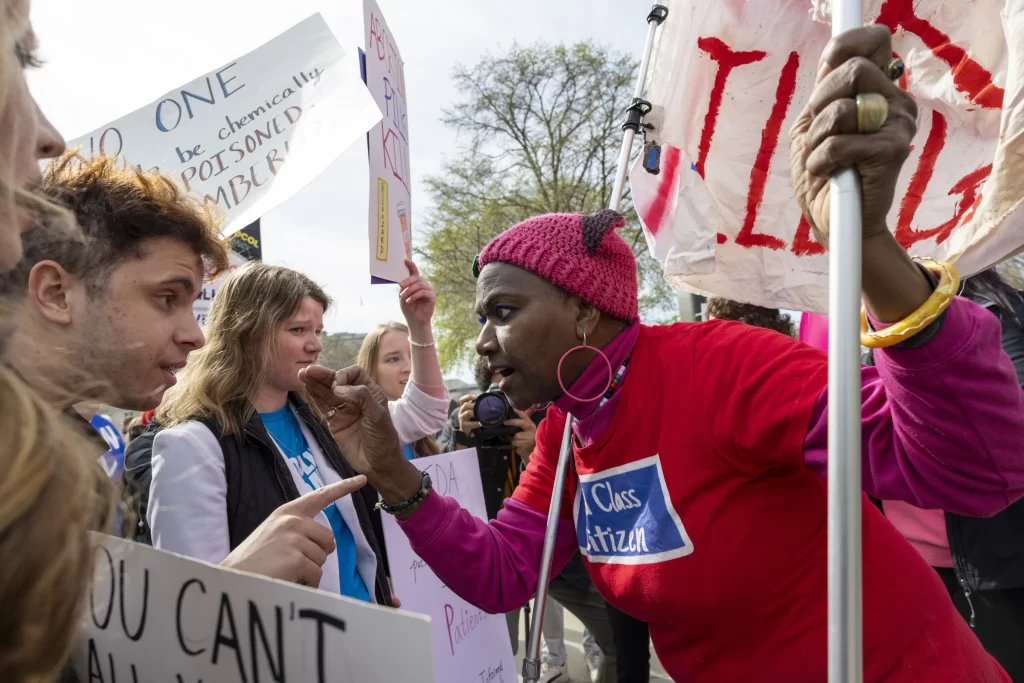
Abortion rights advocates secured victories in seven states Tuesday while suffering defeats in three others, as voters across America continued to reshape reproductive rights in the post-Roe landscape during a pivotal election night.

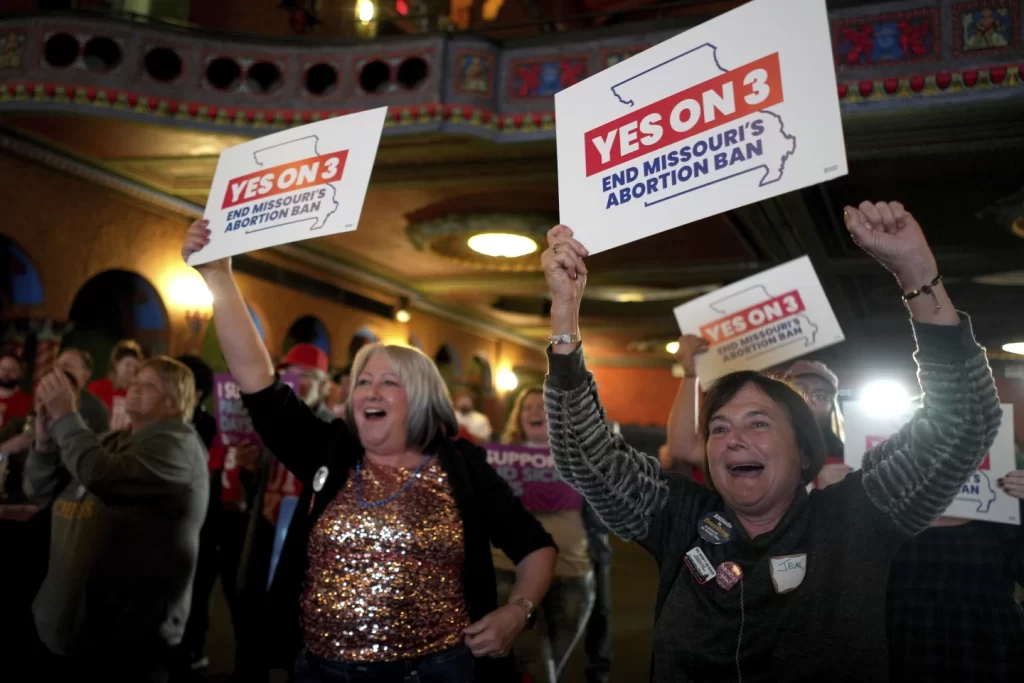
Missouri emerged as a potential watershed moment, with voters clearing the path to overturn one of the nation’s strictest abortion bans. The state could become the first to undo a complete prohibition since the Supreme Court’s 2022 Roe v. Wade reversal. The approved measure would allow restrictions only after fetal viability, typically around 21 weeks.

“Today, Missourians made history and sent a clear message: decisions around pregnancy, including abortion, birth control, and miscarriage care are personal and private,” said Rachel Sweet, campaign manager of Missourians for Constitutional Freedom.

However, abortion opponents scored their first post-Roe ballot victories in Florida, Nebraska, and South Dakota. Florida’s measure fell short of the required 60% supermajority, cementing the state’s six-week ban and dramatically altering abortion access across the South. The outcome represented a significant victory for Governor Ron DeSantis, who directed substantial Republican resources to defeat the initiative.

“A momentous victory for life in Florida and for our entire country,” declared Marjorie Dannenfelser, president of SBA Pro-Life America, praising DeSantis’s leadership in opposing the measure.

Voters approved protective measures in Arizona, Colorado, Maryland, and Montana, while Nevada passed an amendment requiring a second approval in 2026. New York voters endorsed a measure banning discrimination based on “pregnancy outcomes.”

The mixed results coincided with Donald Trump’s presidential victory, adding complexity to the national abortion debate. AP VoteCast found abortion policy significantly influenced voters, with about one-fourth citing it as their most important factor and nearly half calling it important but not primary.

The night brought sweeping changes across multiple states. Arizona’s amendment replaced a 15-week ban with a viability standard, while Colorado expanded access by removing state funding restrictions. Maryland and Montana constitutionally protected existing rights, as South Dakota rejected a 12-week provision and Nebraska adopted measures allowing more restrictions.

The results ended abortion rights advocates’ previous winning streak on statewide ballots since Roe’s fall. Currently, 13 states enforce complete bans with limited exceptions, while four others restrict abortion after approximately six weeks.

Despite strict bans, national abortion rates have slightly increased through medication options and organized travel assistance, though advocates emphasize reduced access particularly affects lower-income and minority residents in restrictive states.

“The reality is a majority of Floridians just voted to end Florida’s abortion ban,” said Lauren Brenzel, campaign director for Yes on 4, highlighting how state-specific voting requirements can override majority support. The defeat transforms Florida from a regional access point to a restrictive state, forcing residents to travel hundreds of miles to reach states with fewer restrictions.