Home Blog Page 592

Netanyahu Removes Defense Minister, Citing Trust Issues

0

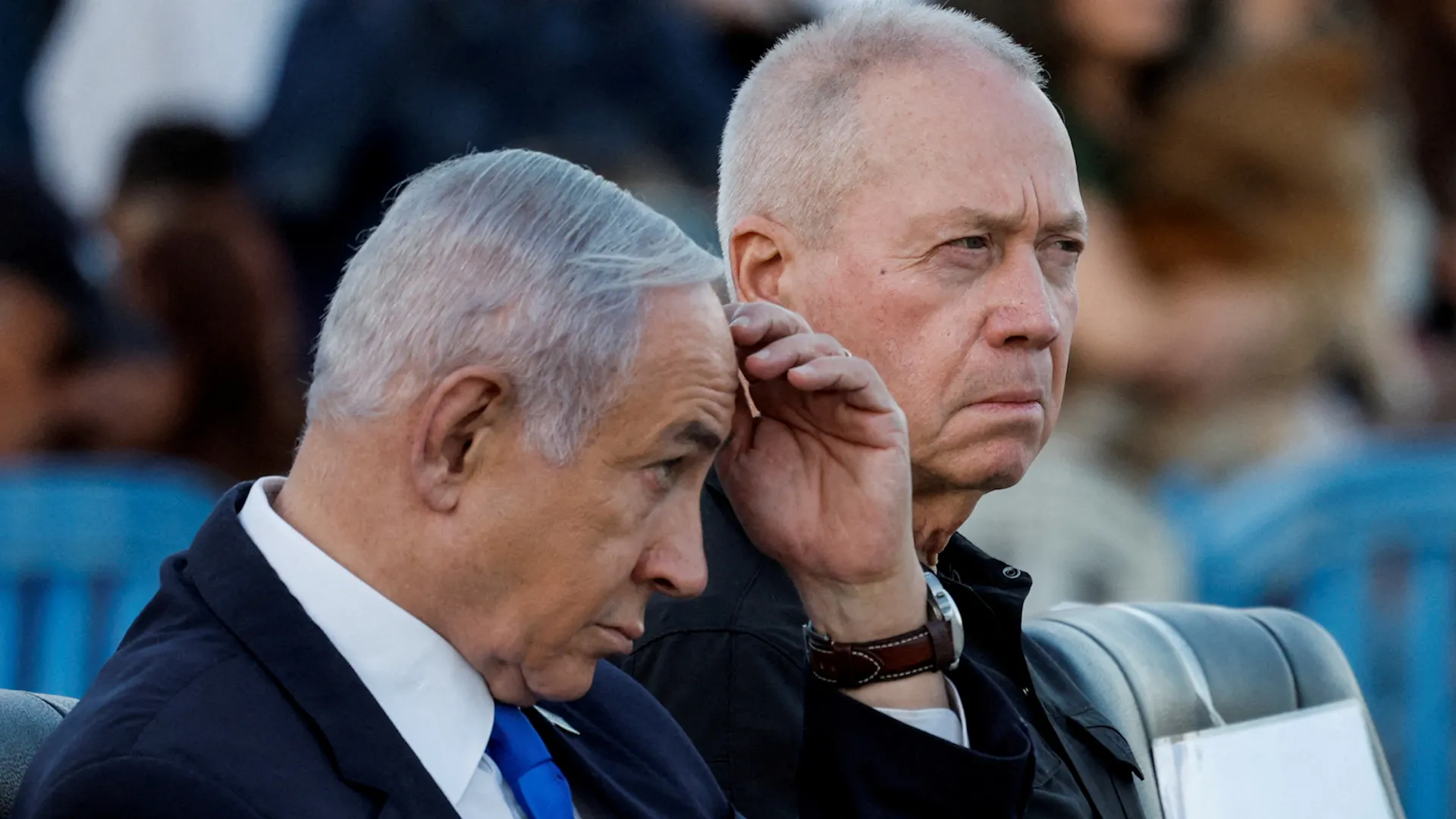
Israeli Prime Minister Benjamin Netanyahu dismissed Defense Minister Yoav Gallant on Monday, naming Israel Katz as his replacement in a move that highlights deepening rifts within Israel’s wartime leadership.

Netanyahu announced the decision via video on his X social media account, citing a “crisis of trust” between the two leaders during Israel’s military campaign in Gaza. “In the midst of a war, more than ever, full trust is required between the Prime Minister and Defence Minister,” Netanyahu said, noting that while initial cooperation was strong, trust had “cracked” in recent months.
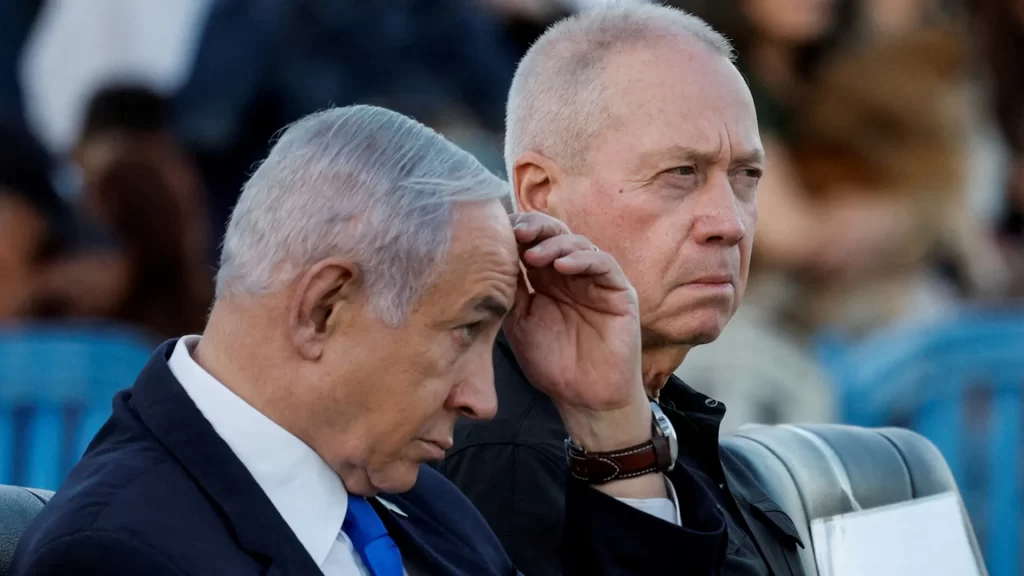
The dismissal reflects fundamental disagreements over war strategy, with Netanyahu favoring sustained military pressure on Hamas while Gallant reportedly supported operations that could facilitate hostage negotiations. “The security of the state of Israel always was, and will always remain, my life’s mission,” Gallant, a former general, said following his removal.

The shake-up comes at a critical juncture in Israel’s response to the October 7, 2023, Hamas attack. Middle East analysts warn the timing could have significant implications for military operations and political stability. “To fire your Defence Minister at this moment will be seen as a reckless move by many,” said Alistair Bunkall, Sky News’ Middle East correspondent.

The leadership change also intersects with domestic political tensions, including debates over drafting Haredi Jewish students into the Israel Defence Forces (IDF), a policy Gallant supported. This marks Netanyahu’s second attempt to remove Gallant, following a March 2023 effort that sparked widespread protests and forced a government reshuffle.

In a related move, Netanyahu announced Gideon Saar would assume the role of Foreign Minister, further restructuring his wartime cabinet amid growing internal and international pressure over the Gaza conflict.


Voter Sues Musk Over Constitutional Petition Prize Program

0

Elon Musk faces a proposed class action lawsuit filed Tuesday by voters who claim his $1 million-a-day election giveaway was fraudulent, with plaintiffs seeking at least $5 million in damages.

Arizona resident Jacqueline McAferty filed the complaint in Austin federal court, alleging Musk and his America PAC organization misled voters by claiming winners would be chosen randomly when they were actually predetermined. The lawsuit comes one day after a Philadelphia judge rejected District Attorney Larry Krasner’s attempt to halt the giveaway as an illegal lottery.

The complaint alleges the program, which offered $1 million prizes to voters in seven battleground states who signed a petition supporting free speech and gun rights, served to drive traffic to Musk’s X social media platform while harvesting valuable personal information. McAferty claims the organizers collected signers’ names, addresses, and phone numbers for potential sale.

“The defendants profited from the giveaway by driving traffic and attention to Musk’s X social media platform, and by collecting personal information,” the lawsuit states.

The legal challenge arrives as the giveaway concludes, with Musk having already announced no further prizes will be awarded following the U.S. presidential election. The world’s richest person, now a Texas resident whose electric car company Tesla is headquartered in Austin, has publicly supported Republican Donald Trump in the presidential race against Democratic Vice President Kamala Harris.

Representatives for Musk and McAferty did not immediately respond to requests for comment on the lawsuit, filed as McAferty v Musk et al in the U.S. District Court, Western District of Texas (No. 24-01346).

European Cargo Fires Linked to Russian Intelligence Operation

0

A series of suspicious parcel fires at courier facilities across Europe were Russian intelligence “dry runs” designed to test methods for sabotaging flights to North America, Polish prosecutors revealed Monday.

Prosecutor Katarzyna Calow-Jaszewska announced that authorities have arrested four people in connection with the incidents, which targeted facilities in Poland, Germany, and the United Kingdom. Western security officials told media outlets they believe Russia’s military intelligence agency, the GRU, orchestrated the campaign.

The fires, which occurred over three days in July, broke out in facilities including a DHL cargo terminal in Leipzig, Germany, a transport company near Warsaw, and a warehouse in Minworth, UK. Officials believe the blazes originated from electric massage machines containing difficult-to-extinguish magnesium-based substances.

“The group’s goal was also to test the transfer channel for such parcels, which were ultimately to be sent to the United States of America and Canada,” Calow-Jaszewska said. German intelligence chief Thomas Haldenwang noted it was “only by a stroke of fortune” that the Leipzig device hadn’t ignited mid-flight.

The packages reportedly originated from Lithuania, where parliamentary security committee chairman Arvydas Pocius described them as part of ongoing hybrid attacks aimed at “causing chaos, panic and mistrust.” DHL has since enhanced security across its European network.

MI5 Director Ken McCallum recently cited these incidents as examples of Russian agents conducting “arson, sabotage and more. Dangerous actions conducted with increasing recklessness” following UK support for Ukraine. Russia denies involvement but faces accusations of other attacks on European infrastructure, including incidents in Sweden and the Czech Republic.

Poland’s response includes closing a Russian consulate in Poznan, with Foreign Minister Radoslaw Sikorski threatening to expel the Russian ambassador unless the attacks cease. Russia’s foreign ministry warned of a “painful response” to these “hostile” actions.

The investigation has prompted increased scrutiny of international shipping security, with courier companies implementing enhanced screening measures for suspicious packages.

India’s Supreme Court Overturns Ban on Islamic Schools

0

India’s Supreme Court reversed a controversial ban on Islamic schools Tuesday, preserving educational access for millions of students in the northern state of Uttar Pradesh in a landmark decision affecting religious education rights.

Chief Justice D.Y. Chandrachud, delivering the court’s opinion, upheld the 2004 law governing madrasas, stating, “The act is consistent with the positive obligation of the state to ensure that the children get adequate education.” The ruling overturns a March decision by the Allahabad High Court that had declared the schools unconstitutional on secularism grounds.

The Supreme Court’s intervention protects approximately 25,000 Muslim schools serving 2.7 million students and employing 10,000 teachers across India’s most populous state. The Allahabad High Court had previously ordered all madrasa students to transfer to conventional schools, claiming the religious institutions violated India’s secular principles.

The case highlights ongoing tensions over religious education in India, where Prime Minister Narendra Modi’s Bharatiya Janata Party (BJP) has pursued policies converting madrasas to conventional schools in states like Assam. The BJP, which also governs Uttar Pradesh, had not immediately responded to the ruling.

Muslim organizations and human rights groups have accused some BJP members and affiliates of promoting anti-Islamic sentiment and targeting Muslim-owned properties. Modi and BJP leadership consistently deny allegations of religious discrimination, maintaining they work for all communities’ development.

The decision represents a significant legal precedent regarding religious education rights in India, where debates over secularism and religious freedom continue to shape public policy. The ruling effectively balances constitutional requirements for secular education with protections for minority religious institutions.

VOA

Chad Signals Possible Exit from Regional Anti-Terror Force After Boko Haram Kills 40 Chadian Troops

0

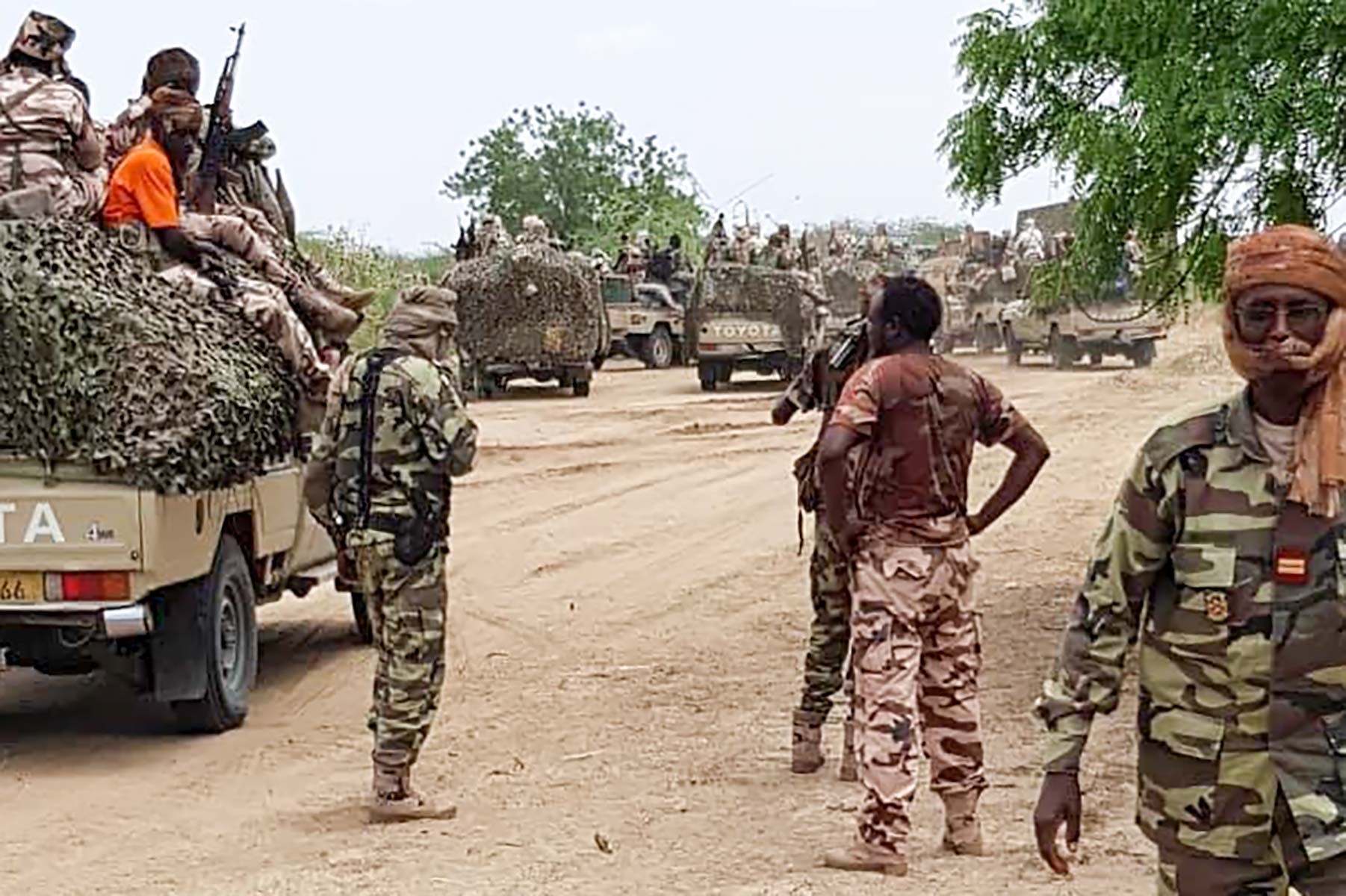
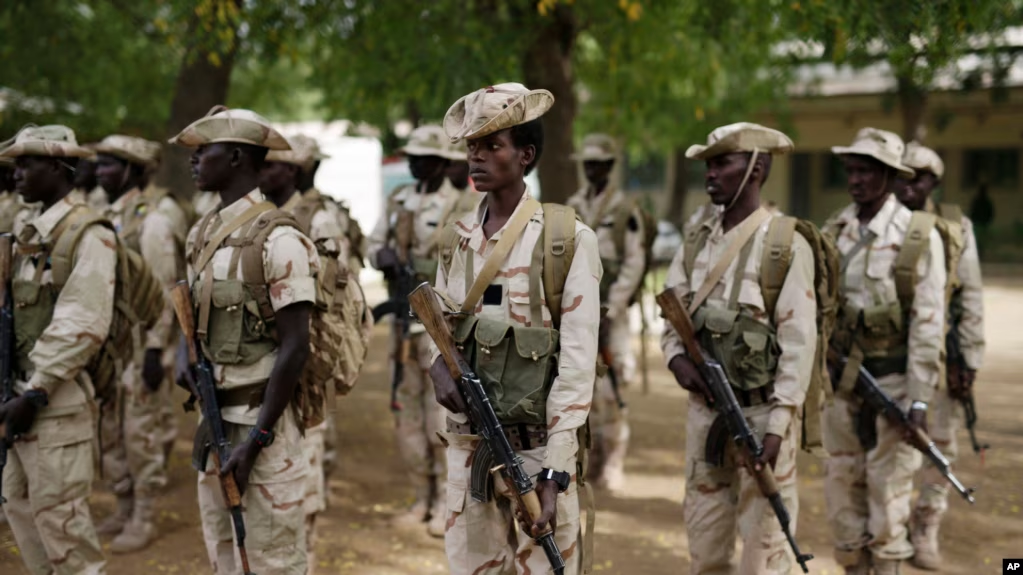
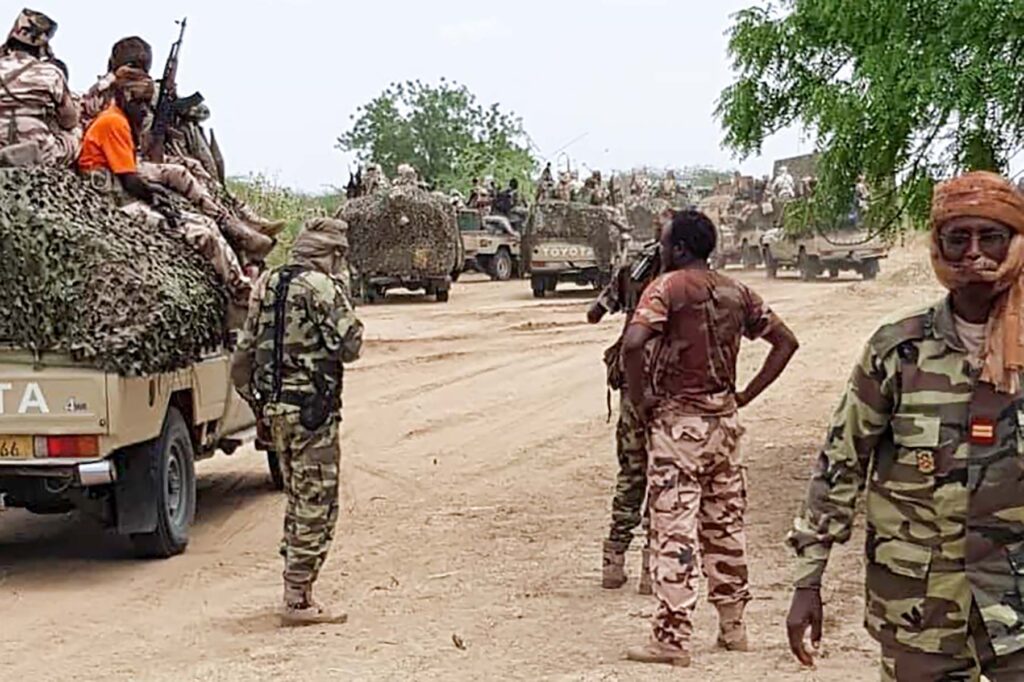
Chad threatened Monday to withdraw its troops from the United Nations-supported Multinational Joint Task Force combating Boko Haram, following an attack that killed more than 40 Chadian soldiers last week.

President Mahamat Idiss Deby announced the potential pullout from the 11,000-strong force on state television, citing insufficient coordination among member states in the fight against terrorism. The task force, established in 2012, includes troops from Cameroon, Chad, Niger, Benin, and Nigeria to combat extremist violence in the Lake Chad Basin region.

“The absence of coordinated efforts among member states’ troops in jointly fighting Boko Haram terrorism” has undermined the force’s effectiveness, according to the presidential statement. Deby expressed particular frustration with the slow response to attacks, though he did not specify a timeline for the threatened withdrawal.

Dr. Remadji Hoinathy, a researcher at the University of N’Djamena specializing in Lake Chad Basin security, explained that Chad’s frustration stems from inadequate support following last week’s deadly attack in Ngouboua, near the Nigerian border. “Chad is not receiving the assistance it needs to track and eliminate several hundred Boko Haram fighters who attacked and killed more than 40 Chad government troops,” he said during a state television appearance.

The announcement coincides with media reports that Chadian forces mistakenly killed several fishermen in Lake Chad during anti-terror operations, though government officials dismissed these claims as unfounded. Belngar Larme Laguerre, president of Chad’s National Commission on Human Rights, defended the military’s ability to distinguish civilians from militants, stating they are “well-trained to find terrorists hiding among civilians.”

The African Union-authorized force, which receives UN technical support, has been crucial in efforts to protect civilians in a region where Boko Haram violence has killed approximately 40,000 people and displaced 3 million since 2009, according to UN figures.

Other member states have yet to respond to Chad’s withdrawal threat, which could significantly impact regional security efforts. Chad’s military presence has been considered vital to the task force’s effectiveness in containing militant activities across the Lake Chad Basin.

Violence at Hindu Temple Leads to Arrests Near Toronto

0

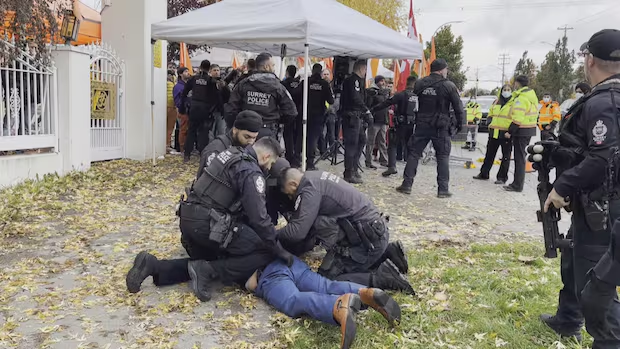
Canadian authorities charged three men Monday following violent clashes at a Hindu temple near Toronto, where Sikh activists staged a pro-Khalistan demonstration that erupted into physical confrontations.

Police arrested a 43-year-old man for causing a disturbance and assaulting a peace officer, while a 23-year-old faces charges of assault with a weapon, and a 31-year-old is charged with mischief. Authorities also suspended an off-duty police officer spotted participating in the protest, pending investigation.

The incident drew swift condemnation from both Indian Prime Minister Narendra Modi and Canadian Prime Minister Justin Trudeau. “I strongly condemn the deliberate attack on a Hindu temple in Canada,” Modi declared, while Trudeau termed the “acts of violence” unacceptable.

Video footage from the Hindu Sabha Mandir in Brampton showed people wielding flagpoles as weapons during confrontations between Hindu and Sikh groups, though the exact trigger for the violence remains unclear. Sikh activists told Reuters they were protesting the presence of Indian diplomats, with demonstrators carrying yellow flags associated with the pro-Khalistan movement.

“The Hindu community in Canada is feeling that they are not being provided a safe place for the worship,” said Arunesh Giri, president of the Canadian Hindu Foundation, speaking to Agence France-Presse.

India’s foreign ministry called on Canadian authorities to “ensure that all places of worship are protected” and prosecute those responsible for the violence. The incident occurs against a backdrop of deteriorating diplomatic relations between India and Canada, following Canada’s expulsion of six Indian diplomats over the 2023 killing of a Sikh separatist leader on Canadian soil.

The tensions reflect deeper conflicts over the Khalistan movement, which seeks to establish a Sikh homeland in India’s Punjab state. Canada hosts the largest Sikh diaspora outside India, making it a focal point for pro-Khalistan activism.

The diplomatic rift widened after Canada accused India of targeting Sikh activists within its borders, allegations India dismissed as “absurd and baseless.” India responded to Canada’s diplomatic expulsions by removing six Canadian diplomats from its territory.

German Police Break Up Alleged Far-Right Plot in Eastern Germany

0

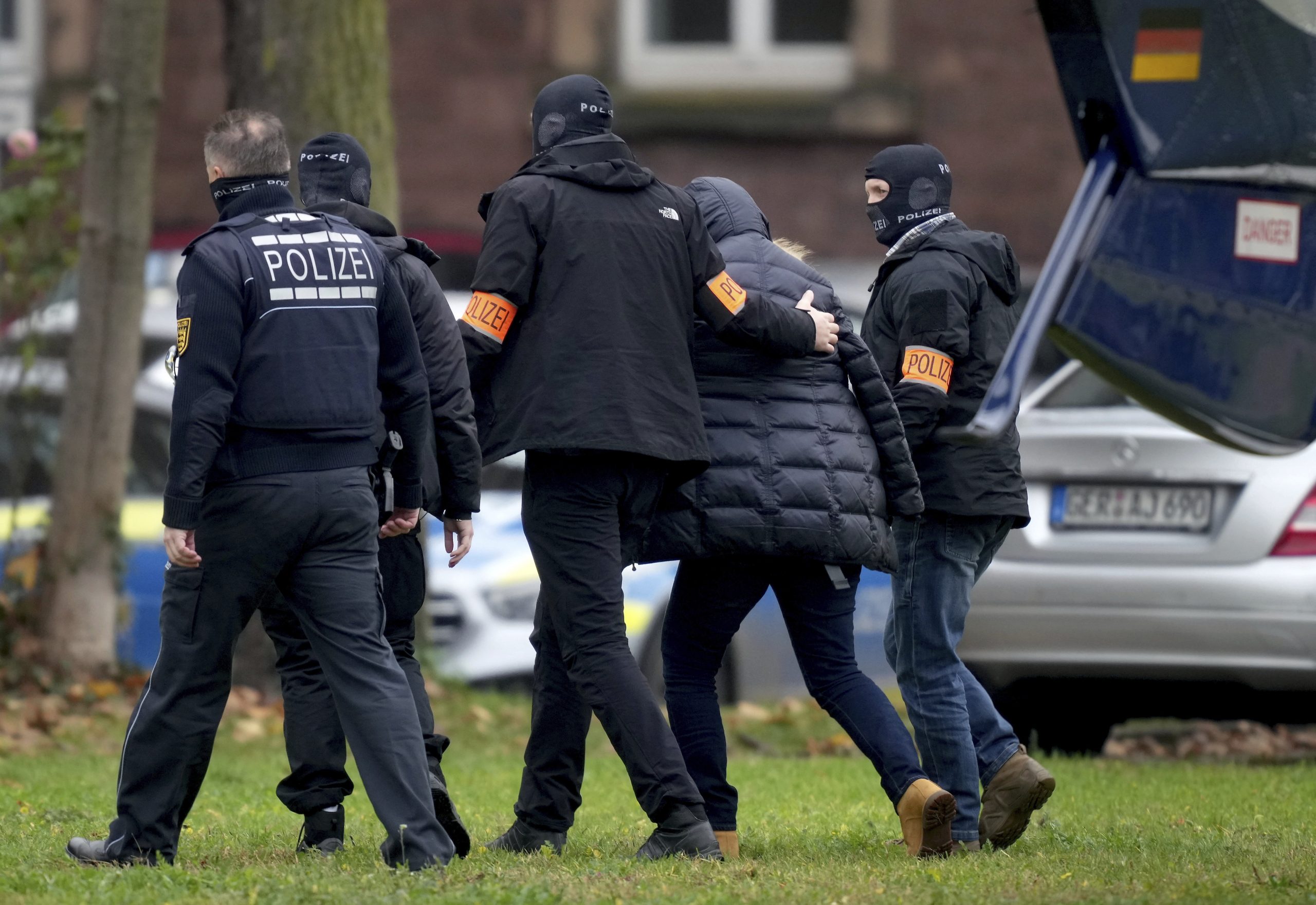
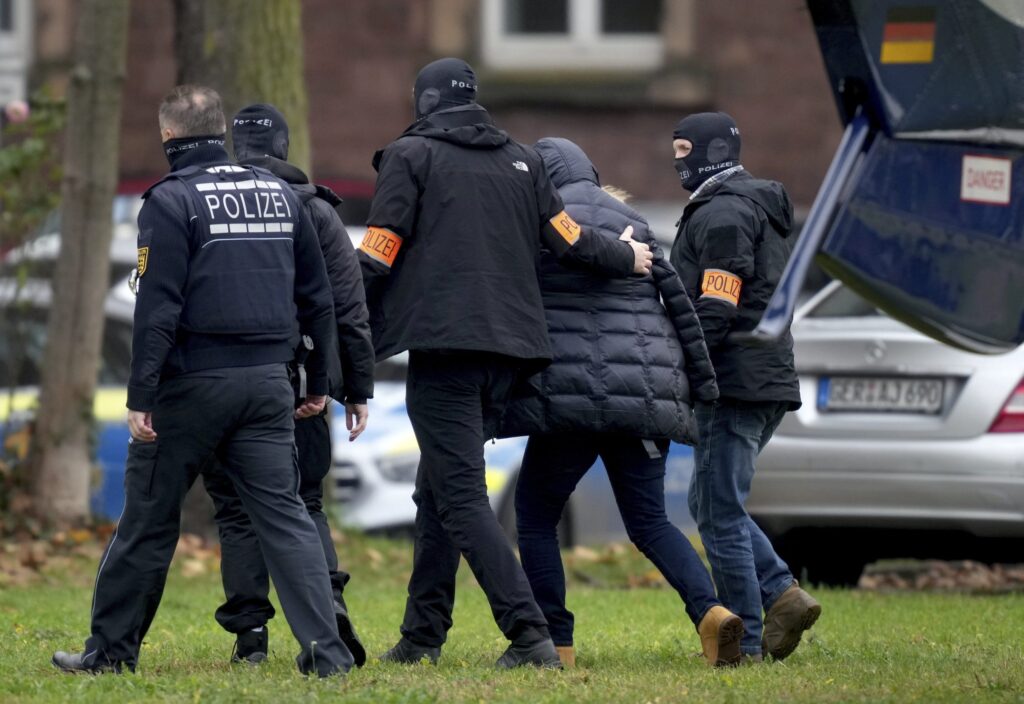
German authorities arrested eight suspected members of a far-right militant organization Tuesday, including several minors and adolescents, in a sweeping operation targeting an alleged plot to overthrow regional governments in eastern Germany.

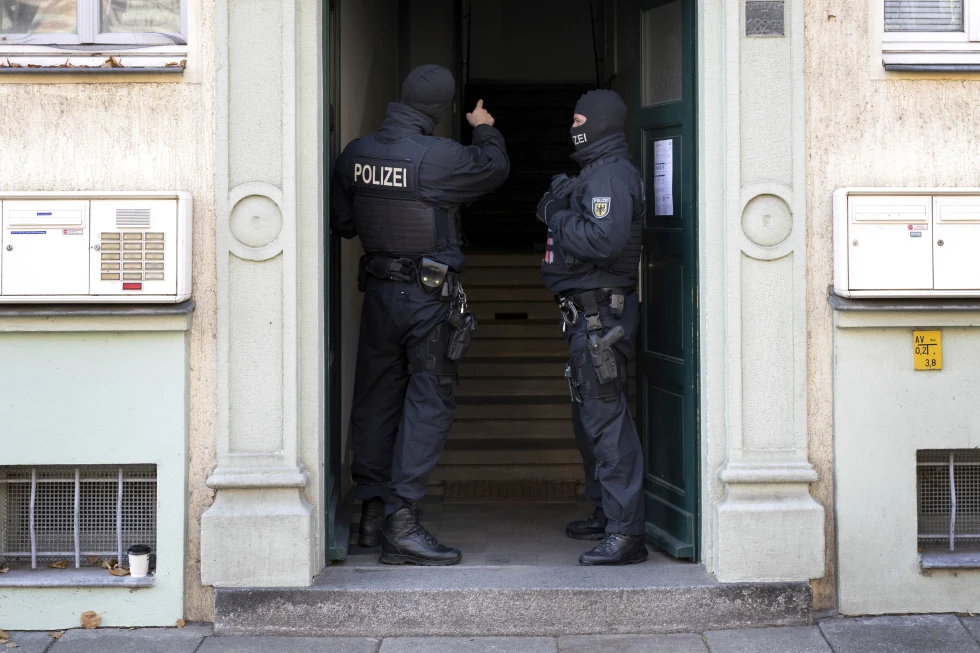
The suspects belonged to the Sächsische Separatisten (Saxonian Separatists), a group of 15-20 individuals characterized by racist, antisemitic, and apocalyptic ideologies, according to Germany’s public prosecutor. More than 450 police officers and special forces conducted raids across 20 locations in Saxony, with the alleged ringleader apprehended in Poland.

“Its members are united in a profound rejection of the liberal democratic order and believe that Germany is nearing ‘collapse,'” prosecutors said in a statement. The group allegedly planned to establish “governmental and societal structures inspired by National Socialism” in Saxony and other eastern German states.

Justice Minister Marco Buschmann warned that the plot included plans for ethnic cleansing. “We must do everything we can to defend our liberal democracy against its enemies,” Buschmann said, noting that Germany’s constitutional state faces threats “from many sides.”

Founded in 2020, the group allegedly conducted regular paramilitary training in combat gear, practicing urban warfare and firearms handling. Prosecutors said members procured military equipment including camouflage fatigues, combat helmets, gas masks, and bullet-proof vests. Seven additional suspects were investigated but not detained in Tuesday’s raids.

The case highlights Germany’s ongoing struggle with far-right extremism. In 2022, authorities disrupted a similar plot by Reichsbuerger members who allegedly planned to storm parliament and negotiate a post-coup order with Russia. German security officials have long warned about the growing threat far-right extremists pose to the country’s democratic institutions.

“This latest operation demonstrates our commitment to confronting extremist threats before they can materialize,” said a senior security official. “The involvement of young people in such groups is particularly concerning and requires a comprehensive societal response.”

Boeing Workers Accept Contract, Ending Seven-Week Production Halt

0

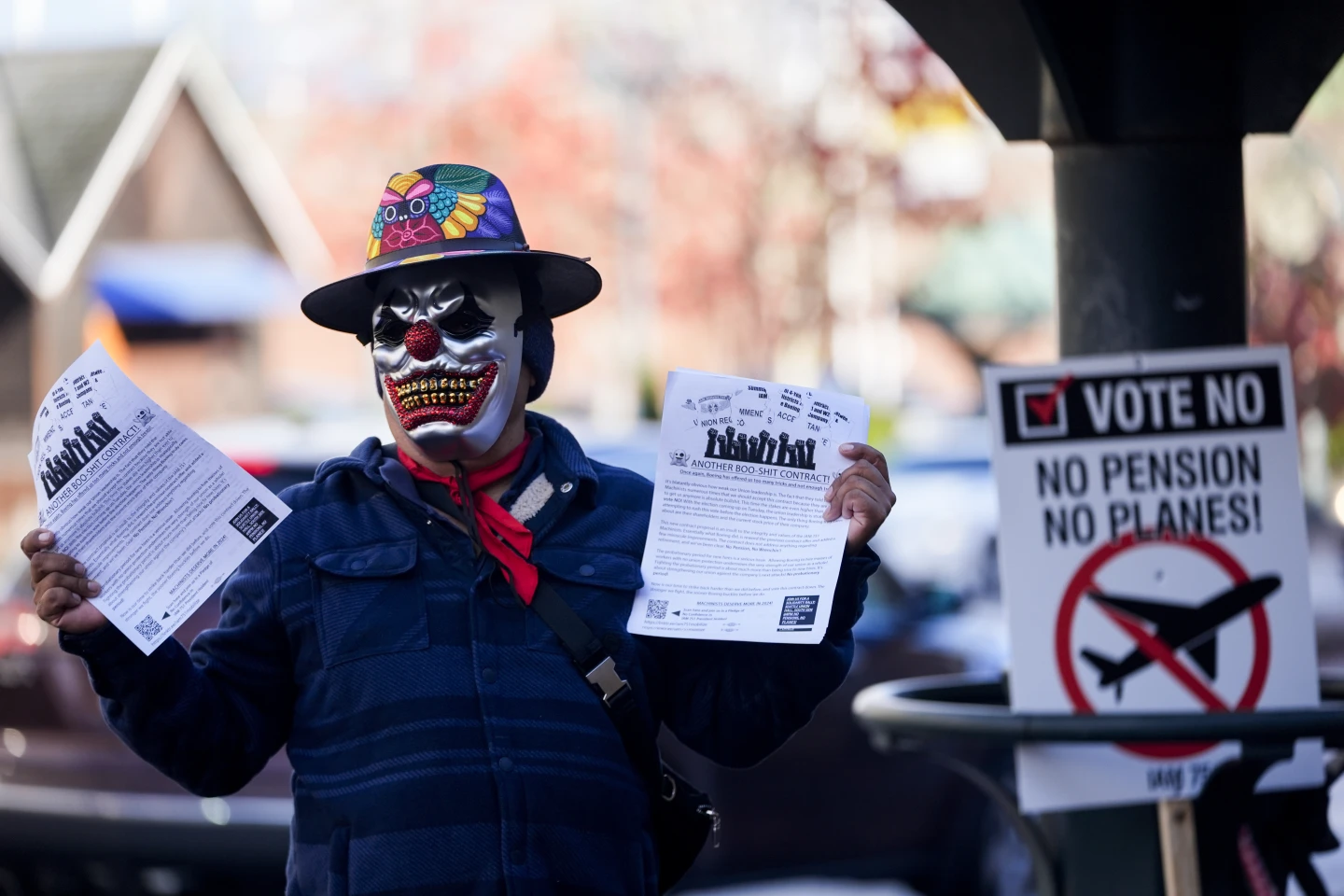
Boeing machinists voted Monday to accept a new contract and end their 53-day strike, with 59% of voting members approving the company’s latest offer that includes a 38% wage increase over four years, clearing the way for the aerospace giant to resume critical aircraft production.

The International Association of Machinists and Aerospace Workers district in Seattle endorsed the agreement, which provides immediate ratification and productivity bonuses, though Boeing held firm on refusing to restore pension benefits frozen nearly a decade ago.

“It’s time for us to come together. This is a victory,” said IAM District 751 President Jon Holden while announcing the results. “You stood strong and you stood tall and you won.”

The deal will raise average annual machinist pay from $75,608 to $119,309 over the contract term, according to Boeing. Workers can return as early as Wednesday or as late as November 12, though CEO Kelly Ortberg cautioned production restart might take “a couple of weeks” due to potential retraining needs.

Worker reaction to the agreement proved mixed. Seattle-based calibration specialist Eep Bolaño, who voted for approval, characterized the outcome as “most certainly not a victory,” describing it as a pragmatic but frustrating choice. Conversely, William Gardiner, a 13-year Boeing veteran, celebrated the deal: “I’m extremely pumped over this vote. We didn’t fix everything — that’s OK. Overall, it’s a very positive contract.”

The strike’s resolution comes at a critical time for Boeing, which Bank of America estimated was losing approximately $50 million daily during the walkout. The company faces multiple challenges, including federal investigations following January’s Alaska Airlines door plug incident and production limits imposed by regulators concerned about manufacturing safety.

“While the past few months have been difficult for all of us, we are all part of the same team,” Ortberg said in a message to employees. “We will only move forward by listening and working together. There is much work ahead to return to the excellence that made Boeing an iconic company.”

President Joe Biden congratulated both parties, praising the agreement as supporting workplace fairness and retirement dignity while securing Boeing’s future in America’s aerospace sector. Acting Labor Secretary Julie Su had intervened several times in negotiations, including during the final offer.

The strike began September 13 when workers overwhelmingly rejected a 25% raise offer with 94.6% opposing. A second proposal offering 35% increases was defeated October 23, the same day Boeing reported a $6 billion quarterly loss.

This labor dispute marked Boeing’s first machinist strike since 2008’s eight-week walkout. The current agreement follows a turbulent period for Boeing, including the 737 Max crisis that led to leadership changes and a July agreement to plead guilty to fraud charges related to the aircraft’s certification.

Washington Governor Jay Inslee welcomed the resolution, stating: “Washington is home to the world’s most skilled aerospace workers, and they understandably took a stand for the respect and compensation they deserve.”

The contract’s ratification allows Boeing to restart Pacific Northwest assembly lines, though production at its nonunion South Carolina 787 facility remained unaffected throughout the strike.

Israeli Strike Kills 20 in Northern Gaza as Aid Remains Cut Off

0

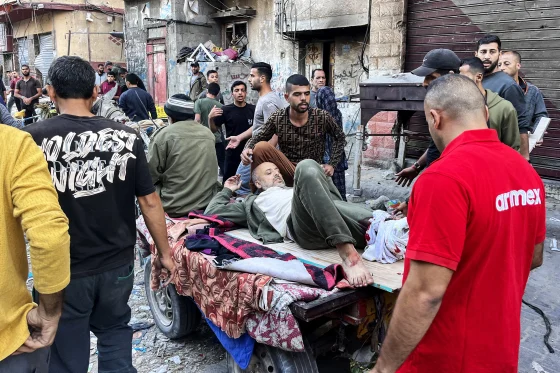
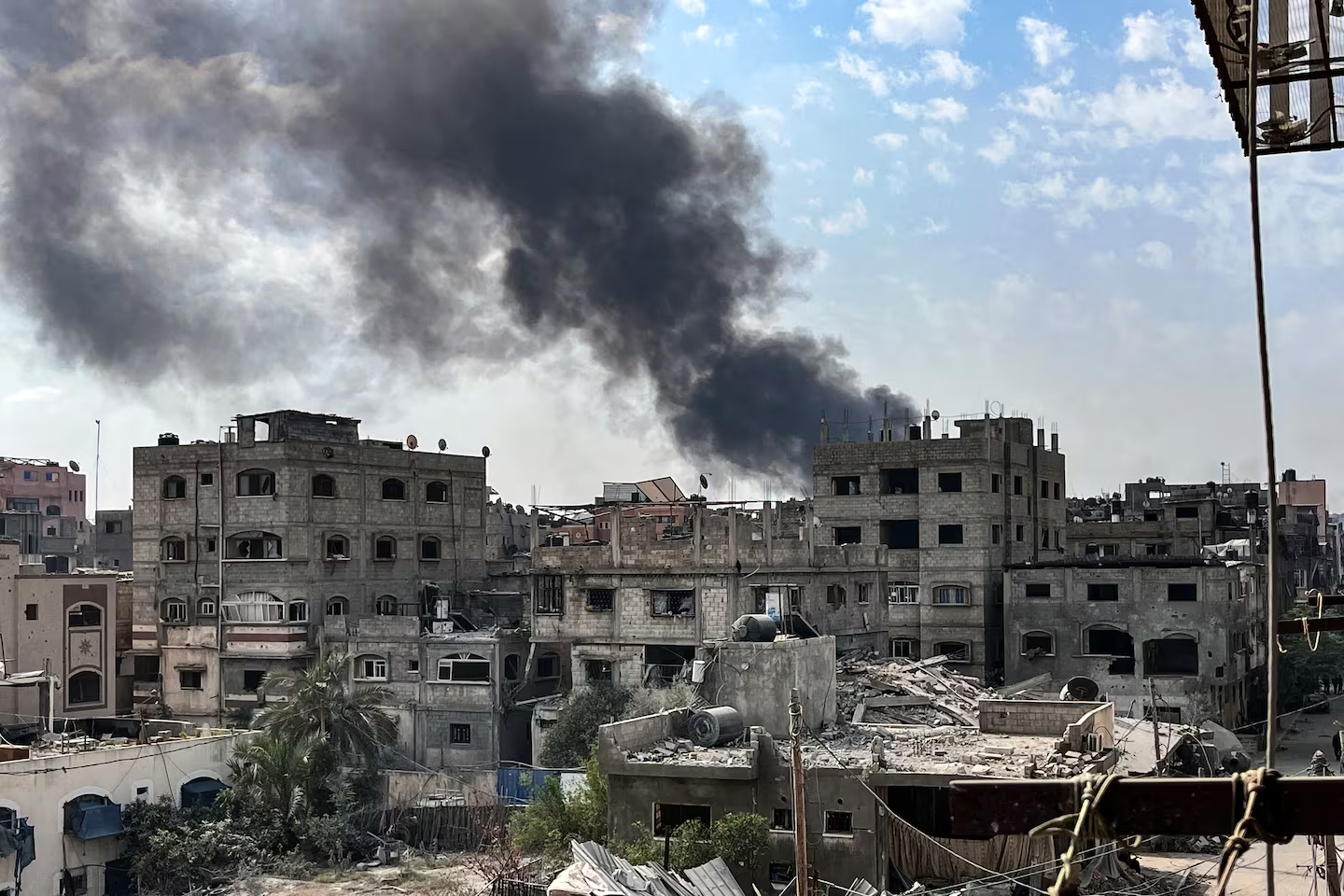
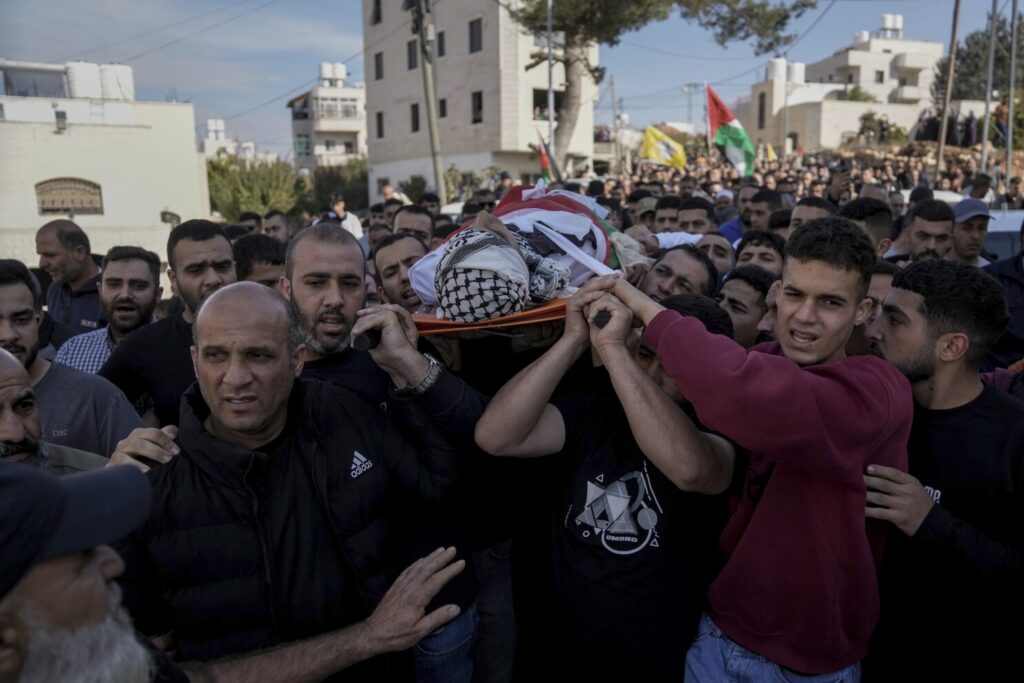
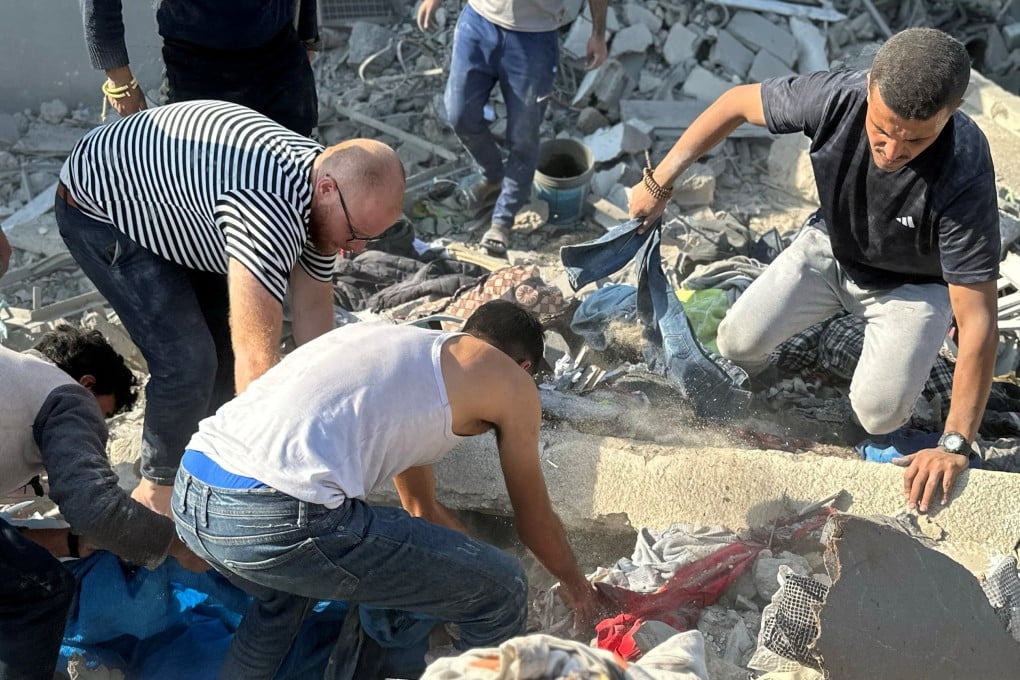
An Israeli airstrike killed at least 20 people, primarily women and children, in northern Gaza’s Beit Lahiya late Monday, Palestinian health officials reported, as Israel intensifies operations in a region already devastated by nearly a month of fighting.

The strike hit a home sheltering multiple displaced families, according to Dr. Hossam Abu Safiya, director of the recently raided Kamal Adwan Hospital. The Gaza Health Ministry’s emergency service reported eight women and six children among the dead. Separate strikes early Tuesday claimed an additional 10 lives across Gaza, including four children and two women.

Israeli military officials said they targeted “a weapons storage facility from which a militant had operated,” stating that “numerous steps were taken to mitigate the risk of harming civilians.” The military has ordered complete evacuation of Beit Lahiya, Beit Hanoun, and the Jabaliya refugee camp, while restricting humanitarian aid access for over a month.

The restrictions have drawn criticism from the Biden administration, which warned that U.S. laws might require curbing military aid to Israel if more humanitarian assistance isn’t permitted. The situation has forced tens of thousands to flee toward Gaza City, contributing to massive displacement within the territory, where approximately 90% of the 2.3 million residents have been forced to relocate during the conflict.

Medical services in northern Gaza have largely collapsed. The three hospitals serving the area remain mostly inaccessible due to fighting, and ambulance services have ceased operations. Israeli forces raided Kamal Adwan Hospital last month, alleging Hamas militants were using it for shelter — claims Palestinian health officials deny.

In Gaza City’s Tufah neighborhood, an airstrike killed two children and their parents, while a strike on a tent in Zuweida killed four people, including a mother and two children. In Deir al-Balah, an attack claimed two more lives, according to Palestinian officials.

The military campaign has intensified concerns among Palestinians about potential implementation of a “surrender-or-starve” strategy for northern Gaza, proposed by former Israeli generals. While Israeli military officials deny receiving such orders, the government hasn’t clarified its position on the plan.

The conflict, which began with Hamas’s October 7 attack that killed approximately 1,200 people in Israel and took 250 hostages, has resulted in over 43,000 Palestinian deaths, according to Gaza’s Health Ministry. The ministry reports that more than half of the casualties are women and children, though it doesn’t distinguish between civilians and combatants in its count.

About 100 hostages remain in Gaza, with roughly one-third believed to be deceased. The Israeli military maintains it targets only militants while acknowledging they operate in civilian areas, rarely commenting on individual strikes that result in civilian casualties.

At Least 10 Dead After Indonesian Volcano Erupts in Midnight Blast

0

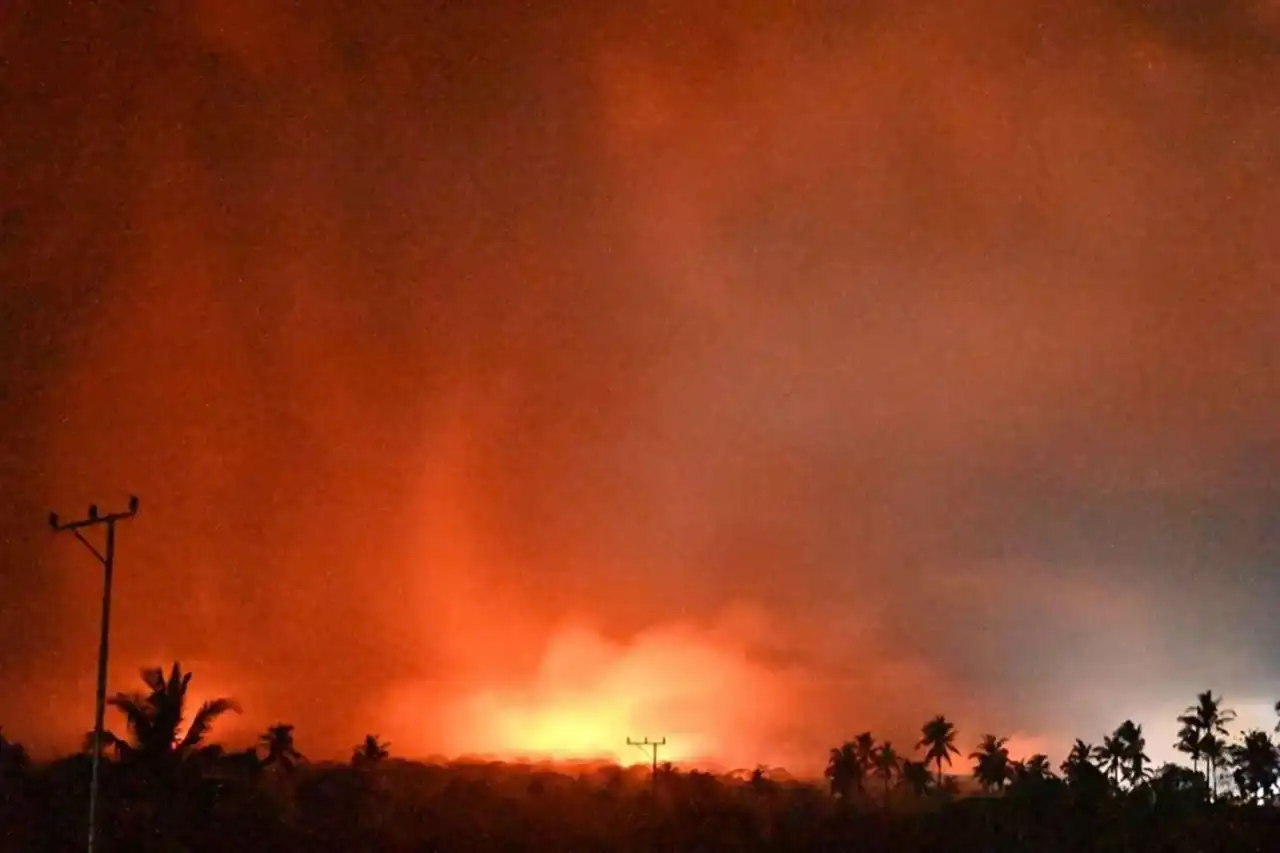
A powerful midnight eruption of Mount Lewotobi Laki-laki in Indonesia has killed at least 10 people and forced thousands to evacuate, as volcanic debris and hot ash ravaged several villages, officials reported Monday.

The volcano shot a thick column of brownish ash approximately 2,000 meters (6,500 feet) into the air, with hot ash and debris setting fire to homes, including a Catholic convent. Local official Heronimus Lamawuran confirmed the deaths and said the eruption had impacted seven villages within a 2.4-mile radius of the crater.

“Our nuns ran out in panic under a rain of volcanic ash in the darkness,” said Agusta Palma, head of the Saint Gabriel Foundation overseeing local convents. One nun was confirmed dead and another remains missing from the Hokeng village convent.

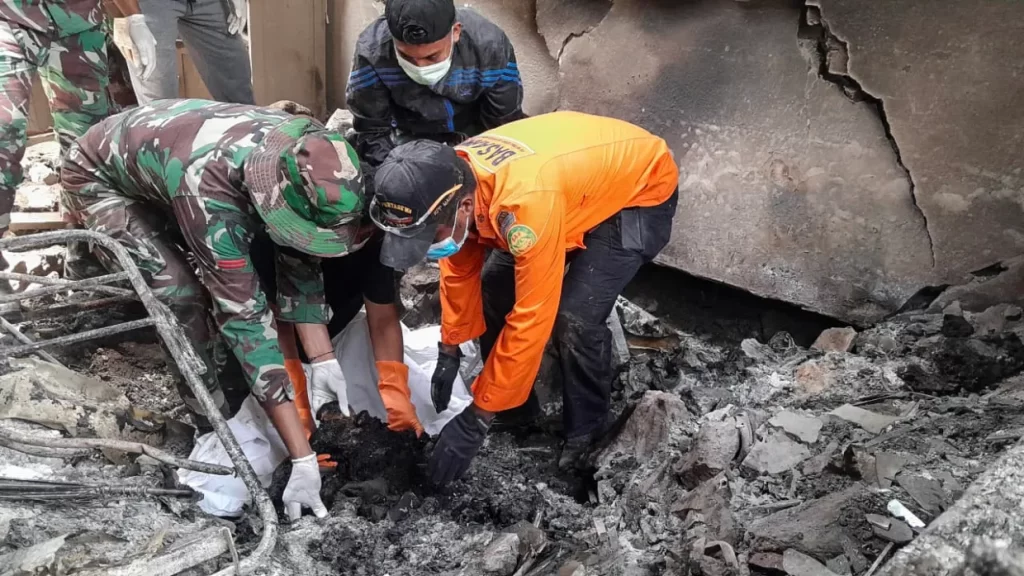
National Disaster Management Agency spokesperson Abdul Muhari said rescue teams continue searching for potential victims buried under collapsed structures. Among the confirmed casualties was a child, with all bodies discovered within 2.4 miles of the volcanic crater.

“After the eruption, there was power outage and then it was raining and big lightning which caused panic among residents,” said Hadi Wijaya, spokesperson for The Center of Volcanology and Geological Hazard Mitigation (PVMBG). The agency raised the volcano’s status to its highest alert level and ordered evacuation within a four-mile radius.

Local authorities declared a 58-day state of emergency to facilitate central government aid for approximately 10,000 affected residents. Officials are still tallying the number of evacuees as people relocate to villages about 13 miles from the crater. The nearby Maumere airport has temporarily suspended operations.

The eruption marks Indonesia’s second volcanic event in recent weeks, following the October 27 eruption of Mount Marapi in West Sumatra. Indonesia, home to 120 active volcanoes, sits along the “Pacific Ring of Fire,” a region of intense seismic activity where multiple tectonic plates meet.

This latest disaster follows a series of volcanic events in Indonesia this year, including May eruptions at Mount Ibu on Halmahera island and Mount Ruang in North Sulawesi, the latter forcing more than 12,000 people to evacuate. Earlier this year, flash floods and cold lava flows from Mount Marapi claimed over 60 lives.