Home Blog Page 65

Austin Bar Massacre Suspect Identified as Senegalese Immigrant With Criminal History Spanning Two Decades

The assailant behind Sunday’s deadly mass shooting at a crowded Austin bar has been identified as Ndiaga Diagne, a 53-year-old Senegalese immigrant with a two-decade criminal history spanning New York and Texas, as federal investigators examine potential terrorism connections including the gunman’s religious attire and possible motivations tied to escalating U.S.-Iran military conflict.

Diagne arrived in the United States on March 13, 2000, entering on a B-2 tourist visa during the Clinton administration before establishing permanent legal residency in June 2006 when he married an American citizen, a source familiar with his immigration history told The Post. He subsequently obtained naturalized U.S. citizenship on April 5, 2013, during the early months of former President Barack Obama’s second term—despite accumulating arrests in multiple jurisdictions that apparently failed to derail his path to citizenship.

The gunman wore a “Property of Allah” hoodie during Sunday’s rampage and possessed a Quran in his vehicle, according to law enforcement sources familiar with the investigation. He was also possibly wearing an undershirt featuring the Iranian flag or other Iranian symbols when he opened fire on Buford’s Backyard Beer Garden near the University of Texas-Austin campus, raising questions about whether the attack represented retaliation for ongoing U.S. military operations against Iran.

“Obviously it’s still way too early in the process to determine the exact motivation but there were indicators on the subject and in his vehicle that indicate potential nexus to terrorism,” Alex Doran, acting Special Agent in charge of the FBI’s San Antonio office, told journalists at a press conference following the shooting.

The violence erupted approximately 2 a.m. Sunday—closing time for the popular nightspot—as hundreds of patrons were departing to head home following an evening of socializing in Austin’s entertainment district. Witnesses reported that Diagne’s large SUV was observed circling the block multiple times before he stopped directly in front of the bar and commenced firing through his front window with a pistol, striking patrons gathered on the establishment’s front patio.

Austin Police Chief Lisa Davis confirmed that after the initial gunfire from his vehicle, Diagne parked his SUV, exited, and began shooting at pedestrians walking along the street in what appeared to be indiscriminate targeting of civilians in the densely populated area near the university campus.

Police officers confronted the shooter within less than one minute of the first gunshot at an intersection on 6th Street—Austin’s famous entertainment corridor—and engaged him with gunfire, authorities confirmed. The rapid police response likely prevented additional casualties as hundreds of people remained in the immediate vicinity when shooting commenced.

Two victims and the shooter died at the scene from gunshot wounds. Emergency responders transported 14 additional patients to nearby hospitals, with three initially listed in critical condition. The swift medical response and proximity to major trauma centers likely saved lives among the severely wounded.

“Our hearts go out to the people that are victims of this and I want to reiterate my thanks to our public safety officers and officials that so rapidly were on the scene, they definitely saved lives,” Austin Mayor Kirk Watson declared in a statement acknowledging both the tragedy and the effective emergency response that limited casualties.

Texas Governor Greg Abbott issued a forceful statement connecting the attack to broader regional tensions and warning against additional violence targeting Texans or critical infrastructure. “This act of violence will not define us, nor will it shake the resolve of Texans. To anyone who thinks about using the current conflict in the Middle East to threaten Texans or our critical infrastructure, understand this clearly: Texas will respond with decisive and overwhelming force to protect our state,” Abbott proclaimed.

The governor’s explicit reference to Middle Eastern conflict suggested that state authorities were seriously considering whether Diagne’s attack constituted terrorism motivated by U.S. military operations against Iran that have dominated international headlines in recent days. The timing—occurring as American forces continue bombing Iranian targets—provided circumstantial context potentially supporting terrorism hypotheses.

Diagne’s immigration and criminal history revealed a troubling pattern of legal violations that apparently failed to trigger deportation or prevent his naturalization. In New York City, he accumulated arrests between 2001 and 2016, beginning with an illegal vending charge in 2001—just over one year after his arrival in the United States on a tourist visa.

Three additional New York City arrests were sealed, preventing public disclosure of the charges or outcomes, law enforcement sources confirmed. The sealed records raise questions about what offenses Diagne committed and why they remained confidential despite his subsequent naturalization as a U.S. citizen—a process that typically involves background checks examining criminal history.

Diagne also faced arrest in Texas on undisclosed charges at some point during his residency in that state, sources indicated. Details regarding the nature of those Texas arrests, when they occurred, or how they were resolved remained unclear as investigators worked to reconstruct his background and identify potential warning signs that might have been missed.

Sources revealed that Diagne was recognized as an emotionally disturbed person in both New York and Texas—a designation typically indicating encounters with law enforcement or mental health professionals involving behavioral concerns. The classification raises questions about whether mental health interventions were attempted and whether authorities adequately tracked an individual known to experience psychological disturbances.

In a puzzling twist, Diagne applied for asylum in 2016—sixteen years after his initial entry to the United States and three years after obtaining citizenship. The outcome of that asylum application and the stated reasons for seeking protected status remained unclear, though the timeline suggested possible complications in his personal circumstances or immigration status that investigators would need to unravel.

The serial offender’s decision to target Buford’s Backyard Beer Garden—a popular establishment frequented by University of Texas students and young professionals—appeared calculated to maximize casualties among civilians enjoying weekend nightlife. The 2 a.m. timing coincided with bar closing when large crowds would be concentrated outside the venue, providing a target-rich environment for someone seeking to inflict mass casualties.

The FBI’s involvement signaled federal authorities’ assessment that the attack potentially constituted domestic terrorism rather than merely criminal violence. The presence of religious texts and imagery, combined with the geopolitical context of intensifying U.S.-Iran conflict, provided sufficient indicators to warrant terrorism investigation under federal statutes addressing ideologically motivated violence.

However, investigators cautioned against premature conclusions about Diagne’s motivations. Mass shootings frequently involve complex combinations of personal grievances, mental health crises, ideological influences, and opportunistic targeting that resist simple explanations. Whether Diagne acted primarily from religious extremism, political motivations related to Iran, personal psychological disturbance, or some combination remained subject to ongoing investigation.

The Austin shooting represented the latest in a series of mass casualty incidents that have plagued American communities with devastating regularity. The attack’s potential terrorism dimension added layers of complexity to debates about immigration screening, criminal justice responses to repeat offenders, mental health intervention systems, and counterterrorism strategies addressing domestic threats.

For Austin residents and University of Texas students who frequent the 6th Street entertainment district, the violence shattered assumptions about safety in familiar environments. The randomness of the attack—targeting people simply enjoying weekend social activities—amplified psychological impacts as survivors and community members grappled with vulnerability in spaces previously considered secure.

As FBI agents continued processing evidence from Diagne’s vehicle and reconstructing his movements prior to the attack, federal prosecutors prepared to examine whether additional individuals provided support, encouragement, or resources that facilitated the violence. Terrorism investigations typically explore networks and connections beyond lone perpetrators to identify potential conspirators or enablers who might pose continuing threats.

The investigation also promised to scrutinize how Diagne—despite multiple arrests and designation as emotionally disturbed—navigated immigration and naturalization processes without triggering interventions that might have prevented tragedy. Immigration authorities and citizenship adjudicators would face questions about screening procedures, background check thoroughness, and whether existing systems adequately identify individuals whose criminal histories or behavioral patterns suggest elevated risks.

For victims’ families confronting sudden losses and survivors processing trauma from witnessing mass violence, Diagne’s background and potential motivations provided little comfort. Regardless of whether investigators ultimately classified the attack as terrorism, criminal rampage, or mentally ill violence, the human toll remained devastatingly real for Austin families whose lives were irrevocably shattered by gunfire on a Sunday morning.

As the investigation continued, Austin joined the grim roster of American communities forced to process mass shooting trauma while debating policy responses that might prevent future attacks. The potential terrorism dimension added urgency to conversations about domestic extremism, radicalization indicators, and the challenges of identifying and disrupting individuals who transition from harboring violent ideologies to executing deadly attacks against innocent civilians.

nypost

U.S. and Israeli Forces Intensify Iran Bombardment as Trump Signals Openness to Dialogue Following Khamenei’s Death

 American and Israeli forces pounded targets across Iran on Sunday, unleashing massive bombs on ballistic missile facilities and obliterating naval vessels as part of an intensifying military campaign following the assassination of Supreme Leader Ayatollah Ali Khamenei, while President Donald Trump signaled unexpected willingness to engage diplomatically with Tehran’s emerging leadership despite vowing vengeance for the first American casualties in the expanding conflict.

Blasts rattled windows throughout Iran and sent towering smoke plumes above Tehran as the relentless bombardment entered its second full day. Iranian authorities confirmed more than 200 people have perished since strikes commenced Saturday, killing Khamenei and numerous senior leaders in coordinated attacks that eliminated the theocratic regime’s top echelon in what Israeli military officials characterized as a meticulously planned operation exploiting a “golden opportunity” when key figures gathered simultaneously.

Iran vowed devastating retaliation, launching missiles at Israel and Gulf Arab states in counteroffensives that the U.S. military acknowledged resulted in three American service members’ deaths—the first known U.S. combat casualties from the conflict. Israeli emergency services confirmed strikes hit multiple locations including Jerusalem and a synagogue in the central town of Beit Shemesh, where nine people died and 28 sustained injuries, elevating Israel’s overall death toll to eleven. Eleven individuals remained missing following the Beit Shemesh attack, police disclosed.

However, the assaults on Iran demonstrated no indications of diminishing as American and Israeli forces targeted critical military, political, and intelligence installations in what appeared to constitute an expanding war carrying potential for prolonged conflict that could engulf the Middle East and destabilize it catastrophically. The strikes represented a startling display of military might for an American president who ascended to office championing an “America First” platform and pledging to avoid “forever wars.”

Trump issued a video statement posted to social media declaring the United States would “avenge” the fallen service members’ deaths and warning that “there will likely be more” killed before hostilities conclude. His acknowledgment of probable additional American casualties marked a sobering recognition that the military operation he authorized carried genuine risks extending beyond surgical precision strikes initially suggested.

Israel, which had committed to “nonstop” bombardment, announced it was escalating attacks, with 100 fighter jets simultaneously striking Tehran targets, Brigadier General Effie Defrin told journalists at a briefing. The targets encompassed buildings belonging to Iran’s air force, its missile command apparatus, and its internal security forces that violently suppressed anti-government demonstrations in January that left thousands dead.

The U.S. military confirmed that B-2 stealth bombers struck Iran’s ballistic missile installations with 2,000-pound munitions—among America’s most powerful conventional weapons designed to penetrate hardened underground facilities. Trump declared via social media that nine Iranian warships had been sunk and that the Iranian navy’s headquarters had been “largely destroyed,” conveying the comprehensive nature of military operations aimed at dismantling Iran’s conventional warfare capabilities.

Europe has predominantly remained distant from direct military involvement while pressing for diplomatic resolution, but in an indication that conflict could draw additional nations into combat, Britain, France, and Germany announced Sunday their readiness to cooperate with the United States to help neutralize Iran’s retaliatory strikes.

British Prime Minister Keir Starmer confirmed Britain would permit the United States to utilize its military bases for strikes against Iranian missile sites. The United Kingdom maintains strategically positioned bases on Cyprus and the Chagos Islands—a British archipelago in the Indian Ocean providing proximity to Middle Eastern theaters.

The weekend attacks constituted the second occasion in eight months that American and Israeli forces had combined against Iran. During the 12-day war last June, Israeli and American strikes substantially degraded Iran’s air defenses, military leadership, and nuclear program infrastructure. However, Khamenei’s assassination—ending his more than three-decade rule over Iran—creates a leadership vacuum dramatically increasing risks of regional instability whose consequences remain impossible to predict.

Trump, who one day earlier had encouraged Iranians to “take over” their government through popular uprising, signaled Sunday his openness to dialogue with Iran’s nascent leadership despite the ongoing bombardment.

“They want to talk, and I have agreed to talk, so I will be talking to them,” Trump told The Atlantic magazine, revealing that communication channels existed even as American warplanes continued dropping bombs on Iranian territory. The president’s simultaneous prosecution of military operations while entertaining diplomatic engagement illustrated the contradictory impulses characterizing his Iran strategy.

In a separate interview with the Daily Mail, Trump indicated the military campaign against Iran could persist for approximately four weeks, providing the first timeline for operations whose objectives and endpoints remained vaguely defined despite their catastrophic humanitarian and geopolitical consequences.

Iranian strikes reached far beyond American and Israeli targets, dragging Gulf cities that have long promoted themselves as regional safe havens into direct combat. The foreign ministers of Qatar, Saudi Arabia, the United Arab Emirates, Kuwait, Oman, and Bahrain declared Sunday that their nations retain “the legal right to respond and the right to self-defense” following Iranian strikes that hit hotels, airports, and additional sites throughout multiple Gulf capitals.

In the United Arab Emirates, authorities confirmed that most Iranian missiles and drones were intercepted by sophisticated air defense systems. However, some projectiles penetrated defenses or fell as debris, killing three people, injuring others, and causing substantial damage to civilian infrastructure in cities marketed globally as secure environments for business and tourism.

Bahrain and Kuwait reported that Iranian strikes within both countries hit civilian targets rather than exclusively military installations, contradicting Tehran’s claims of limiting retaliation to American bases and exposing Gulf populations to combat effects their governments had desperately sought to avoid.

Israel launched a barrage of strikes against Lebanon’s capital Beirut early Monday after the Lebanese militant organization Hezbollah fired missiles across the border—the first time in more than one year that Hezbollah has claimed strikes against Israel. The Israeli military confirmed intercepting a projectile that crossed the border while several others fell in unpopulated areas without causing injuries or damage.

Hezbollah declared in a statement that the strikes constituted retaliation for Khamenei’s assassination and for “repeated Israeli aggressions,” signaling that Iran’s principal Lebanese proxy was entering the conflict despite warnings from Western diplomats that Hezbollah involvement could trigger devastating Israeli retaliation against Lebanon.

In Tehran, little evidence emerged suggesting Iranians had heeded Trump’s exhortations for popular uprising against the government. Streets remained largely deserted as residents sheltered during airstrikes, witnesses told The Associated Press while speaking anonymously for fear of retribution. The paramilitary Basij forces—which played central roles crushing protests—established checkpoints throughout the city, they confirmed.

Two powerful explosions echoed through Tehran’s affluent Niavaran neighborhood late Sunday. An eyewitness in the city told AP that their apartment windows shook violently, and residents evacuated onto streets fearing remaining indoors posed greater danger. Video footage from Tehran showed smoke plumes filling the skyline, and the official IRNA news agency confirmed that portions of the Islamic Republic of Iran Broadcasting building were struck Sunday.

In southern Iran, at least 165 people perished Saturday when a girls’ school was struck, with dozens more wounded, IRNA conveyed. The Israeli military stated it lacked awareness of strikes in that area, while the U.S. military indicated it was investigating the reports—suggesting possible targeting errors or intelligence failures that produced mass civilian casualties at an educational facility.

As supreme leader since 1989, Khamenei maintained final authority over all major policies, leading Iran’s clerical establishment and the Revolutionary Guard—the two primary power centers within the governing theocracy. His elimination creates unprecedented uncertainty about succession processes and whether Iran’s complex political system can maintain cohesion amid external military assault.

The CIA had been tracking movements of senior Iranian leaders including Khamenei for months, according to a person familiar with operations who was not authorized to comment publicly and spoke on condition of anonymity. Intelligence was shared with Israeli officials, and strike timing was adjusted partially based on that information, the source revealed.

Iranian President Masoud Pezeshkian announced in a prerecorded message that a new leadership council had commenced work. The country’s foreign minister, Abbas Araghchi, indicated a new supreme leader would be selected within “one or two days,” though the process for choosing Khamenei’s successor amid ongoing bombardment remained unclear.

Araghchi wrote Sunday in correspondence to the United Nations that attacks on Iran by the United States and Israel—including the strike assassinating Khamenei—”recklessly open a dangerous Pandora’s box, eroding the bedrock of sovereign equality and the stability of the international system.” His letter argued that targeting heads of state violated fundamental international law principles and established precedents that could return to haunt Western powers.

As word circulated regarding Khamenei’s death, some Tehran residents could be observed cheering from rooftops, witnesses confirmed. Others mourned as a black flag was raised over the Imam Reza shrine in Mashhad—Iran’s holiest site—symbolizing grief in Shia tradition.

An Iranian medical professional in northern Iran conveyed that he and colleagues spent early Sunday hours celebrating Khamenei’s death indoors because armed security forces remained heavily deployed throughout his city. Forces were stopping and interrogating people celebrating in vehicles, though no gunfire had erupted, said the doctor who spoke anonymously fearing reprisal.

“It was one of the best nights, if not the best night of our lives,” the physician said in a voice message from the city of Rasht. “It was actually my first time ever smoking a cigarette. It was a very, very nice time. We didn’t sleep at all. And we don’t even feel tired.”

The sharply divided reactions within Iran exposed profound fault lines in a nation traumatized by thousands killed during the January crackdown that Khamenei authorized against anti-government protests—the deadliest unrest wave since the 1979 Islamic Revolution. For many Iranians who experienced decades of repression under his rule, Khamenei’s death represented liberation regardless of the chaotic circumstances surrounding it.

Araghchi blamed the United States and Israel for initiating warfare. He indicated he had spoken with counterparts in Gulf countries and urged them to pressure Washington and Jerusalem to terminate military operations before additional casualties accumulated and regional stability deteriorated beyond recovery.

“You have crossed our red line and must pay the price,” Iran’s parliamentary speaker Mohammad Bagher Qalibaf declared in a televised address. “We will deliver such devastating blows that you yourselves will be driven to beg.” The inflammatory rhetoric reflected Iranian leadership’s determination to project strength despite catastrophic losses and vulnerability exposed by successful enemy strikes against the most protected targets.

Trump warned via social media against additional Iranian retaliation, writing “IF THEY DO, WE WILL HIT THEM WITH A FORCE THAT HAS NEVER BEEN SEEN BEFORE!”—his characteristic bombastic threat style amplified by capital letters suggesting both genuine anger and calculated intimidation.

An Israeli military official described Saturday’s mission against Iranian leadership as the result of months of “extremely high coordination” with the United States. The official, speaking anonymously to discuss covert operations, explained that various factors created a “golden opportunity” including weeks of training and monitoring senior figures’ movements combined with “real time intelligence” that targets had gathered together.

The results, the official revealed, were near-simultaneous strikes within 60 seconds of one another at three locations 1,000 miles from Israel that killed Khamenei and approximately 40 senior figures including the Revolutionary Guard commander and Iran’s defense minister—a decapitation strike virtually eliminating the theocratic regime’s top leadership tier in minutes.

According to Reuters, Israel launched renewed waves of strikes on Tehran on Sunday while Iran responded with additional missile barrages, plunging the Middle East and global economy into deepening uncertainty. U.S. and Israeli strikes—combined with Iranian retaliation—sent shockwaves worldwide through sectors from shipping to air travel to petroleum markets, amid warnings of escalating energy costs and business disruption throughout the Gulf region.

U.S. Central Command confirmed hitting more than 1,000 Iranian targets since the campaign’s commencement. Trump declared via video statement posted to Truth Social that military strikes would continue until “all our objectives are achieved,” though he never precisely defined those objectives beyond vague references to preventing nuclear weapons development and eliminating threats.

Trump instructed Iranian military and police to lay down arms, promising immunity for those surrendering while threatening “certain death” for those resisting. He reiterated calls for Iranian populations to revolt against the government. “I call upon all Iranian patriots who yearn for freedom to seize this moment, to be brave, be bold, be heroic and take back your country,” Trump declared in the prerecorded video. “America is with you.”

With the vital Strait of Hormuz closed and Gulf cities of Dubai, Abu Dhabi, and Doha under bombardment, the scale of risk Trump accepted by attacking Iran months before U.S. midterm elections determining congressional control was becoming unmistakable. Only approximately one-quarter of Americans approved of the operation according to a Reuters/Ipsos poll conducted Sunday, suggesting significant domestic political vulnerability.

If Hormuz—the passage for roughly 20 percent of global oil supplies—remains closed beyond several days, American consumers will experience pressure on gasoline prices, creating political liabilities for Republicans defending congressional seats in November elections.

The Israeli military announced late Sunday that its air force had established aerial superiority over Tehran, and that strike waves across the capital had targeted intelligence, security, and military command centers. An Israeli official confirmed that Israel’s present focus involves undermining the Iranian government so thoroughly that it collapses, adding that Israel “is acting in its own ways” to encourage Iranians taking to the streets.

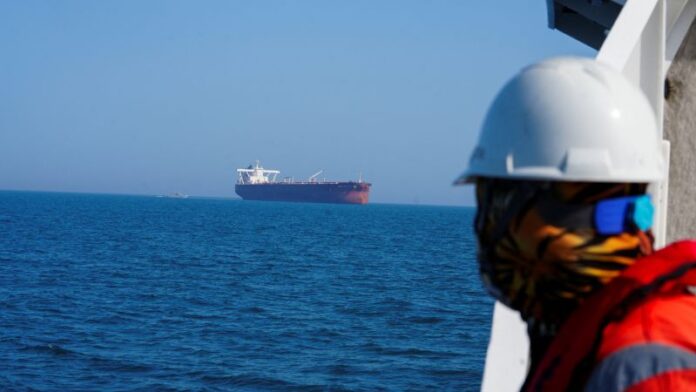
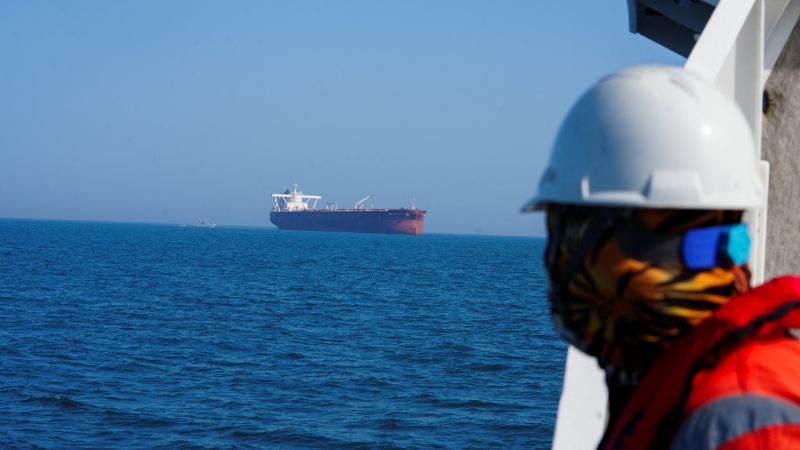
Iran’s Revolutionary Guards claimed Sunday they had hit three U.S. and UK oil tankers in the Gulf and Strait of Hormuz, and attacked military bases in Kuwait and Bahrain with drones and missiles. Shipping data showed hundreds of vessels including oil and gas tankers dropping anchor in nearby waters as traders anticipated sharp crude oil price jumps Monday morning when markets opened.

Global air travel sustained heavy disruption as continued airstrikes kept closed major Middle Eastern airports including Dubai—the world’s busiest international hub—in one of the most significant aviation interruptions in recent years. Airlines canceled thousands of flights, stranding passengers and severing commercial connections that sustain the region’s service-based economies.

Russian President Vladimir Putin denounced Khamenei’s death as cynical murder while Chinese Foreign Minister Wang Yi characterized it as “blatant killing,” signaling that major powers viewed the assassination as dangerous precedent that could legitimize targeting their own leaders in future conflicts.

Inside Iran, facing its gravest existential challenge since the 1980-88 war with Iraq, the hastily assembled leadership council struggled to project authority while managing military operations, succession politics, and popular unrest simultaneously—a nearly impossible combination that raised prospects of state collapse whose regional consequences remained terrifyingly unpredictable.

AP/Reuters

3 U.S. Troops Killed, 5 Seriously Wounded in Escalating Iran Conflict, Pentagon Says

Three American service members have been killed and five others seriously wounded during ongoing U.S. military operations against Iran, U.S. Central Command said Sunday, marking the first confirmed American combat deaths in the rapidly expanding conflict.

In a statement posted on X, Central Command said additional troops sustained minor shrapnel injuries and concussions and are being treated and prepared to return to duty.

“Major combat operations continue and our response effort is ongoing,” the command said, adding that the situation remains fluid. Officials declined to release the identities of the fallen service members, saying notification of next of kin must be completed before further details are disclosed.

The announcement came on the second day of intensified U.S. and Israeli strikes on Iranian targets ordered by President Donald Trump, including operations that Iranian state media say killed Supreme Leader Ayatollah Ali Khamenei.

The deaths represent the first American combat-related fatalities since Trump returned to office and authorized major operations against Iran. Previous U.S. strikes in the region over the past year did not result in American casualties.

Trump had warned Saturday that losses were possible.

“My administration has taken every possible step to minimize the risk to U.S. personnel in the region,” Trump said in remarks shortly after the strikes began. “Even so … the lives of courageous American heroes may be lost, and we may have casualties. That often happens in war.”

The Pentagon has not disclosed where the troops were killed or the precise circumstances of the attack. Iranian forces have launched waves of missiles and drones targeting U.S. bases and allied facilities across the Middle East in retaliation for the strikes on Iranian leadership and military infrastructure.

Iran’s Revolutionary Guard said it carried out coordinated attacks on U.S. military installations throughout the region. Explosions were reported near bases and infrastructure in several Gulf nations, including Qatar, Bahrain, Kuwait and the United Arab Emirates.

Iranian state media claimed that ballistic missiles targeted the USS Abraham Lincoln aircraft carrier. U.S. officials said the vessel was not struck and that the missiles did not come close to hitting it.

Black smoke was seen rising near Erbil International Airport in northern Iraq after an apparent strike near facilities used by U.S. forces, though officials have not confirmed the extent of damage.

Regional authorities reported intercepted missiles and drone attacks, with falling debris causing injuries and structural damage in some areas. An oil tanker off the coast of Oman was also reported hit amid the escalation.

The conflict has widened dramatically following the joint U.S.-Israeli strikes that Iranian media say killed Khamenei and other senior leaders. Iranian outlets also reported the death of former President Mahmoud Ahmadinejad in the strikes, though independent confirmation has been limited.

Trump has defended the military action as necessary to dismantle Iran’s leadership and military capabilities, saying the United States would respond forcefully to any retaliation.

“Iran just stated that they are going to hit very hard,” Trump wrote on social media Sunday. “We will respond with a force that has never been seen before.”

A U.S. official familiar with military planning said the operation is expected to continue for weeks, though the White House has not publicly outlined a timeline.

Central Command said combat operations remain underway and that efforts are continuing to protect U.S. personnel and assets in the region.

The Pentagon has not indicated whether additional troop deployments are planned.

The deaths of the three service members are likely to intensify scrutiny of the expanding military campaign and its long-term objectives. Lawmakers in Washington have begun calling for briefings on the scope of operations and the administration’s strategy moving forward.

For now, officials say the priority is stabilizing the situation and safeguarding American forces amid continued missile and drone attacks.

Nypost/Theindependent/Dailymail/Reuters

Austin Bar Shooting Leaves 3 Dead, 17 Wounded as Police Kill Gunman

At least three people were killed and 17 others were wounded early Sunday when a gunman opened fire outside a downtown Austin bar before being fatally shot by police, authorities said.

The shooting erupted just before 2 a.m. near Buford’s bar on West Sixth Street, one of the city’s busiest nightlife corridors. Among the dead was the suspected shooter, who police said was killed after officers returned fire.

Austin Police Chief Lisa Davis said officers responding to reports of an active shooter encountered a man armed with a firearm outside the venue in the 600 block of Rio Grande Street.

“Three of our officers returned fire, killing the suspect,” Davis said at a Sunday morning news conference, calling the violence a “tragic, tragic incident.”

Authorities said 17 people were shot during the chaos. Austin-Travis County EMS Chief Rob Luckritz said 14 victims were transported to area hospitals, while three were pronounced dead at the scene. Of those hospitalized, three remained in critical condition as of Sunday morning. Officials indicated that all of the injured were expected to survive.

Police have not released the names of the victims or the suspect. Investigators have not yet said whether the gunman had any known connection to the bar or to those who were shot.

Davis said officers were already stationed in the Sixth Street entertainment district as part of routine weekend patrol operations when the shooting began, allowing for a swift response.

Paramedics arrived within 57 seconds of the first reports of gunfire, officials said.

Austin Mayor Kirk Watson credited the quick action of law enforcement and emergency responders with preventing further loss of life.

“I’m very thankful for the speed with which our public safety officials responded to this,” Watson said. “I don’t think there’s any question that it saved lives.”

Video shared on social media showed a heavy police presence flooding the area shortly after the shooting. Other clips appeared to capture terrified patrons crouching inside the bar as gunshots rang out, with additional shots audible as officers confronted the suspect.

Authorities said officers were still securing and processing the extensive crime scene hours after the incident. By 5:30 a.m., investigators continued collecting surveillance footage from nearby businesses and interviewing witnesses both inside and outside the venue.

Law enforcement officials familiar with the investigation said preliminary evidence indicates the suspect may have used both a handgun and an assault-style rifle. Police have not publicly confirmed those details.

The FBI has joined the Austin Police Department in the investigation. Authorities said the bureau’s Joint Terrorism Task Force is assisting based on evidence recovered at the scene, though officials have not indicated whether terrorism is suspected.

Investigators have not yet provided a detailed timeline of how the attack unfolded or whether the suspect acted alone.

The shooting occurred in the heart of Austin’s nightlife district, which routinely draws large crowds on weekends. West Sixth Street is known for its concentration of bars, live music venues and restaurants.

Officials said police and paramedics were deployed nearby as part of standard public safety measures for high-traffic evenings.

The area remained partially cordoned off Sunday morning as authorities continued examining shell casings and documenting the scene.

City leaders urged calm and asked anyone with video footage or additional information to contact investigators.

“This is a devastating morning for Austin,” Davis said. “We are committed to determining exactly what happened and ensuring accountability.”

The identities of those killed and injured are expected to be released after families are notified.

Dailymail/Statesman

Kenyan MP Johana Ng’eno Among Six Killed in Helicopter Crash in Nandi County, Kenya

A Kenyan member of parliament was among six people killed Saturday after a helicopter crashed and burst into flames shortly after takeoff in western Kenya, police said, in an accident that occurred amid poor weather conditions.

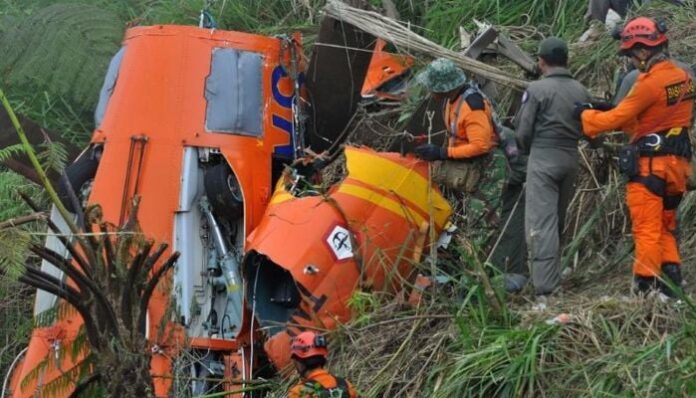
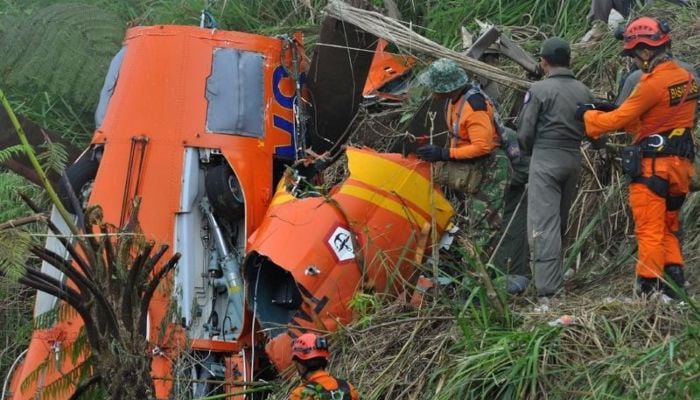
The aircraft went down in a hilly area on the edge of Chepkieb Forest in Mosop, Nandi County, at approximately 4:45 p.m., according to local authorities. All six people on board, including the pilot, died at the scene.

Police chief Samuel Mukuusi told The Associated Press that the helicopter had lifted off minutes earlier before it crashed and ignited. Among the victims was Johana Ng’eno, the lawmaker representing Emurua Dikirr constituency.

Mukuusi said investigators had launched an inquiry into the cause of the crash. Kenya’s Civil Aviation Authority had not issued a statement as of Sunday.

Witnesses in the area described deteriorating weather conditions, including heavy rainfall and poor visibility, around the time of the accident. Residents said the helicopter had earlier made an emergency landing at about 4 p.m. as conditions worsened. The pilot was seen speaking briefly with herders near a makeshift landing site while assessing the situation before attempting to take off again, according to accounts from locals.

The aircraft, which reportedly had departed from Endebess carrying five passengers, crashed moments after becoming airborne.

The remains of the six victims were transferred to the Moi Teaching and Referral Hospital (MTRH) morgue in Eldoret County.

MTRH Chief Executive Officer Dr. Philip Kirwa confirmed the hospital had received the bodies. He said they were severely burned and urged families to remain patient as forensic teams work to complete identification and preparation procedures.

Leaders from across the North Rift region gathered at the hospital to mourn and to call for calm as authorities began investigating the incident.

Nandi County Senator Samson Cherargei appealed to the public to avoid speculation about the cause of the crash and urged pilots to exercise heightened caution during the ongoing rainy season.

Parliament Speaker Moses Wetang’ula praised Ng’eno as a “devoted legislator and a committed servant of the people.”

Ng’eno, 54, was serving his third term in parliament and had secured re-election in 2022 under the ruling party. He was widely regarded as an outspoken representative of his constituency.

President William Ruto described the late lawmaker as focused and fearless, saying he consistently advocated for justice and equitable development. Ruto noted that Ng’eno would be remembered for development initiatives in Emurua Dikirr and for championing local talent, particularly in the music sector.

“My friend, Mheshimiwa Ng’eno, was a progressive and devoted servant of the people who worked tirelessly on behalf of the residents of Emurua Dikirr, Narok County,” the president said.

Deputy President Kindiki also issued a statement mourning Ng’eno, referring to him as a courageous leader and loyal member of the ruling party.

“My prayers go to the family and constituents of my dear friend Johana Ng’eno following his demise in a tragic helicopter crash earlier this evening,” Kindiki said.

Narok Governor Patrick Ole Ntutu said he had spoken with Ng’eno earlier in the day. According to Ntutu, the lawmaker mentioned he was heading out and that they planned to meet later. The governor called on residents to remain calm and expressed confidence that investigators would determine what led to the crash.

Governors Jonathan Bii of Uasin Gishu, Wesley Rotich of Elgeyo Marakwet, and Stephen Sang of Nandi County also conveyed condolences to the victims’ families and communities.

The crash occurred during Kenya’s rainy season, when aviation experts often warn of heightened risks due to reduced visibility and unstable atmospheric conditions.

Residents near Chepkieb Forest said thick clouds and steady rainfall had limited visibility in the area Saturday afternoon. While officials have not confirmed weather as the definitive cause, authorities acknowledged that conditions were unfavorable at the time of the attempted departure.

Kenya has experienced several aviation accidents in recent years, often linked to weather challenges and difficult terrain, particularly in rural and highland regions.

Investigators are expected to examine flight records, maintenance logs and meteorological data as part of the probe. Aviation specialists typically assess pilot decision-making, aircraft condition and environmental factors when determining the cause of such incidents.

The deaths have sent shockwaves through Narok County and the broader North Rift region, where Ng’eno was a prominent political figure.

Local leaders at MTRH urged unity and patience as forensic teams carry out identification procedures. The hospital administration said further information would be released once the process is complete.

As families await answers, authorities emphasized that a comprehensive investigation is underway to establish what caused the helicopter to crash moments after takeoff.

AP/Citizen.digital

At Least 9 Shot at Cincinnati Music Venue as Police Swarm Riverfront Live

 At least nine people were wounded early Sunday when gunfire erupted during a live music event at a riverfront venue in Cincinnati, prompting a heavy police response and sending victims to nearby hospitals, authorities said.

The shooting occurred shortly before 1 a.m. at Riverfront Live, a concert and event space located in the 4300 block of Kellogg Avenue along the Ohio River in the city’s East End neighborhood.

Interim Cincinnati Police Chief Adam Hennie told ABC affiliate WCPO that all nine people injured sustained wounds described as non-life-threatening. Emergency crews transported victims to UC Medical Center and Good Samaritan Hospital for treatment. Police indicated they expect all of the injured to recover.

Officials have not yet released details about a suspect, possible arrests or what may have triggered the violence. Authorities also have not confirmed whether the shooting occurred inside the venue, outside in a parking area or in another section of the property.

Video clips circulating on social media showed flashing police lights and a significant law enforcement presence surrounding the venue in the hours after the shooting. Some unverified posts suggested a higher number of casualties, but police have not corroborated those claims.

Riverfront Live was hosting a late-night music event that began Saturday evening. Promotional material shared online ahead of the show advertised a party featuring multiple DJs starting at 10 p.m. DJ Fresh, an English electronic music artist, was listed among the scheduled performers.

An Instagram post from DJ Fresh indicated the venue was hosting a birthday celebration in conjunction with the event. Riverfront Live’s website describes the facility as a 16-and-over music venue with an indoor capacity of approximately 1,200 guests and the ability to accommodate up to 3,500 attendees in its outdoor areas.

The scale of attendance at the time of the shooting was not immediately disclosed.

Cincinnati police have not said whether the gunfire was targeted or random. Investigators were seen canvassing the area and interviewing witnesses in the early morning hours. Authorities urged anyone with information to come forward.

The shooting unfolded amid heightened public concern about gun violence at entertainment venues across the United States. Incidents at concerts, nightclubs and festivals have prompted increased scrutiny of security measures, including bag checks, metal detectors and the presence of off-duty officers.

Law enforcement agencies in Cincinnati have previously coordinated with venue operators for large-scale events along the Ohio River corridor, a popular destination for nightlife and seasonal gatherings.

Sunday’s violence rattled residents in the East End and raised fresh questions about safety at large public gatherings. The Riverfront Live complex sits near other recreational spaces and draws crowds from across the region, particularly during warmer months.

Although authorities emphasized that the injuries were not life-threatening, the psychological toll on attendees and staff may linger. Witnesses described scenes of confusion and panic as people scrambled for safety when shots rang out.

City officials have not yet announced whether additional security measures will be implemented at upcoming events.

Mass shootings at entertainment venues have become an alarming pattern in recent years, from nightclubs to outdoor concerts. Experts note that such settings present challenges for crowd management and rapid law enforcement response, particularly when events are crowded and alcohol is served.

Cincinnati has experienced episodic gun violence, though shootings at major music venues remain relatively uncommon. The fact that all victims are expected to survive may temper immediate fears, but the incident underscores ongoing concerns about firearms in public spaces.

As of Sunday afternoon, investigators had not released further updates. Police said more information would be shared as the investigation develops.

FinacialExpress

At Least 9 Dead After Protesters Storm U.S. Consulate in Karachi Over Killing of Iran’s Supreme Leader

(AP) — At least nine people were killed and about two dozen others wounded Sunday after hundreds of demonstrators tried to breach the U.S. Consulate in Pakistan’s largest city, authorities said, in unrest triggered by the killing of Iran’s Supreme Leader Ayatollah Ali Khamenei in joint U.S.-Israeli strikes.

Clashes erupted before dawn in Karachi when protesters, many identifying with Pakistan’s Shiite community, converged on the diplomatic compound on Mai Kolachi Road. Security forces responded with force after crowds hurled stones, torched a nearby police post and attempted to damage the outer security perimeter, senior police official Irfan Baloch said.

Hospital officials confirmed the mounting toll. Dr. Summaiya Syed Tariq, a police surgeon at Karachi’s main government hospital, said six bodies were initially brought to the facility. Three critically injured people later died of their wounds, raising the death toll to nine. At least 25 others were treated for injuries, several in critical condition, The Associated Press reported.

The violence followed confirmation from Iranian state media that Khamenei had been killed in airstrikes on Tehran. The United States and Israel have acknowledged carrying out coordinated operations targeting Iranian military and leadership sites. Khamenei’s death has sparked demonstrations across parts of the Muslim world.

The U.S. Embassy in Pakistan said in a message posted on X that it was monitoring reports of demonstrations near consulates in Karachi and Lahore and noted calls for additional protests outside the U.S. Embassy in Islamabad and the consulate in Peshawar. The embassy urged American citizens to remain vigilant, avoid large gatherings and keep travel registrations current.

Karachi, capital of southern Sindh province and home to more than 20 million people, saw streets around the consulate transformed into what witnesses described as a conflict zone. Dozens of young men, some with faces covered, threw stones at law enforcement officers and chanted slogans condemning Washington and Israel. Rangers and paramilitary forces were deployed in large numbers to secure the diplomatic enclave.

Authorities rejected online claims that the consulate building had been set ablaze. Baloch said no part of the main structure was damaged, though protesters set fire to a nearby police post and shattered windows along the compound’s perimeter before security forces restored control.

Interior Minister Mohsin Naqvi appealed for restraint, calling Khamenei’s death “a day of mourning for the Muslim Ummah” while urging citizens to protest peacefully and refrain from taking the law into their own hands. The Sindh provincial government issued a similar appeal, warning that violence would not be tolerated.

Elsewhere in Pakistan, rallies ranged from peaceful to volatile. In Multan, in Punjab province, Shiite demonstrators gathered without incident, chanting anti-Israel and anti-U.S. slogans. Mamoona Sherazi, who attended the rally, described Khamenei as a spiritual leader and voiced solidarity with Iran.

In Lahore, hundreds assembled outside the U.S. Consulate, though police prevented demonstrators from breaching security barriers. Witness Aqeel Raza told Reuters that officers stopped some protesters from damaging a security gate without using force.

Protests also flared in the northern Gilgit-Baltistan region, where demonstrators set fire to a United Nations office building in Skardu. Local government spokesperson Shabbir Mir told Reuters that the structure was burned but no casualties were reported.

Beyond Pakistan, demonstrations spread across the region. In Baghdad, hundreds attempted to approach the U.S. Embassy compound despite heavy security deployment. Iraq’s top Shiite cleric, Grand Ayatollah Ali Sistani, urged unity and calm as Iraq declared a three-day mourning period. In Indian-administered Kashmir, thousands joined emotionally charged but largely peaceful marches in Srinagar, chanting slogans critical of Washington and Israel.

Pakistan’s Shiites, who constitute roughly 15% of the country’s population of 250 million, have historically staged demonstrations against perceived injustices toward Shiite communities abroad. However, confrontations resulting in multiple fatalities at diplomatic sites are rare.

The scale of Sunday’s violence reflects the intense emotions surrounding Khamenei’s killing, which Iranian state media characterized as martyrdom. Analysts note that Pakistan’s complex sectarian landscape and its strategic ties with both the United States and regional Muslim-majority countries make such incidents particularly sensitive.

Security has been heightened around American diplomatic facilities nationwide. Pakistani officials said additional police and paramilitary units have been deployed to prevent further unrest.

The unrest underscores how the fallout from the strikes in Iran extends far beyond Tehran. Pakistan maintains diplomatic and economic ties with both Washington and Tehran, and its leadership faces the delicate task of balancing domestic sentiment with international obligations.

Public anger in Karachi and other cities signals potential diplomatic strain. While Pakistan’s federal government has not directly condemned the United States, officials have framed Khamenei’s death as a moment of shared grief with Iran, reflecting domestic pressures.

The protests also illustrate the symbolic weight Khamenei carried among segments of Shiite communities beyond Iran’s borders. His role as a leading Shiite cleric for more than three decades elevated him to a figure of transnational religious authority.

From a security perspective, the storming of a U.S. diplomatic compound raises concerns about the vulnerability of foreign missions amid rapidly escalating regional tensions. Diplomatic facilities often become focal points for demonstrations during geopolitical crises, but the lethal clashes in Karachi highlight the risk of spontaneous violence.

Economically, sustained unrest in Pakistan’s commercial capital could disrupt business activity and further strain a fragile economy already grappling with inflation and fiscal challenges. International observers are closely watching whether protests subside or intensify in the coming days.

As night fell Sunday, security forces maintained a heavy presence around the Karachi consulate and other diplomatic sites. Authorities said investigations were underway into the circumstances surrounding the deaths, including the use of force by police.

The events mark one of the deadliest protests at a U.S. diplomatic facility in Pakistan in recent years and underscore how the reverberations of the Iran conflict are rapidly reshaping the security landscape across South Asia.

Iran State Media Says Khamenei’s Daughter, Grandchild Among Family Killed in U.S.-Israeli Strikes

(AP) — Iranian state media reported Sunday that members of Supreme Leader Ayatollah Ali Khamenei’s immediate family, including a daughter and grandchild, were killed in coordinated U.S.-Israeli airstrikes that also claimed the life of the country’s longtime leader, marking a dramatic escalation in a conflict already reshaping the Middle East.

The semiofficial Fars News Agency said Khamenei’s daughter, son-in-law, grandchild and a daughter-in-law died during strikes that hit the supreme leader’s compound in central Tehran early Saturday. The confirmation followed earlier announcements that the 86-year-old cleric had been killed in the bombardment. Iranian state television delivered the news in a tearful broadcast and declared a 40-day national mourning period.

Iranian outlets, including Fars and other state-affiliated agencies, stated that the family members were inside the compound when it was struck and that their deaths were verified after communication with sources at the residence. The reports did not detail the precise circumstances of each death or clarify whether additional relatives were present.

The United States and Israel have not publicly addressed the reported deaths of Khamenei’s relatives. President Donald Trump announced Saturday on Truth Social that Khamenei had been killed in what he described as a sweeping military operation conducted jointly with Israel. Trump wrote that the Iranian leader had been unable to evade “Highly Sophisticated Tracking Systems” and characterized the moment as an opportunity for the Iranian public to reclaim political control.

Iranian authorities confirmed Khamenei’s death hours after Trump’s statement. State television described the supreme leader as having been at his office “performing his assigned duties” when the strike occurred. Satellite imagery published by international outlets showed significant structural damage within the Tehran compound.

The reported deaths of Khamenei’s daughter and grandchild add a deeply personal dimension to an operation that Iranian officials have portrayed as a broad assault on the country’s leadership. Iranian government statements have framed the strike as an act of aggression aimed not only at military infrastructure but at the political core of the Islamic Republic.

The strikes unfolded amid escalating hostilities between Tehran, Washington and Jerusalem following stalled negotiations over Iran’s nuclear program. Iranian officials had previously warned that any direct military action against the country’s leadership would trigger retaliation. In the hours after the attack, Iran launched missiles and drones toward Israeli territory and U.S. installations in the Gulf, according to statements from regional governments and military officials.

The violence has coincided with reports of heavy civilian casualties elsewhere in Iran. A separate airstrike on a girls’ school in Minab during the opening day of operations reportedly killed more than 100 people, most of them students, according to Iranian accounts. U.S. Central Command said it was reviewing allegations of civilian harm but did not confirm responsibility.

The killing of Khamenei’s immediate relatives intensifies uncertainty over Iran’s political succession. The supreme leader held ultimate authority over Iran’s armed forces, judiciary and key state institutions. While Iran’s constitution outlines procedures for selecting a successor, no publicly designated heir had been confirmed before his death. Iranian officials have indicated that interim authority will rest with senior state figures pending deliberations by the Assembly of Experts.

Beyond succession questions, the reported deaths within Khamenei’s family may deepen public emotion and nationalist sentiment inside Iran. Historically, external attacks that result in civilian casualties — particularly those involving children — have rallied segments of Iranian society around the state, even among citizens critical of its policies. Analysts note that such events can complicate any expectation that leadership losses alone will weaken regime cohesion.

At the same time, internal pressures remain. Iran has endured years of economic strain under international sanctions and widespread protests. Human rights monitors have documented thousands of deaths during security crackdowns in recent years. The removal of the country’s most powerful figure, combined with the loss of close relatives in a high-profile strike, introduces both instability and the possibility of intensified internal power struggles.

International reaction has been swift but measured. Several Gulf states have urged restraint, warning that continued escalation could endanger maritime traffic through the Strait of Hormuz, a corridor that carries a significant share of global oil exports. Markets in Asia and Europe showed volatility Sunday amid fears that further strikes or retaliatory attacks could disrupt energy supplies.

From Washington’s perspective, the administration has characterized the operation as a targeted effort to dismantle Iran’s military and nuclear command structure. U.S. officials have emphasized that the objective was to neutralize perceived threats, not to target civilians. Yet the confirmed deaths of Khamenei’s family members are likely to prompt scrutiny from international bodies and human rights organizations.

For Israel, the operation reflects a long-standing strategy of preemptive action against what it views as existential threats. Israeli leaders have argued for years that Iran’s nuclear ambitions and regional proxy network pose direct risks to Israeli security. The reported elimination of senior Iranian figures — now including family members of the supreme leader — signals a willingness to escalate beyond conventional military targets.

The broader implications remain uncertain. Leadership decapitation can sometimes fragment centralized authority, but it can also consolidate power among hardline factions. Iran’s Revolutionary Guard, a powerful military and economic force, may assert a more dominant role during the transition. Such a shift could harden Tehran’s posture in ongoing regional confrontations.

Meanwhile, the symbolism of a 40-day mourning period underscores the weight of the moment within Iran’s political culture. In Shiite tradition, the 40th day after death carries religious significance, often serving as a focal point for public gatherings and expressions of collective grief. Observers say these commemorations could become flashpoints for either unity or dissent, depending on how events unfold.

As of Sunday, no independent international investigation had verified the precise circumstances surrounding the deaths of Khamenei’s daughter, grandchild and other relatives. Iranian state media accounts remain the primary source of information . The coming days are expected to bring additional disclosures as foreign governments and international agencies assess the scale of the strikes and their consequences.

What is clear is that the loss of Khamenei and members of his family marks one of the most consequential episodes in Iran’s post-revolutionary history. The event intertwines military escalation, political transition and deeply personal tragedy — elements that together could reshape the trajectory of the Islamic Republic and the balance of power across the Middle East.

Iran Confirms Supreme Leader Ali Khamenei Dead After U.S.-Israel Strikes

Iran confirmed early Sunday that Supreme Leader Ayatollah Ali Khamenei was killed in a sweeping joint assault by the United States and Israel, a development that shakes the foundation of the Islamic Republic and raises the specter of a broader regional war.

State television and multiple state-affiliated news agencies announced the death hours after President Donald Trump declared on social media that Khamenei had been killed in predawn strikes on Tehran. Iranian outlets Tasnim, Fars and IRIB carried statements confirming that the 86-year-old leader died at his compound in the capital.

“The Supreme Leader of Iran has reached martyrdom,” state broadcaster IRIB announced Sunday morning. The state-affiliated Mehr news outlet described Khamenei as a scholar and fighter who “sacrificed his life” in service to the nation.

Iranian authorities declared 40 days of public mourning and seven days of national holidays following his death.

Neither state television nor the official IRNA news agency initially specified the precise cause of death. However, Fars News Agency said Khamenei was killed “in his office in the household of the leader” while “carrying out his duties” during the early stages of Saturday’s attack.

Satellite imagery from Airbus showed thick black smoke rising from the compound in central Tehran, near the university district. The images appeared to indicate that several structures inside the heavily fortified complex sustained significant damage.

The compound has long functioned as a central nerve center for Iran’s theocratic leadership, housing offices integral to military, political and religious decision-making.

Trump had announced the death several hours earlier, writing on social media that Khamenei was “one of the most evil people in history.” He warned that “heavy and pinpoint bombing” would continue in the days ahead as part of what he described as a campaign to dismantle Iran’s nuclear capabilities.

The president characterized the killing as a pivotal moment for the Iranian public, asserting that it represented their “greatest chance” to reclaim their country.

The joint U.S.-Israel operation unfolded during the Muslim holy month of Ramadan and followed months of rising tensions and faltering nuclear negotiations. Israeli officials said the assault had been planned in coordination with Washington for months.

Lt. Gen. Eyal Zamir, Israel’s military chief of staff, said Air Force pilots struck “hundreds of targets across Iran.” An Israeli official briefed on the campaign indicated that targets included military installations, intelligence hubs and symbols of government authority.

The U.S. military stated that it had faced “hundreds of Iranian missile and drone attacks” in retaliation but sustained no American casualties and only minimal damage to its regional bases. Iranian officials, meanwhile, informed the United Nations Security Council that hundreds of civilians had been killed or wounded in the strikes.

Iran responded by launching missiles and drones toward Israel and targeting U.S. military facilities in Bahrain, Kuwait and Qatar. The Israeli military said dozens of missiles were fired toward Israel, many of which were intercepted. Magen David Adom, Israel’s emergency response service, said a woman died in the Tel Aviv area after sustaining injuries from an Iranian missile.

In southern Iran, at least 115 people were reported killed when a girls’ school was struck, according to a local governor speaking on state television. U.S. Central Command spokesperson Capt. Tim Hawkins said he was aware of the claims and that officials were reviewing them.

IRNA reported at least 15 fatalities in southwestern Iran, citing Lamerd governor Ali Alizadeh, who said a sports hall, residential areas and a structure near a school were hit.

Flights across the Middle East were disrupted as air defense systems roared across regional skies. Shrapnel from an Iranian missile strike killed one person in the United Arab Emirates, state media there said.

Iran’s National Security Council secretary, Ali Larijani, warned that Israel and the United States would “regret their actions,” writing on X that Iran would deliver “an unforgettable lesson.”

Khamenei’s death leaves a profound leadership vacuum. Since succeeding Ayatollah Ruhollah Khomeini in 1989, he exercised final authority over all major state decisions, overseeing Iran’s clerical establishment and the Revolutionary Guard — the twin pillars of power in the Islamic Republic.

No successor has been publicly designated. Under Iran’s constitution, the Assembly of Experts is responsible for selecting a new supreme leader, but the sudden nature of the killing may complicate succession amid ongoing military conflict.

The strikes occurred after unsuccessful nuclear talks and amid U.S. intelligence assessments that Iran had rebuilt portions of its nuclear infrastructure. A senior U.S. official, speaking on condition of anonymity to discuss internal deliberations, indicated that Iran had developed advanced centrifuge capabilities essential for enriching uranium to weapons-grade levels.

Iran has maintained that it had not resumed enrichment since June, though it has restricted international inspectors’ access to bombed sites. Satellite imagery previously analyzed by The Associated Press showed renewed activity at certain facilities.

The conflict also threatens global markets, particularly if hostilities disrupt the Strait of Hormuz, through which roughly one-third of global seaborne oil exports passed in 2025. Saudi Arabia said it repelled Iranian attacks targeting its capital and eastern region. Bahrain confirmed a missile strike near the U.S. Navy’s Fifth Fleet headquarters, while Kuwait reported a drone strike on its main airport and injuries at Ali Al-Salem air base. Jordan said it intercepted dozens of drones and ballistic missiles.

Khamenei’s death represents one of the most consequential geopolitical shocks in the Middle East in decades. Unlike previous targeted killings of military commanders, this strike eliminated the central authority of Iran’s political-religious system. The absence of a designated successor creates uncertainty within the clerical establishment and the Revolutionary Guard, potentially intensifying internal power struggles at a moment of external confrontation.

Historically, external military pressure has consolidated nationalist sentiment within Iran rather than fragmented it. While some eyewitnesses in Tehran described celebratory reactions, sustained public mobilization remains uncertain given the state’s record of suppressing dissent. The Human Rights Activists News Agency has documented thousands of deaths during previous crackdowns, underscoring the risks for any renewed protest movement.

Regionally, the likelihood of prolonged proxy conflict is high. Iran’s allied militias in Lebanon, Iraq, Syria and Yemen retain capabilities that could draw neighboring states deeper into confrontation. Even limited disruption to oil shipping lanes could reverberate through global markets, raising energy prices and intensifying economic volatility.

For Washington, the operation marks a dramatic escalation from deterrence to direct decapitation strategy. It also tests the durability of an “America First” doctrine that pledged to avoid prolonged foreign entanglements. Whether the strike leads to regime transformation, prolonged insurgency or negotiated settlement will shape the trajectory of Middle Eastern politics for years to come.

Iran’s confirmation of Khamenei’s death closes one chapter in the Islamic Republic’s history. What follows remains uncertain.

AP/Reuters/Guardian

Barcelona Thrash Villarreal 4-1 as Lamine Yamal Nets First Career Hat-Trick in Flick’s 100th Match

BARCELONA, Spain (BN24) — Barcelona marked Hansi Flick’s 100th match in charge with a dominant 4-1 victory over Villarreal on Saturday, powered by a dazzling first career hat-trick from teenage forward Lamine Yamal.

The win strengthened Barcelona’s position at the top of La Liga and extended a remarkable home record that could prove vital as the club prepares for a daunting Copa del Rey semifinal second leg against Atletico Madrid.

Flick, who has overseen a transformative period at the Catalan club, praised his players’ intensity and discipline following the victory.

“Of course we can improve,” Flick said after the match. “But I really liked what I saw today. We played very well. Tuesday will be a different challenge, and we must perform at this same level. We pressed quickly and effectively and won our duels. I’m very satisfied with the performance.”

The German manager has won 75 of his first 100 matches in charge, a return bettered at this stage only by former Barcelona coach Luis Enrique. Since taking over, Flick has guided the club to multiple domestic trophies, with the Champions League the only major title yet to be secured under his leadership.

Saturday’s performance against one of La Liga’s strongest sides underscored the progress Barcelona has made. Villarreal, widely regarded as one of the league’s most technically capable teams, struggled to contain Barcelona’s pressing and attacking fluidity.

Yamal, 17, delivered the standout display. His three goals each showcasing composure and clinical finishing marked his first senior hat-trick for Barcelona and added another milestone to a rapidly growing résumé.

Flick emphasized the teenager’s impact but cautioned that consistency will be key.

“His level is fantastic, and I want to see him at this level again on Tuesday,” Flick said. “We pressed Villarreal well and won our individual battles. That was decisive.”

Yamal has become one of Barcelona’s central attacking threats this season. After an early-season dip in form, he appears rejuvenated, playing with renewed confidence and freedom. His movement off the ball and sharp decision-making repeatedly unsettled Villarreal’s defense.

The forward’s social media message after the match “1% chance, 99% faith” reflected the belief coursing through the squad ahead of their next test.

While Yamal stole the headlines, the match also offered encouraging signs elsewhere. Midfielder Pedri returned from injury and immediately imposed control, dictating tempo and stabilizing possession upon entering the game. His presence provided balance and vision in the midfield, a crucial element as the fixture schedule intensifies.

Flick was able to rotate portions of his squad with one eye on Tuesday’s Copa del Rey clash against Atletico Madrid. Barcelona trail 4-0 from the first leg of the semifinal, leaving them with a monumental task if they are to reach the final.

“We know it won’t be easy to come back against Atlético,” Flick said. “But we will fight. We’ll see what happens.”

Barcelona’s home form provides some grounds for optimism. The club has won all 13 of its La Liga matches at home this season, scoring 41 goals while conceding just six. In contrast, Atletico Madrid has struggled away from home in league play during the 2025-26 campaign, securing only three road victories.

Yamal echoed the manager’s call for belief, urging supporters to create an electric atmosphere.

“It was time to react and push,” he said. “Now I tell our fans: come to the stadium against Atlético magic can happen.”

Beyond the emotional significance of Flick’s milestone and Yamal’s breakthrough, the victory may carry broader implications in the title race. Barcelona’s ability to maintain composure and intensity against high-level opposition signals a maturity that was inconsistent in previous seasons.

The team’s pressing structure under Flick has become more synchronized, compressing space in midfield and forcing turnovers high up the pitch. Against Villarreal, Barcelona repeatedly regained possession in dangerous areas, leading to sustained pressure and goal-scoring opportunities.

This tactical evolution suggests a side increasingly comfortable with Flick’s philosophy. The German coach has emphasized verticality and aggressive ball recovery, and the statistical output both in victories and goals scored reflects that commitment.

However, the looming Copa del Rey semifinal poses psychological and tactical challenges. Overturning a four-goal deficit against Atletico would require both defensive resilience and attacking ruthlessness. Barcelona must strike early while guarding against the counterattacking threat Atletico typically deploys in knockout fixtures.

Pedri’s fitness could be decisive. His ability to control transitions and distribute under pressure may allow Barcelona to sustain attacks without exposing themselves defensively. Meanwhile, Yamal’s form injects unpredictability and momentum into the forward line.

The atmosphere at home could also influence the outcome. Barcelona’s perfect domestic home record illustrates not only tactical efficiency but also a psychological edge. Confidence tends to amplify in familiar surroundings, particularly when reinforced by crowd support.

Still, history suggests caution. Comebacks of this magnitude are rare at the highest level, particularly against disciplined opponents.

Saturday’s win, though, provided exactly what Barcelona needed: momentum, belief and proof of attacking potency.

For Flick, the 100-game milestone was less about personal achievement and more about continuity. His tenure has combined youth development with tactical structure, and Yamal’s hat-trick symbolized that blend a young talent flourishing within a cohesive system.

As Barcelona shifts focus to Atletico, the message from both coach and players remains consistent: belief, intensity and collective effort.

Whether that will be enough to script another dramatic chapter remains uncertain. But after a night that celebrated both history and promise, Barcelona heads into its next challenge energized and united.