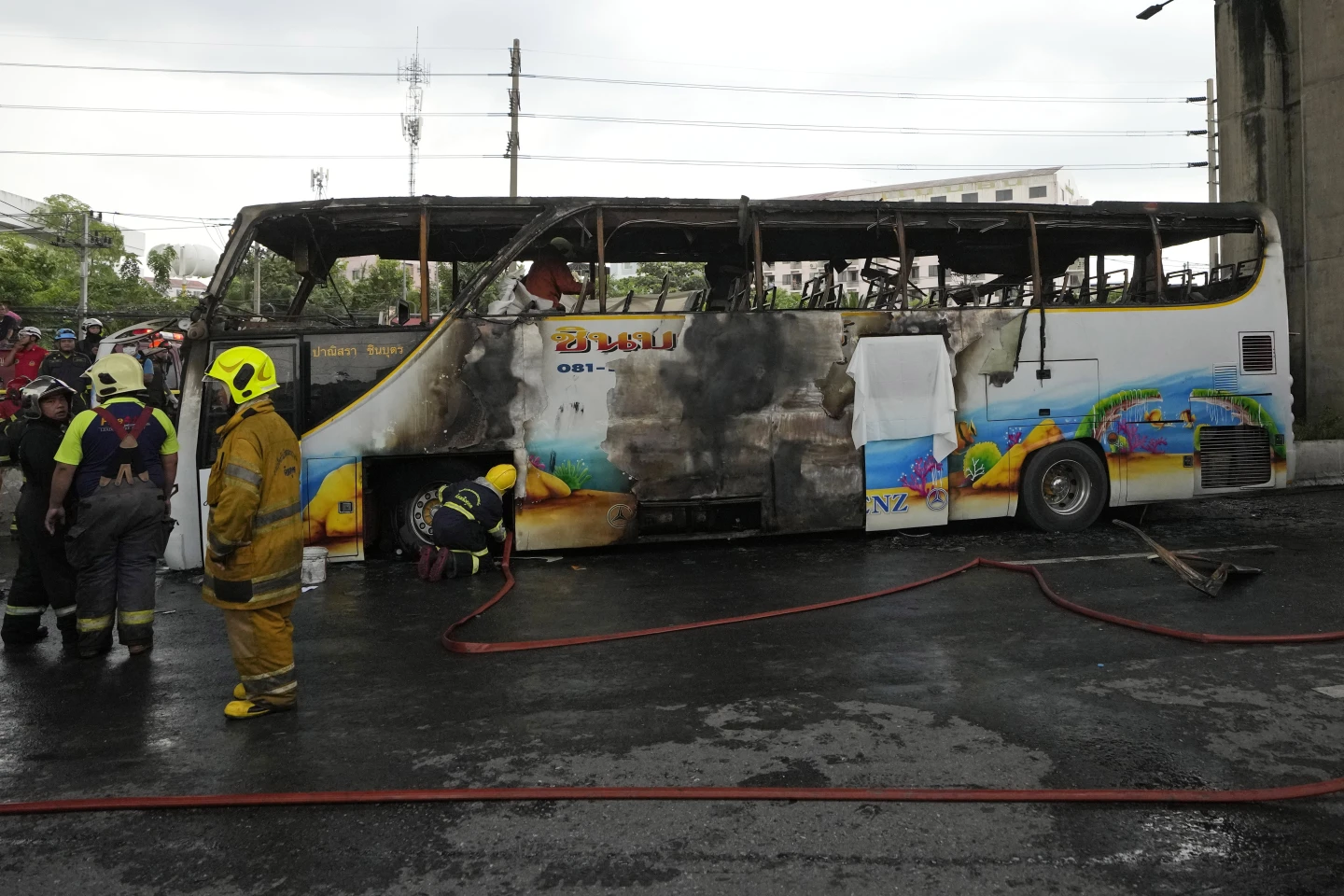
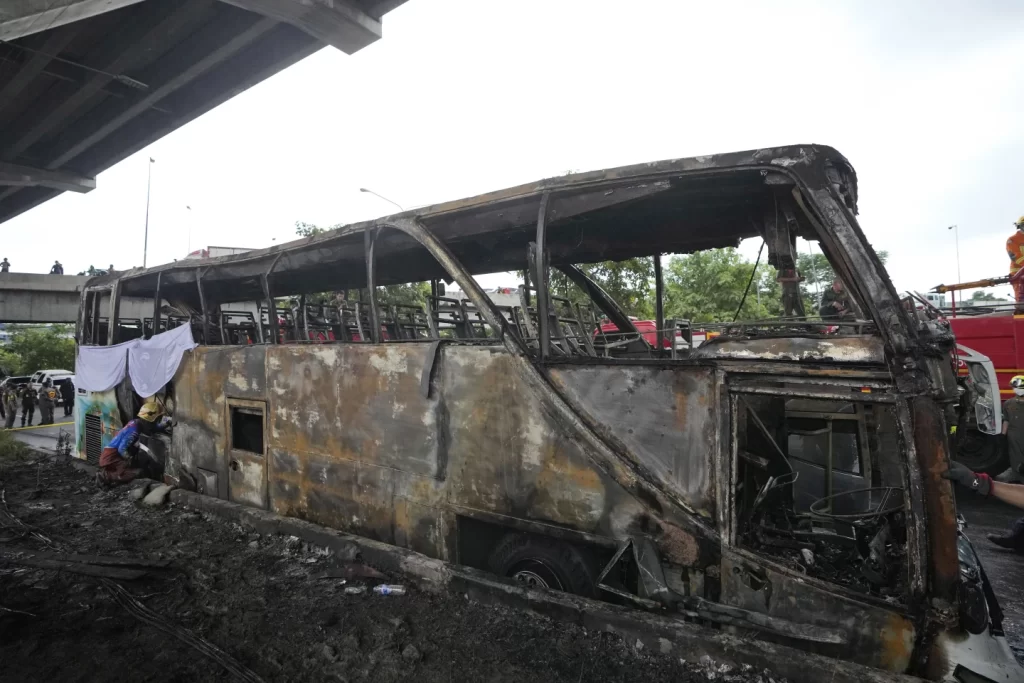
A canoe accident in Borno State, Nigeria, has resulted in the deaths of four people, local police reported Tuesday.
ASP Nahum Daso, Public Relations Officer for the Borno State Police Command, Nigeria, said the incident occurred Monday at approximately 3:30 PM in the Bakassi community between Mafa and Dikwa along Maiduguri Road. The canoe, carrying passengers, capsized in floodwaters.
The victims, all female residents of Bulabulin Ward in Dikwa, were identified as Ya Mallum Shettima, an adult from Marte LGA; Maimuna Akura, age 10; Umira Alhaji Bulama, age 6; and Yagana Bulama Kawu, 5 months old.
The bodies were taken to Dikwa General Hospital, where a doctor confirmed the deaths. They have since been released to their families for burial according to Islamic rites.
Commissioner of Police CP ML Yusufu expressed condolences to the affected families and urged the public, especially those in flood-prone areas, to exercise caution. The police provided emergency contact numbers for the public to report any distress: 08068075581 and 0802343293.
Iranian authorities announced Tuesday that all remaining workers trapped by an explosion at a coal mine in the country’s east are presumed dead, raising the death toll to at least 49 in one of Iran’s worst industrial disasters.
Mohammad Ali Akhoundi, a provincial emergency official, provided the updated casualty count in a report aired on Iranian state television from the mine in Tabas, located about 540 kilometers (335 miles) southeast of Tehran.
The methane gas leak on Saturday sparked an explosion at the Tabas Parvadeh 5 mine, operated by Mandanjoo Co. Approximately 70 people were working at the time of the blast. Recovered bodies showed no signs of blast injuries, suggesting many workers died from gas inhalation before the explosion.
Zahra Saeedi, a lawmaker and member of parliament’s mine committee, reported that the mine’s safety system was not operational and “even the central alarm system was broken or did not exist.” She added that workers were aware of safety issues just before the disaster but couldn’t evacuate in time.
Iran’s newly elected reformist president, Masoud Pezeshkian, currently in New York for the U.N. General Assembly, has ordered a full investigation into the explosion and called for all efforts to be made to aid the families of the victims.
This disaster highlights ongoing safety concerns in Iran’s mining industry. In 2017, a similar coal mine explosion killed at least 42 people, prompting protests against lax safety standards and inadequate emergency services in mining areas.
As the investigation begins, questions remain about the safety procedures in place at the privately owned mine and the broader issues of industrial safety regulations in Iran.
A Russian strike on an apartment block in the northeastern Ukrainian city of Kharkiv killed at least three people and injured 31 others on Tuesday, local officials reported.
The attack, which targeted residential areas including a high-rise building, a bakery, and a stadium, was carried out using guided glide bombs, according to Ukrainian authorities.
Ukrainian President Volodymyr Zelensky, currently in New York for the UN General Assembly, condemned the attack. “The targets for Russian bombs are a residential building, a bakery, a stadium… that is, the ordinary life of ordinary people,” Zelensky stated, calling on allies to “stop the terror.”
Kharkiv Mayor Ihor Terekov reported that Russia had struck at least four districts in the city. The targeted apartment block had previously been hit at the start of the war and was recently repaired.
The attack comes as fighting intensifies in eastern Ukraine, with Russian troops reportedly encircling and advancing on the largely destroyed town of Vuhledar.
Russian forces have increasingly used guided glide bombs in recent months, which are modified Soviet-era bombs fitted with wings and satellite navigation aids. These weapons have been employed in various Ukrainian cities, including Zaporizhzhia, where recent strikes injured at least 21 civilians.
As the conflict continues to escalate, Ukrainian officials report Russian advances near Hlyboke, Kupyansk, and Pokrovsk, while the Institute for the Study of War notes recent Ukrainian progress in the Kursk region.
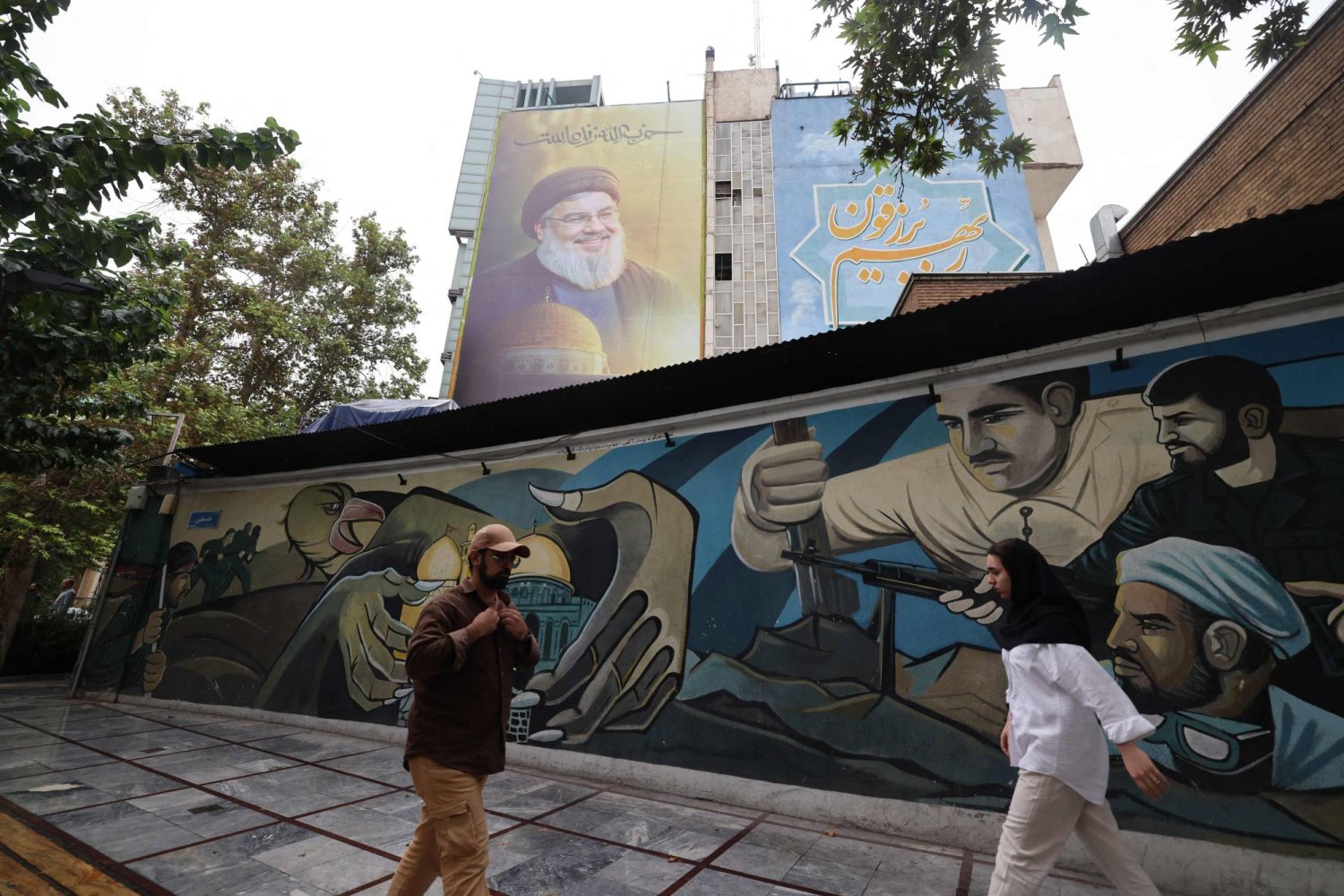
An Israeli airstrike on the southern suburbs of Beirut on Tuesday killed a Hezbollah commander identified as Ibrahim Qubaisi, a leading figure in the group’s rocket division, according to two Lebanese security sources.
The attack, which reportedly killed six people and wounded 15 others, marks another escalation in the ongoing conflict between Israel and Hezbollah. This strike follows a series of Israeli airstrikes on Monday that Lebanese authorities say killed 558 people, including 50 children and 94 women.
Israel’s military chief, Herzi Halevi, stated earlier that attacks on Hezbollah would be accelerated. “The situation requires continued, intense action in all arenas,” Halevi said after a security assessment.
The ongoing violence has sparked fears of a full-scale war that could destabilize the Middle East. Israel has been shifting its focus to the northern frontier with Lebanon after nearly a year of conflict with Hamas in Gaza.
Hezbollah, an Iran-backed group, has been firing rockets into Israel in support of Hamas. The group announced on Tuesday that it had used a new rocket, Fadi 3, in an attack on an Israeli army base.
The escalating conflict has led to growing calls for diplomacy. UN human rights chief Volker Turk has urged all states and actors with influence to avert further escalation in Lebanon.
White House national security adviser Jake Sullivan told MSNBC, “I believe that we can still find a path forward to get de-escalation between Israel and across that northern border between Israel and Lebanon and bring about a diplomatic solution.”
As tensions rise, there are concerns that the United States, Israel’s close ally, and Iran, which has proxies across the Middle East, could be drawn into a wider conflict.
The situation remains volatile, with both sides continuing to engage in military actions despite international calls for de-escalation.
President Joe Biden will announce Tuesday the donation of 1 million mpox vaccine doses and at least $500 million to African countries to support their response to the outbreak, a senior administration official said.
Biden, attending the United Nations General Assembly in New York, will call on other countries to make similar contributions, the official told Reuters.
The World Health Organization declared mpox a global public health emergency in August following an outbreak in the Democratic Republic of Congo that spread to neighboring countries and beyond, including India.
The donated doses are expected to be the Bavarian Nordic vaccine known as Jynneos in the United States, with many coming from a U.S. stockpile. This donation is in addition to 60,000 previously donated shots.
The administration anticipates that Gavi, a public-private alliance that co-funds vaccine purchases for low-income countries, will distribute the donated vaccines. Last week, Gavi announced plans to purchase 500,000 doses of Bavarian Nordic’s vaccine.
Mpox, which can spread through close contact, usually causes mild symptoms but can be fatal in rare cases. It leads to flu-like symptoms and pus-filled lesions on the body.
The outbreak in Congo began with an endemic strain known as clade I, but a new variant, clade Ib, appears to spread more easily through routine close contact, including sexual contact.
The Biden administration is also promoting vaccine manufacturing in low and middle-income countries and collaborating with Brazil to identify how the G20 nations can support the mpox response.
Nigerian officials have seized 19.4 kilograms (42.77 pounds) of cocaine valued at 4.66 billion naira ($2.93 million) from a passenger arriving at Lagos airport on a flight from Ethiopia, the country’s anti-drug agency announced Tuesday.
The National Drug Law Enforcement Agency (NDLEA) reported the arrest of a 48-year-old Nigerian businessman on September 18. The suspect, who had previously been convicted of drug trafficking last year but avoided jail time by paying a fine, was allegedly carrying 817 wraps of cocaine.
NDLEA chief Mohammed Buba Marwa stated, “The agency will continue to work to disrupt the activities of drug cartels operating in the country.”
Nigeria, with a population exceeding 200 million, has recently transitioned from being primarily a transit point for drug gangs moving narcotics between South America and Europe to becoming a significant consumer and distributor market.
Three West African nations governed by military juntas – Mali, Niger, and Burkina Faso – have announced a deal with Russia to acquire telecommunications and surveillance satellites, officials said Tuesday.
The agreement, reached during a meeting between ministers from the three countries and representatives from Russia’s aerospace agency Roscosmos in Bamako, Mali’s capital, aims to enhance border surveillance and national security across the Sahel region.
Mali’s Finance Minister, Alousséni Sanou, stated that the technology would enable secure communications and help monitor and respond to natural disasters such as floods, droughts, and fires.
The three countries, which formed the Alliance of Sahel States last year, have been battling Islamist insurgencies for years. They have increasingly turned to Russia for military support after relations with Western allies deteriorated.
This satellite project comes just days after an Islamist militant attack on an airport in Bamako, highlighting the ongoing security challenges in the region. The remote-sensing satellite is seen as crucial to the countries’ security strategy, particularly given the vast, porous borders across the semi-arid Sahel region.
In addition to security applications, ministers said the telecommunications satellite would facilitate television and radio broadcasts across the three countries and provide internet and telephone services in underdeveloped and inaccessible areas within the Sahel.
Russia has been actively seeking to expand its influence in Africa, especially in the Sahel region, as these countries’ relationships with Western allies have broken down. However, despite the use of Russian weapons and alleged involvement of Russian mercenaries, the security situation in the region remains precarious.
The deal marks a significant development in Russia’s growing presence in West Africa and raises questions about the shifting dynamics of international influence in the region. It also underscores the complex challenges facing these countries as they struggle to maintain security and stability while navigating international relationships.
TikTok has removed accounts linked to two Russian media organizations for alleged attempts to covertly influence the upcoming U.S. presidential election, the social media platform announced Monday.
The accounts were associated with Rossiya Segodnya and TV-Novosti, the parent organizations of Sputnik news agency and RT broadcaster respectively. TikTok labeled these groups as “state-affiliated” and said their actions violated platform guidelines.
This move follows a similar action by Meta last week, which banned Rossiya Segodnya, RT, and “other related entities” from its apps globally for “foreign interference activity.”
The account removals come in the wake of recent U.S. Justice Department charges against two RT employees. They are accused of funneling nearly $10 million into a U.S. company, identified by CNN as Tenet Media, to create and amplify content aligning with Russian state interests ahead of the presidential election.
Tenet Media, known for featuring high-profile right-wing, pro-Trump commentators, has seen its contributors release statements claiming they were unaware victims of the alleged Russian scheme.
TikTok’s action highlights ongoing concerns about foreign influence in U.S. elections through social media platforms. The platform itself has faced scrutiny over potential Chinese government influence, given its ownership by Chinese company ByteDance.
In April, President Joe Biden signed legislation that could potentially lead to a nationwide TikTok ban unless the app finds new ownership. TikTok has challenged this in court.
As the U.S. presidential election approaches, these developments underscore the complex interplay between social media, foreign influence, and election integrity. They also reflect the increasing efforts by tech companies to combat perceived threats to democratic processes.
The removed accounts’ impact and the full extent of their activities remain unclear. Neither Rossiya Segodnya nor RT have immediately responded to requests for comment on TikTok’s actions.
This situation continues to evolve, with potential implications for international relations, media freedom, and the role of social media in political discourse.
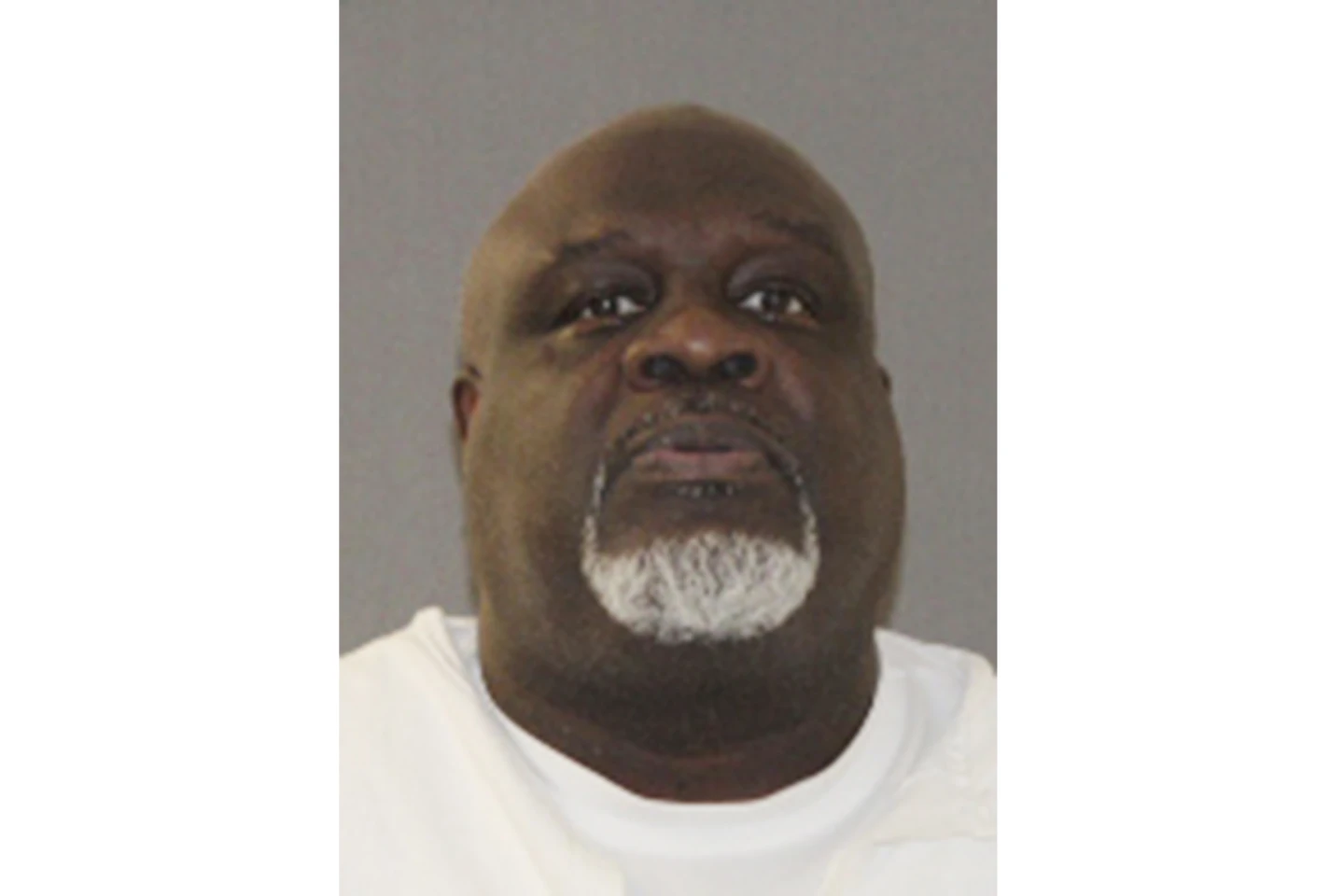
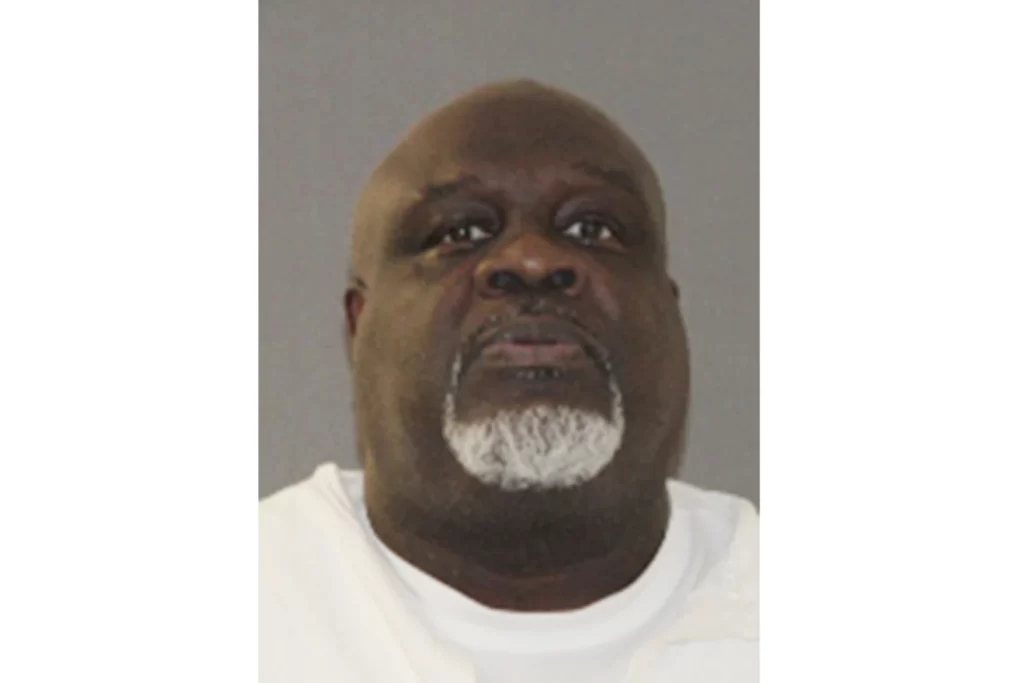
Marcellus Williams, a 55-year-old Missouri death row inmate who has maintained his innocence for nearly 24 years, is scheduled to be executed by lethal injection Tuesday at 6 p.m. CT, following refusals by the governor and state Supreme Court to intervene.
Williams was convicted of the 1998 murder of Felicia Gayle, a former newspaper reporter found stabbed to death in her home. His case has drawn attention due to ongoing claims of innocence and concerns about potentially executing an innocent person.
On Monday, the Missouri Supreme Court unanimously declined to halt Williams’ execution, stating that St. Louis County Prosecuting Attorney Wesley Bell “failed to demonstrate by clear and convincing evidence Williams’ actual innocence or constitutional error at the original criminal trial that undermines the confidence in the judgment of the original criminal trial.”
Governor Mike Parson issued a statement supporting the court’s decision, saying, “Mr. Williams has exhausted due process and every judicial avenue, including over 15 hearings attempting to argue his innocence and overturn his conviction.”
The case has been marked by legal complexities and controversies. Bell argued in January that DNA testing of the murder weapon could exclude Williams as Gayle’s killer. However, new testing revealed the evidence had been contaminated, complicating Williams’ exoneration efforts.
Williams’ attorney, Jonathan Potts, alleged during Monday’s hearing that a prosecutor struck a juror from the pool “in part because he was a young Black man with glasses.” The Missouri Attorney General’s office disputed this claim.
On September 18, Williams’ team filed a clemency petition to the U.S. Supreme Court, arguing his due process rights were denied during the legal battle to save his life. Former Missouri Gov. Eric Greitens had previously halted Williams’ execution indefinitely and formed a board to investigate his case. Gov. Parson later dissolved this board and revoked the stay.
The NAACP and the Council on American-Islamic Relations have called on Gov. Parson to halt the execution. Tricia Rojo Bushnell, an attorney for Williams, stated, “Missouri is poised to execute an innocent man, an outcome that calls into question the legitimacy of the entire criminal justice system.”
The case has also highlighted political tensions between St. Louis County Prosecuting Attorney Wesley Bell, a Democrat running for Congress, and Republican state Attorney General Andrew Bailey, who is seeking reelection.
As the execution approaches, advocates continue to fight for Williams’ life, with Bell stating, “Even for those who disagree on the death penalty, when there is a shadow of a doubt of any defendant’s guilt, the irreversible punishment of execution should not be an option.
Former President Donald Trump claimed on Monday that Ukrainian President Volodymyr Zelenskiy wants the Democratic Party to win the 2024 U.S. presidential election, in which Trump faces Vice President Kamala Harris.
Speaking at a rally in western Pennsylvania, Trump said, “I think Zelenskiy is the greatest salesman in history. Every time he comes into the country, he walks away with 60 billion dollars.” He added, “He wants them to win this election so badly, but I would do differently – I will work out peace.”
Trump’s comments contrast with the stance of some of his allies, who have argued that Ukraine would welcome Trump’s return to office, believing he could negotiate with Russian President Vladimir Putin to end the war in Ukraine.
The former president did not provide details of his peace plan beyond reiterating that he would call Putin and Zelenskiy to urge them to reach an accord if he wins the November 5 election.
In response, Harris’ campaign spokesperson, Morgan Finkelstein, criticized Trump for not explicitly stating he wants Ukraine to win the war. “Vice President Harris understands that if America walks away from Ukraine, Putin would be sitting in Kyiv with his eyes on the rest of Europe and our NATO allies,” Finkelstein said in an emailed statement.
Zelenskiy, currently in the U.S. for the 79th session of the U.N. General Assembly, stated on Monday that decisive action by the United States could hasten the end of Russia’s war against Ukraine next year.
While Trump mentioned last week he would “probably” meet with Zelenskiy during his U.S. visit, no meeting has been scheduled, according to sources close to the former president.
The statements come as both campaigns vie for the support of Americans of Eastern European descent, particularly in battleground states like Pennsylvania with significant Polish and Ukrainian populations.
Trump has consistently criticized U.S. aid to Ukraine as wasteful and has declined to say he wants Ukraine to win the conflict. In contrast, the Biden-Harris administration has provided substantial military and financial support to Ukraine since Russia’s invasion in February 2022.
Zelenskiy has previously expressed uncertainty about Trump’s potential actions if elected but hoped the Republican would maintain U.S. military support for Ukraine. In a July BBC interview, Zelenskiy acknowledged that working with Trump would be “hard work, but we are hard workers.”
As the 2024 election approaches, the future of U.S. support for Ukraine remains a key point of contention between the two campaigns, with significant implications for the ongoing conflict and international relations.