Home Blog Page 678

Liverpool to Host West Ham in Carabao Cup Defense Opener

0

Liverpool are set to kick off their Carabao Cup title defense on Wednesday evening, hosting West Ham United at Anfield with kickoff scheduled for 20:00 BST.

This image has an empty alt attribute; its file name is liverpoolwinner-1024x683.jpg
Liverpool won the cup last session

The Reds, who defeated West Ham 5-1 en route to lifting the trophy last season, view this competition as an opportunity for new manager Arne Slot to secure his first piece of silverware with the club. Liverpool have impressed under the Dutchman’s leadership, losing just once and currently sitting second in the Premier League table.

Liverpool enter the match in strong form, coming off a 3-0 victory over Bournemouth in the Premier League and a 3-1 win against AC Milan in their Champions League opener. In contrast, West Ham have struggled under new manager Julen Lopetegui, collecting only four points from their first five league games and suffering a 3-0 defeat to Chelsea in their last outing.

Team News:

Liverpool have few injury concerns, with Harvey Elliott sidelined until late October and goalkeeper Alisson unavailable for this match. Caoimhin Kelleher is expected to start in goal. Manager Arne Slot has hinted at giving Federico Chiesa his first start for the club, while Cody Gakpo is likely to feature in the lineup.

West Ham are only missing summer signing Niclas Fullkrug. Either Michail Antonio or former Liverpool striker Danny Ings is expected to lead the attack. Midfield changes are possible after a disappointing weekend performance, with Carlos Soler and Tomas Soucek potentially replacing Guido Rodriguez and Edson Alvarez.

Historical Context:

Liverpool have dominated recent meetings between the two sides, winning four of their last five encounters, with one draw. West Ham’s last victory at Anfield came in August 2015.

Prediction:

Given Liverpool’s strong form, home advantage, and deeper squad, they are favored to progress to the fourth round. West Ham’s defensive issues and midfield struggles suggest they may struggle to contain Liverpool’s attack.

A likely scoreline could be Liverpool 3-1 West Ham, with the home side’s rotation options expected to prove too strong for the visitors.

This match represents an important opportunity for both managers to assess their squad depth and for fringe players to make a case for more regular involvement in Premier League action.


Arsenal Set to Host Bolton in Carabao Cup Third Round Clash

0

Arsenal are set to host League One side Bolton Wanderers in the Carabao Cup third round on Wednesday evening at the Emirates Stadium, with kick-off scheduled for 19:45 BST.

The Premier League giants enter the match following a demanding week that saw them face Tottenham Hotspur, Atalanta, and Manchester City in quick succession. Arsenal manager Mikel Arteta is expected to make significant changes to his lineup, offering rest to key players after the grueling schedule.

Arsenal’s recent form has been solid, with a victory in the North London derby followed by draws against Atalanta in the Champions League and Manchester City in the Premier League. In contrast, Bolton have struggled in League One, securing just seven points from their opening six matches.

Team News:

Arsenal will likely be without several first-team regulars. Martin Odegaard, Mikel Merino, Takehiro Tomiyasu, and Oleksandr Zinchenko are sidelined with injuries. Leandro Trossard is suspended following a red card against Manchester City. Goalkeeper David Raya is doubtful with a knee injury, potentially opening the door for 16-year-old Jack Porter to make his debut.

Raheem Sterling and Gabriel Jesus are expected to start, while young prospects Ethan Nwaneri, Salah-Eddine Oulad M’Hand, and Myles Lewis-Skelly could feature.

Bolton will be missing several players due to injury, including former Arsenal youth player Jordi Osei-Tutu. Striker Dion Charles, who recently scored a hat-trick against Reading, poses the main goal threat for the visitors.

Historical Context:

In their last five meetings, Arsenal have won three, Bolton one, with one draw. Their most recent encounter was a goalless draw in the Premier League on February 1, 2012.

Prediction:

Despite the expected squad rotation, Arsenal’s depth and quality should see them comfortably progress to the fourth round. The match provides an opportunity for Arsenal’s fringe players and youth prospects to impress, while Bolton face a significant challenge at the Emirates.

A likely scoreline could be Arsenal 3-0 Bolton, with the home side’s superior talent expected to overcome their League One opponents.

The match represents a chance for Arsenal to build momentum in a cup competition while managing their squad ahead of upcoming Premier League and Champions League fixtures.

Putin to Address Security Council on Nuclear Deterrence Amid Rising Ukraine Tensions

0

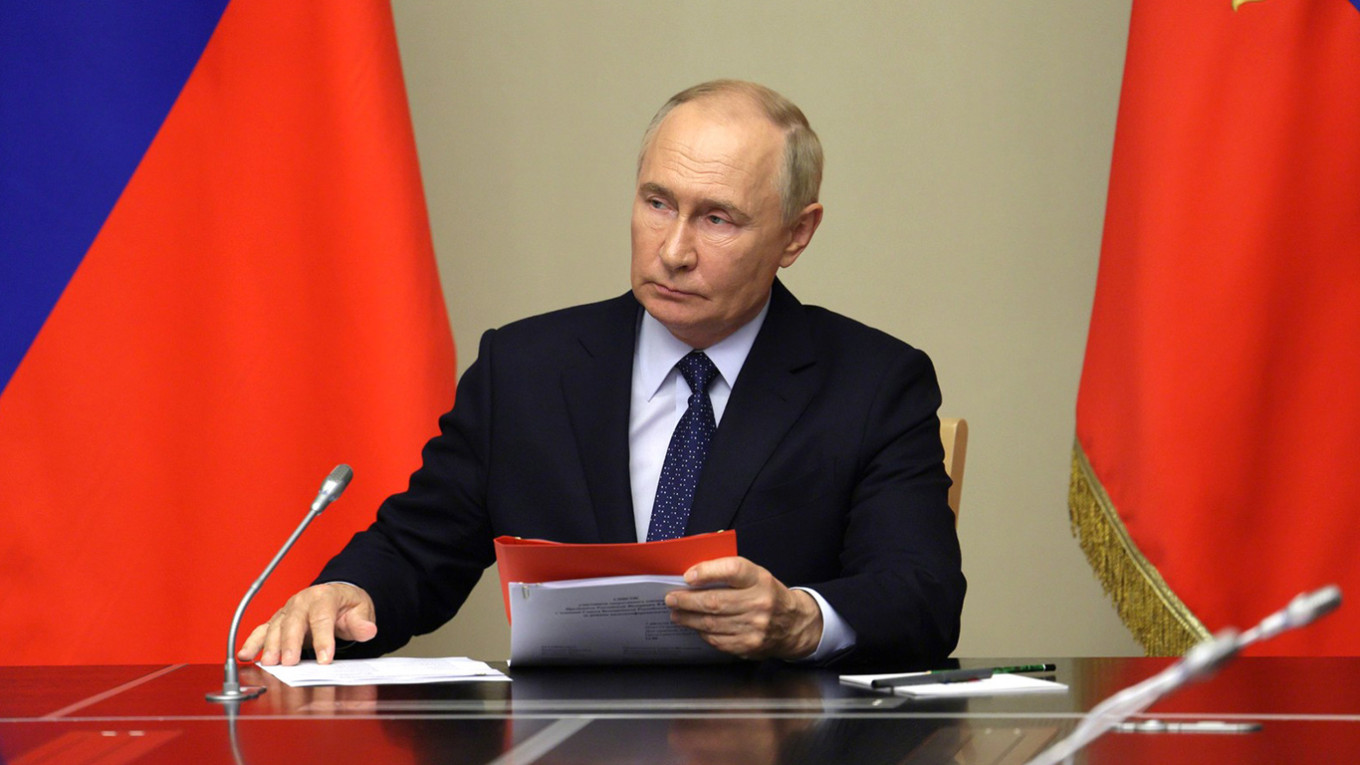
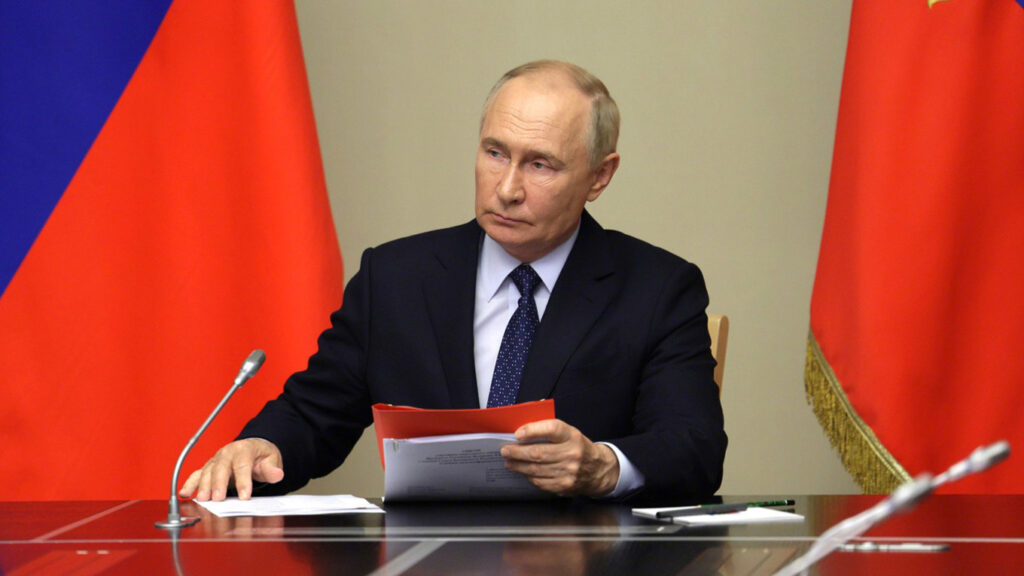
Russian President Vladimir Putin is set to chair a crucial meeting of Russia’s Security Council on Wednesday, focusing on nuclear deterrence amid escalating tensions with Ukraine and the West. The meeting comes as Moscow weighs its response to Ukraine’s requests for U.S. permission to strike deep into Russian territory using long-range Western missiles.

Kremlin spokesman Dmitry Peskov emphasized the significance of the event, stating that Putin will deliver a speech, with the remainder of the proceedings classified as “top secret.” The Security Council, comprising Putin’s most influential officials including prominent hawks, is seen as a modern-day politburo in Russian politics.

This high-level gathering occurs against the backdrop of the 2-1/2-year-old Ukraine war, which has triggered the most severe confrontation between Russia and the West since the 1962 Cuban Missile Crisis. Putin, as the primary decision-maker on Russia’s vast nuclear arsenal, is contemplating potential responses if the United States and its European allies permit Ukraine to use Western-supplied missiles for deep strikes into Russian territory.

On September 12, Putin warned that such permission would effectively mean direct Western involvement in the conflict with Russia, potentially forcing Moscow to make “appropriate decisions.”

Ukrainian President Volodymyr Zelenskiy has been persistently urging Kyiv’s allies to allow the use of Western missiles, including long-range U.S. ATACMS and British Storm Shadows, to strike deep within Russian territory. Zelenskiy argues this capability is necessary to limit Moscow’s ability to launch attacks.

The meeting also comes as Russia advances its position in eastern Ukraine, controlling nearly a fifth of the country. Western leaders, including U.S. President Joe Biden, have stated that Putin must not be allowed to win the war.

In response to Zelenskiy’s recent statement at the UN Security Council that Russia must be forced into peace, Peskov called it a “fatal mistake” and a “profound misconception,” asserting that it is impossible to force Russia into peace.

As the conflict enters what Russian officials describe as its most dangerous phase to date, concerns are growing about the potential for further escalation. Putin has previously warned that the United States risks triggering a global war over Ukraine.

The meeting is expected to address Russia’s ongoing revision of its nuclear doctrine, which outlines the circumstances under which it might resort to using nuclear weapons. Additionally, discussions may touch on the future of arms control treaties, as the post-Soviet global consensus continues to erode.

With the New START Treaty set to expire in 2026, the Kremlin has indicated that any discussions about a replacement would need to consider European nuclear capabilities, referring to the arsenals of Britain and France.

India Invites Foreign Diplomats to Observe Kashmir Elections for First Time in a Decade

0

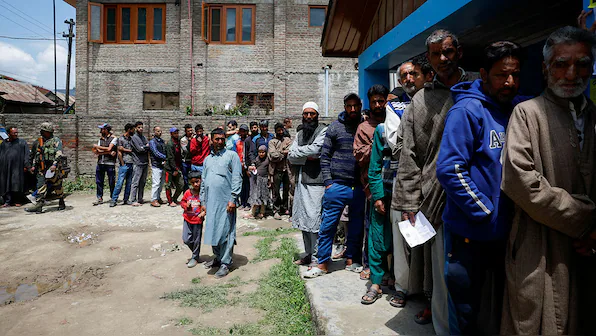
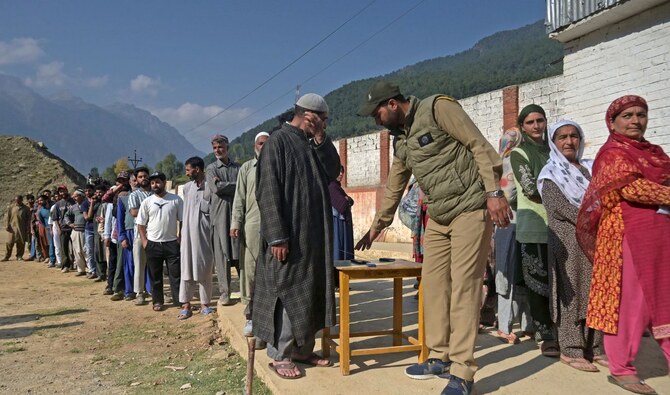
India allowed foreign diplomats from 15 countries to observe local elections in Jammu and Kashmir on Wednesday, marking the first such invitation in the disputed Himalayan territory in a decade. This move by New Delhi highlights the significance of the vote, which is the first in the region since 2014.

More than 9 million voters are eligible to choose members for the region’s 90-seat legislature in a three-phase election. Wednesday marked the second phase of voting. The diplomatic delegation included representatives from embassies of the United States, Mexico, Singapore, Spain, and South Korea, among others, according to officials in Srinagar and New Delhi.

Jorgan K Andrews, deputy chief of mission at the U.S. Embassy, described the experience as a “rare opportunity,” noting that the process appeared smooth and professional.

This election is particularly significant as it follows Prime Minister Narendra Modi’s government’s 2019 decision to strip Jammu and Kashmir of its special semi-autonomous status. The BJP-led government argues this move has helped restore normalcy and boost development in the region.

Jammu and Kashmir, India’s only Muslim-majority territory, has been at the center of a longstanding dispute with neighboring Pakistan since 1947. Both countries claim Kashmir in full but rule it in part, having fought two of their three wars over the region. The area has also been affected by an insurgency that began in 1989, resulting in tens of thousands of deaths, though violence has largely subsided in recent years.

The invitation to foreign diplomats has drawn criticism from Modi’s opponents. Omar Abdullah, leader of the local National Conference party, questioned the need for foreign observers, stating, “Jammu and Kashmir elections are an internal matter for us and we do not need their certificate.”

Historically, pro-independence militants have targeted elections in Kashmir, leading to generally low voter turnout. However, the territory recorded its highest turnout in 35 years during national elections held in April and May, with a 58.46% participation rate.

As the election proceeds, it remains a focal point of international attention, reflecting the complex political dynamics in the region and India’s efforts to showcase democratic processes in the disputed territory.

Federal Judge Allows Catholic Employers to Deny Abortion and Fertility Care Protections

0
FILE PHOTO: The seal of the United States Equal Employment Opportunity Commission (EEOC) is seen at its headquarters in Washington, D.C., U.S., May 14, 2021. REUTERS/Andrew Kelly/File Photo

A federal judge in North Dakota has granted a preliminary injunction allowing more than 8,000 Catholic employers nationwide to reject government regulations protecting workers seeking abortions and fertility care.

U.S. District Judge Daniel Traynor issued the ruling Monday, siding with the Catholic Benefits Association and the Diocese of Bismarck. The judge determined that the plaintiffs were likely to succeed in proving that a final rule adopted by the Equal Employment Opportunity Commission (EEOC) in April violated their religious freedom.

The regulations in question are meant to enforce the federal Pregnant Workers Fairness Act, which passed with bipartisan support in December 2022. The Act was initially viewed as a victory for low-wage women workers, providing accommodations for pregnancy-related conditions.

Judge Traynor, appointed by former President Donald Trump in 2020, wrote in his order, “It is a precarious time for people of religious faith in America. It has been described as a post-Christian age.” He argued that the EEOC rule “forces members to choose between expressing sincerely held beliefs and compliance,” potentially causing “irreparable” harm.

The ruling also bars the EEOC from enforcing harassment regulations that would require the plaintiffs to communicate in favor of abortion, fertility treatments, or gender transition when contrary to Catholic faith. This aspect of the decision could impact transgender employees’ ability to express their gender identities in the workplace.

Martin Nussbaum, lead attorney for the Catholic Benefits Association, called the ruling a win that “respects the religious conscience of sincere Catholic employers.” The association represents over 1,380 employers and 7,100 parishes nationwide, covering approximately 162,000 employees in member health plans.

Critics of the ruling, including Inimai Chettiar, president of legal advocacy group A Better Balance, argue that the decision is part of a broader attack on women’s rights and reproductive freedom. Chettiar emphasized that neither the Pregnant Workers Fairness Act nor the EEOC regulations require employers to pay for abortions or IVF treatments, only to allow workers time off for such procedures.

The Department of Justice declined to comment on the ruling.

This decision follows a similar injunction granted in July by a federal judge in Louisiana in lawsuits brought by the Louisiana and Mississippi attorneys general, and several Catholic organizations.

Legal experts and civil rights advocates express concern about the potential broader implications of this ruling. Sharita Gruberg of the National Partnership for Women and Families worries about a “chilling effect” that could discourage pregnant workers from exercising their rights under the Pregnant Workers Fairness Act.

AP

Pakistan Presents Arrested Nurse on State TV, Claims Foiled Suicide Bombing Plot

0

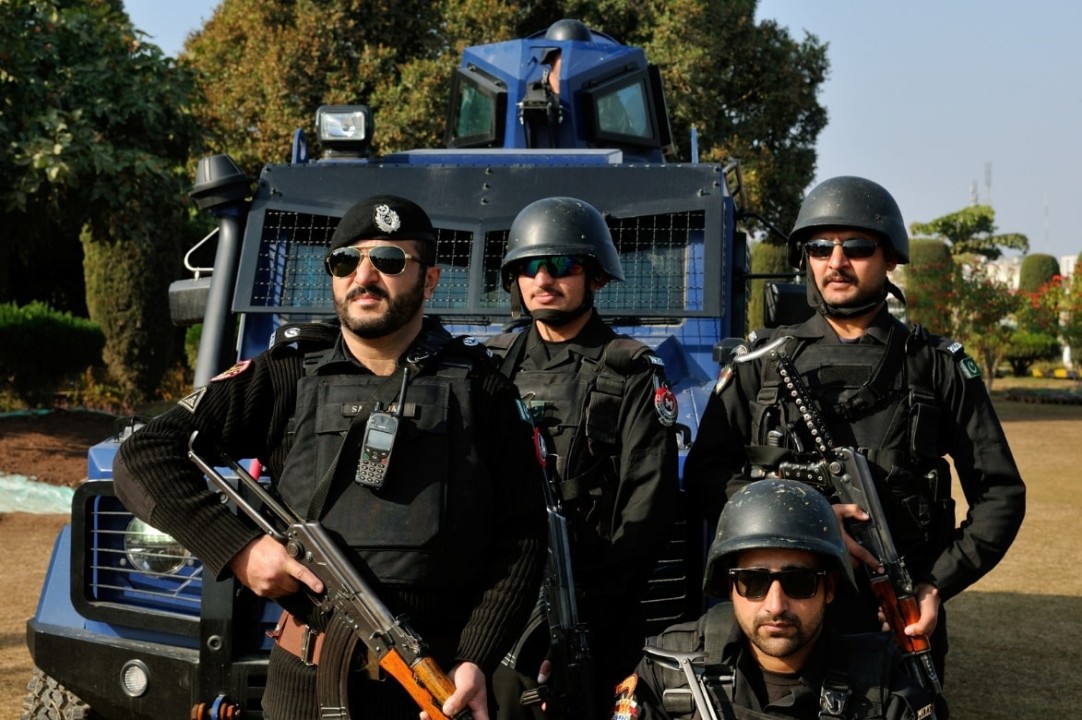
Pakistani authorities presented a nurse they claim to have arrested over the weekend to state-run media on Wednesday, airing an interview where she answered questions about an alleged thwarted suicide bombing attempt. The government-organized broadcast took place in Balochistan province and was aired on national and local television channels.

The nurse, who identified herself as Adeela Baloch, said she had worked at a government hospital in the district of Turbat before being “misguided by terrorists” and recruited to carry out a suicide attack. She claimed she was arrested before she could execute the plan. Baloch did not name the group that allegedly enlisted her or describe the intended target of the planned attack.

This unusual public presentation occurs against the backdrop of Balochistan’s long-running separatist insurgency. The southwestern province has been the scene of numerous attacks by various groups seeking independence, primarily targeting security forces. Pakistan’s government has also been engaged in a broader fight against militants and insurgents across the country, a conflict that has resulted in hundreds of civilian and security force casualties.

The Associated Press could not independently verify Baloch’s identity or claims. Officials contacted by the AP declined to provide additional details, only stating that she would not face prosecution as the attack was not carried out.

This televised interview appears to be an attempt by Pakistani authorities to demonstrate progress in their counterterrorism efforts. It comes just weeks after the outlawed separatist Balochistan Liberation Army claimed that a woman was among a group of its fighters who killed over 50 people in the province.

The security situation in Balochistan remains tense. Earlier on Wednesday, a roadside bomb targeting police in Quetta, the provincial capital, wounded 12 people, according to local officials.

As Pakistan continues to grapple with various militant and separatist groups, this public display of an alleged foiled attack raises questions about the government’s tactics in combating terrorism and managing public perception of the ongoing conflict in Balochistan.

AP

Netanyahu to Address UN Amid Growing Isolation and Regional Tensions

0

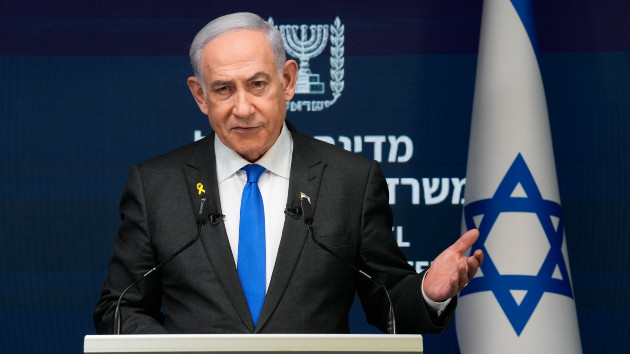
Israeli Prime Minister Benjamin Netanyahu is set to address the United Nations General Assembly on Friday, facing a dramatically different global landscape than he did just a year ago. The Israeli leader, once triumphantly heralding a new era of Middle East peace, now confronts growing international isolation and criticism over the ongoing war in Gaza.

Netanyahu’s speech comes as Israel approaches the one-year mark of its devastating conflict in Gaza, which has resulted in over 41,000 Palestinian deaths, according to Gaza health officials. The war, triggered by Hamas’ October 7 attack that killed 1,200 Israelis and saw 250 taken hostage, has drawn increasing international condemnation for its civilian toll and humanitarian crisis.

The Israeli Prime Minister, known for his oratorical skills and dramatic UN presentations, faces multiple challenges as he takes the podium:

Escalating Regional Tensions: Israel stands on the brink of a wider conflict with Hezbollah, the Iran-backed Lebanese group, further complicating regional dynamics.

International Criticism: Once-supportive allies, including the United States and Britain, have grown increasingly impatient with Israel’s military tactics, with some countries suspending arms exports.

Potential ICC Arrest Warrant: Netanyahu may soon face an arrest warrant from the International Criminal Court, a development that could significantly impact his international standing.

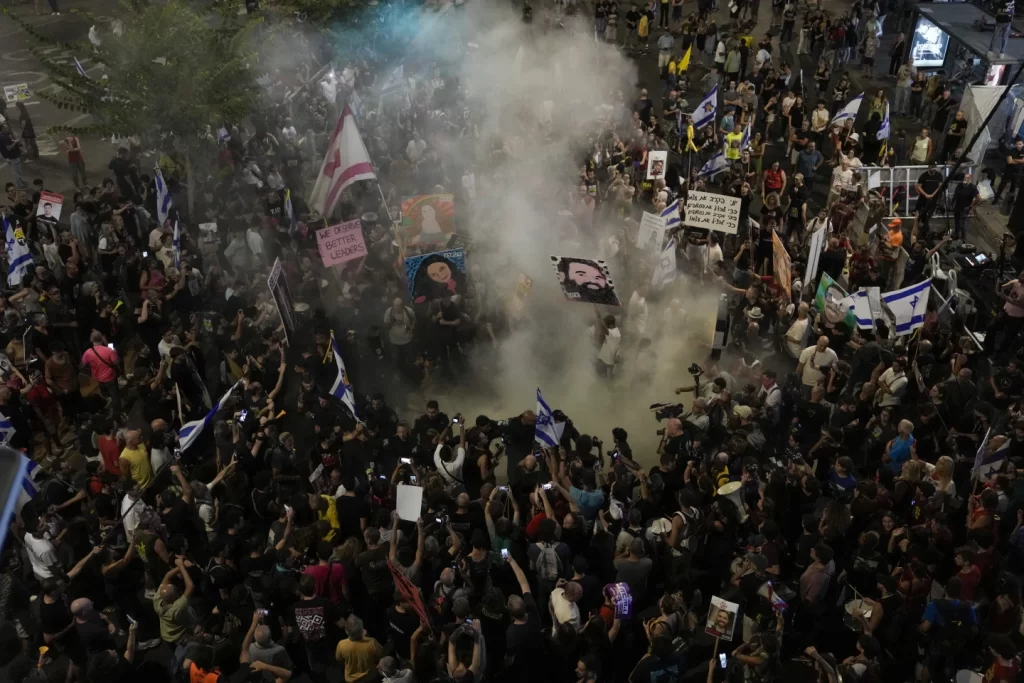
Domestic Pressure: At home, Netanyahu faces criticism over his handling of the war and failure to secure the release of remaining hostages in Gaza.

Alon Liel, former director-general of Israel’s Foreign Ministry, described Netanyahu’s position starkly: “He arrives almost at a point of being persona non grata.”

The speech presents a stark contrast to Netanyahu’s 2023 UN address, where he spoke 42 times of “peace” and showcased a map suggesting a broader Middle East accord. This year, he is expected to defend Israel’s actions in Gaza and potentially rally support for conflict with Hezbollah.

However, experts question the impact of Netanyahu’s rhetoric. Alon Pinkas, a former Israeli consul general in New York, noted, “Netanyahu actually believes that his UN speeches have transformative effects on history. They do not.”

As Netanyahu prepares to speak, protests are expected in New York, reflecting growing global discontent with Israel’s military actions. The Israeli leader’s reception at the UN and any potential meetings with other world leaders will be closely watched as indicators of Israel’s shifting international standing.

This address comes at a critical juncture for Israel and Netanyahu personally, as he attempts to navigate complex diplomatic waters while facing potential legal challenges and eroding support both at home and abroad.

China Test-Fires Intercontinental Ballistic Missile into Pacific Ocean

0

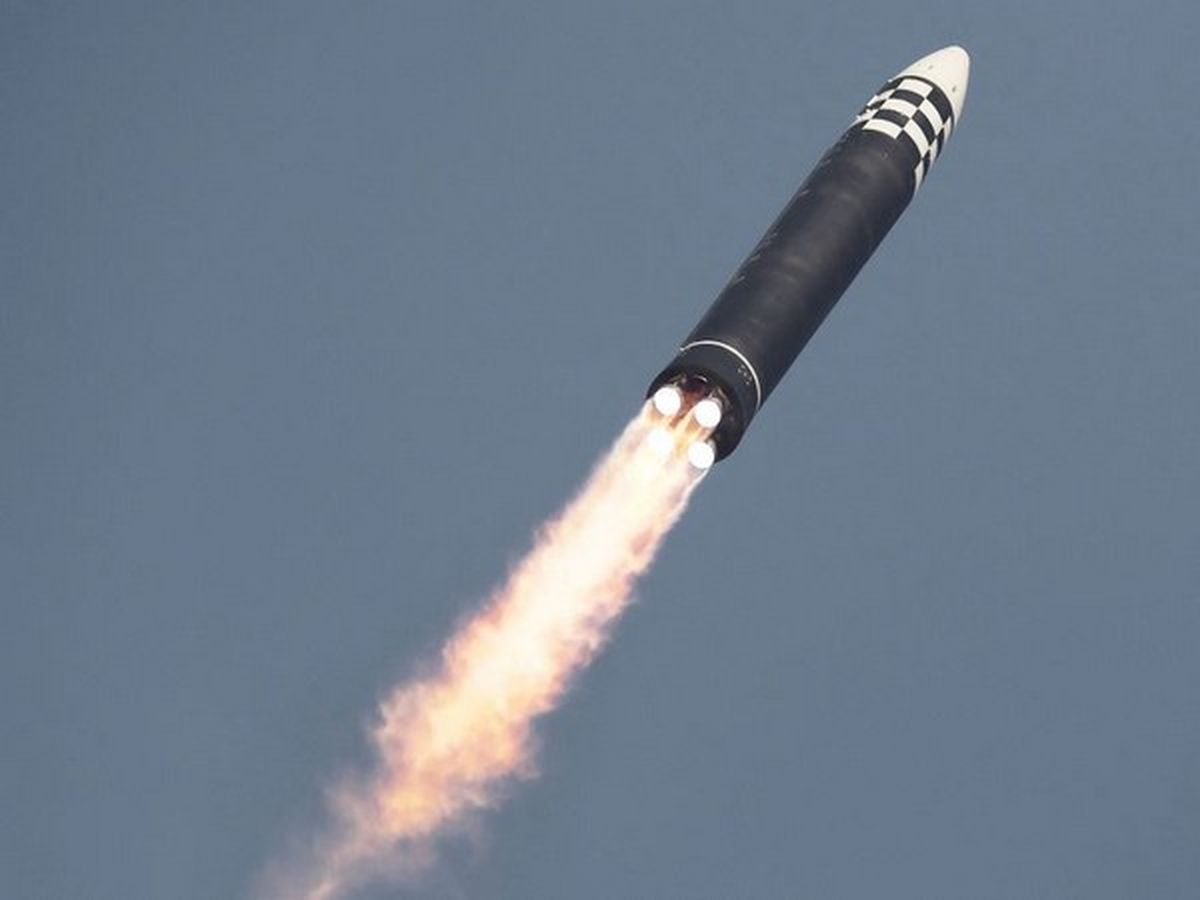
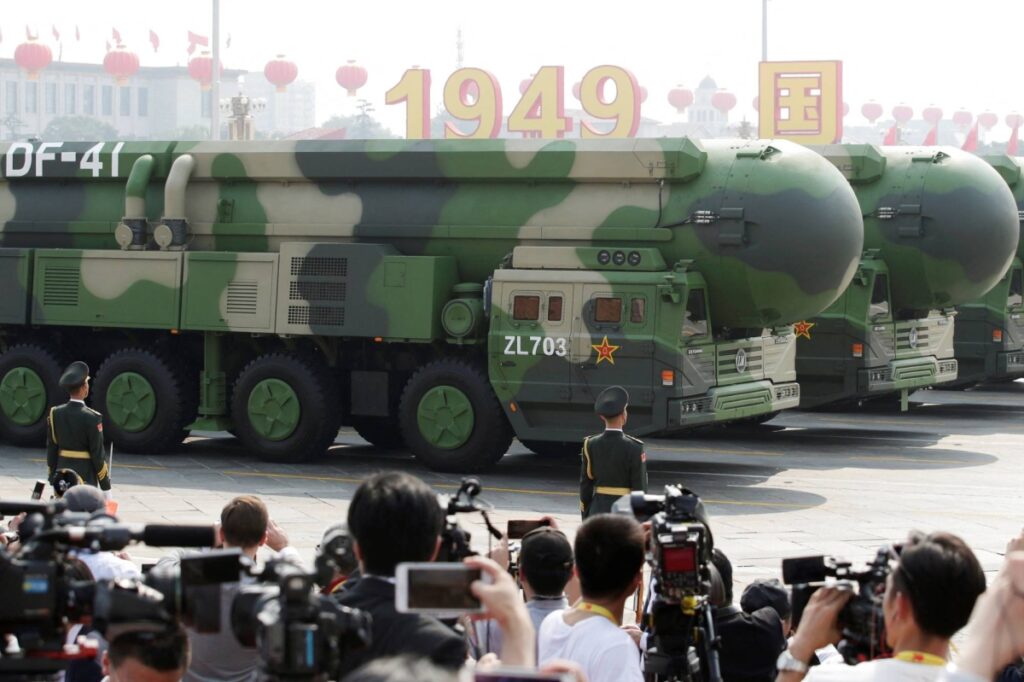
China test-fired an intercontinental ballistic missile (ICBM) into the Pacific Ocean on Wednesday, a move that has heightened security concerns in a region already tense due to Beijing’s territorial claims and rivalry with the United States.

The Chinese Defense Ministry confirmed the launch in a statement posted on social media, describing it as part of routine annual training by the People’s Liberation Army Rocket Force. The ministry stated that the ICBM carried a dummy warhead and fell into a designated area of the sea, emphasizing that the test complied with international law and was not directed against any specific country or target.

This rare long-range test is reminiscent of China’s 1980 ICBM launch into the South Pacific, which targeted an area roughly encircled by the Solomon Islands, Nauru, the Gilbert Islands, Tuvalu, western Samoa, Fiji, and the New Hebrides.

Experts note the significance of this test, given its rarity. James Acton, co-director of the Nuclear Policy Program at the Carnegie Endowment for International Peace, told The Associated Press, “When they haven’t done something for 44 years and then they do it, that’s significant. It’s China’s way of telling us, ‘Like you, we’re not ashamed we have nuclear weapons and we’re going to behave like a great nuclear power.'”

The launch coincides with the ongoing United Nations General Assembly in New York, where China, as a permanent member of the Security Council, seeks to expand its influence on key issues aligning with its authoritarian system.

This test occurs against a backdrop of heightened regional tensions, including ongoing disputes over Taiwan’s status and territorial conflicts with the Philippines, where the U.S. has deployed its new Typhon missile system. Recent corruption arrests within China’s Rocket Force and defense ministry have also drawn attention to the country’s military operations.

Jeffrey Lewis, a missile expert at the Middlebury Institute of International Studies, suggests the test signals a new era in U.S.-China relations, stating, “We’re entering an age where the U.S. and China are engulfed in what feel like an arms race.”

While China maintains a “no first use” nuclear weapons policy, its growing regional ambitions and military capabilities continue to raise concerns among neighboring countries and the United States. Japan, Taiwan, and South Korea have refrained from direct comment on the launch but maintain robust defense systems against potential Chinese aggression.

As tensions persist, this ICBM test underscores the complex dynamics of power and deterrence in the Asia-Pacific region, with potential far-reaching implications for global security and diplomatic relations.

Thailand Legalizes Same-Sex Marriage, Effective January 2024

0

Thailand’s parliament officially enshrined marriage equality into law on Tuesday, marking a historic milestone for LGBTQ+ rights in Southeast Asia. The landmark bill, endorsed by King Maha Vajiralongkorn and published in the Royal Gazette, will allow same-sex couples to legally wed starting in January 2024.

Set to take effect in 120 days, the legislation makes Thailand the third place in Asia, after Taiwan and Nepal, to legalize same-sex marriage. The new law grants same-sex couples full legal, financial, and medical rights equivalent to those of heterosexual married couples.

Prime Minister Paetongtarn Shinawatra celebrated the achievement on social media platform X, writing “Congratulations to everyone’s love” accompanied by the hashtag #LoveWins. The bill had previously sailed through both the House of Representatives and the Senate with strong support in April and June respectively.

The marriage equality law amends Thailand’s Civil and Commercial Code, replacing gender-specific terms like “men and women” with gender-neutral language such as “individual.” This change ensures that same-sex partnerships are recognized in all aspects of Thai law, including property ownership, inheritance, and medical decision-making.

Bangkok Deputy Governor Sanon Wangsrangboon confirmed that city officials are prepared to register same-sex marriages as soon as the law takes effect. In a show of support, organizers of Bangkok Pride announced plans to host a wedding ceremony for couples wishing to register their marriages on the first day the law becomes effective.

While Thailand has long held a reputation for LGBTQ+ acceptance, the path to marriage equality has been challenging. Conservative values in Thai society and government have historically posed obstacles to LGBTQ+ rights, with advocates facing difficulty in pushing for legislative change.

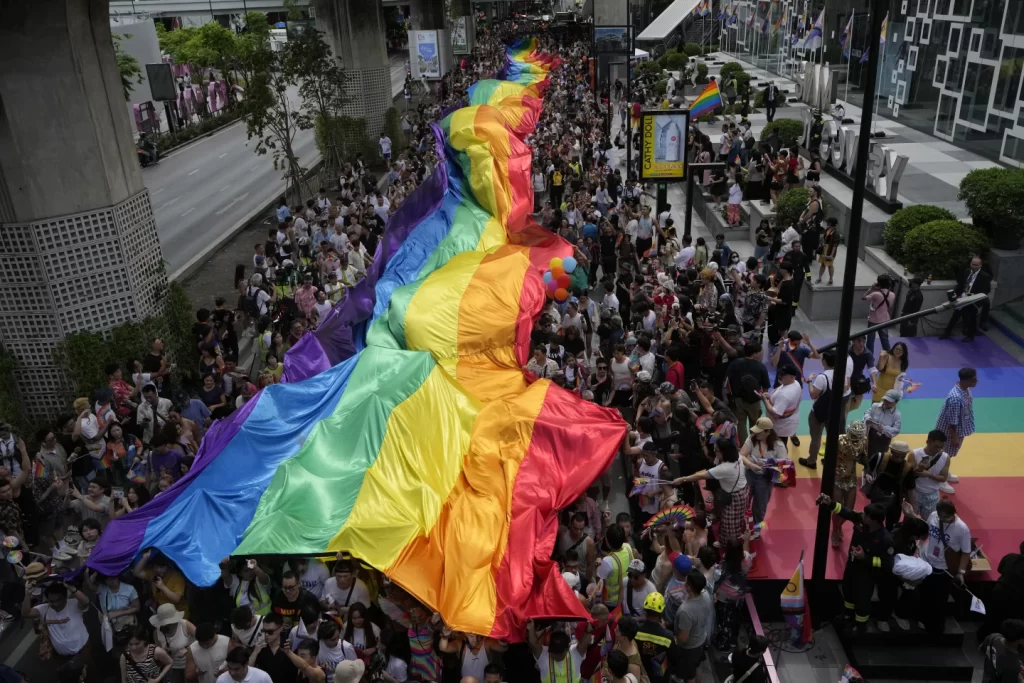
The current government, led by the Pheu Thai party, has made marriage equality a priority. It prominently supported the annual Bangkok Pride parade in June, which saw thousands celebrate in one of the capital’s busiest commercial districts.

As Thailand joins a growing number of countries recognizing same-sex marriage, this legislation marks a significant step forward for LGBTQ+ rights in Southeast Asia and sets a precedent for other nations in the region. The law not only provides legal recognition for same-sex couples but also represents a broader shift towards inclusivity and equality in Thai society.

The implementation of this law in January 2024 will be closely watched both within Thailand and internationally, as it potentially paves the way for further advancements in LGBTQ+ rights across Asia.

Hezbollah Fires Missile at Tel Aviv in Unprecedented Attack Following Israeli Bombardment of Lebanon

0

Hezbollah launched dozens of projectiles into Israel early Wednesday, including a missile aimed at Tel Aviv that marked the militant group’s deepest strike yet into Israeli territory. The attack comes in retaliation for recent Israeli airstrikes on Lebanon that have killed hundreds and displaced thousands.

The Israeli military reported intercepting the surface-to-surface missile, which triggered air-raid sirens across central Israel. No casualties or damage were reported in Tel Aviv. Israeli forces subsequently struck the launch site in southern Lebanon.

Hezbollah claimed it fired a Qader 1 ballistic missile targeting the headquarters of Israel’s Mossad intelligence agency. The group alleges Mossad is responsible for recent assassinations of its commanders and last week’s explosions that killed 39 people and injured nearly 3,000.

This marks the first time a projectile from Lebanon has reached central Israel, according to the Israeli military. The attack has significantly escalated tensions in a region already teetering on the brink of all-out war.

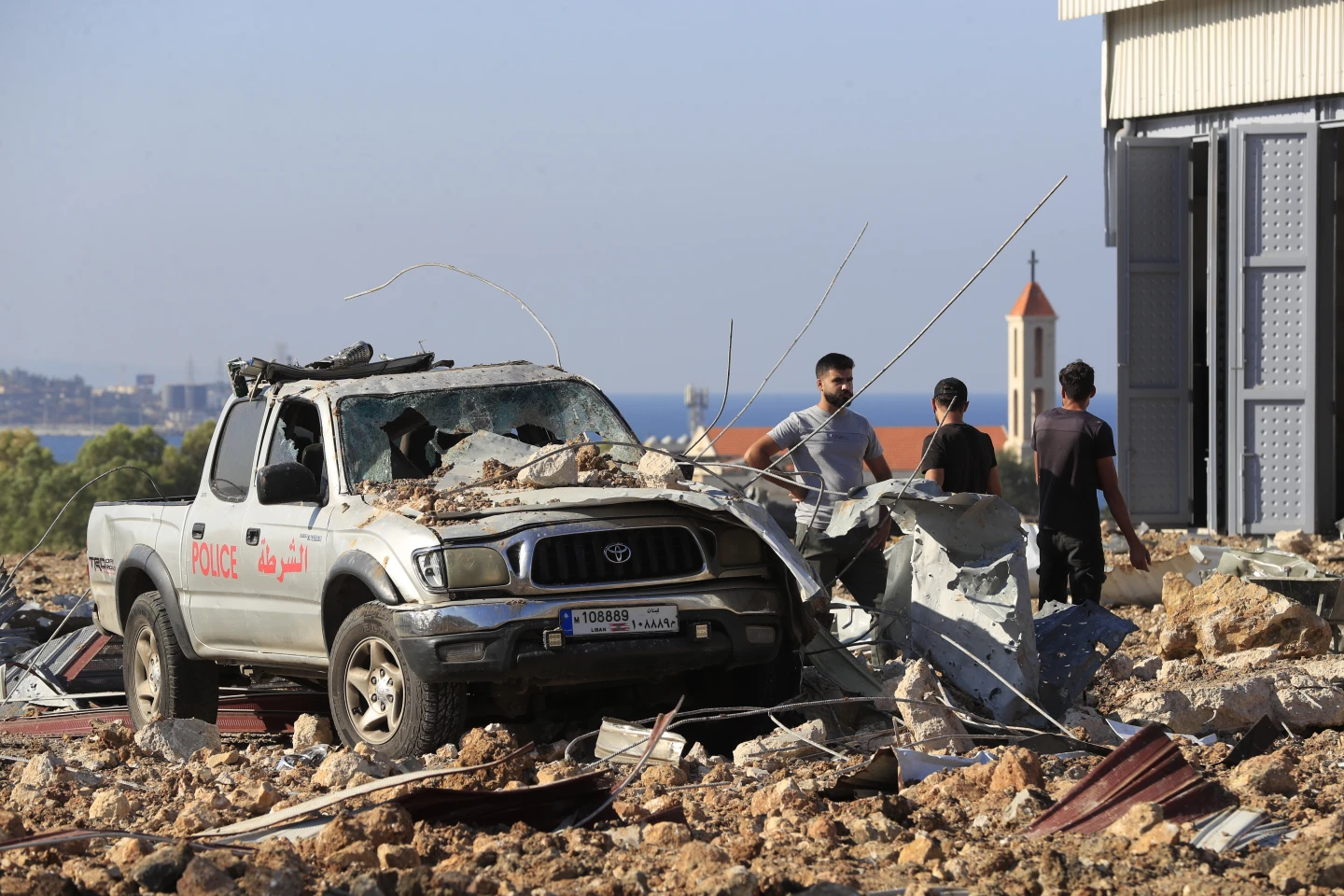
In response to the missile launch, Israel conducted new strikes on Hezbollah targets. Lebanese officials reported at least three people killed and nine wounded in an Israeli strike near Byblos, north of Beirut and far from Hezbollah’s main strongholds.

The conflict has forced thousands of Lebanese civilians to flee southward, seeking refuge in Beirut and Sidon. Displaced families are sheltering in schools, cars, parks, and along beaches, with some attempting to leave the country entirely.

Hezbollah’s strikes on Wednesday included dozens of rockets fired into northern Israel. One rocket hit an empty home in Safed, causing a fire. The Israeli military reported that at one point, militants fired 40 projectiles simultaneously.

The escalating violence has disrupted life for over a million people in northern Israel, with schools closed and public gatherings restricted. Many businesses in Haifa have shut down, and streets are noticeably emptier.

Israel has moved thousands of troops from Gaza to the northern border in response to the threat. The military estimates Hezbollah possesses around 150,000 rockets and missiles, some capable of striking anywhere in Israel.

As the situation deteriorates, the United Nations Security Council has scheduled an emergency meeting on Lebanon at France’s request. International concern is growing over the potential for a wider regional conflict, even as Israel continues its operations against Hamas in Gaza.

The recent escalation began after explosions hidden in pagers and walkie-talkies killed dozens in Lebanon last week, an attack blamed on Israel. Since then, both sides have intensified their military actions, with civilian casualties mounting and displacement increasing on both sides of the border.