MADRID – Brazilian soccer sensation Endrick, 18, has married his girlfriend, model Gabriely Miranda, 23, in a surprise ceremony less than a year after the couple first met. The Real Madrid forward and his new bride shared photos of their wedding on social media platforms Sunday.
Miranda, who boasts over one million Instagram followers, captioned her post with a Bible verse: “Matthew 19:6 So they are no longer two, but one flesh. Therefore what GOD has put together no one can separate.”
The wedding comes amid Endrick’s high-profile transfer to Spanish giants Real Madrid from Brazilian club Palmeiras. The teenage phenom joined Madrid this summer after the clubs agreed to a transfer in December 2022.
Previous reports had suggested the couple maintained a unique relationship agreement, allegedly including clauses prohibiting Endrick from having a virtual girlfriend in video games or engaging with other women’s social media accounts. These claims have not been independently verified.
Endrick has made four appearances for Real Madrid since his arrival, scoring once. He has also netted three goals in eleven matches for the Brazilian national team, cementing his status as one of world football’s most promising young talents.
The newlyweds’ whirlwind romance began less than 12 months ago. Miranda, an influencer with brand partnerships including New Balance, has rapidly become a recognizable figure in her own right.
Endrick could potentially make his UEFA Champions League debut when Real Madrid hosts German side Stuttgart on Tuesday evening.
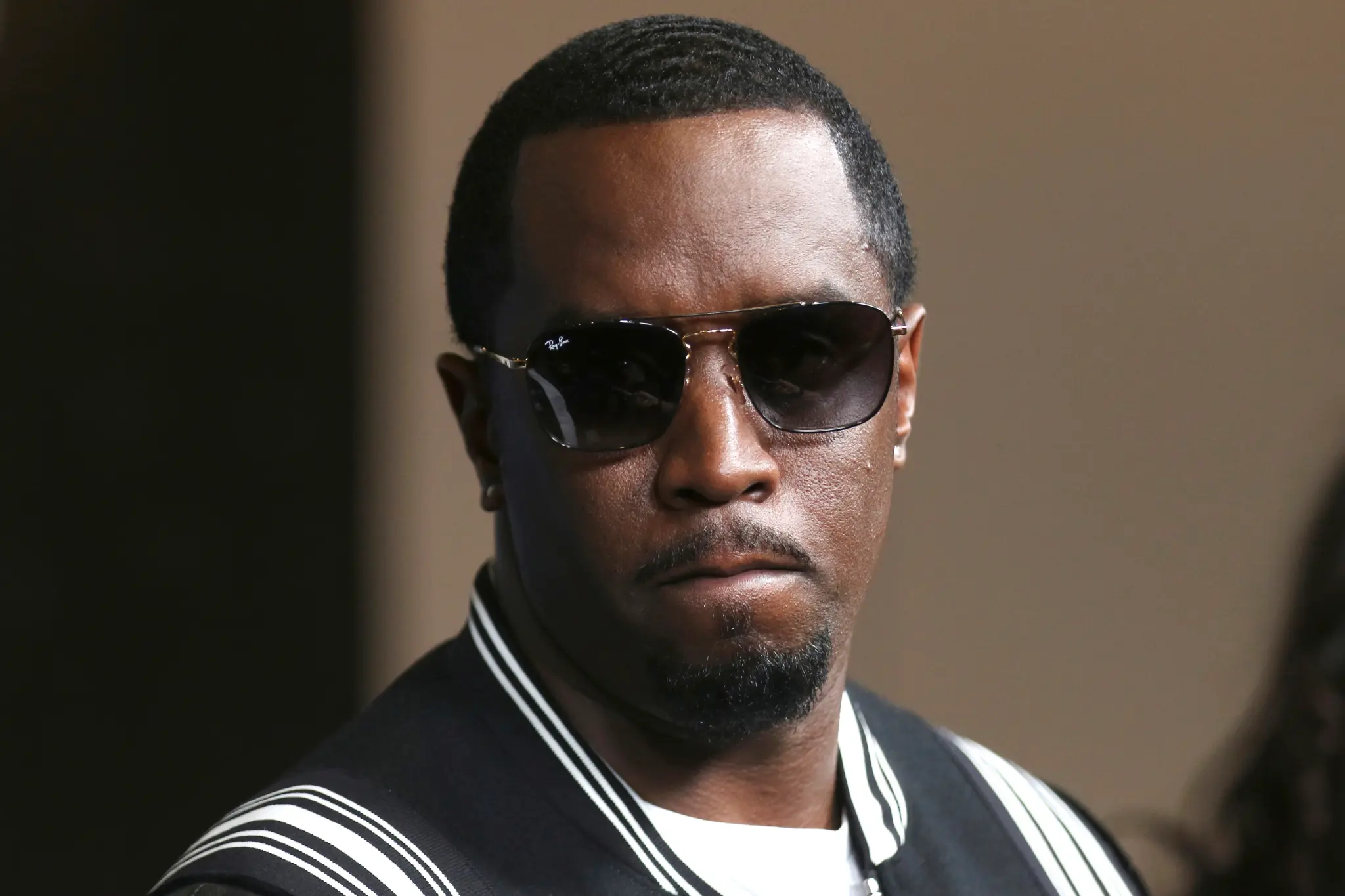
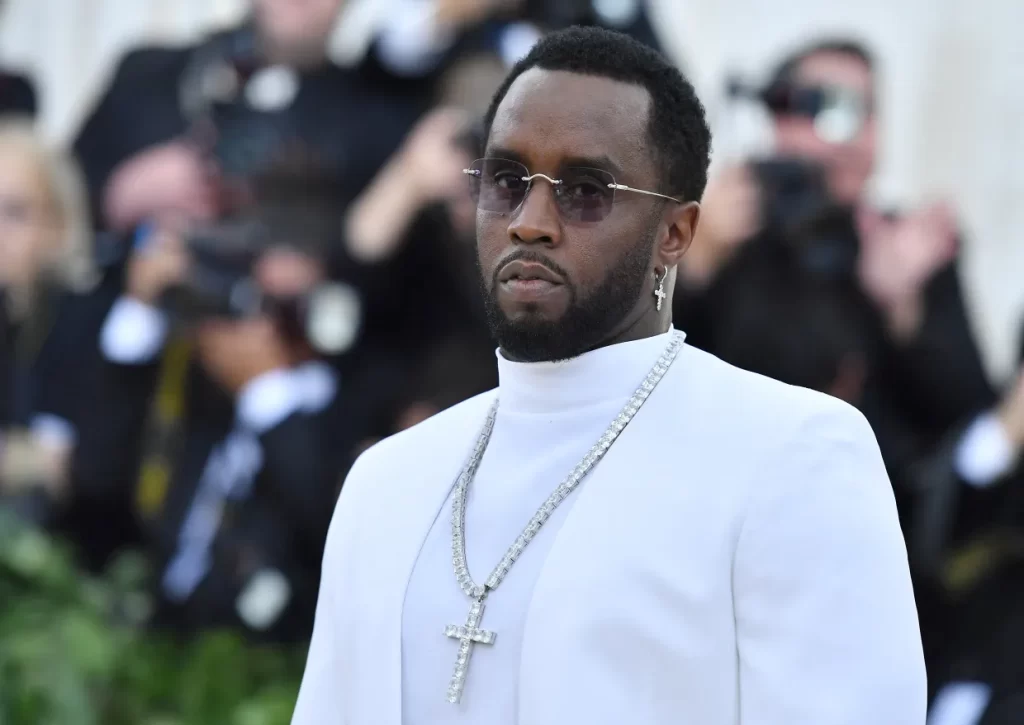
Sean “Diddy” Combs, the prominent rapper and music industry mogul, was arrested Monday night in New York City as part of an ongoing federal investigation into sex trafficking allegations, according to sources close to the matter.
The arrest follows a grand jury indictment, as reported by The New York Times. Details of the specific charges Combs is facing have not been officially released.
A source familiar with the situation stated that Combs has been cooperating fully with authorities and voluntarily traveled to New York in anticipation of the charges.
This arrest comes amid a series of legal challenges for the hip-hop star. In recent months, Combs has faced significant public backlash following allegations of abuse made by his former girlfriend, R&B singer Cassie Ventura, dating back to 2016.
The current investigation appears to be connected to a raid conducted by Homeland Security agents on Combs’ Beverly Hills mansion approximately six months ago. While the specific purpose of that March raid was not disclosed at the time, it is now believed to have been part of the ongoing sex trafficking investigation.
Combs, 54, has been a major figure in the music industry for decades, known for his work as a rapper, record producer, and entrepreneur. He founded Bad Boy Records in the early 1990s and has launched successful ventures in fashion and spirits.
The allegations and this arrest mark a significant turn in Combs’ public image and career. Representatives for Combs have not yet released an official statement regarding the arrest or the charges.
As this is an ongoing investigation, authorities have released limited information. The case is expected to unfold in the coming weeks, with more details likely to emerge as legal proceedings progress.
This development has sent shockwaves through the entertainment industry and reignited discussions about accountability and misconduct in the music business. Advocacy groups for victims of sexual abuse and trafficking have called for a thorough and fair investigation into the allegations.
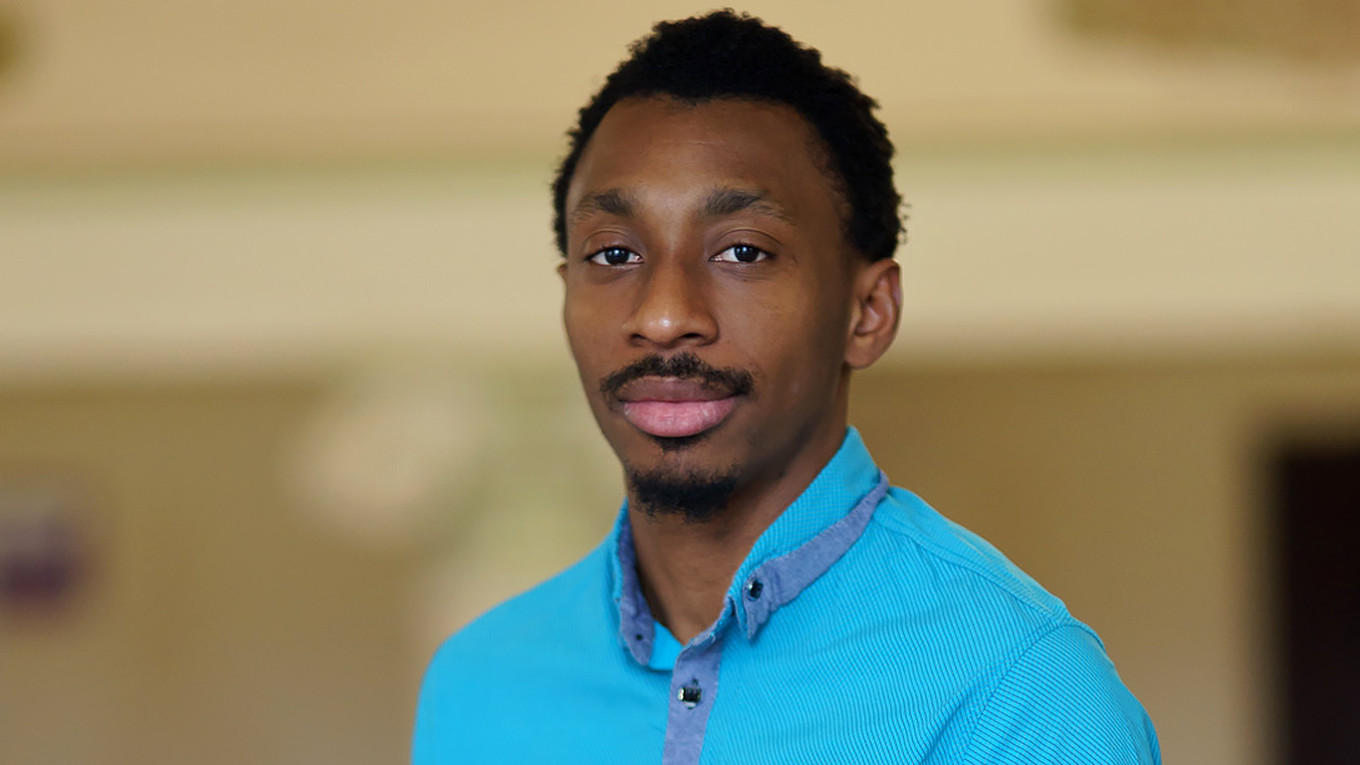
A court in Yekaterinburg, a city in Russia’s Ural Mountains region, has sentenced Daniil Fomin to eight years in prison for the fatal stabbing of François Ndjelassili, a Gabonese student, local media reported Monday.
The sentencing concludes a case that has drawn attention to issues of racial violence and the treatment of foreign students in Russia. Prosecutors had initially sought an 11-year sentence for Fomin, who was charged with murdering Ndjelassili in August 2023.
Ndjelassili, an economics student at Ural Federal University, had been living in Russia for several years before the incident. Eyewitness accounts describe an altercation that began at a Burger King restaurant after Ndjelassili was seen interacting with a Russian woman. The confrontation escalated outside, where witnesses reported hearing racial slurs before the fatal stabbing occurred.
Throughout the trial, Fomin maintained his innocence, claiming self-defense. However, unconfirmed reports suggested possible connections to a white supremacist group, and a closed neo-Nazi channel on Telegram allegedly organized a fundraiser for Fomin’s legal expenses following his arrest.
The case also highlighted concerns about law enforcement response. Two traffic police officers were fired for misconduct after video footage showed them failing to intervene promptly in the altercation. The officers were recorded making dismissive comments about the fight, saying, “there’s no need to break anything up” and “it’s not our problem.”
In the aftermath of Ndjelassili’s death, The Moscow Times reported that African students in Yekaterinburg were left shaken, underscoring the challenges and dangers faced by people of color in Russia.
This case has reignited discussions about racial tensions, the safety of international students, and the response of law enforcement to such incidents in Russia. As the sentence is handed down, advocacy groups continue to call for greater protections for foreign students and minorities in the country.
The Russian government has not issued an official statement regarding the case or its broader implications for international students in the country.
A 13-year-old boy allegedly carried out a violent attack at a school in Chelyabinsk, western Russia, seriously injuring a classmate and wounding four others, local authorities reported Thursday.
The incident, which occurred during a biology class, has left one 13-year-old girl fighting for her life after sustaining severe injuries to her throat. She was immediately rushed to surgery, hospital officials confirmed.
According to witness accounts, the suspect, identified only as Roman G., entered the classroom armed with multiple weapons, including a knife and a hammer. Initial reports also mentioned a pistol, which authorities later suggested may have been a replica.
Nina Shoshina, 57, the biology teacher present during the attack, recounted the sudden and chaotic nature of the incident. “He didn’t say anything, he just screamed,” she said. Shoshina suffered injuries while attempting to protect her students and subdue the attacker.
In total, four students and the teacher were injured in the assault. A second female student also required emergency medical attention, though details of her condition were not immediately available.
Law enforcement officials stated that the suspect was detained shortly after the attack. The motive for the violent outburst is still under investigation.
The suspect’s father told local media that his son had been the target of persistent bullying at school, describing incidents where classmates allegedly spat on him and “morally destroyed him.” This information has not been independently verified by authorities.
Hours before the attack, a social media account believed to belong to the suspect posted criticism of Russian President Vladimir Putin and the education system. The post contained statements about freedom of speech and allegations about the purpose of schools in society.
The incident has shocked the local community and reignited discussions about school safety and the challenges facing the Russian education system. Local education officials announced that they will be reviewing security protocols in light of the attack.
As the investigation continues, authorities have called for calm and urged against speculation until more facts are established. Support services are being offered to students, staff, and families affected by the incident.
Federal agents investigating rapper Sean “Diddy” Combs are reportedly collaborating with prosecutors handling the Tupac Shakur murder case, according to sources close to the investigation. This unexpected development potentially links decades-old allegations to current legal proceedings.
A source, speaking on condition of anonymity, told The U.S. Sun that federal investigators have been working with the Clark County District Attorney’s office in Las Vegas, sharing information related to the 1996 shooting of rap icon Tupac Shakur.
The collaboration reportedly focuses on broader claims of criminal activity, gangland connections, and individuals who may have wanted Shakur dead. Notably, the federal teams liaising with Vegas law enforcement are the same ones investigating Diddy’s ongoing sex trafficking case.
Federal agents raided Diddy’s homes in Los Angeles and Miami in March as part of a sex trafficking probe. Currently, Keefe D, whose real name is Duane Davis, is the only person charged with Shakur’s assassination. In interviews and a police statement, Keefe D has claimed that Diddy offered him $1 million to kill Tupac, an allegation Diddy has vehemently denied.
Court documents reveal that Diddy was mentioned 77 times in prosecutors’ filings opposing Keefe D’s bail request, highlighting the complex web of allegations surrounding the case.
A Las Vegas legal source stated: “Federal agents and Clark County DAs and their investigators have secretly been talking about the Keefe case for the last few months. The federal investigators have their work centered around the modern day activity of Diddy. But they know that Vegas has been collating information for the last couple of years on the Tupac case as well as speaking to tens of witnesses.”
The source added that this collaboration allows for easier access to federal documents and avoids duplication of efforts in the investigation.
Diddy’s attorney has maintained his client’s innocence in the federal probe. When approached for comment on the alleged connection to the Tupac case, representatives for Combs declined to comment. However, Diddy has previously denied any involvement in Shakur’s murder, stating in 2008, “This story is beyond ridiculous and completely false. Neither Biggie nor I had any knowledge of any attack before, during or after it happened.”
The Clark County District Attorney’s office has not publicly discussed Diddy in relation to Keefe D’s trial hearings. When reached for comment on this report, they did not respond.
Keefe D’s murder trial has been postponed to March 2025. His defense lawyer, Carl Arnold, has stated that Keefe’s central defense is that he fabricated stories about his role in Shakur’s shooting for money and fame.
The ongoing investigations and their potential connections highlight the complex and enduring nature of one of hip-hop’s most notorious unsolved crimes. As federal and local authorities continue their work, the rap industry and the public await further developments in these intertwined cases.
The U.S. Sun has reached out to Homeland Security Investigations, the Clark County District Attorney’s office, and representatives for Diddy for additional comment on these developments.
Six former members of the United Nation of Islam (UNOI) have been convicted of conspiracy to commit forced labor following a 26-day trial in Kansas. The case, which involved the exploitation of multiple minors, some as young as eight years old, spanned over a decade from 2000 to 2012.
The convicted individuals are Kaaba Majeed, 50; Yunus Rassoul, 39; James Staton, 62; Randolph Rodney Hadley, 49; Daniel Aubrey Jenkins, 43; and Dana Peach, 60. Majeed was additionally found guilty of five counts of forced labor. Two other co-defendants, Etenia Kinard, 48, and Jacelyn Greenwell, 45, had previously pleaded guilty to the conspiracy charge.
According to evidence presented in court, the defendants were high-ranking members of UNOI or wives of the organization’s founder, Royall Jenkins. The group operated businesses in several U.S. cities, including Kansas City, New York City, Newark, Cincinnati, Dayton, and Atlanta.
Assistant Attorney General Kristen Clarke of the Justice Department’s Civil Rights Division said, “The defendants betrayed this trust, exploiting young children in the organization by callously compelling their labor.” She emphasized the department’s commitment to holding human traffickers accountable.
U.S. Attorney Kate E. Brubacher for the District of Kansas praised the victims’ bravery in speaking out about the atrocities they endured as vulnerable children.
The trial revealed that the defendants compelled labor from over a dozen victims, including minors, who worked up to 16 hours a day in UNOI-owned businesses such as restaurants, bakeries, gas stations, and a clothing factory. Victims also provided unpaid childcare and domestic services in the defendants’ homes.
Evidence showed that victims lived in deplorable conditions while defendants lived comfortably. Minors were separated from parents under false promises of education and skill development. The defendants exerted control over various aspects of victims’ lives, including communication, dress, and diet. Punishments included food deprivation, isolation, and physical abuse. Victims were instilled with fear of leaving the organization through threats of eternal damnation and social isolation.
FBI Special Agent in Charge Stephen Cyrus stated, “Today’s convictions should serve as a stark warning that forced labor will not be tolerated by the FBI.”
Sentencing is scheduled for February 18, 2025. Kaaba Majeed faces up to 20 years in prison, while the other defendants face maximum sentences of five years each.
The case was investigated by the FBI Kansas City Field Office with assistance from the Department of Labor and New York State Department of Labor. It is being prosecuted by the U.S. Attorney’s Office for the District of Kansas and the Civil Rights Division’s Human Trafficking Prosecution Unit.
Authorities urge anyone with information about human trafficking to contact the National Human Trafficking Hotline at 1-888-373-7888.
The suspect in the alleged assassination attempt on former President Donald Trump did not fire any shots during the incident, according to a statement from the Secret Service. This revelation came during a briefing by Acting Director Ronald Rowe Jr., shedding new light on the events that transpired at Trump’s golf course in July.
“The subject who did not have a line of sight to Mr. Trump fled the scene. He did not fire any shots at our agent,” Rowe emphasized, clarifying the sequence of events. The incident unfolded when a Secret Service agent, conducting a routine area sweep, spotted the alleged gunman and “immediately discharged his firearm.” The suspect then fled without returning fire.
Rowe detailed the agency’s response to the threat, stating, “In the days that followed, Joe Biden made it clear he wanted the highest levels of protection for Mr. Trump and Kamala Harris. The Secret Service moved to sustain increases in assets and the level of protection sought, and those protections were in place yesterday.”
The briefing also revealed that Trump was swiftly moved to a secure location following the incident, underscoring the effectiveness of the enhanced security measures.
FBI Special Agent in Charge Jeffrey B. Veltri provided additional context about the suspect, identified as Ryan Routh. “Cellular data shows he was in the vicinity of the golf course 12 hours before the engagement with the Secret Service,” Veltri stated. He also noted Routh’s “active online presence,” indicating that investigators are currently analyzing his social media activity.
In a significant disclosure, Veltri revealed that Routh had previously been the subject of an FBI tip. “I can also share with you he was the subject of a previously closed 2019 tip to the FBI where it was alleged he was a felon in possession of a firearm,” he said. This information raises questions about potential missed warning signs and the handling of prior intelligence.
The fact that the suspect did not discharge a weapon during the incident highlights the effectiveness of the Secret Service’s rapid response and preventive measures. It also underscores the importance of ongoing vigilance and intelligence gathering in protecting high-profile political figures.
As the investigation continues, authorities are piecing together Routh’s movements and motivations in the lead-up to the incident. The thwarted attempt, despite the absence of gunfire from the suspect, has prompted a reassessment of security protocols for current and former political leaders.
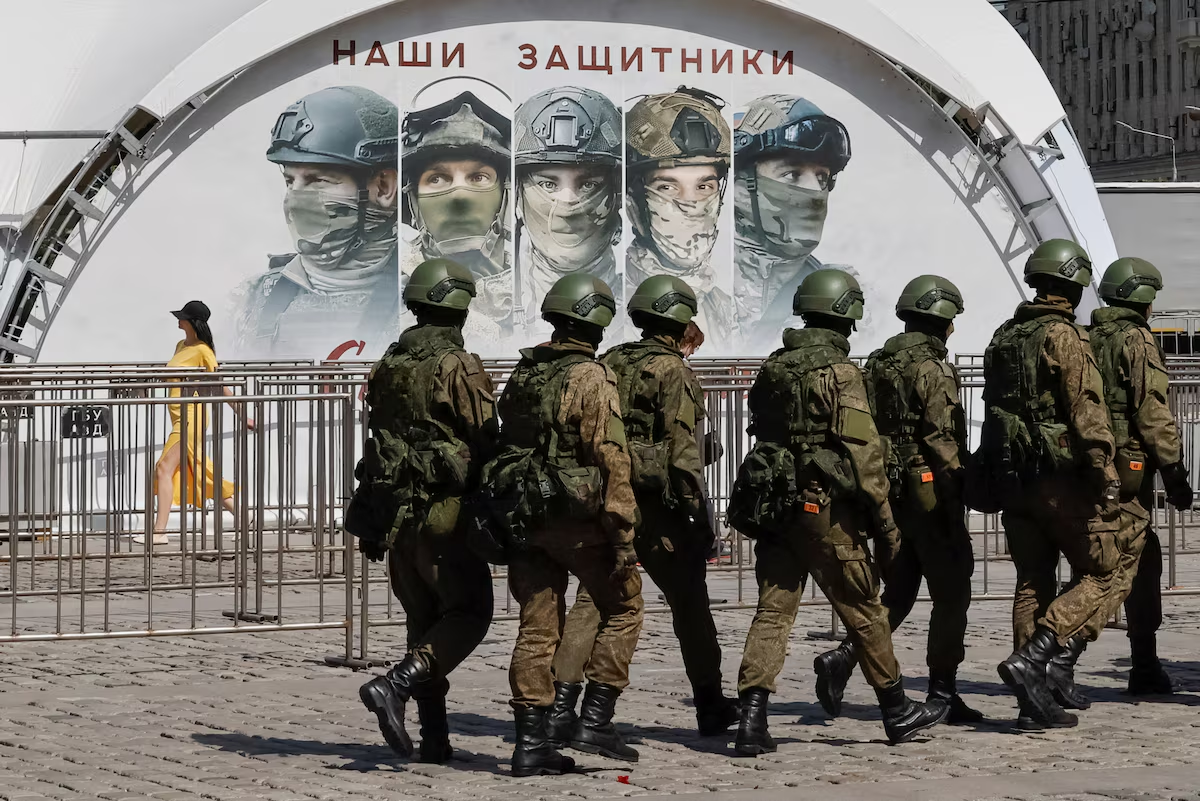
Russian President Vladimir Putin has ordered a substantial increase in the size of the country’s armed forces, aiming to make it the world’s second-largest military after China. The decree, published Monday on the Kremlin’s website, calls for expanding the regular army by 180,000 troops to reach 1.5 million active servicemen, with the total armed forces size set to increase to 2.38 million people.
According to data from the International Institute for Strategic Studies (IISS), this expansion would position Russia’s military as second only to China’s in size, surpassing both the United States and India in active combat personnel. The IISS reports that Beijing currently maintains just over 2 million active-duty service personnel.
The expansion comes amid ongoing military operations in Ukraine, where Russian forces are engaged along a vast 1,000-kilometer (627-mile) frontline. Both Russian and Ukrainian forces have sustained significant losses, though exact figures remain undisclosed military secrets. This marks Putin’s third military expansion order since February 2022, following two previous increases totaling 307,000 additional personnel.
Andrei Kartapolov, chairman of Russia’s lower house of parliament’s defense committee, explained that the increase is part of a broader plan to restructure the armed forces. He cited changing international dynamics, including Finland’s recent NATO membership, as factors necessitating the expansion. “We now need to form new structures and military units to ensure security in the north-west [of Russia] since Finland, with which we border, has joined the NATO bloc,” Kartapolov told Parlamentskaya Gazeta, the Russian parliament’s newspaper.
In late 2022, Russia also mobilized over 300,000 soldiers, prompting a significant exodus of draft-age men from the country. Currently, the Kremlin states that no new mobilization is planned, with the focus remaining on recruiting volunteers for the Ukraine conflict.
Dara Massicot, an expert on the Russian military at the Carnegie Endowment for International Peace, questioned the feasibility of the expansion, particularly in terms of financial sustainability. “There are ways to staff a standing 1.5 million force but the Kremlin will not like them if they are truly grappling with what that requires,” Massicot wrote on social media platform X. She suggested that Russia might need to consider unpopular options such as expanding the draft or changing laws to allow more women in military roles.
Massicot also emphasized the importance of distinguishing between a genuine initiative to recruit and expand, and a potential show of force to intimidate others. She noted that while the current volunteer method is working, it is showing signs of strain, and this expansion would mean increased expenses and further strain on resources.
This military expansion is likely to heighten tensions with NATO and other Western allies, potentially escalating the ongoing arms race and geopolitical rivalries. It also signals Russia’s long-term commitment to maintaining a strong military presence on the global stage, despite economic challenges and international sanctions.
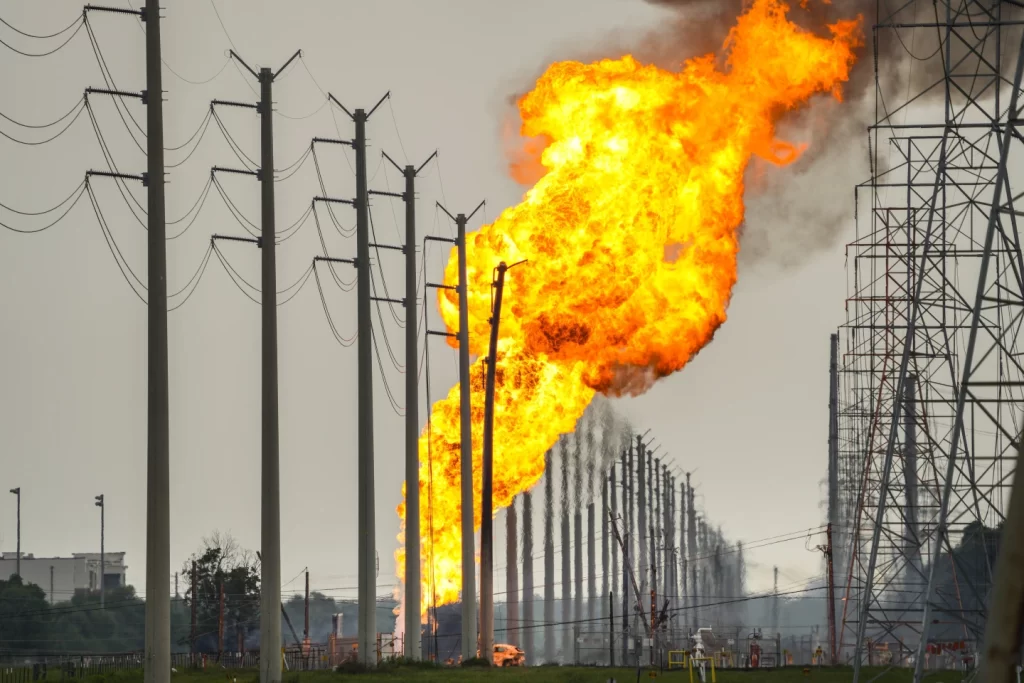
A pipeline explosion near Houston erupted into a towering flame on Monday, forcing evacuations and shelter-in-place orders as firefighters struggled to prevent nearby homes from burning.
The explosion occurred at a valve station in Deer Park, adjacent to La Porte, at approximately 9:55 a.m. local time. The 20-inch pipeline, owned by Dallas-based Energy Transfer, carries natural gas liquids used primarily in manufacturing plastics and chemicals.
Deer Park Mayor Jerry Mouton Jr. said operators have shut off the flow of natural gas liquids, but residual product in the pipeline continues to fuel the fire. Firefighters expect the blaze to burn for hours, possibly into Tuesday.
“The fire is very hot, so many adjacent house structures are still catching fire even though we’re putting a lot of water on them,” Mouton said.
Local authorities have not speculated on the cause of the fire, including the potential role of a burned car near the flame’s source. Energy Transfer acknowledged “early reports” of a car striking valve equipment but provided no further details.
The explosion has forced the evacuation of nearly 1,000 homes in the area, according to Lee Woodward, a spokesperson for La Porte. Several public schools implemented shelter-in-place orders as law enforcement cordoned off a wide area.
Geselle Melina Guerra, a resident within the evacuation zone, described the moment of the explosion: “All of a sudden we hear this loud bang and then I see something bright, like orange, coming from our back door that’s outside.”
Environmental Impact and Safety Concerns:
Ramanan Krishnamoorti, a petroleum engineering professor at the University of Houston, stated that allowing the fire to burn out is environmentally preferable to using suppressing agents. However, he noted that negative environmental consequences are inevitable, including the release of soot, carbons, and organic material.
Energy Transfer reported that air monitoring equipment is being set up near the plume of fire and smoke, visible from at least 10 miles away. Harris County Pollution Control stated that no volatile organic compounds had been detected as of Monday afternoon, though particulate matter from the smoke was at moderate levels.
The incident has reignited concerns about the safety of the extensive petrochemical infrastructure in the Houston area, which has seen similar explosions and fires in the past.
Ongoing Response:
One firefighter sustained a minor injury, the only reported casualty so far.
The fire has affected nearby power lines, with PowerOutage.us reporting that several thousand customers in Harris County experienced power outages at one point.
Krishnamoorti emphasized the need for thorough inspection and monitoring of the area’s extensive pipeline infrastructure for potential damage.
As the situation continues to develop, local authorities urge residents to follow evacuation orders and stay informed through official channels. The incident serves as a stark reminder of the risks associated with the petrochemical industry and the importance of robust safety measures and emergency response protocols.
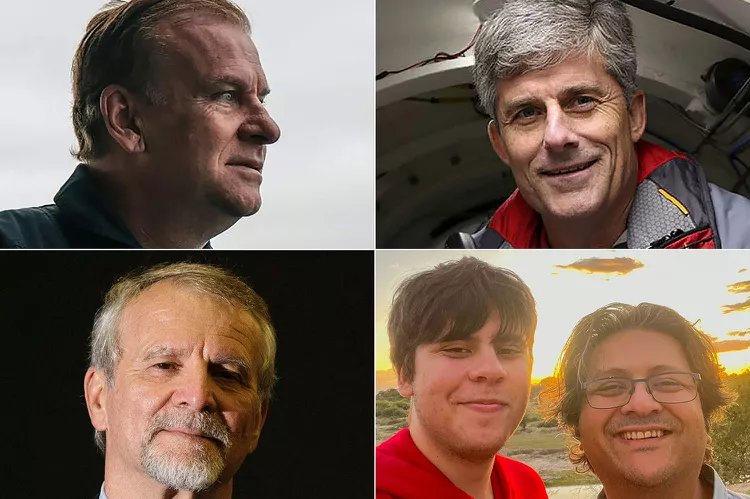
The U.S. Coast Guard has revealed the final messages exchanged between the ill-fated Titan submersible and its surface support ship, the Polar Prince, moments before the vessel imploded during its descent to the Titanic wreckage last year.
The details emerged Monday at the start of a two-week hearing into the tragedy that claimed five lives on June 18, 2023.
The Coast Guard presented an animated recreation of the dive, detailing the communication exchange between the Titan and the Polar Prince. The submersible began its descent around 9:20 a.m. local time, with routine messages exchanged for about 40 minutes. Just before 10:00 a.m., communication issues arose, leading to a series of urgent messages from the Polar Prince.
During this period of sporadic communication, the Titan acknowledged problems, stating they had “lost system and chat settings.” At 10:15 a.m., in what would be its final coherent message, the Titan responded “All good here” after the Polar Prince expressed concern about the quality of communications.
The last reported position from the Titan came at 10:24 a.m., when it notified the Polar Prince it was “east south east [of] the nbow,” likely referring to its proximity to the Titanic wreckage. Shortly after, the Polar Prince’s final query went unanswanted, marking the last contact with the submersible.
Paul-Henry Nargeolet, a renowned explorer aboard the submersible, is believed to have sent these messages, according to Coast Guard officials.
The hearing, which began on September 16, 2024, is expected to last two weeks. It aims to provide a comprehensive understanding of the events leading to the tragedy and to prevent similar incidents in the future.
The implosion resulted in the deaths of five individuals, including two prominent British businessmen. The incident has raised questions about the safety protocols and regulations surrounding deep-sea exploration vessels.
OceanGate, the company that owned and operated the Titan, has ceased all exploration operations following the tragedy. Employees of the company are scheduled to provide testimony during the hearing.