Spanish footballer Hugo Mallo has been convicted of sexually assaulting a woman dressed as a mascot before a La Liga match in 2019, a Barcelona court ruled on Thursday. The incident has sent shockwaves through Spanish football and reignited discussions about player conduct and safety measures for support staff at sporting events.
Mallo, 33, who was playing for Celta Vigo at the time of the incident, was found guilty of inappropriately touching the breasts of a woman wearing a parakeet costume representing rival team Espanyol. The assault occurred as players lined up before kick-off, a routine pre-match ritual that turned into a criminal act.
Judge Salvador Roi Tejedor, in his ruling, stated: “Upon reaching the height of the victim, disguised as a parakeet, the accused, with the intention of satisfying his libidinous desire and of undermining the sexual indemnity of the same, put his hands under the costume and touched her breasts, forcing the victim to step back and push the accused away with her right hand.”
The court has imposed a fine of €6,000 (£5,000) on Mallo and ordered him to pay €1,000 (£843) in damages to the victim. Additionally, he will be responsible for covering the legal costs of the proceedings.
VIGO, SPAIN – APRIL 17: Hugo Mallo of RC Celta in action during the LaLiga Santander match between RC Celta and RCD Mallorca at Estadio Balaidos on April 17, 2023 in Vigo, Spain. (Photo by Octavio Passos/Getty Images)
Mallo, who currently plays for Greek side Aris, maintains his innocence and has announced his intention to appeal the sentence. In a statement posted on Instagram alongside a video of the incident, Mallo wrote, “I continue to categorically deny the facts attributed to me in the ruling.” He acknowledged that while turning around after the greetings, his hand could have touched the waist of the mascot, but “absolutely denied” touching the mascot’s breasts.
The conviction has sparked debate within the Spanish football community about player behavior and the safety of individuals working in proximity to athletes during matches. It also raises questions about the effectiveness of current protocols to prevent such incidents and protect vulnerable staff members.
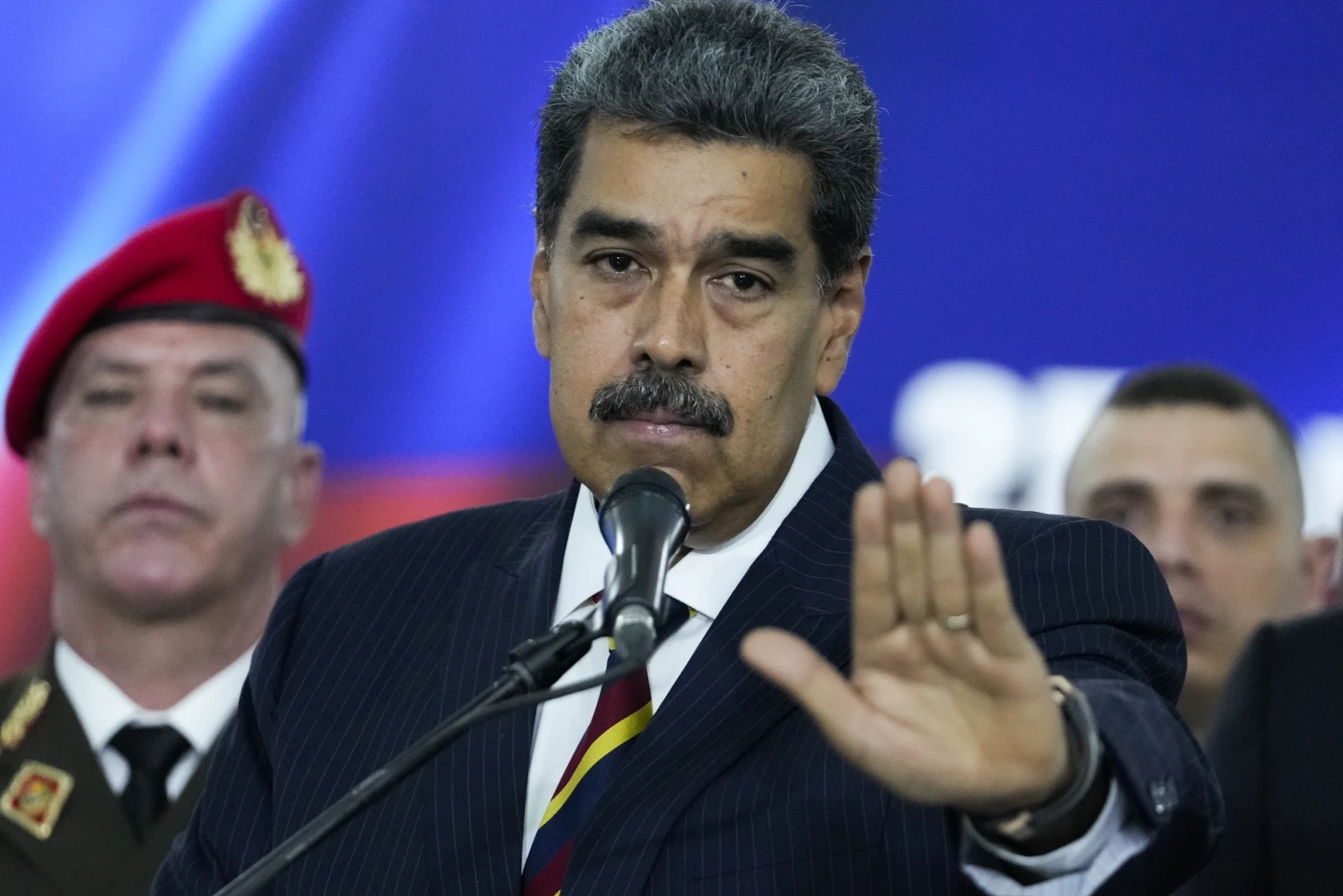
The Biden administration announced on Thursday the imposition of sanctions on 16 Venezuelan officials closely allied with President Nicolas Maduro, citing voter fraud in the recent election and subsequent crackdown on political opposition.
The sanctions come in the wake of opposition leader Edmundo Gonzalez’s flight to Spain, following the Maduro government’s issuance of an arrest warrant against him. Gonzalez is recognized by the United States and other countries as the legitimate winner of the July 28 presidential election.
Among those targeted by the sanctions are prominent figures in Venezuela’s government apparatus:
– Caryslia Rodriguez, Supreme Court President
Rosalba Gil, rector of the National Electoral Council (CNE), during a press conference with the new board of the CNE in Caracas, Venezuela, on Friday, Aug. 25, 2023. Venezuela’s congress approved a new electoral board Thursday dominated by senior figures from the socialist regime, including two who are sanctioned by the US Treasury. Photographer: Carlos Becerra/Bloomberg via Getty Images
– Rosalba Gil, electoral council director
– Pedro Infante, National Assembly Vice President
The list also includes military and intelligence officials accused of involvement in post-election repression.
Secretary of State Antony Blinken announced that in addition to the sanctions, the U.S. is imposing visa restrictions on an unspecified number of “Maduro-aligned” officials. This marks the first punitive measures taken by the U.S. in response to Maduro’s disputed reelection claim.
Deputy Treasury Secretary Wally Adeyemo emphasized the targeted nature of the sanctions, stating, “The Treasury Department is targeting key officials involved in Maduro’s fraudulent and illegitimate claims of victory and his brutal crackdown on free expression following the election, as the overwhelming majority of Venezuelans call for change.”
The Venezuelan government swiftly rejected the U.S. actions. Foreign Minister Yvan Gil described the sanctions as a “new crime of aggression by the United States against Venezuela,” characterizing them as “unilaterally coercive, illegitimate and illegal measures.”
While Venezuelan election officials and the country’s top court have declared Maduro the winner, the opposition claims that tallies collected by its observers show a clear victory for Gonzalez. Many democratic countries have condemned Maduro’s claim of victory without providing proof and have demanded full transparency in the electoral process.
The flight of Gonzalez, a 75-year-old veteran diplomat, to Spain seeking political asylum has dealt a significant blow to Venezuelans’ hopes for political change. The post-election crackdown and the international community’s cautious response have further dimmed prospects for loosening Maduro’s grip on power.
The Biden administration’s measured approach to sanctions reflects complex geopolitical considerations. U.S. officials have expressed concerns about actions that could potentially spike global oil prices or further damage Venezuela’s struggling economy, fearing an increased flow of Venezuelan migrants to the U.S.-Mexico border.
Notably, the U.S. stopped short of announcing new actions against Venezuela’s vital energy sector, which is already under heavy U.S. sanctions. When asked about potential future oil sector-related actions, including restrictions on U.S. oil producer Chevron’s operations in Venezuela, a senior U.S. official stated that a “range of options” were under consideration but did not provide specifics.
The effectiveness of individual sanctions remains a point of debate, given that Washington has already targeted more than 140 Venezuelan officials, including Maduro himself in 2017, and placed U.S. visa bans on nearly 2,000 people.
U.S. officials maintain that these sanctions are an important step in pressuring Maduro to “make better decisions” regarding Venezuela’s political situation before the presidential inauguration in January.
The complex situation in Venezuela continues to evolve, with the U.S. having broadly eased sanctions on Venezuela’s oil industry last October in response to a deal between Maduro and opposition parties. However, in April, the U.S. reimposed these sanctions, accusing Maduro of failing to meet most of his electoral commitments.
As the international community grapples with the aftermath of Venezuela’s disputed election, the latest U.S. sanctions underscore the ongoing tensions between Washington and Caracas, and the challenges of effecting political change in the South American nation.
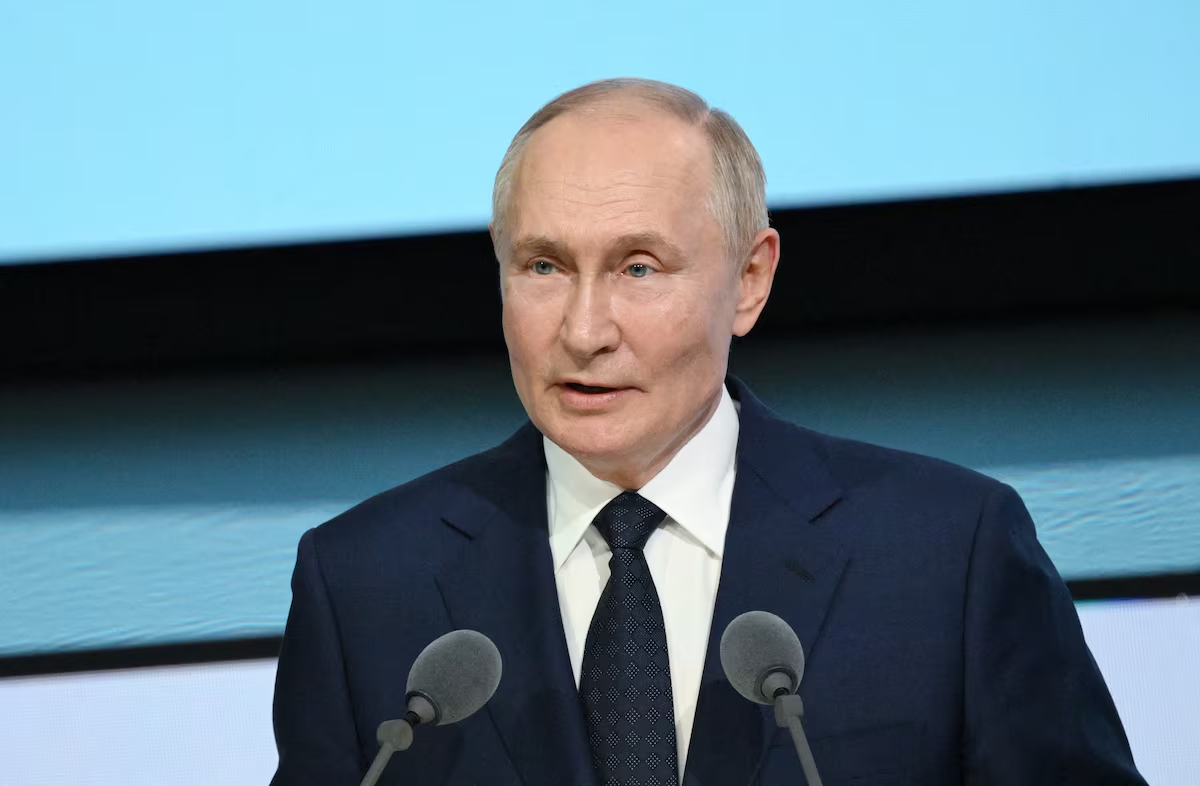
Russian President Vladimir Putin issued a stark warning on Thursday, stating that Western countries would be directly fighting Russia if they allow Ukraine to use Western-made long-range missiles to strike Russian territory. In some of his most bellicose comments to date, Putin emphasized that such a move would fundamentally alter the nature and scope of the ongoing conflict.
Speaking to Russian state television, Putin asserted that the use of Western long-range missiles against Russia would necessitate direct involvement of NATO military personnel in targeting and programming the weapons. “This is not a question of allowing the Ukrainian regime to strike Russia with these weapons or not. It is a question of deciding whether or not NATO countries are directly involved in a military conflict,” Putin declared.
The Russian leader’s comments come in response to repeated pleas from Ukrainian President Volodymyr Zelenskiy for Western allies to provide Kyiv with advanced missile systems, including U.S. ATACMS and British Storm Shadows. Zelenskiy argues that such weapons are crucial for limiting Moscow’s ability to launch attacks from within Russian territory.
Putin warned that if Western countries decide to supply these weapons, “It will mean nothing less than the direct involvement of NATO countries, the United States and European countries in the war in Ukraine. This will be their direct participation, and this, of course, will significantly change the very essence, the very nature of the conflict.”
The Russian president hinted at potential retaliatory measures, stating that Russia would be forced to take “appropriate decisions” based on the new threats. While not specifying these measures, Putin has previously mentioned the possibility of arming Western enemies with Russian weapons to strike targets abroad and deploying conventional missiles within range of the United States and its European allies.
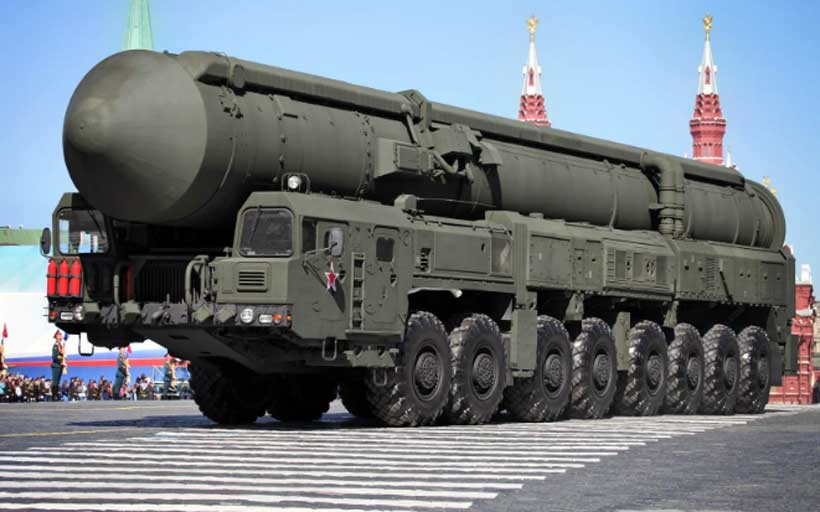
Putin’s warning carries additional weight given Russia’s status as the world’s largest nuclear power. The country is currently revising its nuclear doctrine, with influential foreign policy hawks pushing for changes that would explicitly state Russia’s willingness to use nuclear weapons against countries supporting “NATO aggression in Ukraine.”
The escalating rhetoric comes amid a series of significant developments. Russia is conducting major naval exercises with China, showcasing its military partnerships. Moscow is also considering curbs on major commodity exports, potentially impacting global markets. Meanwhile, the West has accused Russia of receiving ballistic missiles from Iran, claims that Tehran dismisses as “ugly propaganda.”
Putin frames the conflict as part of an existential battle against a declining West, which he accuses of humiliating Russia after the fall of the Berlin Wall by encroaching on Moscow’s sphere of influence, including Ukraine. In contrast, Western nations and Ukraine characterize the invasion as an imperial-style land grab and have pledged to defeat Russia militarily.
As the conflict approaches its second year, Russia controls over 18% of Ukrainian territory. The potential introduction of Western long-range missiles into the conflict represents a critical juncture, with Putin’s warnings highlighting the risk of further escalation and broader international involvement.
The international community now faces a delicate balancing act: supporting Ukraine’s defense while avoiding actions that could trigger a direct confrontation between NATO and Russia. Putin’s latest statements underscore the high stakes involved in these decisions and the potential for rapid escalation in what is already Europe’s largest land war since World War II.
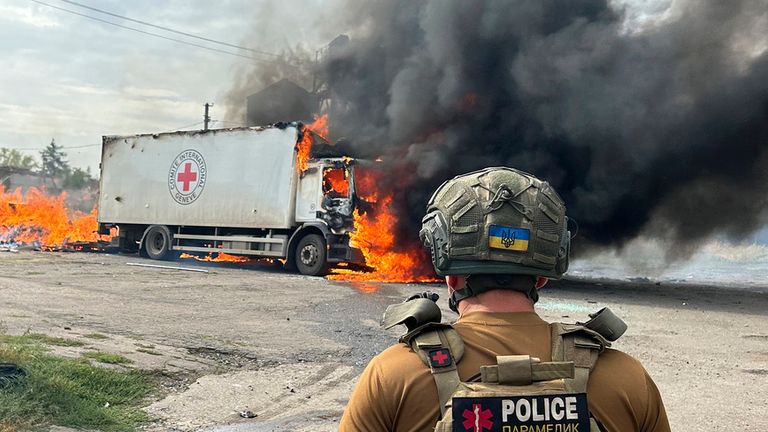
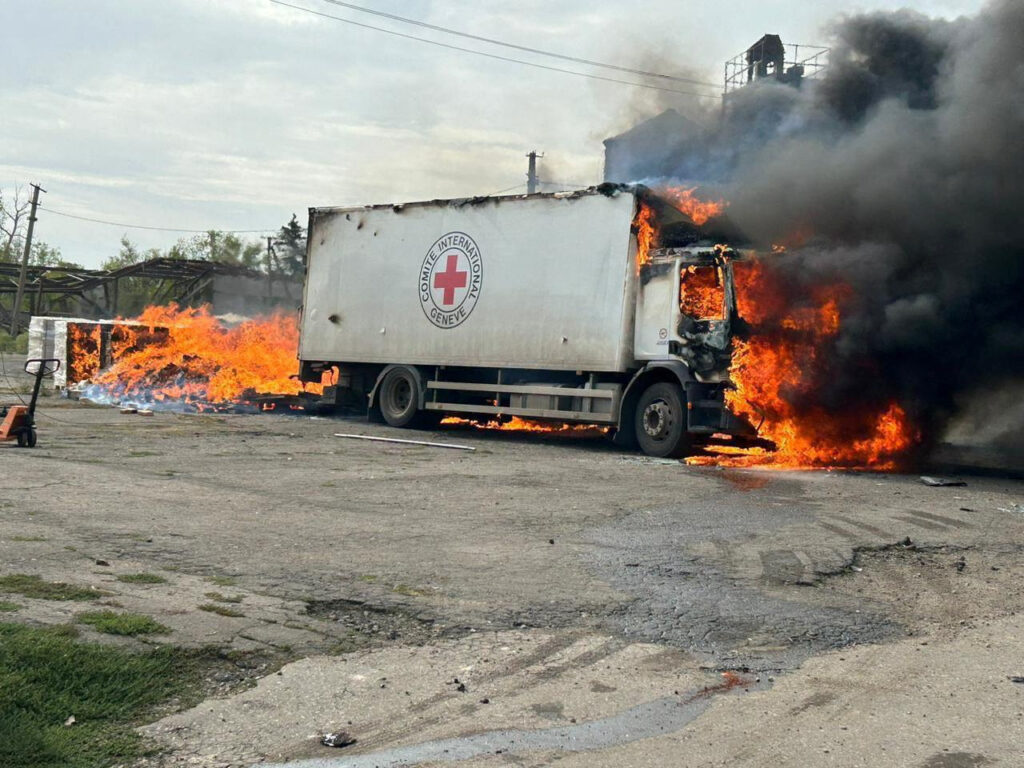
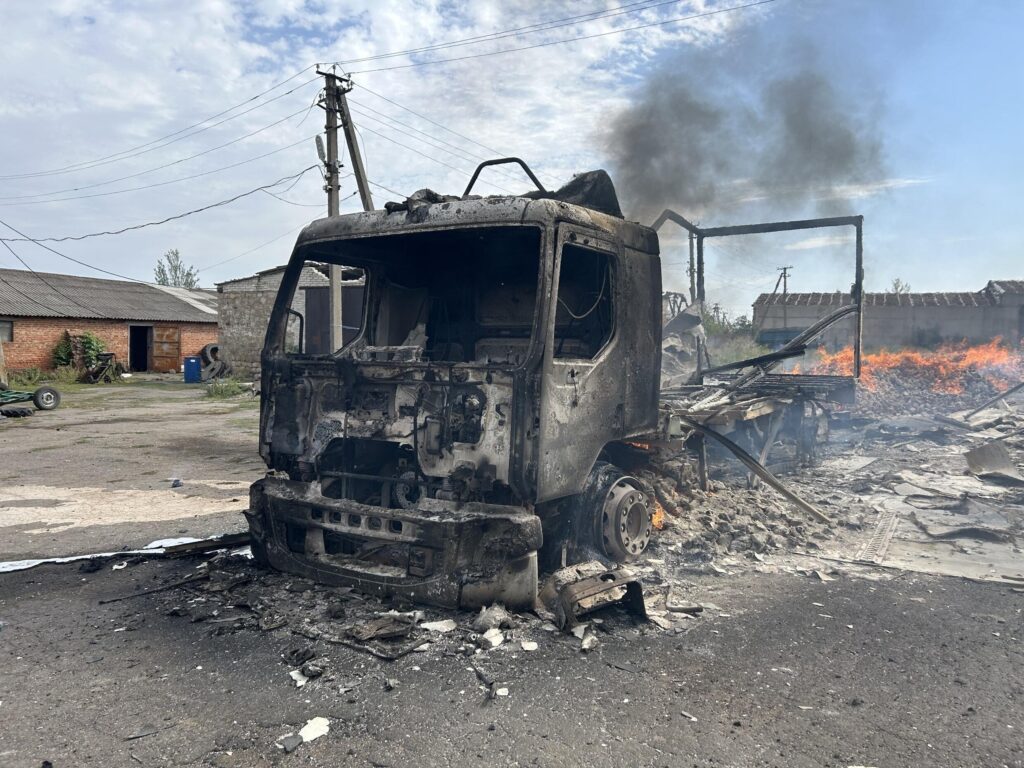
Russian shelling in eastern Ukraine killed three Ukrainian workers for the International Committee of the Red Cross (ICRC) and wounded two others on Thursday, Ukrainian officials reported. The attack occurred in the village of Viroliubivka in the frontline Donetsk region, underscoring the perilous conditions faced by humanitarian workers in the ongoing conflict.
Ukrainian President Volodymyr Zelenskiy condemned the attack on social media platform X, formerly known as Twitter, calling it “another Russian war crime.” He emphasized that the victims were part of a humanitarian mission in the Donetsk region.
Donetsk regional governor Vadym Filashkin confirmed the casualties via the Telegram messaging app, stating that the village of Viroliubivka had come under shelling. The Prosecutor General’s Office provided additional details, revealing that the ICRC employees were unloading fuel briquettes intended to help local residents with heating before winter when the attack occurred.
ICRC President Mirjana Spoljaric issued a strong statement condemning the attack: “I condemn attacks on Red Cross personnel in the strongest terms. It’s unconscionable that shelling would hit an aid distribution site.” The ICRC emphasized that their teams are regularly present in the Donetsk region and their vehicles are clearly marked with the Red Cross emblem, which should afford them protection under international humanitarian law.
Of the two injured employees, one was reported to be in serious condition, according to prosecutors. The attack not only resulted in loss of life but also disrupted critical humanitarian aid efforts in an area regularly subjected to Russian shelling and airstrikes.
The incident highlights the dangerous conditions under which humanitarian workers operate in conflict zones, particularly in eastern Ukraine where the frontlines have shifted little in recent months but violence remains a daily occurrence. The Donetsk region, partially occupied by Russian troops, has been a focal point of intense fighting since the beginning of Russia’s full-scale invasion in February 2022.
Moscow has consistently denied targeting civilians or civilian infrastructure in its invasion of Ukraine. However, thousands of civilians have been killed in Russian attacks since the war began, according to Ukrainian and international monitors.
This attack on clearly marked humanitarian workers has drawn international attention and is likely to lead to renewed calls for better protection of aid workers and civilians in conflict zones. It also underscores the challenges faced by organizations like the ICRC in delivering crucial assistance to populations caught in the crossfire of ongoing hostilities.
As investigations into the incident continue, the international community watches closely, with many expecting this event to further strain diplomatic relations between Russia and Western nations supporting Ukraine. The loss of these humanitarian workers serves as a grim reminder of the human cost of the conflict and the risks faced by those attempting to alleviate suffering in war-torn regions.
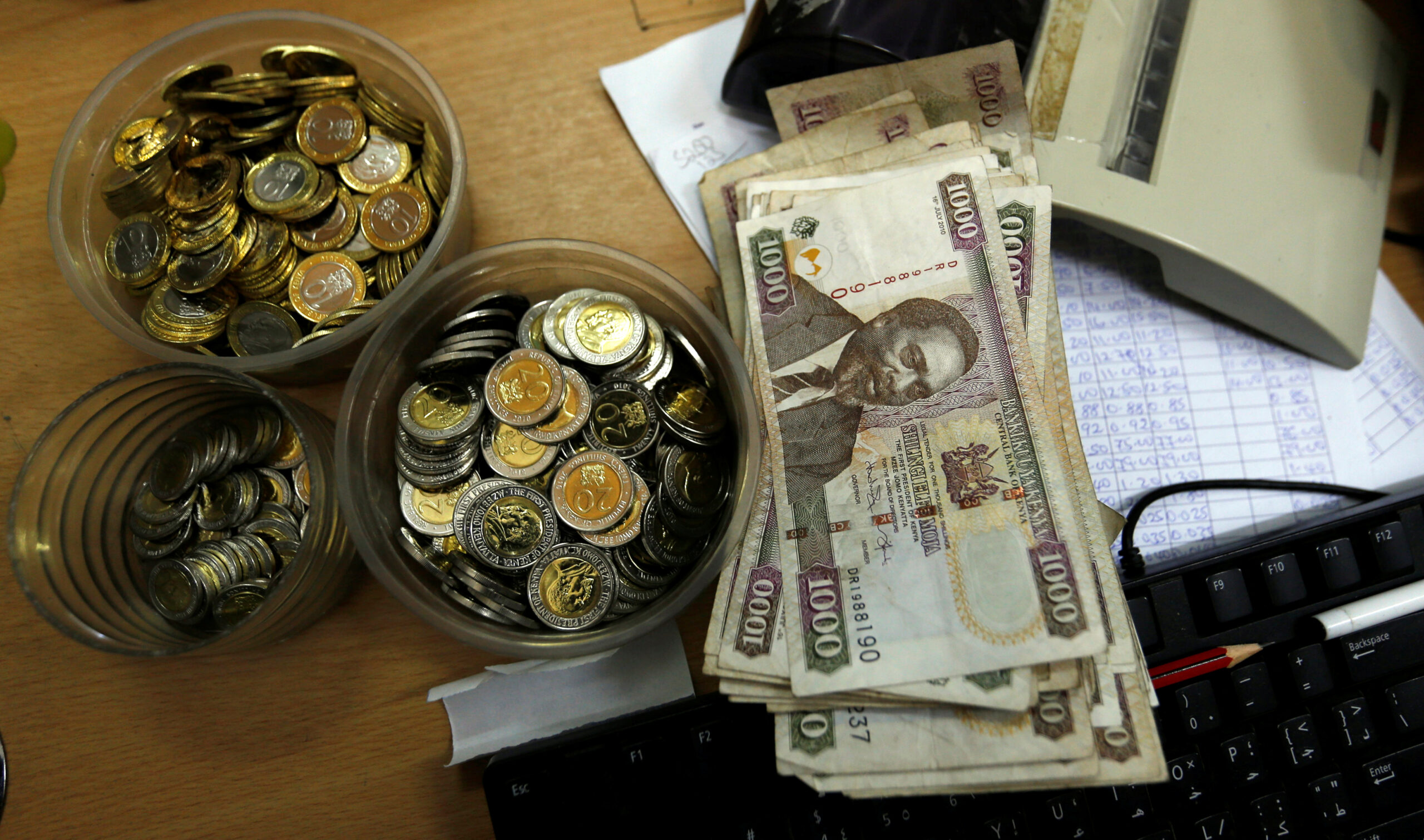
Kenya shilling coins and notes are pictured inside a cashier's booth at a forex exchange bureau in Kenya's capital Nairobi, April 20, 2016. REUTERS/Thomas Mukoya/File Photo
In the coming week, the currencies of Kenya, Uganda, Ghana, and Zambia are forecasted to maintain relative stability, while Nigeria’s naira may face depreciation pressures, according to market traders.
Kenya
The Kenyan shilling is anticipated to remain relatively unchanged throughout the upcoming week, continuing a period of stability that has persisted for approximately a month. According to data from LSEG, the shilling traded at 128.50/129.50 per U.S. dollar on Thursday, a slight shift from the 128.25/129.25 rate recorded at the previous week’s close.
A trader remarked, “We’re stuck within this range; the shilling has reached a stable zone.” Earlier this year, the Kenyan shilling saw strong performance due to easing concerns over the country’s ability to meet its $2 billion Eurobond maturity in June. However, since April, momentum has slowed.
Nigeria
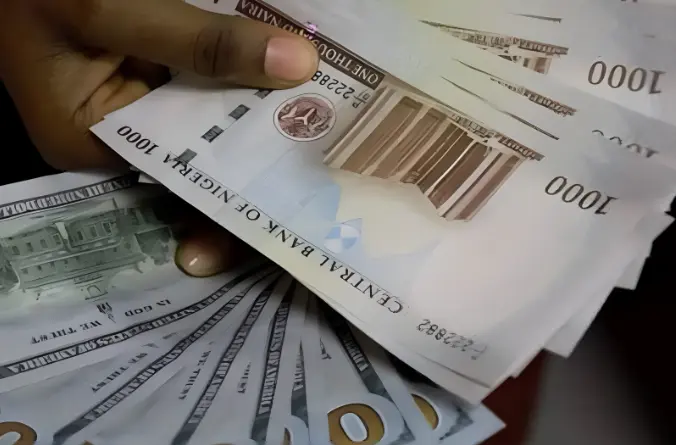
Nigeria’s naira may experience further weakening due to increased demand for foreign currency, despite the government raising $900 million through a domestic dollar bond issuance. LSEG data showed the naira trading at 1,650 per dollar in the official market on Thursday, aligning with rates seen in street trading. This represents a drop from the previous week’s official closing rate of 1,592 naira.
One trader explained, “The dollar raise in itself does not translate to an appreciation until the central bank releases those dollars into the market. Demand is overpowering supply.” The trader added that increased interventions by the central bank could potentially stabilize the naira, but recent interventions have been insufficient to curb depreciation pressures.
Ghana
Ghana’s cedi is expected to maintain relative stability, supported by subdued foreign-currency demand and ongoing central bank interventions. The cedi traded at 15.65 per dollar on Thursday, a marginal increase from 15.62 a week prior, according to LSEG data.
Senior trader Sedem Dornoo from Absa Bank Ghana noted, “The cedi has traded relatively stable against the dollar over the past week, with minimal interbank activity. Corporate demand has also decreased.” He predicted that the currency would likely remain stable in the near term. Another trader agreed, suggesting that central bank support would likely anchor the currency for the time being.
Uganda
Uganda’s shilling is predicted to trade within a tight range, bolstered by low demand for U.S. dollars as local firms prepare for mid-month tax payments. On Thursday, the shilling was quoted at 3,715/3,725 per dollar, compared to the previous week’s close of 3,716/3,726.
“With mid-month tax payments approaching, I expect the local unit to gain some support,” one trader stated. The trader also anticipated that the shilling would fluctuate between 3,700 and 3,730 per dollar in the next week.
Zambia
Zambia’s kwacha is likely to remain stable, supported by companies selling U.S. dollars in preparation for tax payments. As of Thursday, the kwacha was quoted at 26.25 per dollar, a slight improvement from the previous week’s 26.30 rate.
“We have VAT payments due mid-next week, and this should support the local unit,” commented a financial analyst, pointing to tax obligations as a key factor likely to stabilize the kwacha in the short term.
Multiple buildings in Springfield, Ohio, were the target of bomb threats on Thursday morning, prompting a significant police response and heightening tensions in a city already grappling with recent controversies.
The Springfield City Commission office confirmed that the threats were delivered via email to “multiple agencies and media outlets.” The nature and extent of these threats have not been fully disclosed, but authorities are treating the situation with utmost seriousness.
“Our primary concern is the safety and well-being of our employees and residents,” a statement from the city commission office read. “We are working to address this situation as swiftly as possible.” The office urged community members to avoid the area surrounding City Hall while the investigation is ongoing and to report any suspicious activity to the Springfield Police Division.
The bomb threats come at a particularly sensitive time for Springfield, following a week of baseless rumors and misinformation about the city’s Haitian migrant population. These unfounded claims, which alleged that Haitian migrants were abducting and eating local pets, gained traction on social media and were amplified by several right-wing politicians, including former President Donald Trump and Senator JD Vance.
During Tuesday night’s presidential debate, Trump made the unsubstantiated claim, “In Springfield, they’re eating the dogs. The people that came in, they’re eating the cats, they’re eating, they’re eating the pets of the people that live there.”
Springfield city officials have strongly refuted these allegations. A spokesperson for the city told ABC News, “There have been no credible reports or specific claims of pets being harmed, injured or abused by individuals in the immigrant community.” The spokesperson further clarified that there have been no verified instances of immigrants engaging in illegal activities such as squatting, littering, or deliberately disrupting traffic.
Springfield estimates that 12,000 to 15,000 immigrants currently reside in the county, with many drawn to the area due to its low cost of living and work opportunities. While the rapid population growth has strained local resources, including housing, healthcare, and schools, city officials emphasize that these migrants are in the country legally, with many being recipients of Temporary Protected Status.
The Haitian Bridge Alliance has condemned the “baseless and inflammatory” claims about Haitian migrants, stating that such rhetoric “not only perpetuates harmful stereotypes but also contributes to the dangerous stigmatization of immigrant communities, particularly Black immigrants from the Republic of Haiti.”
In response to the growing tensions, Ohio Governor Mike DeWine has committed to sending additional resources to Springfield. DeWine also joined local officials in dispelling the rumors about Haitian migrants, emphasizing the need for factual information and community support.
As authorities investigate the bomb threats, there is speculation about whether they might be connected to the recent spread of misinformation. However, officials have not yet established any direct link between the two events.
The situation in Springfield highlights the potential real-world consequences of online misinformation and the challenges faced by local authorities in managing community tensions while ensuring public safety. As the investigation into the bomb threats continues, city officials are calling for calm and urging residents to rely on official sources for accurate information about community issues and potential security threats.
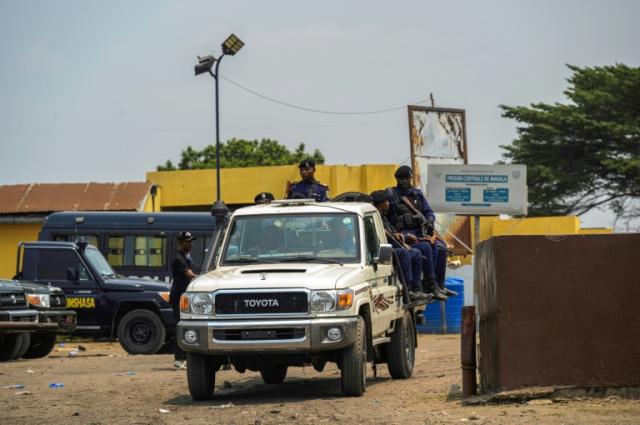
A shocking internal United Nations report, reviewed by Reuters, has revealed that more than 260 female inmates were sexually assaulted during a recent mass escape attempt at the Democratic Republic of Congo’s Makala Central Prison in Kinshasa.
The incident, which occurred in the early hours of September 2, resulted in at least 129 deaths as prison guards used live ammunition to prevent the breakout. The scale of sexual violence during the chaos has now come to light, with the UN report detailing that 268 out of 348 incarcerated women were subjected to sexual violence, including rape. Alarmingly, 17 of these victims were under the age of 19.
The Makala Central Prison, designed to hold 1,500 inmates, was housing over 15,000 at the time of the incident, underscoring the severe overcrowding issues plaguing Congo’s penal system. This overpopulation likely contributed to the chaotic conditions during the escape attempt.
Victims’ accounts paint a horrifying picture of the events. One survivor, speaking anonymously to Reuters for fear of reprisals, reported being raped by at least a dozen inmates. Another witness described seeing male prisoners “throwing themselves at the female prisoners,” noting that even elderly women were not spared from the attacks.
The women’s block, one of seven out of the prison’s 11 blocks vandalized during the breakout attempt, was the primary target of the assaults. The UN report’s detailed figures stem from the immediate need to provide post-attack kits and emergency contraception to victims within 72 hours of the assaults.
Emmanuel Cole, a Congolese rights defender with over two decades of experience monitoring prisons, called this “the worst case we have seen in terms of the number of rapes during an escape.” Cole suggested that the UN figures might be an underestimate, as some victims may have been too afraid of repercussions to come forward.
The Congolese government, which had initially acknowledged that women were sexually assaulted without providing specific numbers, has not yet responded to requests for comment on the UN report’s findings.
In response to the incident, President Felix Tshisekedi has ordered an investigation into the Makala prison break and called for a review of the country’s main prisons to address overcrowding issues. Despite the chaos, no prisoners ultimately managed to escape during the incident.
This mass assault highlights not only the immediate security concerns within Congo’s prison system but also broader issues of overcrowding, inadequate protection for vulnerable inmates, and the potential for human rights abuses in such environments. The international community will likely be watching closely to see how the Congolese government addresses these systemic problems in the wake of this tragedy.
As investigations continue, there are growing calls for improved security measures, better separation of male and female prisoners, and urgent action to reduce prison populations to manageable levels. The incident at Makala Central Prison serves as a stark reminder of the critical need for prison reform and improved conditions for inmates in the Democratic Republic of Congo.
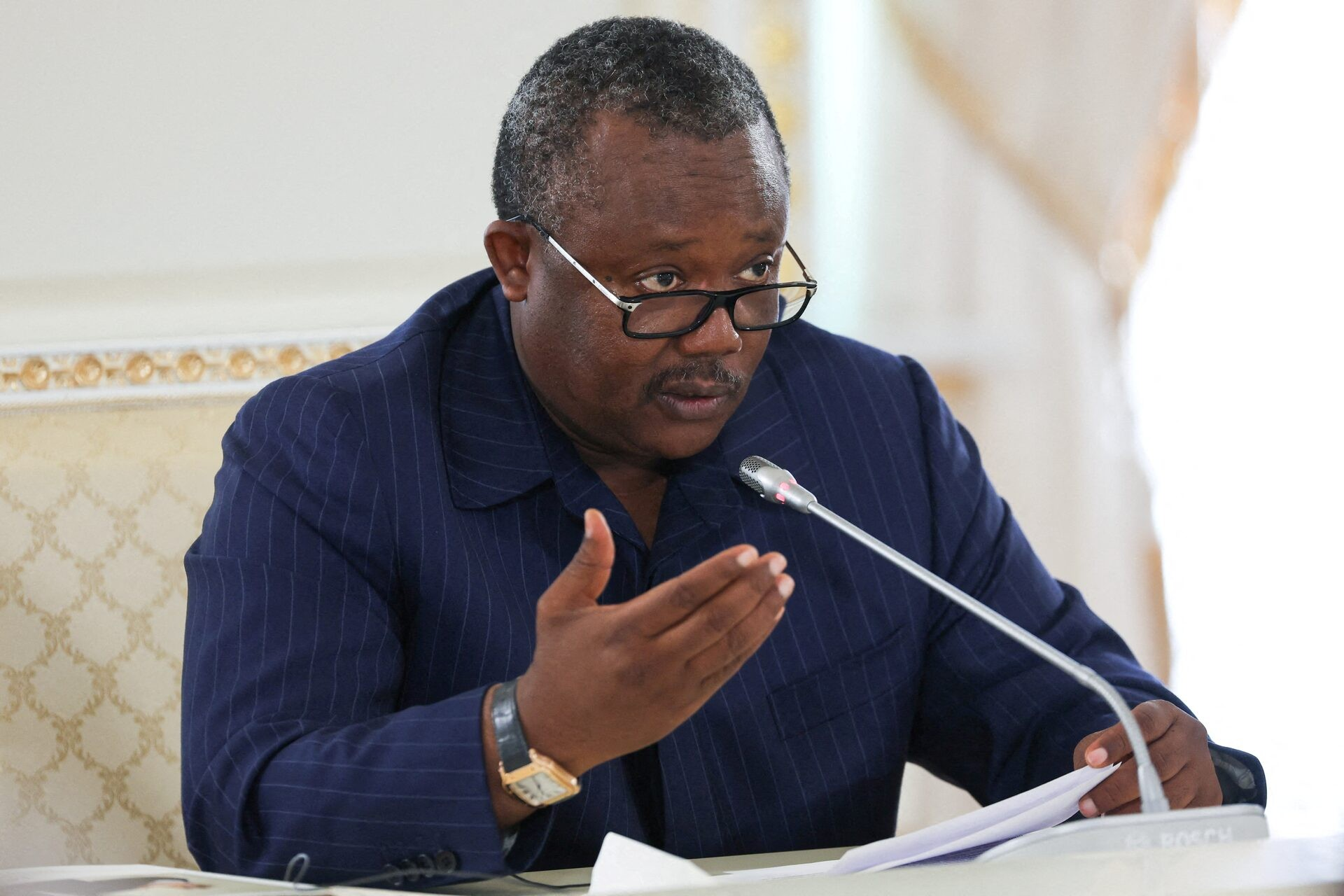
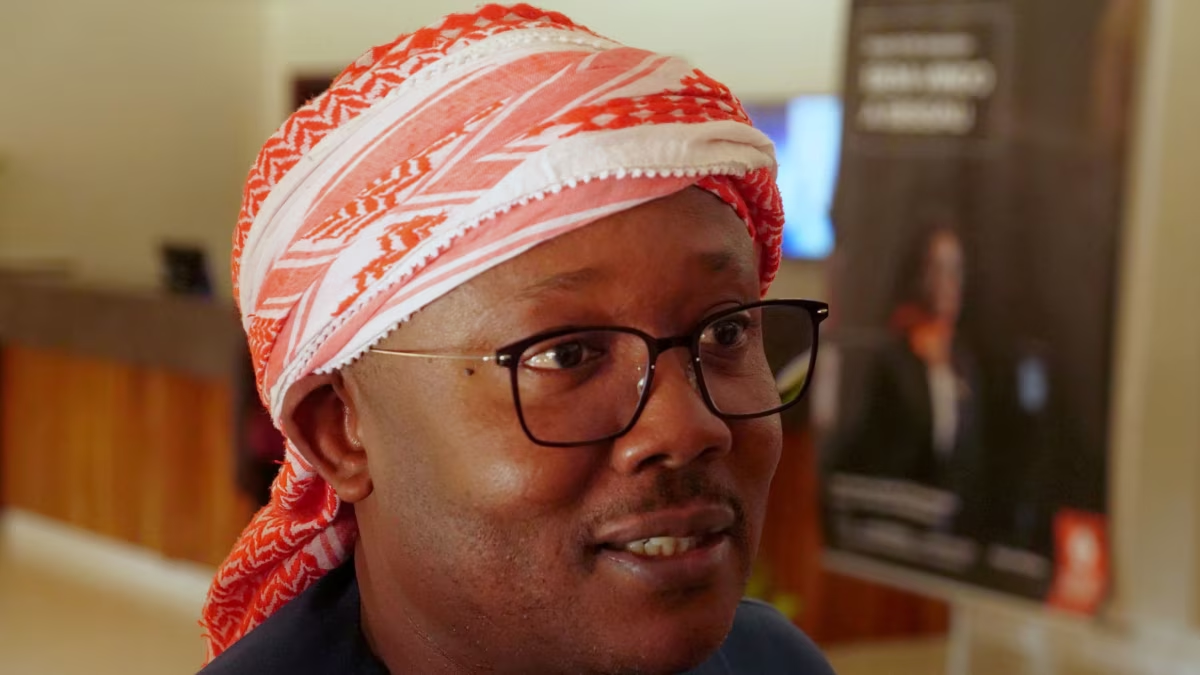
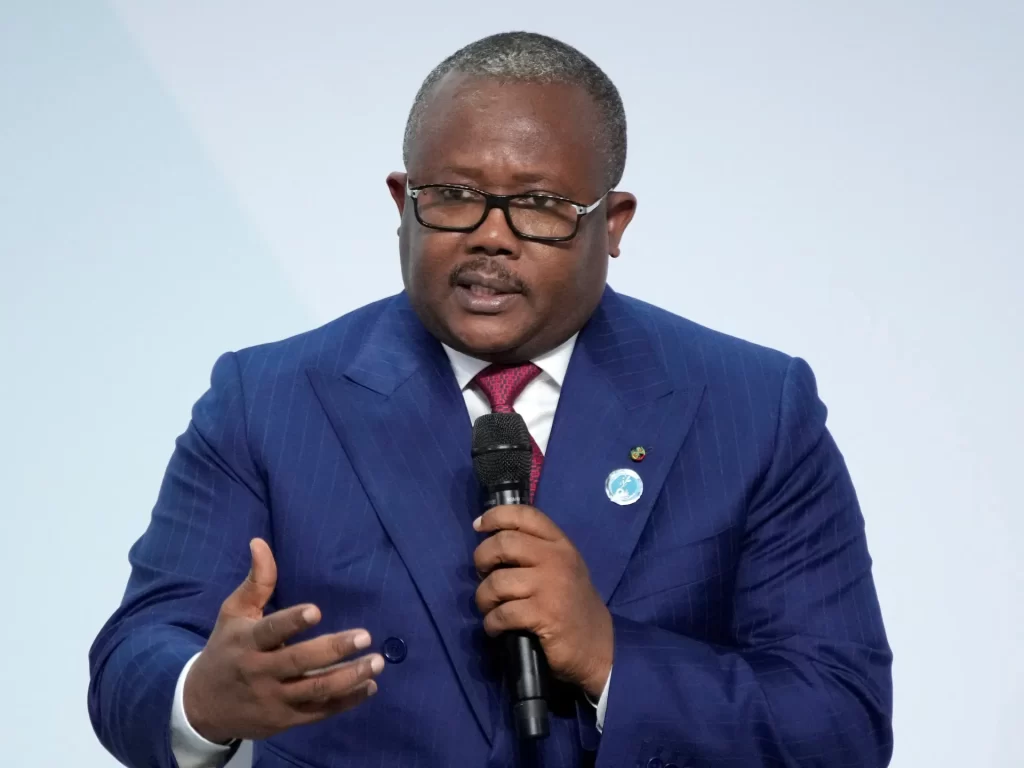
In a surprising turn of events, Guinea Bissau’s President Umaro Cissoko Embalo announced Thursday that he will not seek re-election in the upcoming November polls, potentially triggering a power vacuum in the politically volatile West African nation.
Embalo, 51, who has led the country since January 2020, made the unexpected declaration at the conclusion of a council of ministers meeting. The president, who defeated his main rival Domingos Simoes Pereira with 54% of the vote in the last election, cited personal reasons for his decision.
“My wife has dissuaded me from running again,” Embalo stated, adding an unexpected twist to the country’s political landscape. He also took the opportunity to rule out certain opposition figures as potential successors, specifically naming Pereira, Braima Camara, and Nuno Gomes Na Bian, though he did not elaborate on these exclusions or suggest a preferred candidate.
Embalo’s presidency has been marked by political turbulence, characteristic of Guinea Bissau’s post-independence history. Since gaining independence from Portugal in 1974, the country of approximately two million people has experienced frequent coups and political unrest. Embalo himself claims to have survived two coup attempts during his tenure, the most recent occurring in December 2023.
The president’s decision not to seek re-election comes at a critical juncture for Guinea Bissau:
1. Political Instability: Embalo inherited a long-running political impasse and has twice dissolved parliament during his term, most recently in December 2023 following the alleged coup attempt.
2. Constitutional Challenges: His efforts to consolidate power by changing the country’s semi-presidential system were thwarted after the May 2022 legislative elections, which he called following his first dissolution of parliament.
3. Systemic Issues: Guinea Bissau’s current political system, where the majority party or coalition appoints the government but the president can dismiss it under certain circumstances, has often led to deadlock and instability.
4. Economic and Security Concerns: The country has struggled with economic development and has emerged as a significant cocaine trafficking hub. Just days before Embalo’s announcement, police seized 2.63 tons of cocaine from a Venezuelan plane, highlighting ongoing security challenges.
Embalo, a former army general who served as prime minister under his predecessor Jose Mario Vaz, came to power promising stability and development. However, his tenure has been marked by political maneuvering and allegations of power consolidation attempts.
The president’s decision not to run opens up the field for potential candidates, but also raises concerns about the continuity of governance in a country that has struggled to maintain political stability. The exclusion of key opposition figures from Embalo’s list of potential successors adds another layer of complexity to the upcoming electoral process.
As Guinea Bissau prepares for the November elections, the international community will be watching closely. The country’s strategic location in West Africa and its recent history of political volatility make the upcoming transition of power a matter of regional and international concern.
Political analysts suggest that Embalo’s announcement could lead to a reshuffling of political alliances and the emergence of new candidates in the coming months. The challenge for Guinea Bissau will be to navigate this transition while maintaining stability and addressing the pressing economic and security issues facing the nation.
Sudan and the United Arab Emirates traded sharp accusations Wednesday at a United Nations Security Council meeting, highlighting the increasing internationalization of Sudan’s 17-month-long civil war. The clash occurred as the Council voted unanimously to extend an arms embargo on Sudan’s Darfur region until September 12, 2025.
Sudanese Ambassador Al-Harith Mohamed leveled serious allegations against the UAE, accusing it of providing weapons to the Rapid Support Forces (RSF), the paramilitary group fighting against Sudan’s military government. Mohamed claimed the UAE was “profiting from this war through the illegal exploitation of gold” and prolonging the conflict that has devastated the country since April 2023.
“We have evidence of a recent weapons shipment that went through Chad to the RSF,” Mohamed told the Council. He alleged that Chad’s recently reopened Adre border crossing, intended for humanitarian aid, was being “abused” to funnel arms to the paramilitary force. The Sudanese envoy also claimed that a European bullion market had confirmed UAE’s profiteering from Sudanese gold.
In response, UAE Ambassador Mohamed Abushahab swiftly rejected the accusations, calling them “utterly false” and “baseless.” He countered by accusing Sudan’s government of refusing to engage in peace negotiations with the RSF. “To end this conflict, the SAF [Sudanese Armed Forces] must take the vital step of participating in the peace talks and summon the political courage to negotiate with their enemy,” Abushahab stated.
The UAE diplomat criticized Sudan’s military for showing “zero political courage” and accused it of using starvation as a weapon of war. He pointed to Sudan’s boycott of recent negotiations in Geneva, Switzerland, which were aimed at spurring humanitarian aid and initiating peace talks.
The heated exchange underscored the complex dynamics of the conflict, which has forced more than 13 million people to flee their homes and plunged the country into a dire humanitarian crisis. World Health Organization chief Tedros Adhanom Ghebreyesus recently reported that over 20,000 people have been killed in the fighting.
U.S. Deputy Ambassador Robert Wood emphasized the desperate situation in Darfur, where people “live in danger and desperation and despair.” He cited intense floods, restrictions on humanitarian aid, persistent human rights violations, and mass displacement as daily challenges faced by civilians.
The Security Council’s decision to extend the Darfur arms embargo was seen as a crucial step in addressing the ongoing crisis. However, some countries and human rights organizations, including Human Rights Watch, advocated for expanding the embargo to cover the entire country. Jean-Baptiste Gallopin of Human Rights Watch called the Council’s failure to extend sanctions nationwide “a missed opportunity” that should be corrected to “limit the flow of arms and curb widespread atrocities.”
The meeting also referenced a recent report by UN-backed human rights investigators, which called for an “independent and impartial force” to protect civilians in Sudan. The report accused both sides of war crimes and suggested that foreign governments arming and financing the conflicting parties could be complicit in these atrocities.
As the conflict continues to escalate, with echoes of the genocide that occurred in Darfur two decades ago, international pressure is mounting for a resolution. British Deputy Ambassador James Kariuki urged states to refrain from enhancing either side’s fighting capability and called on those with influence to bring the parties to the negotiating table.
The ongoing accusations between Sudan and the UAE highlight the regional complexities surrounding the conflict and the challenges facing international efforts to broker peace. As the humanitarian situation worsens and the death toll rises, the international community remains divided on how best to address the crisis and bring an end to the devastating civil war in Sudan.