Home Blog Page 718

Russian Shelling Kills Three Red Cross Workers in Eastern Ukraine

0

Russian shelling in eastern Ukraine killed three Ukrainian workers for the International Committee of the Red Cross (ICRC) and wounded two others on Thursday, Ukrainian officials reported. The attack occurred in the village of Viroliubivka in the frontline Donetsk region, underscoring the perilous conditions faced by humanitarian workers in the ongoing conflict.
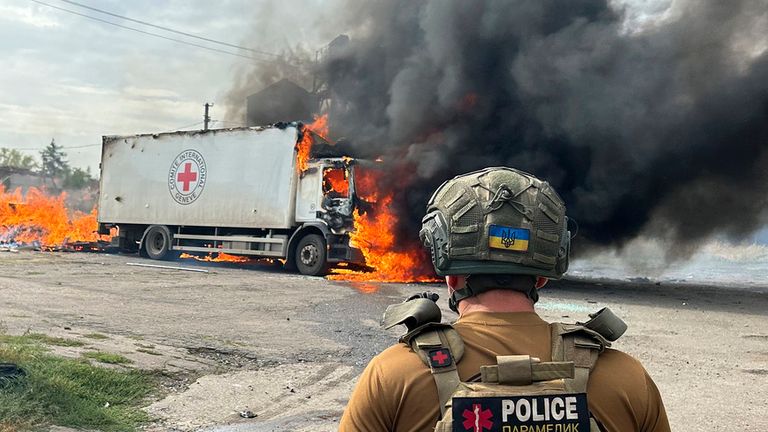
Ukrainian President Volodymyr Zelenskiy condemned the attack on social media platform X, formerly known as Twitter, calling it “another Russian war crime.” He emphasized that the victims were part of a humanitarian mission in the Donetsk region.

Donetsk regional governor Vadym Filashkin confirmed the casualties via the Telegram messaging app, stating that the village of Viroliubivka had come under shelling. The Prosecutor General’s Office provided additional details, revealing that the ICRC employees were unloading fuel briquettes intended to help local residents with heating before winter when the attack occurred.
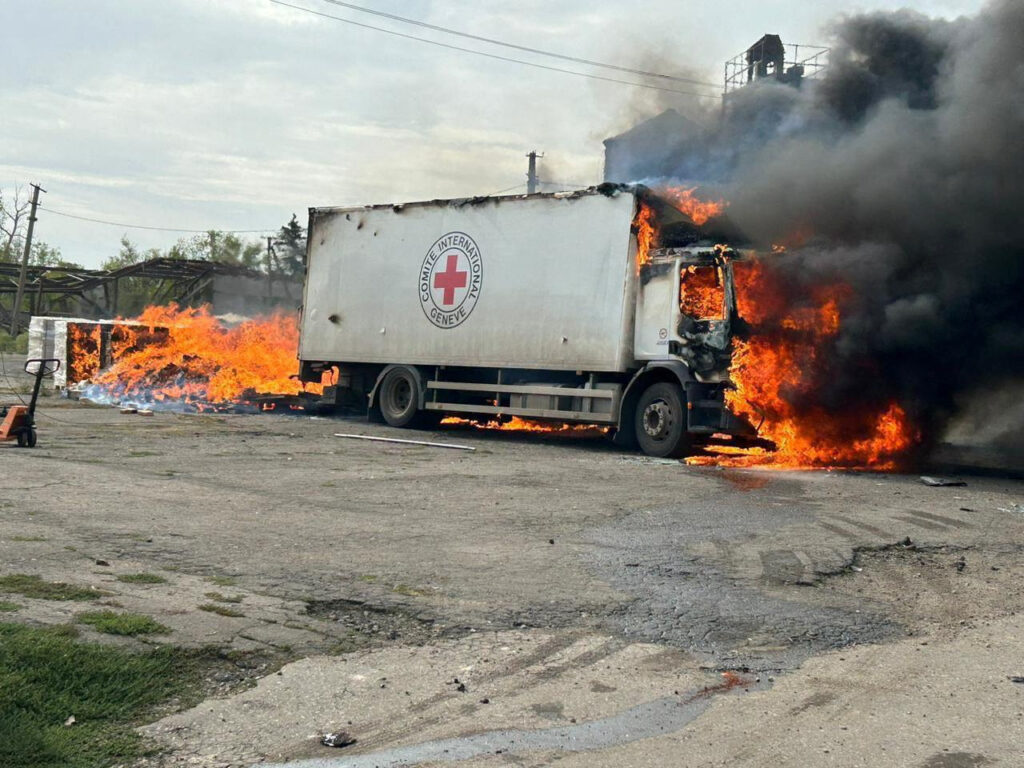
ICRC President Mirjana Spoljaric issued a strong statement condemning the attack: “I condemn attacks on Red Cross personnel in the strongest terms. It’s unconscionable that shelling would hit an aid distribution site.” The ICRC emphasized that their teams are regularly present in the Donetsk region and their vehicles are clearly marked with the Red Cross emblem, which should afford them protection under international humanitarian law.

Of the two injured employees, one was reported to be in serious condition, according to prosecutors. The attack not only resulted in loss of life but also disrupted critical humanitarian aid efforts in an area regularly subjected to Russian shelling and airstrikes.

The incident highlights the dangerous conditions under which humanitarian workers operate in conflict zones, particularly in eastern Ukraine where the frontlines have shifted little in recent months but violence remains a daily occurrence. The Donetsk region, partially occupied by Russian troops, has been a focal point of intense fighting since the beginning of Russia’s full-scale invasion in February 2022.
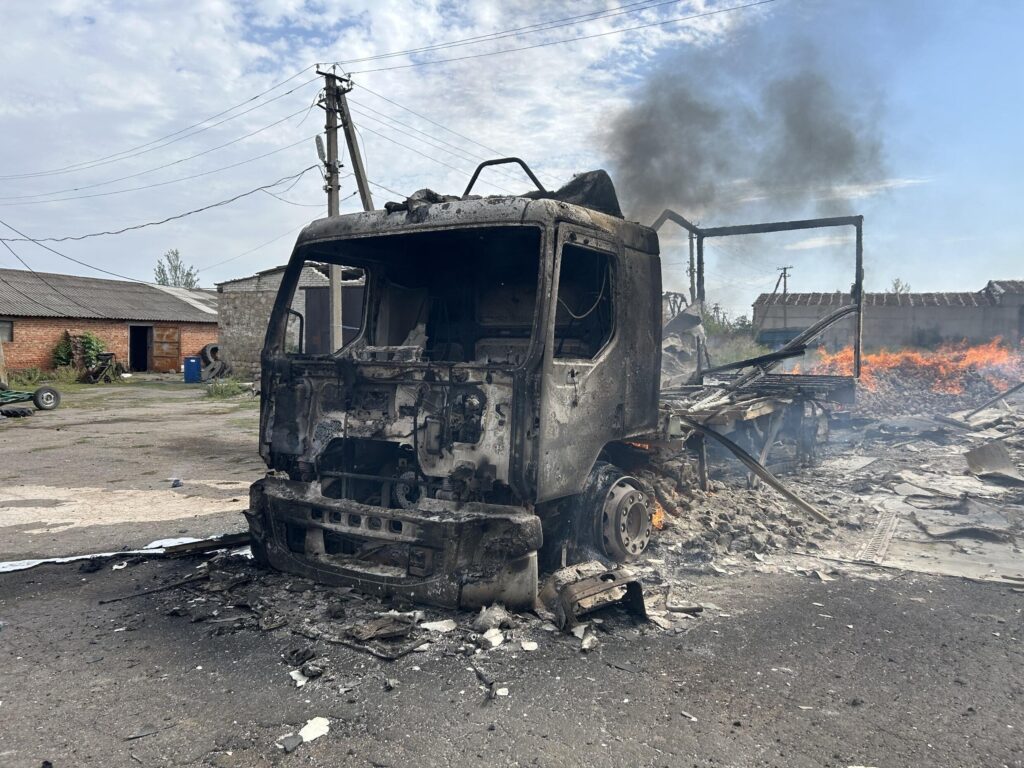
Moscow has consistently denied targeting civilians or civilian infrastructure in its invasion of Ukraine. However, thousands of civilians have been killed in Russian attacks since the war began, according to Ukrainian and international monitors.

This attack on clearly marked humanitarian workers has drawn international attention and is likely to lead to renewed calls for better protection of aid workers and civilians in conflict zones. It also underscores the challenges faced by organizations like the ICRC in delivering crucial assistance to populations caught in the crossfire of ongoing hostilities.

As investigations into the incident continue, the international community watches closely, with many expecting this event to further strain diplomatic relations between Russia and Western nations supporting Ukraine. The loss of these humanitarian workers serves as a grim reminder of the human cost of the conflict and the risks faced by those attempting to alleviate suffering in war-torn regions.
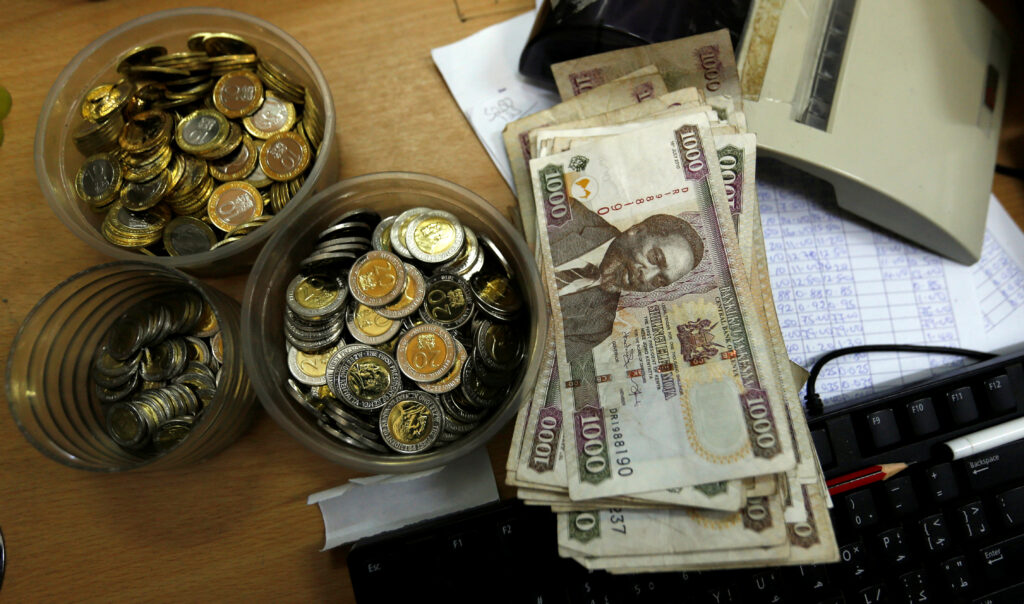
Africa FX Outlook: Kenyan and Zambian Currencies to Remain Stable, Nigeria’s Naira Expected to Weaken

0
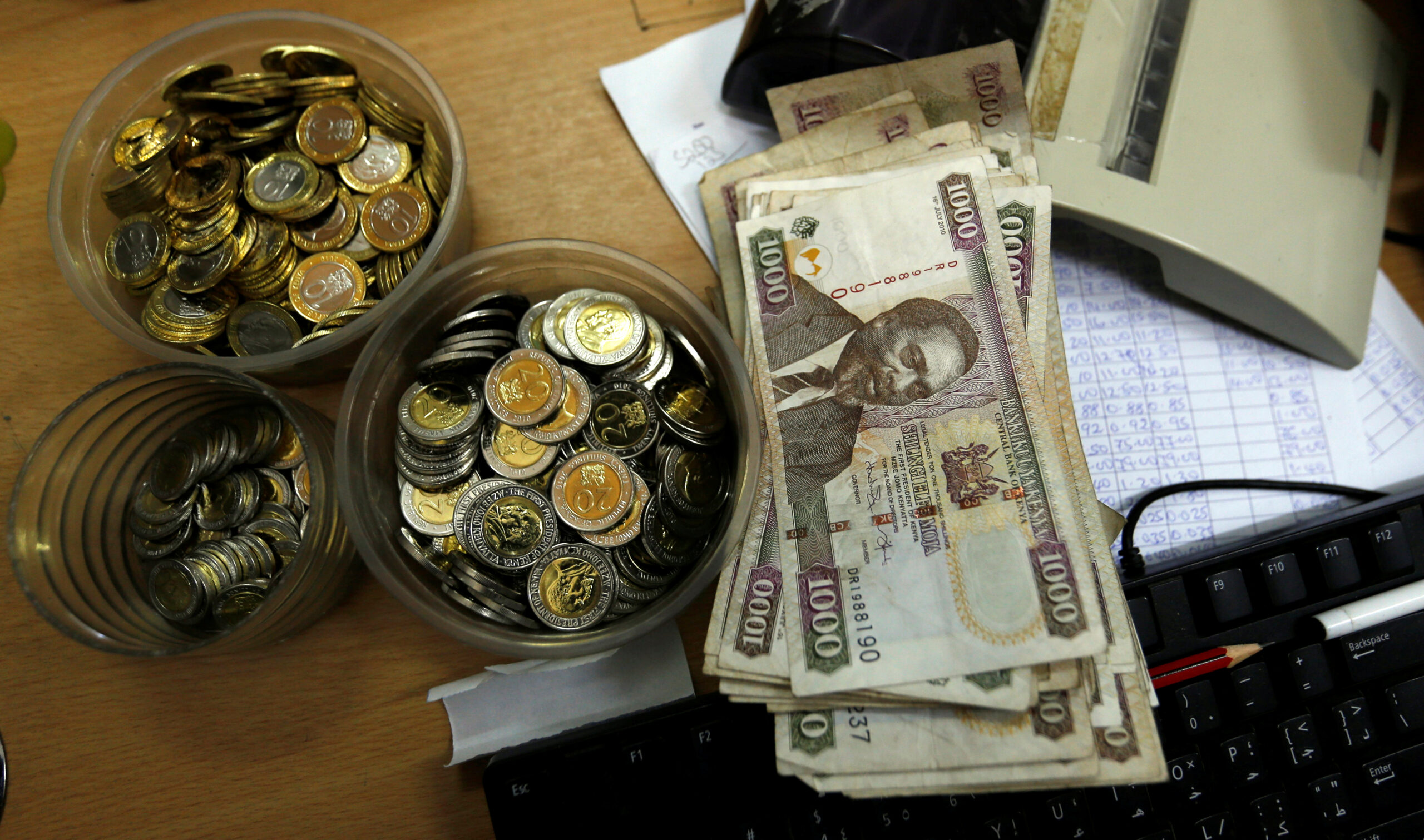
Kenya shilling coins and notes are pictured inside a cashier's booth at a forex exchange bureau in Kenya's capital Nairobi, April 20, 2016. REUTERS/Thomas Mukoya/File Photo

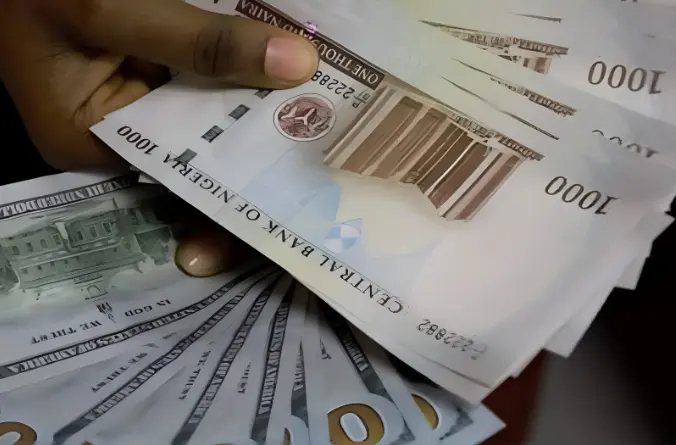
In the coming week, the currencies of Kenya, Uganda, Ghana, and Zambia are forecasted to maintain relative stability, while Nigeria’s naira may face depreciation pressures, according to market traders.

Kenya

The Kenyan shilling is anticipated to remain relatively unchanged throughout the upcoming week, continuing a period of stability that has persisted for approximately a month. According to data from LSEG, the shilling traded at 128.50/129.50 per U.S. dollar on Thursday, a slight shift from the 128.25/129.25 rate recorded at the previous week’s close.

A trader remarked, “We’re stuck within this range; the shilling has reached a stable zone.” Earlier this year, the Kenyan shilling saw strong performance due to easing concerns over the country’s ability to meet its $2 billion Eurobond maturity in June. However, since April, momentum has slowed.

Nigeria

Nigeria’s naira may experience further weakening due to increased demand for foreign currency, despite the government raising $900 million through a domestic dollar bond issuance. LSEG data showed the naira trading at 1,650 per dollar in the official market on Thursday, aligning with rates seen in street trading. This represents a drop from the previous week’s official closing rate of 1,592 naira.

One trader explained, “The dollar raise in itself does not translate to an appreciation until the central bank releases those dollars into the market. Demand is overpowering supply.” The trader added that increased interventions by the central bank could potentially stabilize the naira, but recent interventions have been insufficient to curb depreciation pressures.

Ghana

Ghana’s cedi is expected to maintain relative stability, supported by subdued foreign-currency demand and ongoing central bank interventions. The cedi traded at 15.65 per dollar on Thursday, a marginal increase from 15.62 a week prior, according to LSEG data.

Senior trader Sedem Dornoo from Absa Bank Ghana noted, “The cedi has traded relatively stable against the dollar over the past week, with minimal interbank activity. Corporate demand has also decreased.” He predicted that the currency would likely remain stable in the near term. Another trader agreed, suggesting that central bank support would likely anchor the currency for the time being.

Uganda

Uganda’s shilling is predicted to trade within a tight range, bolstered by low demand for U.S. dollars as local firms prepare for mid-month tax payments. On Thursday, the shilling was quoted at 3,715/3,725 per dollar, compared to the previous week’s close of 3,716/3,726.

“With mid-month tax payments approaching, I expect the local unit to gain some support,” one trader stated. The trader also anticipated that the shilling would fluctuate between 3,700 and 3,730 per dollar in the next week.

Zambia

Zambia’s kwacha is likely to remain stable, supported by companies selling U.S. dollars in preparation for tax payments. As of Thursday, the kwacha was quoted at 26.25 per dollar, a slight improvement from the previous week’s 26.30 rate.

“We have VAT payments due mid-next week, and this should support the local unit,” commented a financial analyst, pointing to tax obligations as a key factor likely to stabilize the kwacha in the short term.

Source: Reuters

Tunisia Coast Guard Recovers Bodies of Six African Migrants-Reuters

0

Tunisian coast guards recovered the bodies of five African women migrants and a baby in waters off the town of Monastir, a judge said on Thursday.

Judge Farid Ben Jha told Reuters that the bodies had been recovered late on Wednesday and that the migrants had come from sub-Saharan Africa.

Multiple Bomb Threats Trigger Major Police Response in Springfield, Ohio

0

Multiple buildings in Springfield, Ohio, were the target of bomb threats on Thursday morning, prompting a significant police response and heightening tensions in a city already grappling with recent controversies.

The Springfield City Commission office confirmed that the threats were delivered via email to “multiple agencies and media outlets.” The nature and extent of these threats have not been fully disclosed, but authorities are treating the situation with utmost seriousness.

“Our primary concern is the safety and well-being of our employees and residents,” a statement from the city commission office read. “We are working to address this situation as swiftly as possible.” The office urged community members to avoid the area surrounding City Hall while the investigation is ongoing and to report any suspicious activity to the Springfield Police Division.

The bomb threats come at a particularly sensitive time for Springfield, following a week of baseless rumors and misinformation about the city’s Haitian migrant population. These unfounded claims, which alleged that Haitian migrants were abducting and eating local pets, gained traction on social media and were amplified by several right-wing politicians, including former President Donald Trump and Senator JD Vance.

During Tuesday night’s presidential debate, Trump made the unsubstantiated claim, “In Springfield, they’re eating the dogs. The people that came in, they’re eating the cats, they’re eating, they’re eating the pets of the people that live there.”

Springfield city officials have strongly refuted these allegations. A spokesperson for the city told ABC News, “There have been no credible reports or specific claims of pets being harmed, injured or abused by individuals in the immigrant community.” The spokesperson further clarified that there have been no verified instances of immigrants engaging in illegal activities such as squatting, littering, or deliberately disrupting traffic.

Springfield estimates that 12,000 to 15,000 immigrants currently reside in the county, with many drawn to the area due to its low cost of living and work opportunities. While the rapid population growth has strained local resources, including housing, healthcare, and schools, city officials emphasize that these migrants are in the country legally, with many being recipients of Temporary Protected Status.

The Haitian Bridge Alliance has condemned the “baseless and inflammatory” claims about Haitian migrants, stating that such rhetoric “not only perpetuates harmful stereotypes but also contributes to the dangerous stigmatization of immigrant communities, particularly Black immigrants from the Republic of Haiti.”

In response to the growing tensions, Ohio Governor Mike DeWine has committed to sending additional resources to Springfield. DeWine also joined local officials in dispelling the rumors about Haitian migrants, emphasizing the need for factual information and community support.

As authorities investigate the bomb threats, there is speculation about whether they might be connected to the recent spread of misinformation. However, officials have not yet established any direct link between the two events.

The situation in Springfield highlights the potential real-world consequences of online misinformation and the challenges faced by local authorities in managing community tensions while ensuring public safety. As the investigation into the bomb threats continues, city officials are calling for calm and urging residents to rely on official sources for accurate information about community issues and potential security threats.

Source: abcnews.go.com

UN Report Reveals 260 Women Sexually Assaulted During Congo Prison Break Attempt

0

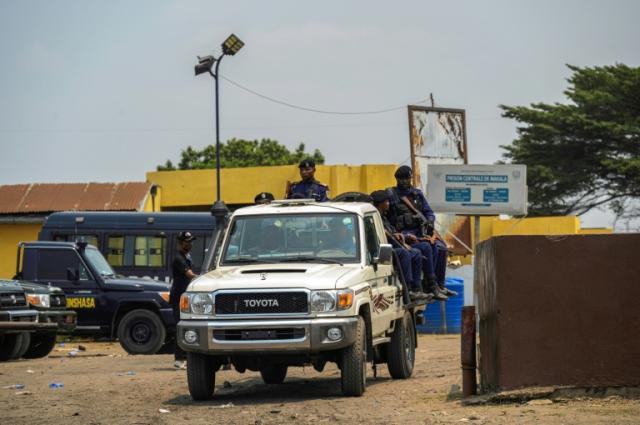
A shocking internal United Nations report, reviewed by Reuters, has revealed that more than 260 female inmates were sexually assaulted during a recent mass escape attempt at the Democratic Republic of Congo’s Makala Central Prison in Kinshasa.

The incident, which occurred in the early hours of September 2, resulted in at least 129 deaths as prison guards used live ammunition to prevent the breakout. The scale of sexual violence during the chaos has now come to light, with the UN report detailing that 268 out of 348 incarcerated women were subjected to sexual violence, including rape. Alarmingly, 17 of these victims were under the age of 19.

The Makala Central Prison, designed to hold 1,500 inmates, was housing over 15,000 at the time of the incident, underscoring the severe overcrowding issues plaguing Congo’s penal system. This overpopulation likely contributed to the chaotic conditions during the escape attempt.

Victims’ accounts paint a horrifying picture of the events. One survivor, speaking anonymously to Reuters for fear of reprisals, reported being raped by at least a dozen inmates. Another witness described seeing male prisoners “throwing themselves at the female prisoners,” noting that even elderly women were not spared from the attacks.

The women’s block, one of seven out of the prison’s 11 blocks vandalized during the breakout attempt, was the primary target of the assaults. The UN report’s detailed figures stem from the immediate need to provide post-attack kits and emergency contraception to victims within 72 hours of the assaults.

Emmanuel Cole, a Congolese rights defender with over two decades of experience monitoring prisons, called this “the worst case we have seen in terms of the number of rapes during an escape.” Cole suggested that the UN figures might be an underestimate, as some victims may have been too afraid of repercussions to come forward.

The Congolese government, which had initially acknowledged that women were sexually assaulted without providing specific numbers, has not yet responded to requests for comment on the UN report’s findings.

In response to the incident, President Felix Tshisekedi has ordered an investigation into the Makala prison break and called for a review of the country’s main prisons to address overcrowding issues. Despite the chaos, no prisoners ultimately managed to escape during the incident.

This mass assault highlights not only the immediate security concerns within Congo’s prison system but also broader issues of overcrowding, inadequate protection for vulnerable inmates, and the potential for human rights abuses in such environments. The international community will likely be watching closely to see how the Congolese government addresses these systemic problems in the wake of this tragedy.

As investigations continue, there are growing calls for improved security measures, better separation of male and female prisoners, and urgent action to reduce prison populations to manageable levels. The incident at Makala Central Prison serves as a stark reminder of the critical need for prison reform and improved conditions for inmates in the Democratic Republic of Congo.

Guinea Bissau President Embalo Declines to Seek Second Term, Raising Political Uncertainty

0

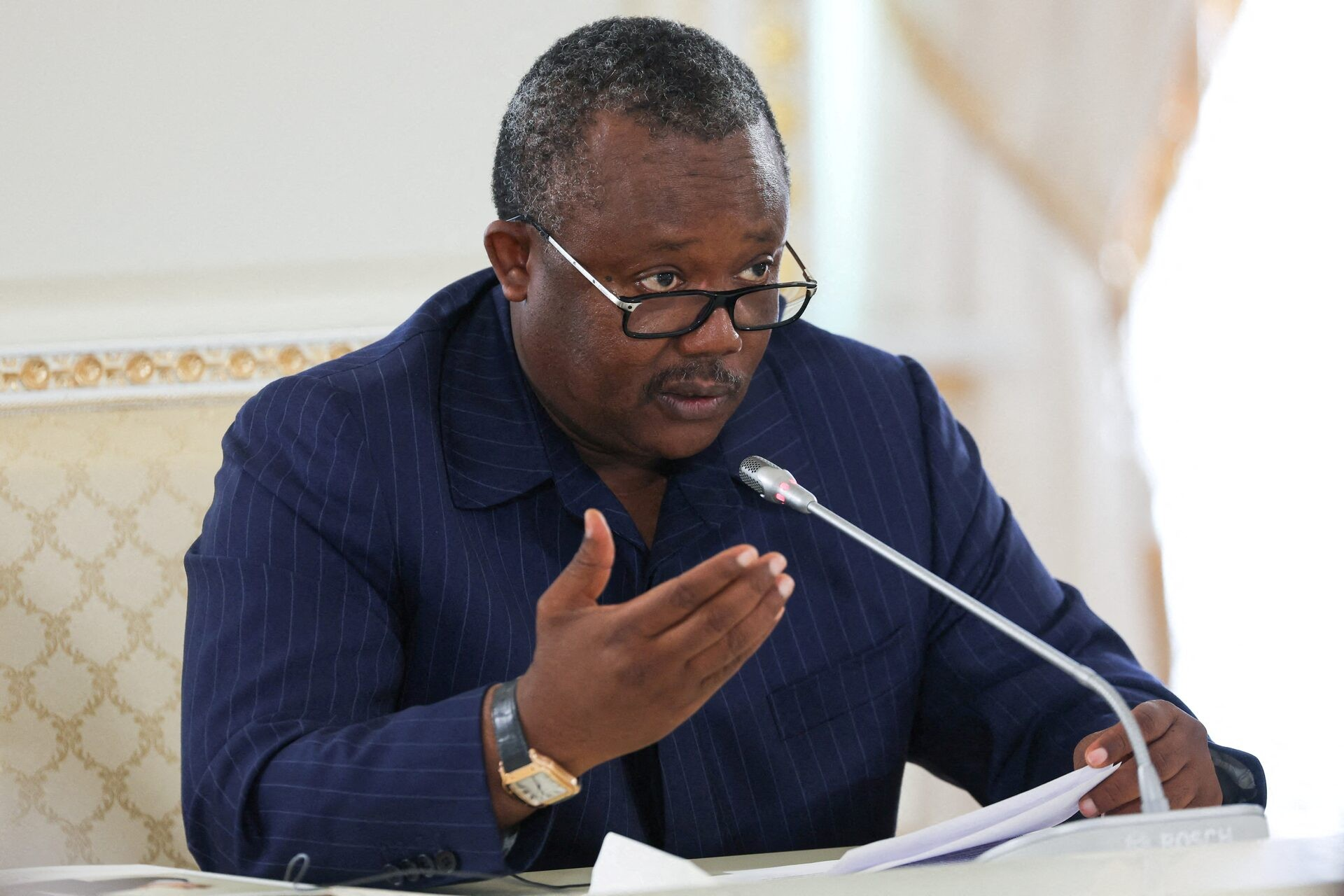
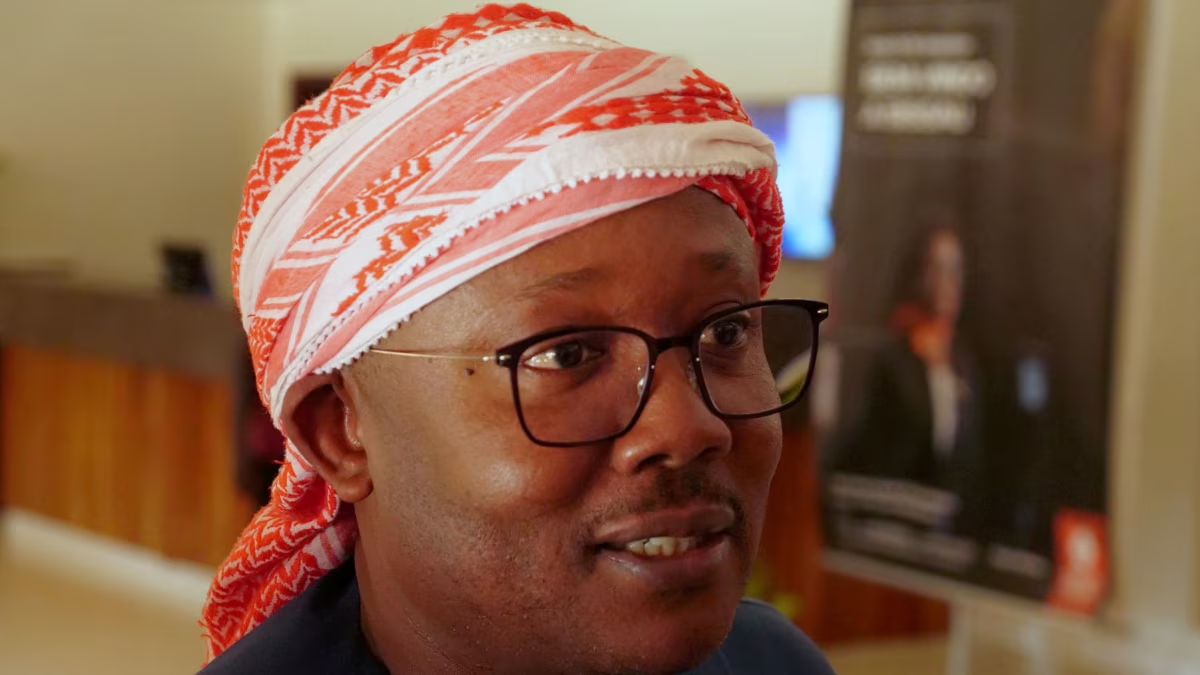
In a surprising turn of events, Guinea Bissau’s President Umaro Cissoko Embalo announced Thursday that he will not seek re-election in the upcoming November polls, potentially triggering a power vacuum in the politically volatile West African nation.

Embalo, 51, who has led the country since January 2020, made the unexpected declaration at the conclusion of a council of ministers meeting. The president, who defeated his main rival Domingos Simoes Pereira with 54% of the vote in the last election, cited personal reasons for his decision.

“My wife has dissuaded me from running again,” Embalo stated, adding an unexpected twist to the country’s political landscape. He also took the opportunity to rule out certain opposition figures as potential successors, specifically naming Pereira, Braima Camara, and Nuno Gomes Na Bian, though he did not elaborate on these exclusions or suggest a preferred candidate.

Embalo’s presidency has been marked by political turbulence, characteristic of Guinea Bissau’s post-independence history. Since gaining independence from Portugal in 1974, the country of approximately two million people has experienced frequent coups and political unrest. Embalo himself claims to have survived two coup attempts during his tenure, the most recent occurring in December 2023.

The president’s decision not to seek re-election comes at a critical juncture for Guinea Bissau:

1. Political Instability: Embalo inherited a long-running political impasse and has twice dissolved parliament during his term, most recently in December 2023 following the alleged coup attempt.

2. Constitutional Challenges: His efforts to consolidate power by changing the country’s semi-presidential system were thwarted after the May 2022 legislative elections, which he called following his first dissolution of parliament.

3. Systemic Issues: Guinea Bissau’s current political system, where the majority party or coalition appoints the government but the president can dismiss it under certain circumstances, has often led to deadlock and instability.

4. Economic and Security Concerns: The country has struggled with economic development and has emerged as a significant cocaine trafficking hub. Just days before Embalo’s announcement, police seized 2.63 tons of cocaine from a Venezuelan plane, highlighting ongoing security challenges.

Embalo, a former army general who served as prime minister under his predecessor Jose Mario Vaz, came to power promising stability and development. However, his tenure has been marked by political maneuvering and allegations of power consolidation attempts.

The president’s decision not to run opens up the field for potential candidates, but also raises concerns about the continuity of governance in a country that has struggled to maintain political stability. The exclusion of key opposition figures from Embalo’s list of potential successors adds another layer of complexity to the upcoming electoral process.

As Guinea Bissau prepares for the November elections, the international community will be watching closely. The country’s strategic location in West Africa and its recent history of political volatility make the upcoming transition of power a matter of regional and international concern.

Political analysts suggest that Embalo’s announcement could lead to a reshuffling of political alliances and the emergence of new candidates in the coming months. The challenge for Guinea Bissau will be to navigate this transition while maintaining stability and addressing the pressing economic and security issues facing the nation.

Credit: Reuters

Sudan, UAE Exchange Accusations Over Prolonged Conflict at UN Meeting

0

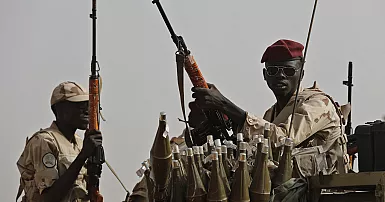
Sudan and the United Arab Emirates traded sharp accusations Wednesday at a United Nations Security Council meeting, highlighting the increasing internationalization of Sudan’s 17-month-long civil war. The clash occurred as the Council voted unanimously to extend an arms embargo on Sudan’s Darfur region until September 12, 2025.

Sudanese Ambassador Al-Harith Mohamed leveled serious allegations against the UAE, accusing it of providing weapons to the Rapid Support Forces (RSF), the paramilitary group fighting against Sudan’s military government. Mohamed claimed the UAE was “profiting from this war through the illegal exploitation of gold” and prolonging the conflict that has devastated the country since April 2023.

“We have evidence of a recent weapons shipment that went through Chad to the RSF,” Mohamed told the Council. He alleged that Chad’s recently reopened Adre border crossing, intended for humanitarian aid, was being “abused” to funnel arms to the paramilitary force. The Sudanese envoy also claimed that a European bullion market had confirmed UAE’s profiteering from Sudanese gold.

In response, UAE Ambassador Mohamed Abushahab swiftly rejected the accusations, calling them “utterly false” and “baseless.” He countered by accusing Sudan’s government of refusing to engage in peace negotiations with the RSF. “To end this conflict, the SAF [Sudanese Armed Forces] must take the vital step of participating in the peace talks and summon the political courage to negotiate with their enemy,” Abushahab stated.

The UAE diplomat criticized Sudan’s military for showing “zero political courage” and accused it of using starvation as a weapon of war. He pointed to Sudan’s boycott of recent negotiations in Geneva, Switzerland, which were aimed at spurring humanitarian aid and initiating peace talks.

The heated exchange underscored the complex dynamics of the conflict, which has forced more than 13 million people to flee their homes and plunged the country into a dire humanitarian crisis. World Health Organization chief Tedros Adhanom Ghebreyesus recently reported that over 20,000 people have been killed in the fighting.

U.S. Deputy Ambassador Robert Wood emphasized the desperate situation in Darfur, where people “live in danger and desperation and despair.” He cited intense floods, restrictions on humanitarian aid, persistent human rights violations, and mass displacement as daily challenges faced by civilians.

The Security Council’s decision to extend the Darfur arms embargo was seen as a crucial step in addressing the ongoing crisis. However, some countries and human rights organizations, including Human Rights Watch, advocated for expanding the embargo to cover the entire country. Jean-Baptiste Gallopin of Human Rights Watch called the Council’s failure to extend sanctions nationwide “a missed opportunity” that should be corrected to “limit the flow of arms and curb widespread atrocities.”

The meeting also referenced a recent report by UN-backed human rights investigators, which called for an “independent and impartial force” to protect civilians in Sudan. The report accused both sides of war crimes and suggested that foreign governments arming and financing the conflicting parties could be complicit in these atrocities.

As the conflict continues to escalate, with echoes of the genocide that occurred in Darfur two decades ago, international pressure is mounting for a resolution. British Deputy Ambassador James Kariuki urged states to refrain from enhancing either side’s fighting capability and called on those with influence to bring the parties to the negotiating table.

The ongoing accusations between Sudan and the UAE highlight the regional complexities surrounding the conflict and the challenges facing international efforts to broker peace. As the humanitarian situation worsens and the death toll rises, the international community remains divided on how best to address the crisis and bring an end to the devastating civil war in Sudan.

APnews.com

Ethiopia Celebrates Unique New Year on September 11, Welcoming 2017

0

While much of the world observes September 11 as a somber anniversary, Ethiopia marked the date with joyous celebrations, ringing in its New Year 2017 according to the country’s ancient calendar. The festivities, known as Enkutatash, underscore Ethiopia’s distinct cultural identity and its preservation of traditions that predate widespread global calendar standardization.

The Ethiopian New Year, falling on September 11 (or September 12 in leap years) in the Gregorian calendar, stems from the country’s use of the Ethiopic or Ge’ez Calendar. This system, introduced in the 16th century by Emperor Ge’ez Sarsa Dengel of Abyssinia, is rooted in the ancient Coptic Alexandrian calendar and differs significantly from the widely used Gregorian Calendar established by Pope Gregory XIII in 1582.

Bahi Kidus, an Ethiopian residing in London, explained to TRT Afrika, “Holidays and celebrations bring people together, and September 11 is no different for us.” The date’s festive nature in Ethiopia presents a stark contrast to its solemn observance in many other parts of the world, highlighting the country’s unique historical and cultural trajectory.

The name Enkutatash, meaning “gift of jewels” in Amharic, traces its origins to Ethiopian lore surrounding the Queen of Sheba’s return from her famed visit to King Solomon in Jerusalem. Legend has it that on September 11, the queen received a homecoming where her people presented her with jewels, establishing the date’s significance in Ethiopian culture.

Traditional New Year celebrations in Ethiopia feature a spread of local delicacies, including Injera (a bread made from teff flour), accompanied by various meat and vegetable dishes. The honey wine tej flows freely, and the air fills with the rhythms of Eskista, the traditional “shoulder dance.” Coffee ceremonies and animated conversations round out the festivities, which often extend for a week.

Ethiopia’s ability to maintain this distinct calendar and New Year tradition is largely attributed to its unique history as Africa’s oldest independent country that has never been colonized. This historical independence allowed Ethiopia to preserve its language, religion, culture, and heritage through centuries of global change and regional turmoil.

However, current economic challenges are impacting the scale of celebrations. Kidus noted, “If you look at the celebrations now and what they were like when we were growing up, things have changed. The economy has taken a hit. Most people can’t afford to celebrate, at least not as we used to.” Inflation, drought, floods, and intermittent violence have strained many Ethiopians’ financial resources.

For Ethiopians in the diaspora, the New Year takes on additional significance as a connection to their homeland. “We find ourselves far from our motherland. These memories are the ones we hold tightly to for a feeling of home,” Kidus explained, highlighting how cultural traditions like Enkutatash serve as vital links to national identity for expatriates.

As Ethiopia welcomed 2017 according to its calendar, the celebrations served not only as a marker of time but as a testament to the country’s rich cultural heritage and its ability to maintain unique traditions in an increasingly globalized world. The contrast between Ethiopia’s joyous observance of September 11 and its somber significance elsewhere underscores the diverse ways in which different cultures mark time and history.

While challenges persist, the continuation of Enkutatash celebrations both within Ethiopia and among its diaspora communities demonstrates the enduring strength of cultural identity and the power of shared traditions to unite people across distances and generations.

Kolkata Doctors Defy Court Order, Continue Strike Over Hospital Rape Case

0

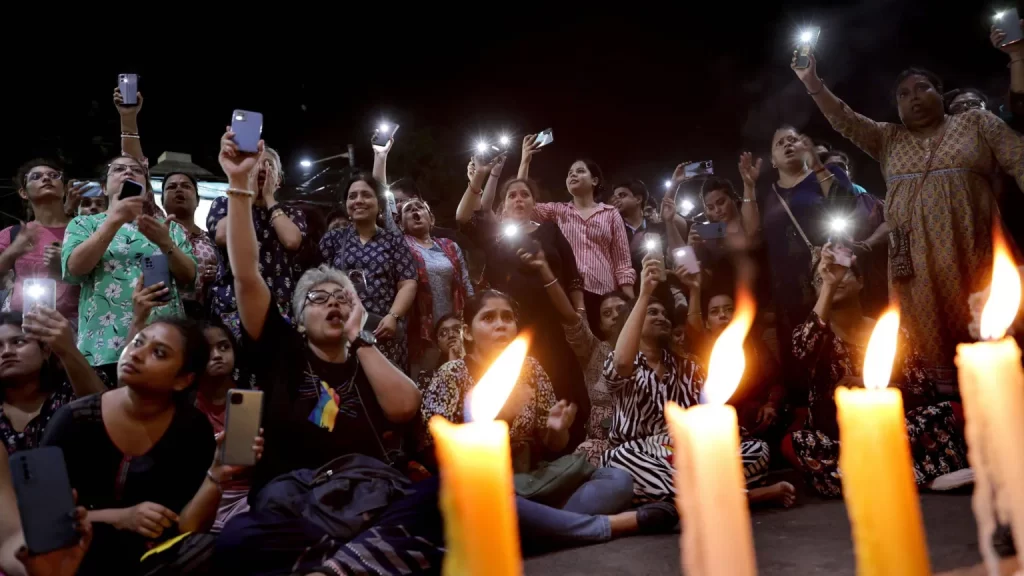
Junior doctors in Kolkata are maintaining their protest against the rape and murder of a trainee doctor at a state-run hospital, defying a Supreme Court order to return to work. The strike, which began after the discovery of the 31-year-old victim’s body on August 9, has sparked nationwide outrage and put intense pressure on the West Bengal state government.

The protesting doctors have established a camp outside the state’s health department headquarters, presenting five key demands: justice for the victim, removal of senior police officials, and enhanced security for health workers. Despite the Supreme Court’s deadline passing on Tuesday evening, the doctors remain resolute in their stance.

Dr. Amrita Bhattacharya of the West Bengal Junior Doctors’ Front stated, “We are providing healthcare through telemedicine from the protest sites. They can’t replace the facilities of a hospital, and we are not even claiming that, but we are there to treat patients.”

The state government reports that 23 people have died due to lack of access to medical services during the strike. However, protesting doctors maintain that emergency services have not been affected, with senior doctors stepping in to fill the gap.

The case has drawn criticism towards the local administration and police for alleged lapses in handling the investigation. A hospital volunteer has been arrested in connection with the crime, which is now under investigation by a federal agency.

The protests have seen widespread support, with the Indian Express reporting over 300 rallies in Kolkata in the past month, including many midnight events organized by women. Demonstrators from various backgrounds have joined the doctors, displaying banners and posters seeking justice for the victim, referred to as “Abhaya” (fearless) due to laws prohibiting the naming of sex crime victims.

Dr. Sumantra Dey emphasized the unity of the protest movement, stating, “This is a united front. We might be Barcelona, we might be Manchester United, but here we are playing for India.” He dismissed allegations of political motivations behind the protests, insisting that participants come from all walks of life and various political affiliations in their personal capacities.

The state government’s attempts to negotiate have been unsuccessful, with doctors rejecting conditions for talks, including a demand to broadcast their meeting with Chief Minister Mamata Banerjee live on television.

The ongoing strike highlights the deep-seated concerns about safety and security in healthcare facilities. Dr. Bhattacharya expressed the fear permeating the medical community: “How can we go back to work knowing that people who have murdered our colleague might be roaming around free just next to us?”

As the standoff continues, the impact on healthcare services in West Bengal remains a pressing concern. The case has brought to the forefront issues of workplace safety for medical professionals and the need for comprehensive reforms in hospital security measures.

The protesting doctors’ determination to continue their strike until their demands are met presents a significant challenge for state authorities and underscores the broader issues of safety and justice in India’s healthcare system.

Malaysian Police Rescue Hundreds of Children in Massive Care Home Raid

0

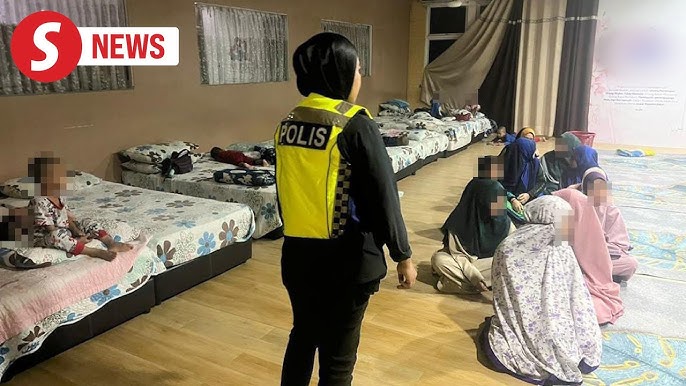
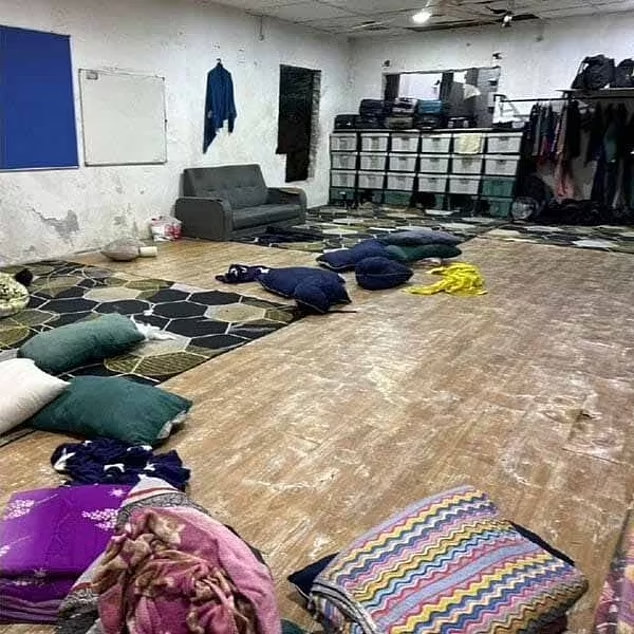
Malaysian police have rescued 402 children and teenagers from suspected physical and sexual abuse across 20 care homes, in a sweeping operation that has shocked the nation and raised questions about child protection in the country.

Police Inspector-General Razarudin Husain announced at a press conference that the victims, ranging from one to 17 years old, had allegedly endured various forms of abuse. Some children were reportedly forced to perform sexual acts on other minors.

In a series of raids conducted on Wednesday across care homes in the states of Selangor and Negeri Sembilan, authorities arrested 171 suspects, including religious teachers and caretakers. The suspects, aged between 17 and 64, are accused of severe misconduct, with some allegedly touching children under the guise of religious treatment.

“Children were punished using heated metal objects,” Razarudin said, adding that ill children were reportedly denied medical treatment until their conditions became critical.

The raids were prompted by reports earlier this month of child exploitation and abuse at another facility in Negeri Sembilan state. Police have confirmed that these cases are linked to an ongoing investigation into the Islamic Global Ikhwan Group (GISB), a prominent business conglomerate with operations across 20 countries.

Deputy Inspector-General of Police Ayob Khan Mydin Pitchay stated that initial investigations suggest GISB’s modus operandi involved setting up welfare homes to collect donations. GISB has denied all allegations in a statement posted on Facebook, asserting that the company does not compromise on activities that violate the law, particularly regarding child exploitation.

The rescued children will be temporarily housed at a police center in Kuala Lumpur and undergo health checks. Many of the children were reportedly placed in these homes by their parents for religious education, according to the state news agency Bernama.

This case has prompted calls for stricter regulations of welfare homes from the Human Rights Commission of Malaysia (Suhakam). Farah Nini Dusuki, Suhakam’s children’s commissioner, told Free Malaysia Today, “The problem is that these places are not properly regulated or supervised. We have a serious issue with monitoring and supervision, which is why we need the community to be more alert.”

The scale of this operation has raised serious concerns about child protection measures in Malaysia and the oversight of religious and charitable institutions. As investigations continue, authorities face the challenge of ensuring the welfare of the rescued children while addressing the systemic issues that allowed such alleged abuse to occur.

This case highlights the urgent need for improved regulations, stricter monitoring of care facilities, and enhanced community vigilance to protect vulnerable children from exploitation and abuse.